
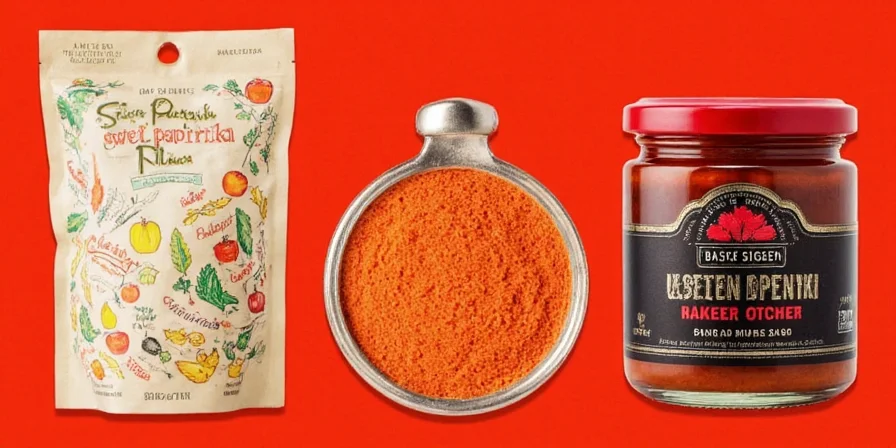
Spice Up Your Life: 7 Innovative Sweet Paprika Pairings You Never Knew Existed
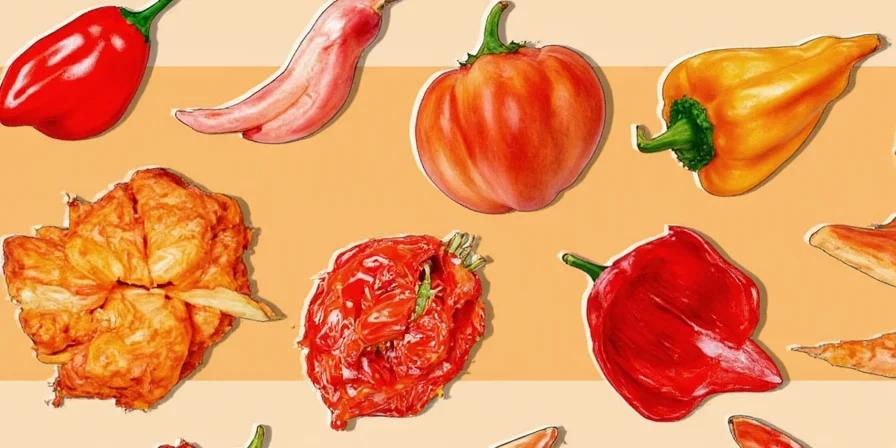
Sweet paprika is more than just a garnish – it's a flavor powerhouse.
Table of Contents
- Introduction
- Chocolate & Sweet Paprika
- Citrus Zest Meets Smoked Paprika
- Paprika & Vanilla Ice Cream?
- Savory Popcorn with a Spicy Twist
- Grilled Cheese with Paprika Kick
- Cocktails with a Dash of Paprika
- Honey-Glazed Carrots for the Win
- Conclusion
Introduction: Why Sweet Paprika Deserves More Love
If you thought sweet paprika was just a colorful garnish for deviled eggs or hummus, think again! This vibrant red spice made from ground dried peppers has a mild, slightly fruity flavor that pairs beautifully with both savory and sweet ingredients.
In this article, we’re diving deep into seven unexpected yet delicious pairings that showcase sweet paprika’s versatility. Whether you're a seasoned chef or a curious home cook, these ideas will inspire you to reach for that jar of paprika more often.
Pairing #1: Chocolate & Sweet Paprika
Believe it or not, dark chocolate and sweet paprika are a match made in heaven. The earthy warmth of the paprika enhances the richness of the chocolate, creating a flavor profile that's complex yet balanced.
Pro Tip:
- Add a pinch of paprika to melted chocolate when making bark or truffles
- Dust a bit over brownies before baking for a subtle kick
- Mix with powdered sugar and cocoa for a unique hot chocolate blend
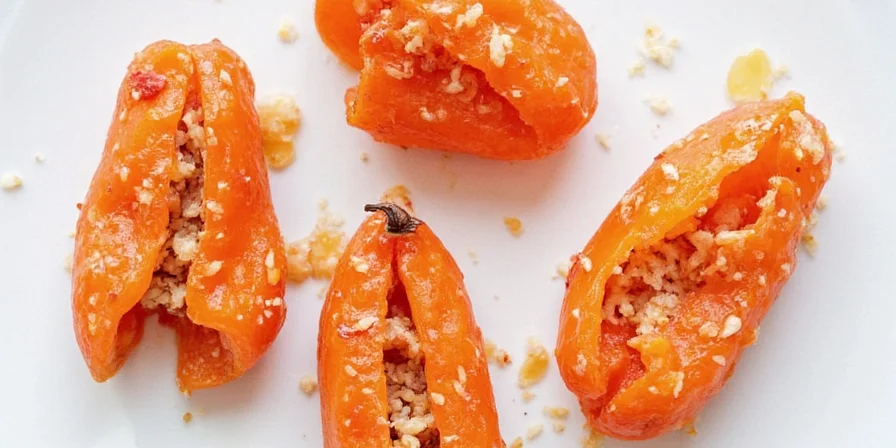
Dark chocolate with a sprinkle of sweet paprika – rich, warm, and unforgettable.
Pairing #2: Citrus Zest Meets Sweet Paprika
The brightness of citrus zest contrasts beautifully with the mellow warmth of sweet paprika. It’s a flavor combo that adds depth to both sweet and savory dishes.
Try This:
- Whisk lemon zest with paprika and olive oil for a vibrant salad dressing
- Add orange zest to paprika-spiced roasted carrots or squash
- Mix grapefruit zest into paprika-seasoned seafood rubs
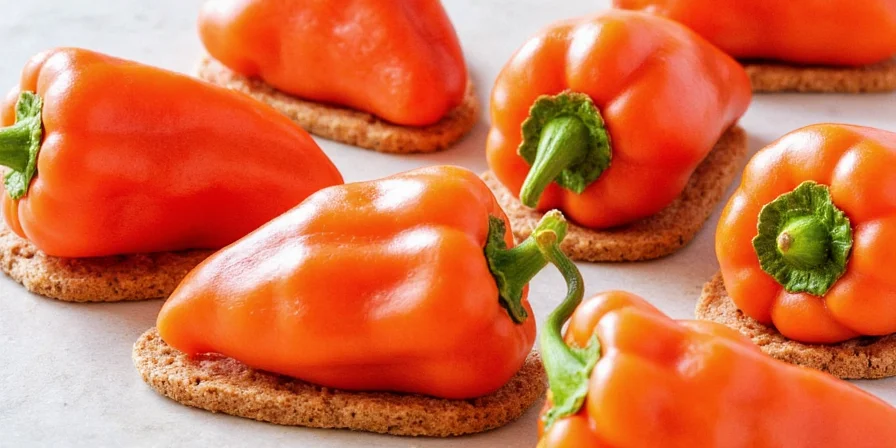
Citrus zest brings lightness, while paprika adds warmth – a perfect balance!
Pairing #3: Paprika & Vanilla Ice Cream?
This might sound odd at first, but a tiny sprinkle of sweet paprika on vanilla ice cream can add a delightful layer of flavor. Think of it as the ultimate dessert whisperer – it doesn’t shout, but it makes everything taste better.
How to Use It:
- Sprinkle over vanilla gelato for a spicy-sweet twist
- Mix with sea salt and drizzle over caramel swirls
- Add a pinch to whipped cream for spiced topping magic
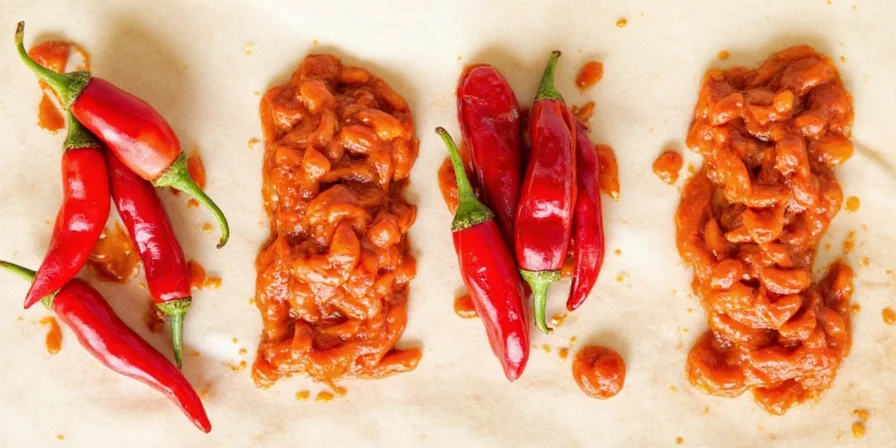
A dash of paprika transforms simple vanilla ice cream into something special.
Pairing #4: Savory Popcorn with a Spicy Twist
Fancy a movie night snack upgrade? Toss freshly popped popcorn with melted butter, a touch of garlic powder, and a generous shake of sweet paprika for an addictive, restaurant-quality treat.
Optional Add-Ons:
- Parmesan cheese for extra umami
- Truffle oil for luxury vibes
- Lime zest for a tangy finish
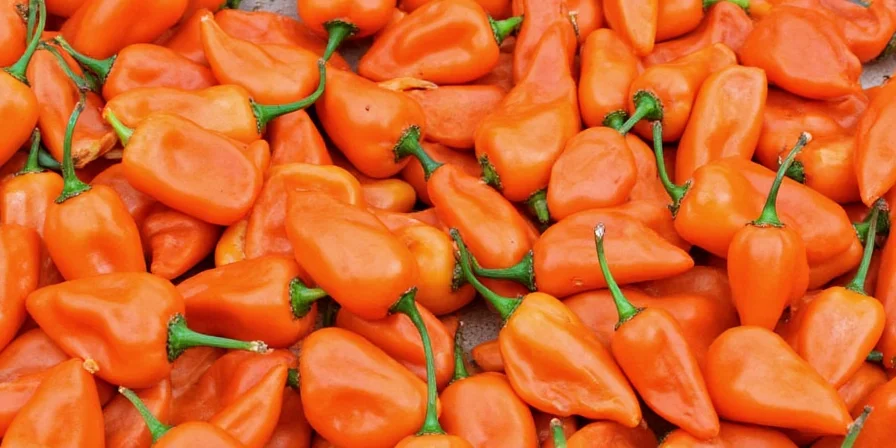
Sweet paprika adds color and complexity to this cozy movie night snack.
Pairing #5: Grilled Cheese with Paprika Kick
Take your grilled cheese to the next level by mixing a bit of sweet paprika into the mayo or butter before spreading it on the bread. The result? A crispy, golden exterior with a hint of smoky warmth.
Pro Hack:
- Combine paprika with mayonnaise for a zesty sandwich spread
- Blend with softened butter and herbs for a compound butter upgrade
- Use in tomato soup for a layered, savory experience
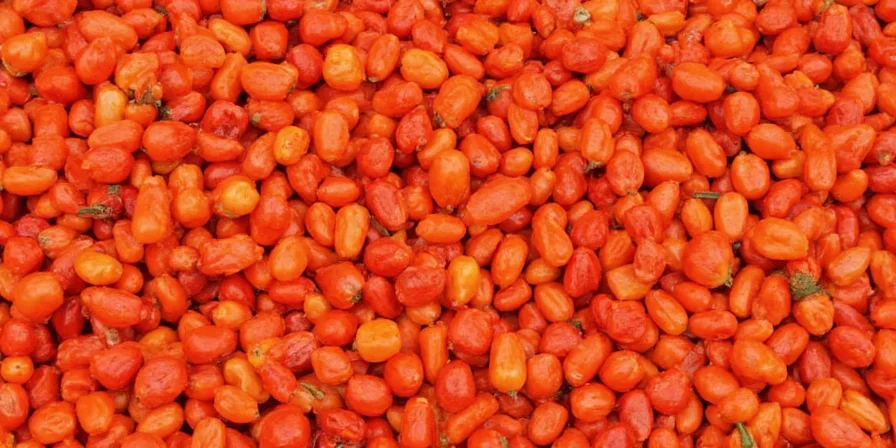
A little paprika turns a classic grilled cheese into something extraordinary.
Pairing #6: Cocktails with a Dash of Paprika
Yes, really! A pinch of sweet paprika stirred into a cocktail can enhance the flavors without overpowering them. Try it in Bloody Marys, margaritas, or even gin-based drinks.
Cocktail Ideas:
- Bloody Mary rimmed with paprika-salt mix
- Paprika-infused tequila for a smoky margarita
- Stirred into honey-gin cocktails for a warming note
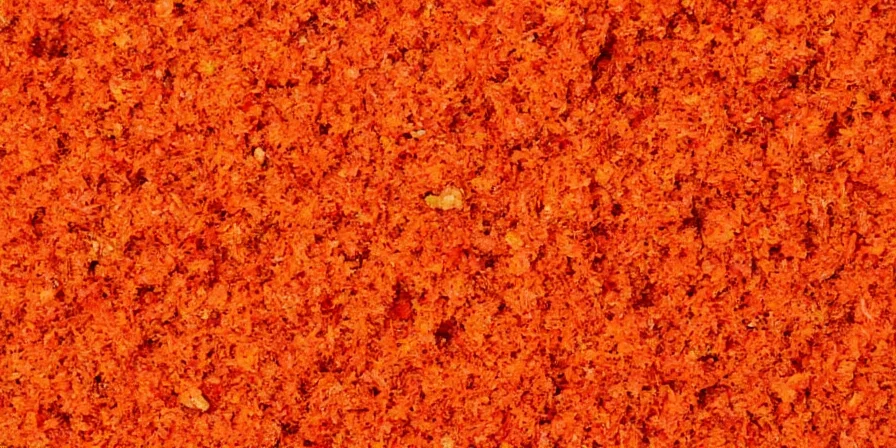
Just a pinch of paprika can transform your favorite drink into a flavor bomb.
Pairing #7: Honey-Glazed Carrots with Paprika Kick
Sweet paprika and honey were practically made for each other. Roasting carrots with honey, olive oil, and paprika creates a side dish that’s both sweet and savory with a beautiful aroma.
Recipe Inspiration:
- Toss baby carrots with honey, paprika, and balsamic vinegar
- Roast until caramelized and golden brown
- Garnish with chopped parsley or mint for freshness

Honey-glazed carrots with sweet paprika – sweet, savory, and stunningly simple.
Conclusion: Unlock the Full Potential of Sweet Paprika
Sweet paprika isn’t just for garnishing anymore – it’s a dynamic spice that can bring warmth, color, and complexity to a wide range of dishes. Whether you're adding it to desserts, cocktails, or everyday meals, there’s no shortage of creative ways to enjoy its mild, sweet flavor.
Next time you're reaching for the usual cinnamon or chili powder, give sweet paprika a try. You might be surprised at how much flavor it can bring to your kitchen adventures. Happy seasoning!
Quick Recap Table
| Pairing | Best For | Flavor Profile |
|---|---|---|
| Chocolate | Truffles, Brownies | Rich, Earthy, Warm |
| Citrus Zest | Salads, Seafood | Bright, Balanced, Fresh |
| Ice Cream | Vanilla Desserts | Mellow, Spicy-Sweet |
| Popcorn | Snacks, Movie Night | Savory, Toasty, Slightly Sweet |
| Grilled Cheese | Comfort Food, Lunch | Cheesy, Buttery, Warm |
| Cocktails | Drinks, Appetizers | Layered, Smooth, Unexpected |
| Honey-Glazed Veggies | Sides, Family Dinners | Sweet, Savory, Fragrant |




 浙公网安备
33010002000092号
浙公网安备
33010002000092号 浙B2-20120091-4