
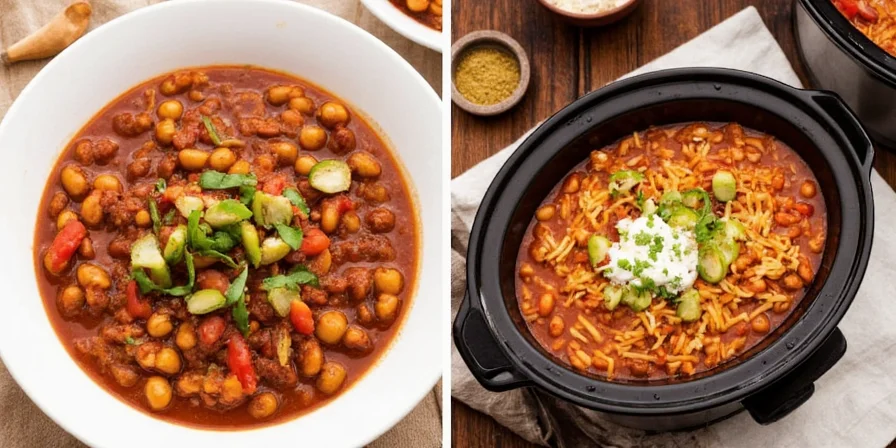
Spice Up Your Slow Cooker Chili: 10 Unexpected Pairings That’ll Blow Your Mind!
Introduction: The Chili Chronicles
Welcome to the spicy frontier of slow cooker chili, where tradition meets innovation and your taste buds get a VIP pass to Flavor Town. While classic chili recipes have their rightful place in every home cook’s arsenal, we’re here to shake things up with some truly Innovative Spice Pairings that will make your pot of chili the star of the dinner table—or better yet, the reason everyone’s fighting over seconds.
Table of Contents
- What Is Slow Cooker Chili?
- Why Spice Pairings Matter
- Top 10 Innovative Spice Pairings for Your Chili
- How to Incorporate Spices into Slow Cooker Chili
- Common Mistakes to Avoid
- Bonus Tips & Tricks
- Conclusion
What Is Slow Cooker Chili?
Before we dive into the spice jungle, let’s take a moment to appreciate what makes slow cooker chili so special. This hearty dish usually starts with a base of ground beef (or a plant-based alternative), tomatoes, beans, and a symphony of spices. It simmers low and slow for hours, allowing flavors to deepen and textures to become rich and complex.
Why Spice Pairings Matter
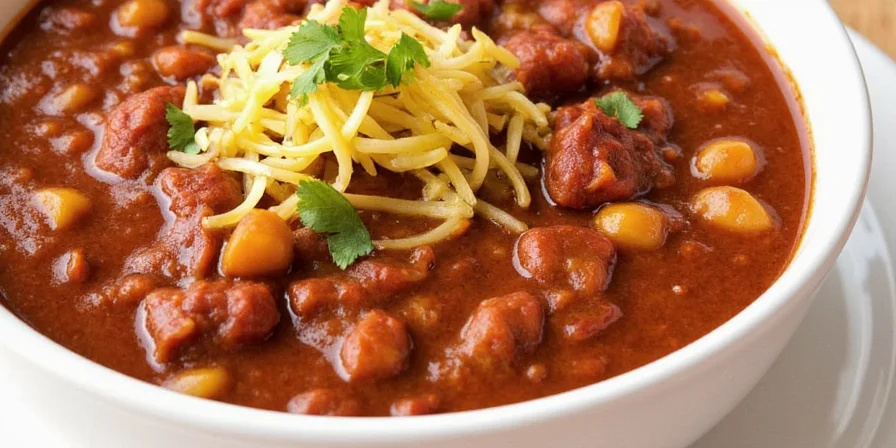
Think of spices like musical notes—on their own, they can be nice, but when combined right, they create a melody that moves people. In the case of chili, spice pairings are what elevate it from “meh” to “mind-blowing.” But not all spice combinations play nicely together. Some clash, some fade into obscurity, and others just don’t bring enough flavor to the party.
| Traditional Spices | Innovative Spice Pairings |
|---|---|
| Cumin | Paprika + Cocoa Powder |
| Chili Powder | Smoked Paprika + Espresso Powder |
| Oregano | Fennel Seeds + Citrus Zest |
Top 10 Innovative Spice Pairings for Your Chili
Let’s get straight into the meaty part of this post—the Innovative Spice Pairings that will turn your chili into a flavor explosion! These combinations might raise an eyebrow or two, but trust us, they work beautifully together. Each pairing has been tested, tasted, and approved by both professional chefs and adventurous home cooks alike.
- Cocoa Powder + Smoked Paprika: A dark, earthy depth with a hint of sweetness. Perfect for those who love a rich, moody chili.
- Espresso Powder + Cayenne Pepper: A jolt of coffee bitterness meets fiery heat. Great for adding complexity and warmth.
- Fennel Seeds + Orange Zest: Herbal and citrusy, this combo adds brightness to a heavy dish.
- Coriander + Ground Cinnamon: Warm and aromatic, these spices add unexpected comfort to your chili.
- Allspice + Nutmeg: A nod to Caribbean jerk seasoning, giving chili a sweet, spiced backbone.
- Cardamom Pods + Black Pepper: Floral meets sharp, creating a dynamic contrast in flavor.
- Turmeric + Ginger: Earthy and slightly peppery, this combination boosts warmth and health benefits.
- Mustard Seeds + Fenugreek: Adds a nutty, almost maple-like note that plays well with smoky flavors.
- Star Anise + Cloves: Bold and aromatic, perfect for holiday-style chilis or those looking for a dramatic twist.
- Sumac + Aleppo Pepper: Brightens up the dish with tangy and mild heat, ideal for summer versions of chili.

How to Incorporate Spices into Slow Cooker Chili
Now that you’ve got the list, let’s talk execution. Adding spices at the right time is key to developing depth and balance. Here’s a simple guide:
- Bloom dry spices first: Heat them in oil before adding other ingredients to release essential oils and maximize flavor.
- Add early vs. late: Hearty spices like cumin and smoked paprika should go in early; more delicate ones like citrus zest or fresh herbs can be stirred in at the end.
- Balance acidity and sweetness: Use cocoa powder or espresso to mellow out tomatoes, and a dash of sugar or honey to round things out if needed.
- Taste and adjust: Let the chili sit overnight if possible—it allows the spices to settle and harmonize.
Common Mistakes to Avoid
Even seasoned cooks can fall into common traps when playing with spices. Here’s what to avoid:
- Overloading one spice: More isn’t always better. Stick to complementary profiles rather than going all-in on a single bold choice.
- Using stale spices: Freshness matters! Replace old spices every 6–12 months for optimal flavor.
- Ignoring salt: Salt is the unsung hero of seasoning. Don’t forget to taste and adjust after everything is cooked.
- No layering of flavors: Build your chili step-by-step—sauté aromatics, bloom spices, brown meats, then let it all meld in the slow cooker.
Bonus Tips & Tricks
You made it this far—here’s some extra credit for your chili journey:
- Try a beer or wine base: Swap some broth or water with a dark beer or red wine for added richness and complexity.
- Add masa harina: A sprinkle of this corn flour thickens the chili and gives it a deliciously nutty undertone.
- Toast your dried chilies: If using whole dried peppers, toast them lightly before soaking or blending to enhance their natural flavor.
- Use a variety of beans: Mix kidney, black, and pinto beans for texture contrast and visual interest.
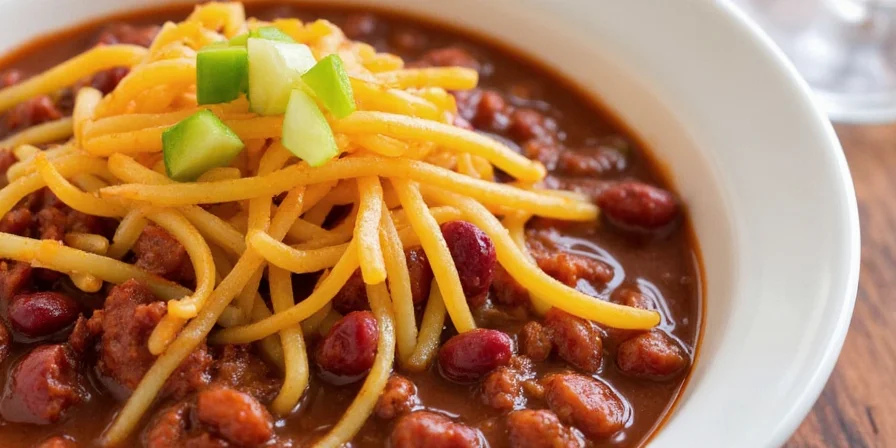
- Garnish with flair: Fresh cilantro, lime wedges, avocado, or pickled jalapeños can really make a bowl pop.
Conclusion
There you have it—your ultimate guide to elevating your spicy slow cooker chili with Innovative Spice Pairings. Whether you're hosting a game night, preparing for a cozy evening in, or just craving something warm and exciting, these combos will keep your chili game strong.
So go ahead—experiment, play, and most importantly, have fun with it. After all, cooking is all about discovery… and occasionally burning a pot when you forget it’s on. (Don’t worry, we’ve all been there.)




 浙公网安备
33010002000092号
浙公网安备
33010002000092号 浙B2-20120091-4