
Cheesy Chemistry: 7 Surprising Spice Pairings That Will Make Your Cheese Groan with Delight!
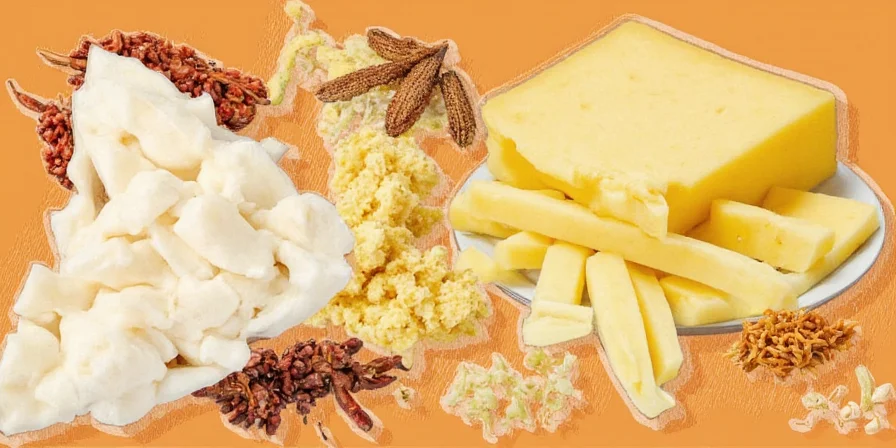
When it comes to pairing cheese and spices, most of us stick to the classics — cracked black pepper on Parmesan, paprika on cheddar… yawn. But what if we told you that your next cheese board could be more like a flavor explosion in a lab coat? Welcome to the world of Innovative Spice Pairings, where cheese meets spice in ways you never thought possible.
Table of Contents
- Why Cheese and Spices Are BFFs
- Top 7 Spice & Cheese Combos You Need to Try
- How to Build a Flavor-Fueled Cheese Board
- Pro Tips for Playing with Fire (and Cheese)
- Visual Comparison Table
- Final Thoughts
Why Cheese and Spices Are BFFs
Cheese is like a sponge for flavor. Whether it’s soft and creamy or hard and aged, it has the texture and fat content to carry complex spices beautifully. Think of it this way: cheese is the canvas, and spices are the paint. Together, they create edible masterpieces.
But not all pairings work equally well. It's a bit like chemistry — some reactions are explosive (in a good way!), while others just fizz out. So how do you know which spices will complement your fromage?
Top 7 Spice & Cheese Combos You Need to Try
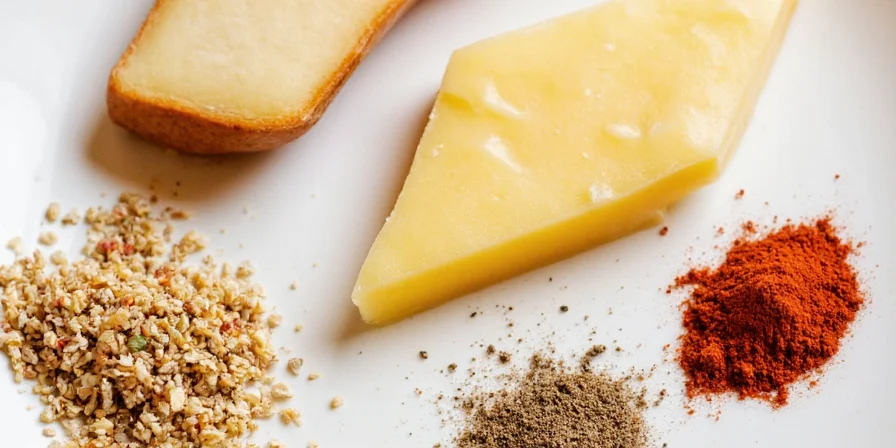
Here’s our list of the top 7 spice-and-cheese duos that are sure to make your taste buds throw a party:
- Saffron + Fresh Goat Cheese: The floral notes of saffron balance the tanginess of goat cheese perfectly. Add a sprinkle before serving and watch the magic unfold.
- Sumac + Feta: This Middle Eastern spice adds a bright, lemony zing to crumbly feta. Perfect on salads or mezze boards.
- Smoked Paprika + Gouda: Smoky, earthy gouda meets smoky paprika — it’s like a campfire romance for your mouth.
- Nutmeg + Brie: A tiny grating of nutmeg transforms rich brie into something decadently autumnal. Serve with honey for extra wow factor.
- Pickling Spice + Havarti: Slightly spicy and herbal, pickling spice gives mild Havarti an unexpected kick. Great for sandwiches.
- Cardamom + Ricotta: Especially delicious in desserts or stuffed pastries, cardamom brings warmth and depth to ricotta.
- Chili Flakes + Blue Cheese: For the brave at heart — chili flakes amp up the boldness of blue cheese without overpowering it.
How to Build a Flavor-Fueled Cheese Board
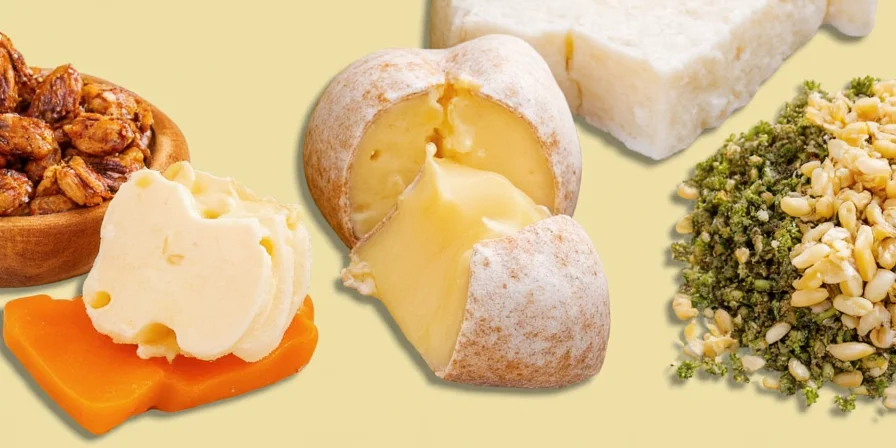
If you're hosting a dinner party or just want to elevate your snack game, here’s how to create a spice-infused cheese board that impresses without breaking a sweat:
- Pick Your Cheeses: Go for variety — soft, semi-soft, hard, and blue. Aim for 3–5 types depending on crowd size.
- Select Your Spices: Choose one spice per cheese to avoid flavor overload. Consider color contrast for visual appeal.
- Add Complementary Accents: Honey drizzle, fig jam, olives, and nuts can enhance the spice experience.
- Garnish Smartly: Use fresh herbs or edible flowers to add finesse.
- Serve with Bread or Crackers: Neutral carriers help highlight the flavors without distraction.
Pro Tips for Playing with Fire (and Cheese)
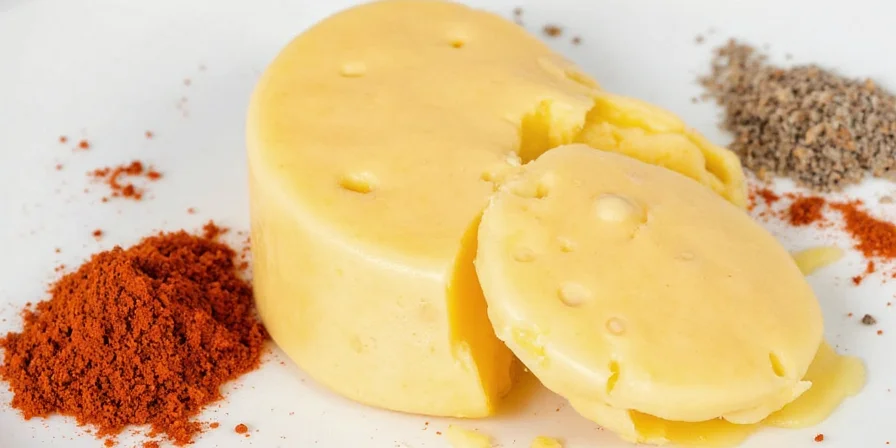
- Start small: When adding spices to cheese, remember — you can always add more, but you can’t take it away once it’s mixed in.
- Use quality spices: Fresh, high-quality spices make a huge difference. Avoid anything dusty or sitting in your pantry since the Reagan era.
- Balance is key: If you’re using strongly spiced cheese, balance it with milder varieties and vice versa.
- Temperature matters: Soft cheeses like brie or chevre should be brought to room temperature before serving for optimal spice absorption.
- Pair with wine or beer: A bold red pairs well with smoked paprika and gouda, while a crisp white enhances saffron and goat cheese combos.
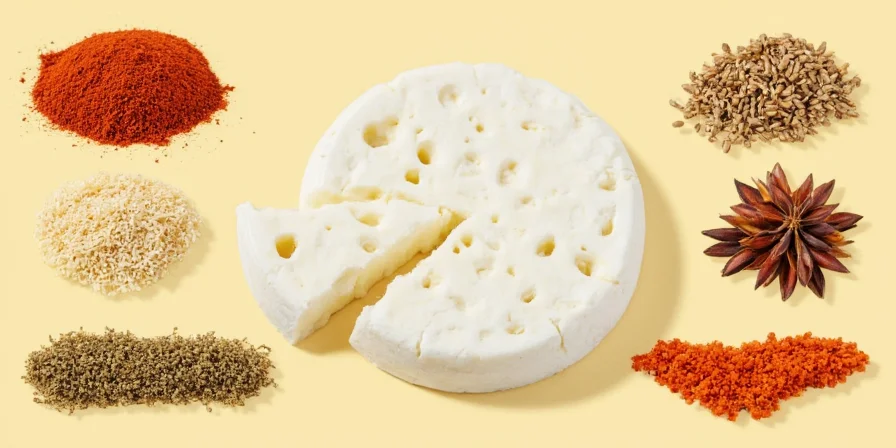
Visual Comparison Table
| Cheese | Spice | Flavor Profile | Best Served With | Difficulty Level |
|---|---|---|---|---|
| Goat Cheese | Saffron | Earthy, Floral, Tangy | Honey, Crostini | Easy |
| Feta | Sumac | Tangy, Citrusy | Olive Oil, Flatbread | Easy |
| Gouda | Smoked Paprika | Smoky, Rich | Nuts, Charcuterie | Medium |
| Brie | Nutmeg | Warm, Creamy | Fruit, Jam | Easy |
| Havarti | Pickling Spice | Herbal, Slightly Spicy | Apple Slices, Baguette | Hard |
| Ricotta | Cardamom | Exotic, Sweet-Aromatic | Stuffed Pasta, Fruit | Medium |
| Blue Cheese | Chili Flakes | Bold, Sharp, Spicy | Pears, Honey, Crackers | Medium-Hard |
Final Thoughts
So, the next time you’re staring at a block of cheese in your fridge, don’t just reach for the usual suspects. Dare to experiment! With a little spice knowledge under your belt, you can transform humble dairy into a gourmet experience that’s equal parts science and sass.
Remember, great cheese doesn’t have to be boring — sometimes it just needs a little kick to bring out its full potential. Now go forth and season responsibly!




 浙公网安备
33010002000092号
浙公网安备
33010002000092号 浙B2-20120091-4