
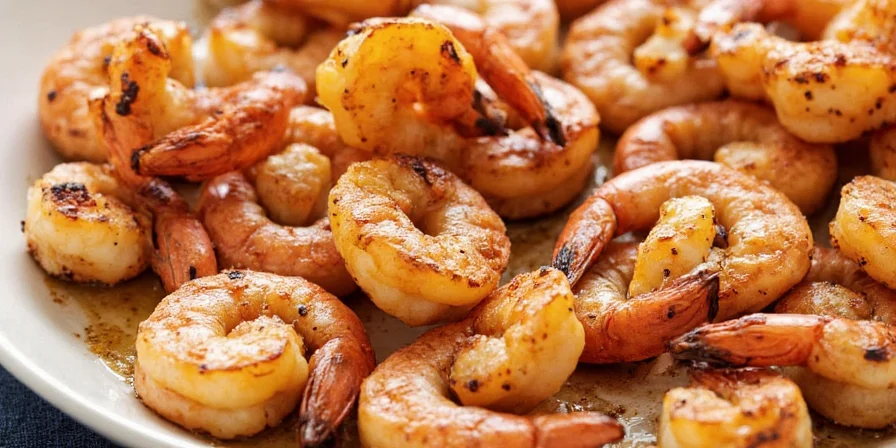
Spice Up Your Grills: 10 Unexpected Seasonings That Make Grilled Shrimp Irresistible
If you thought grilled shrimp was already perfect, wait until you meet its new best friends: spices! Whether you’re a backyard grilling pro or a curious home cook with tongs in hand, this article is your golden ticket to flavor town. We’re talking about Innovative Spice Pairings that will make your taste buds do the shrimp dance of joy. Let’s dive into the saucy (or rather, spicy) world of best seasoning for grilled shrimp.
Table of Contents
- Why Spices Matter When Grilling Shrimp
- Top 10 Game-Changing Spice Combos for Grilled Shrimp
- How to Apply Seasoning Like a Pro
- Bonus Tips for Perfectly Grilled Shrimp Every Time
- Common Mistakes to Avoid
- Conclusion
Why Spices Matter When Grilling Shrimp
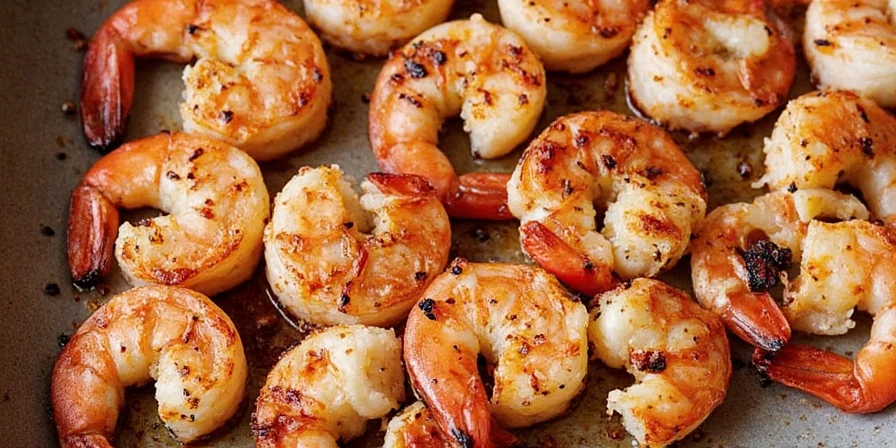
Shrimp are like tiny sponges of flavor—they soak up whatever they come into contact with. That’s why choosing the right spice blend can be the difference between “meh” and “more please!”
But here's the thing: not all spices play well with shrimp. Some get lost in the heat, others overpower the delicate sweetness, and a few just flat-out argue with seafood. So how do you find the perfect match? Don’t worry—we’ve done the hard part for you.
The Science Behind Flavor Fusion
When you grill shrimp, the Maillard reaction kicks in—that delicious browning process that adds depth and complexity. Spices interact with this process to either enhance or mute the overall flavor profile. The key is balance. Think of it as pairing wine with food, but instead, it’s paprika with protein.
Top 10 Game-Changing Spice Combos for Grilled Shrimp
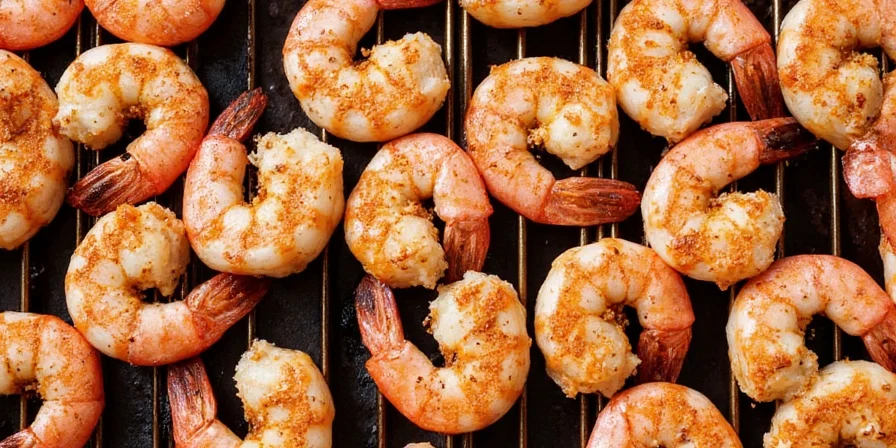
We’ve rounded up 10 of the most innovative and drool-worthy spice pairings that will take your grilled shrimp from basic to brilliant. These blends aren't just about heat—they're about harmony, contrast, and a little culinary magic.
| # | Spice Combo | Flavor Profile | Why It Works |
|---|---|---|---|
| 1 | Paprika + Garlic + Lemon Zest | Smoky, savory, citrusy | Adds depth without overwhelming the natural sweetness of shrimp |
| 2 | Chili Powder + Cumin + Lime | Earthy, spicy, zesty | Brings a Southwestern kick that pairs perfectly with corn and avocado salsa |
| 3 | Cajun Blend + Butter | Spicy, buttery, robust | For those who like a bit of heat with creamy richness |
| 4 | Lemongrass + Thai Basil + Bird’s Eye Chili | Fragrant, fresh, fiery | Instant trip to Thailand—light yet explosive flavors |
| 5 | Cumin + Coriander + Sumac | Warm, tangy, exotic | Middle Eastern vibes with a burst of acidity |
| 6 | Sriracha + Honey + Sesame | Sweet, spicy, nutty | A sweet-and-savory glaze that caramelizes beautifully |
| 7 | Old Bay + Garlic Butter | Herby, salty, buttery | A classic American twist with coastal charm |
| 8 | Ras El Hanout + Orange Zest | Spiced, floral, fruity | Complex North African blend with a refreshing lift |
| 9 | Gochujang + Brown Sugar + Rice Vinegar | Umami, sweet, tart | Korean-inspired fusion with sticky, addictive texture |
| 10 | Italian Herb Mix + Parmesan | Earthy, cheesy, herbal | Perfect for pasta pairings or white wine sauces |
How to Apply Seasoning Like a Pro
You’ve got the spices. Now it’s time to apply them like a seasoned chef (pun intended). Here’s how to maximize flavor absorption and ensure every bite shines:
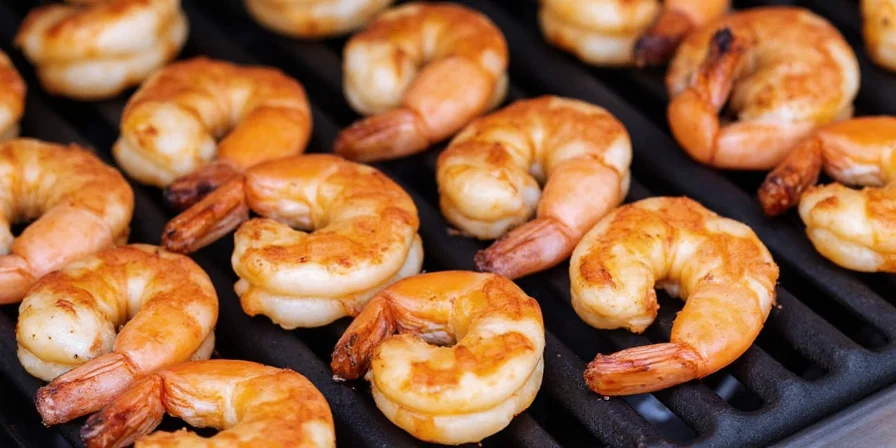
- Dry Rubs: Use coarse-ground spices and rub them into the shrimp 10–15 minutes before grilling. This gives the spices time to adhere and infuse flavor.
- Marinades: Combine spices with oil, acid (like lemon juice or vinegar), and aromatics. Let shrimp marinate for 30 minutes to 2 hours in the fridge. Longer than that? You risk “cooking” the shrimp due to acidic ingredients!
- Oil First: Toss shrimp in a light coat of oil before applying dry spices. This helps them stick better and prevents sticking on the grill.
- Layered Flavors: Apply half the seasoning before grilling and sprinkle the rest immediately after cooking for a fresher finish.
Bonus Tips for Perfectly Grilled Shrimp Every Time
Seasoning is one thing—but technique is another. Follow these expert tips to avoid rubbery disappointment and guarantee juicy perfection:
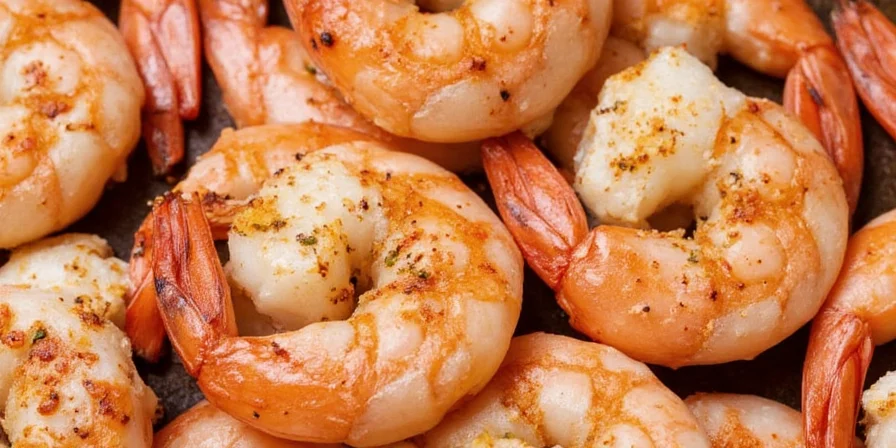
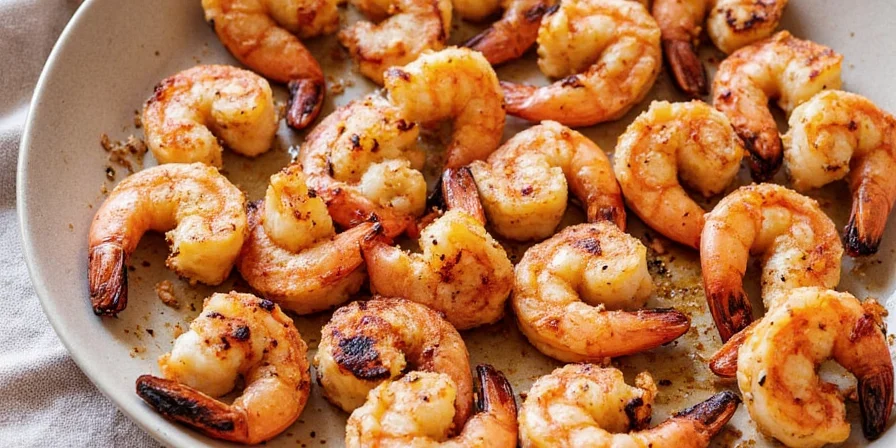
- Don’t Overcook: Shrimp cook fast—about 2–3 minutes per side. Once they turn pink and curl into a loose “C,” they’re done. A tight “O” means overdone.
- Skewer Smart: Thread shrimp lengthwise through the tail and body to prevent them from spinning on the grill. This makes flipping easier and ensures even charring.
- Rest for a Moment: Let the shrimp rest for 2–3 minutes after grilling. This allows juices to redistribute so you don’t lose flavor with every bite.
- Use a Grill Basket: If you’re worried about small shrimp slipping through, use a perforated grill basket to keep everything contained while still getting those beautiful grill marks.
- Preheat Your Grill: Always preheat the grill to high heat before adding shrimp. This ensures a good sear and reduces sticking.
Common Mistakes to Avoid
Even pros slip up sometimes. Here are the most common seasoning and grilling blunders—and how to dodge them like a flavor ninja:
- Mistake #1: Using Too Much Salt – Salt draws out moisture. Sprinkle sparingly, especially if your spice mix already contains salt (many commercial blends do).
- Mistake #2: Seasoning After Cooking – While a post-grill sprinkle can add brightness, relying solely on this method leads to bland results. Build layers of flavor.
- Mistake #3: Not Drying the Shrimp – Wet shrimp = poor sear. Pat them dry with paper towels before seasoning and grilling.
- Mistake #4: Over-Marinating – Acidic marinades (lemon, lime, vinegar) can denature proteins and make shrimp mushy if left too long.
- Mistake #5: Ignoring the Power of Fresh Herbs – Chopped cilantro, basil, or parsley sprinkled on top after grilling can elevate the dish from good to gourmet in seconds.
Conclusion
Choosing the best seasoning for grilled shrimp isn’t just about slapping on some random spices—it’s an art form. With the right combinations, you can transform a humble crustacean into a flavor-packed masterpiece that’ll have everyone asking for seconds.
From smoky paprika to spicy gochujang, there’s no shortage of exciting options. Remember: balance is key, application matters, and practice makes perfect. So fire up that grill, grab your favorite spice jar, and let your creativity run wild.
And hey, if things don’t work out the first time…just call it a “fusion experiment.” Because when it comes to Innovative Spice Pairings, the only real rule is to have fun!
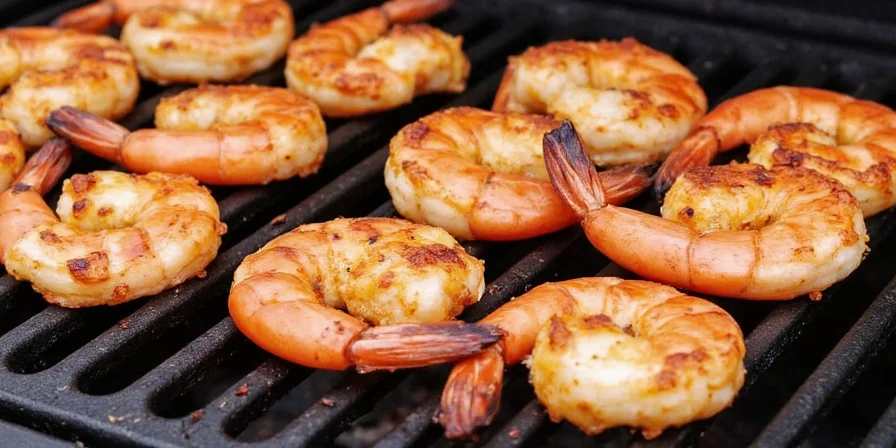
By mastering the art of spice pairing, you’re not just grilling shrimp—you’re crafting experiences. Stay spicy, stay curious, and keep turning up the flavor heat!




 浙公网安备
33010002000092号
浙公网安备
33010002000092号 浙B2-20120091-4