

Pork & Spice: A Love Story – 10 Unexpected Pairings That Will Blow Your Mind!
Are you tired of the same old salt and pepper combo when seasoning your pork? Are you secretly dreaming of spicing up your meat game like a culinary rockstar? Well, grab your apron and let’s dive into a world where pork meets spice in ways that’ll make your taste buds throw a party.
Table of Contents
- Introduction
- The Classics: Why They Work
- Top 10 Innovative Spices to Try With Pork
- Spice Pairing Guide for Different Pork Cuts
- Pro Tips: How to Use These Spices Like a Boss
- Conclusion
A Flavorful Beginning
Let’s get one thing straight—pork is versatile. Whether it's a juicy ribeye chop, a slow-braised shoulder, or crispy belly slices dancing in soy sauce, pork deserves more than just a sprinkle of cumin from your college dorm days.
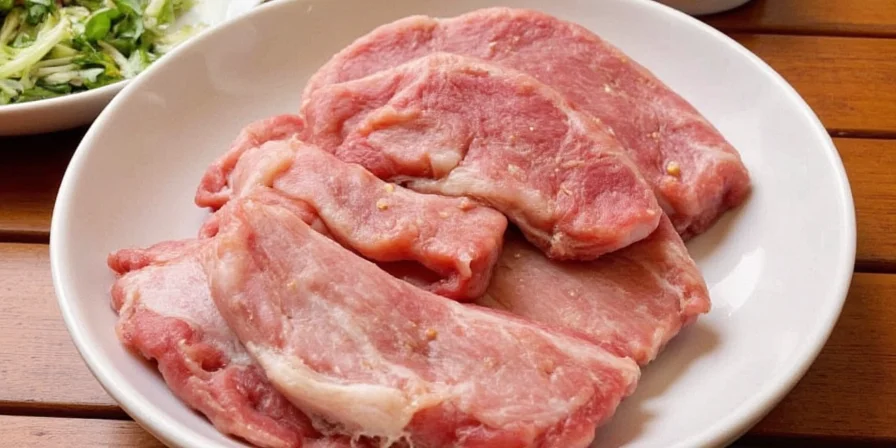
In this article, we’re not just going over the usual suspects (we’re looking at you, garlic powder). We’re talking innovative spice pairings—those daring duos and trios that will elevate your pork dishes from “meh” to “Oh my pork!”
The Classics: Why They Work
Before we start mixing saffron with bacon (yes, we’re going there), let’s take a moment to appreciate the tried-and-true spice blends that have stood the test of time:
| Classic Spice | Why It Works |
|---|---|
| Garlic Powder | Brings warmth and umami, enhancing the savory nature of pork. |
| Black Pepper | Adds bite and complexity, especially great on seared cuts. |
| Cumin | Lends earthy depth; perfect for carnitas or curry-based dishes. |
| Rosemary | Aromatic and piney, ideal for roasted pork or leg of lamb. |
These classics are like your reliable friends—they’ll never steer you wrong. But what if you want to break free from the mundane and explore new flavor frontiers?

Top 10 Innovative Spices to Try With Pork
Buckle up, spice adventurers! Here come ten bold, beautiful, and slightly rebellious spice pairings that will turn your pork experience upside down.
- Turmeric + Coconut Sugar: Sweet, earthy, and golden. Perfect for glazing pork belly or making Thai-inspired curries.
- Szechuan Peppercorns + Lime Zest: Tingling heat meets citrus brightness. Ideal for grilled ribs or stir-fried pork belly.
- Fennel Seeds + Smoked Paprika: Anise notes meet smoky depth. Great on pulled pork or porchetta-style roasts.
- Cinnamon + Star Anise: Warm, fragrant, and almost dessert-like. Use in braised pork or mole-inspired sauces.
- Sumac + Za’atar: Tangy and herbal. Sprinkle over grilled pork skewers or shawarma-style slices.
- Cardamom + Orange Peel: Exotic and citrus-forward. Adds depth to pork belly braise or sweet glazes.
- Nutmeg + Maple Sugar: Cozy and sweetly spiced. Try on roasted ham or slow-cooked pork butt.
- Chili Flakes + Tamarind: Heat and sour dance together. Perfect for sticky pork ribs or spicy pork tacos.
- Mustard Seeds + Coriander: Nutty and aromatic. Use in marinades or rubs for roasted or grilled pork.
- Saffron + Vanilla Bean: Luxurious and unexpected. Yes, really. Works wonders on rich pork belly or creamy cassoulet.

Spice Pairing Guide for Different Pork Cuts
Not all pork cuts are created equal. Each has its own fat content, texture, and personality. Here’s a handy cheat sheet to match the right spice blend to the right cut:
| Pork Cut | Best Spice Pairings | Why It Works |
|---|---|---|
| Pork Chop | Black Pepper + Rosemary | Savory and fresh, enhances natural juiciness. |
| Pork Belly | Turmeric + Coconut Sugar | The caramelized sweetness balances fatty richness. |
| Pork Shoulder | Cumin + Chili Flakes | Deep, bold flavors complement long-cooked tenderness. |
| Rib Rack | Szechuan Peppercorns + Lime | Tingly heat lifts the fattiness of ribs. |
| Ham | Nutmeg + Maple Sugar | Sweet and cozy, enhances salty-sweet balance. |

Pro Tips: How to Use These Spices Like a Boss
Now that you’ve got the list, here are some insider tips to maximize your pork and spice potential:
- Dry Rubs Rule: For maximum crust and flavor penetration, mix your spices with oil or mustard base and let the pork marinate for at least an hour—or overnight for deeper flavor.
- Toasting Spices: Toast whole spices like fennel seeds or coriander before grinding to unlock more aroma. Add them to warm oil or roast in a dry pan for 30 seconds.
- Balancing Act: If using sweet spices like cinnamon or maple sugar, balance with acidic elements like lime juice or vinegar to prevent cloyingness.
- Layer Flavors: Don’t just sprinkle—build layers. Start with a spice rub, finish with a dusting of finishing spice like smoked paprika or za’atar after cooking.
- Think Global: Explore regional cuisines. Korean bulgogi uses sesame and garlic—why not apply that to a pork stir-fry? Indian tikka masala spices can transform a humble pork kebab.

Final Thoughts: Spice Up Your Pork Life
Gone are the days of bland pork. You now have a treasure map of flavors to explore—from the sultry warmth of cardamom to the zesty kick of Szechuan peppercorns. Whether you're grilling on a weeknight or hosting a weekend feast, there’s no excuse not to play with your food.

So go ahead, be adventurous. Mix turmeric with coconut sugar. Glaze that belly. Rub rosemary into a chop like you mean it. The world of pork and spice awaits—and trust me, your dinner guests will thank you.
Happy cooking, fellow spice explorers!




 浙公网安备
33010002000092号
浙公网安备
33010002000092号 浙B2-20120091-4