
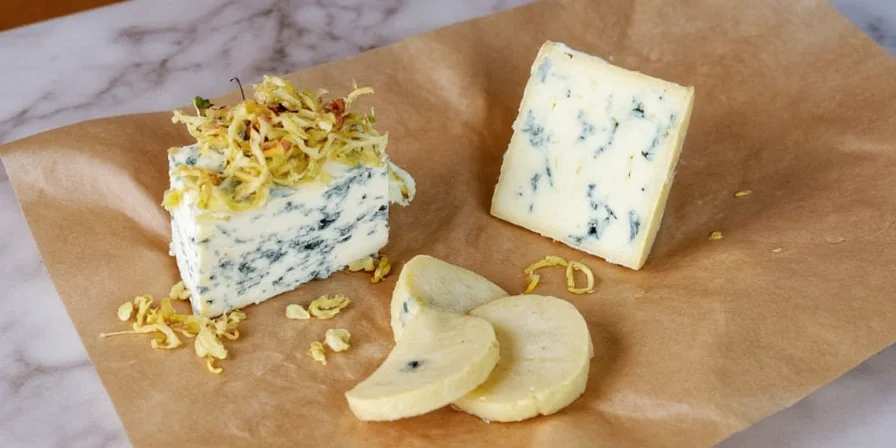
Blue Cheese and Its BFFs: Unexpected Cheese Pairings That Will Blow Your Mind
When it comes to cheese, blue cheese is like the edgy cousin at a family gathering — strong-willed, complex, and impossible to ignore. Known for its bold flavor and distinctive veining, blue cheese isn't exactly shy about making its presence known. But here's the twist: blue cheese doesn't have to be a solo act. In fact, when paired correctly with other cheeses (and yes, even spices!), it can create some of the most unforgettable flavor combinations you've ever tasted.
In this article, we're diving deep into the world of cheese pairings that work surprisingly well with blue cheese. From creamy classics to tangy standouts, you'll learn how to build flavor profiles that impress both your taste buds and your dinner guests. Plus, we’ll throw in a few spice-inspired twists because, well… why not?
Table of Contents
- The Blue Cheese Breakdown
- Why These Cheeses Work So Well with Blue Cheese
- Top 7 Cheeses That Go Amazingly with Blue Cheese
- Spice It Up: Innovative Spice Pairings for Cheese Boards
- Cheese & Spice Pairing Table
- Pro Tips for Hosting the Ultimate Cheese Board Night
- Final Thoughts
The Blue Cheese Breakdown
Before we dive into pairings, let’s talk about what makes blue cheese so unique. Made using cultures of the mold Penicillium, blue cheese has those signature blue or green veins running through it. This mold not only gives the cheese its striking appearance but also contributes to its powerful aroma and sharp, salty flavor profile.
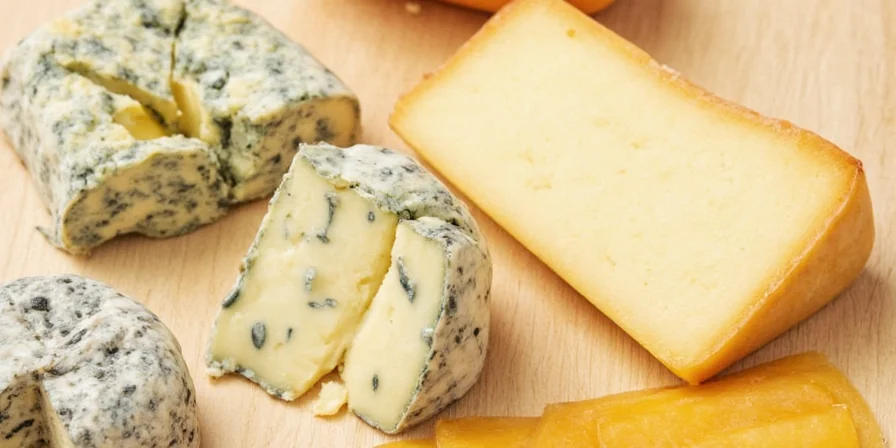
Popular varieties include Roquefort (made from sheep’s milk), Gorgonzola (from Italy), and Stilton (the British classic). Each brings something different to the table — which means the right pairing can either complement or contrast beautifully with blue cheese's intense personality.
Why These Cheeses Work So Well with Blue Cheese
Pairing blue cheese with another cheese might seem counterintuitive — after all, isn’t one bold cheese enough? But when done right, combining blue cheese with a supporting cast can elevate the entire tasting experience. Here’s how it works:
- Balancing flavors: Milder cheeses help mellow out blue cheese’s intensity, while sharper ones add depth and contrast.
- Textural harmony: Creamy textures balance crumbly blues, while harder cheeses provide crunch and complexity.
- Aroma layering: Different cheese aromas can blend into something truly unique — almost like composing a scent symphony.
Top 7 Cheeses That Go Amazingly with Blue Cheese
Ready to upgrade your cheese board game? Here are seven fantastic cheeses that pair surprisingly well with blue cheese, along with tips on why they work so well together:
- Brie – The Creamy Counterpart
Brie is like the smooth-talking diplomat of the cheese world. When placed next to a bold blue cheese like Roquefort, Brie acts as a creamy buffer, softening the blow of blue cheese’s assertive character. Think of it like adding a little butter to hot sauce — it tames the heat without killing the flavor.
- Goat Cheese – Tangy Meets Funky
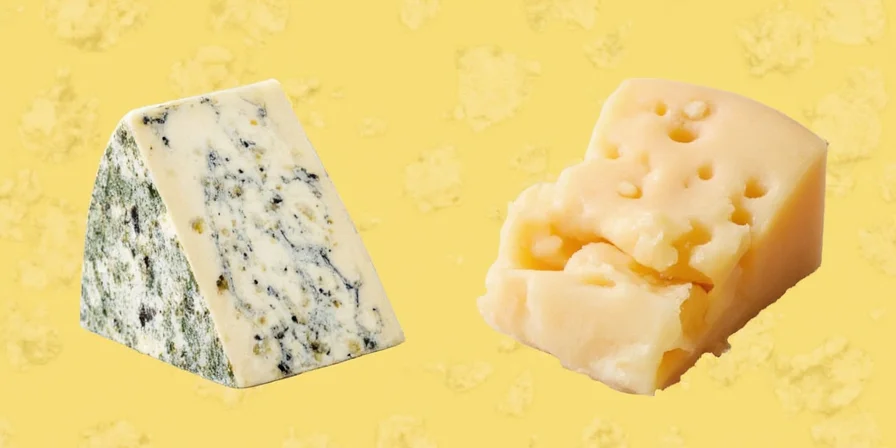
Goat cheese brings a zesty tang that contrasts beautifully with blue cheese’s earthy funk. Together, they create a savory duo that’s both rich and refreshing — perfect for those who enjoy a bit of acidity in their cheese experience.
- Gouda – Sweet, Smoky, and Subtle
Matured Gouda has a slight sweetness and nutty finish that complements blue cheese’s saltiness. Aged Gouda, in particular, adds a caramel-like richness that makes for a luxurious mouthfeel.
- Cheddar – Sharpness Meets Boldness
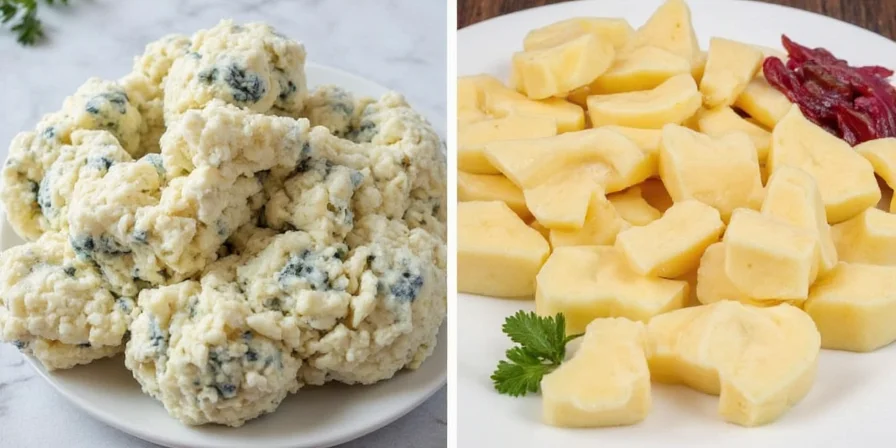
If you love strong cheeses, try sharp cheddar alongside a mild blue cheese. The two play off each other like rival chefs teaming up — they challenge each other but end up creating something delicious.
- Feta – Salty Sensation
Feta is another briny powerhouse. While not as strong as blue cheese, its saltiness enhances blue cheese’s natural savoriness, creating a salty dance party in your mouth.
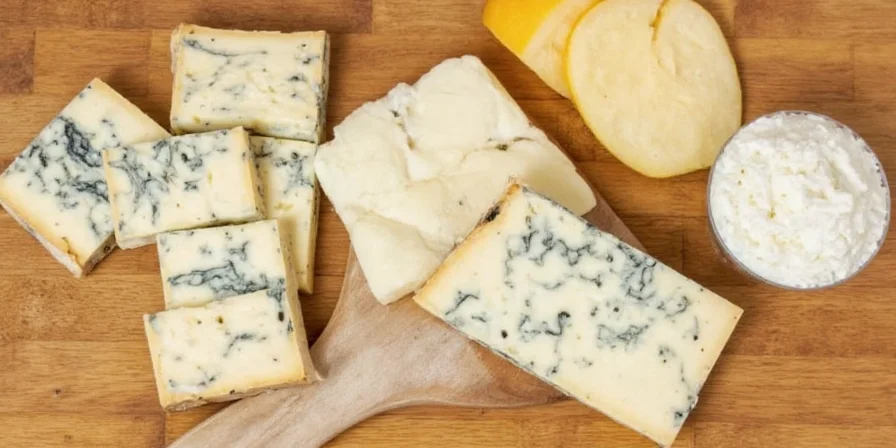
- Parmigiano Reggiano – Crunchy Umami Bomb
This hard Italian cheese offers a granular texture and concentrated umami that pairs brilliantly with soft, crumbly blue cheese. Sprinkle a few shards over your blue cheese and prepare for flavor fireworks.
- Raclette – Melted Magic
Known for its gooey, melty texture, raclette balances blue cheese’s crumble with its stretchy goodness. Try melting a slice over a wedge of blue cheese for an indulgent snack that’s both rich and comforting.
Spice It Up: Innovative Spice Pairings for Cheese Boards
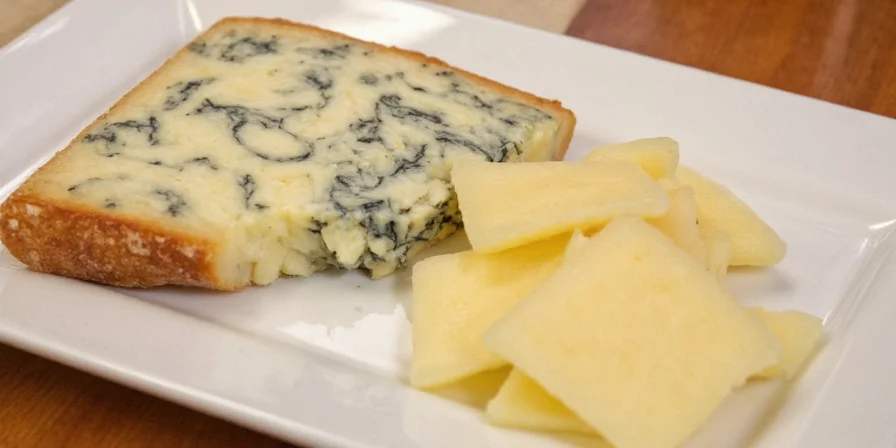
Cheese alone is great, but when combined with the right spices, it becomes unforgettable. Spices add depth, warmth, and sometimes even a little heat — transforming your average charcuterie spread into a flavor adventure.
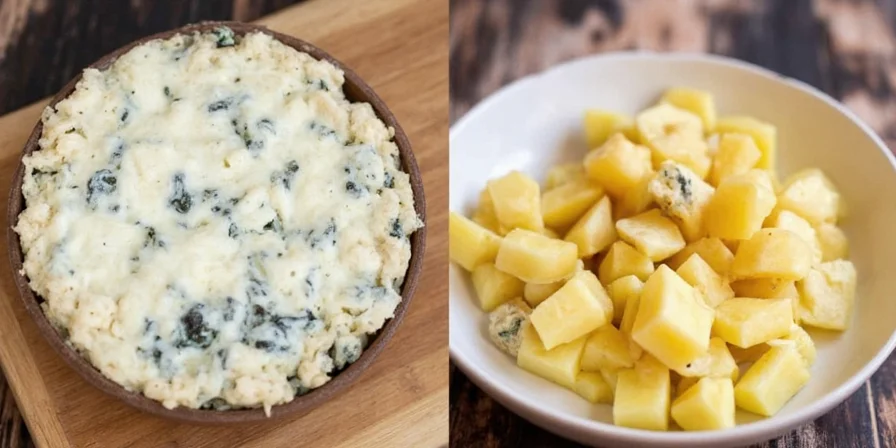
Here are a few innovative spice pairings that bring out the best in blue cheese and its companions:
- Cracked Black Pepper – Enhances blue cheese’s bite without overpowering it.
- Smoked Paprika – Adds a subtle smokiness that complements aged Gouda and sharp Cheddar.
- Nutmeg – Surprisingly good on Brie and blue cheese blends — think of it as the secret weapon in your spice arsenal.
- Coriander Seeds – Toasted and lightly crushed, coriander seeds offer citrusy notes that brighten heavier cheeses.
- Saffron Threads – For the ultimate luxury pairing. Infuse saffron in warm cream or olive oil and drizzle over blue cheese for a royal touch.
Cheese & Spice Pairing Table
| Cheese | Flavor Profile | Best Spice Pairing | Reason |
|---|---|---|---|
| Brie | Creamy, Mild | Nutmeg | Adds warmth and subtle spice to balance richness |
| Goat Cheese | Tangy, Earthy | Cracked Black Pepper | Enhances tanginess and adds heat |
| Gouda | Sweet, Nutty | Smoked Paprika | Complements smoky depth in aged versions |
| Cheddar | Sharp, Robust | Cumin | Amplifies boldness and adds exotic flair |
| Feta | Salty, Crumbly | Oregano | Brings Greek vibes and herbal brightness |
| Parmigiano Reggiano | Umami, Salty | Sumac | Provides tartness that cuts through richness |
| Raclette | Melty, Buttery | Thyme | Herbaceous notes enhance melted texture |
Pro Tips for Hosting the Ultimate Cheese Board Night
Now that you’ve got the perfect pairings, here are a few pro-level hacks to make your cheese night unforgettable:
- Room temperature matters: Always serve cheese at room temperature. Cold cheese numbs the palate — not ideal when you’re trying to highlight complex flavors.
- Variety is key: Include cheeses of varying textures and intensities. Aim for 3–5 different types per board.
- Dips and drizzles: Honey, fig jam, and spiced oils add extra layers of flavor and visual appeal.
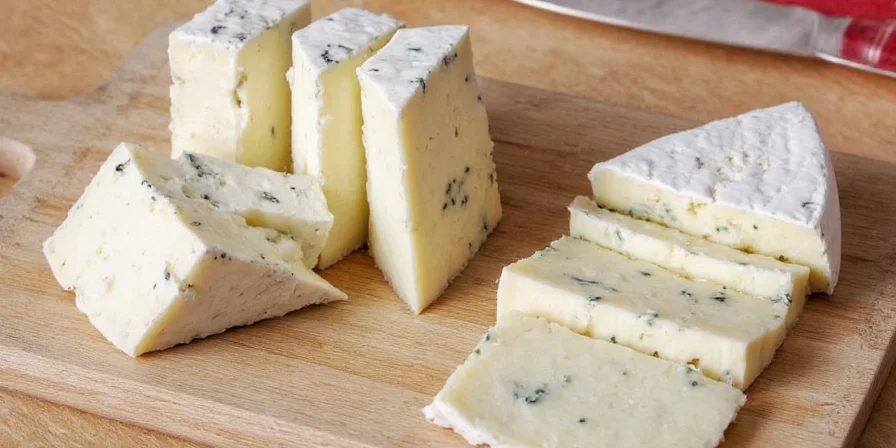
- Cut them differently: Alternate slicing styles — cubes, wedges, shavings — to make your board visually interesting.
- Don’t forget bread and crackers: Choose neutral carriers that won’t overpower your cheeses. Sourdough, baguette slices, and water crackers are safe bets.
Final Thoughts
Blue cheese may be a flavor powerhouse, but it shines brightest when shared the spotlight. Whether you’re mixing it with Brie for creaminess, Gouda for sweetness, or Parmigiano for umami, the right cheese pairing can turn a simple snack into a full sensory experience.
And don’t be afraid to get creative — whether it’s by adding spices, experimenting with textures, or playing around with presentation, there’s no wrong way to enjoy cheese if you’re having fun doing it.
So grab a bottle of wine, assemble your favorite cheeses, and let blue cheese take center stage — with a little help from its new cheese friends, of course.




 浙公网安备
33010002000092号
浙公网安备
33010002000092号 浙B2-20120091-4