
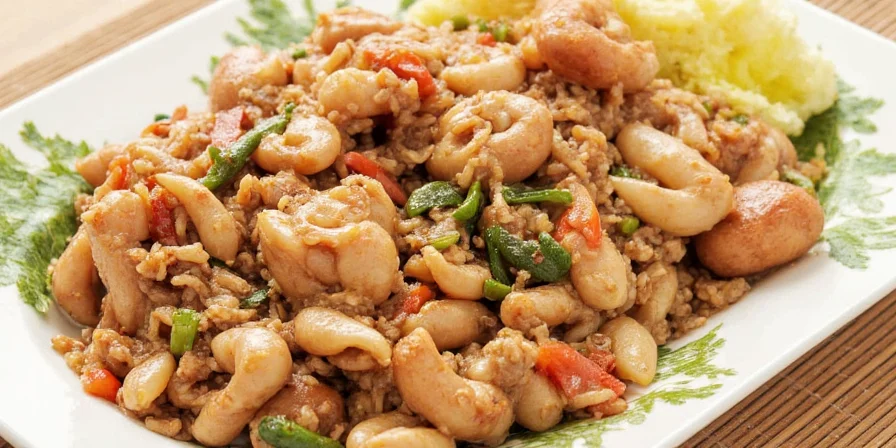
Smoky, Sticky & Spicy: 7 Innovative Spice Pairings for Baked Ribs at 250°F
Table of Contents
- Introduction: Why Temperature Matters
- Tips for Perfectly Baked Ribs at 250°F
- The Spice Breakdown: Unexpected Flavor Combos
- Spice Pairing Comparison Table
- Pro Tips from the Pitmasters
- Conclusion: Let Your Taste Buds Dance
Introduction: Why Temperature Matters
When you bake ribs at 250°F (121°C), you're entering the magical zone between slow smoking and oven cooking. It’s hot enough to render fat and break down collagen quickly but cool enough to infuse flavor without turning your meat into shoe leather.
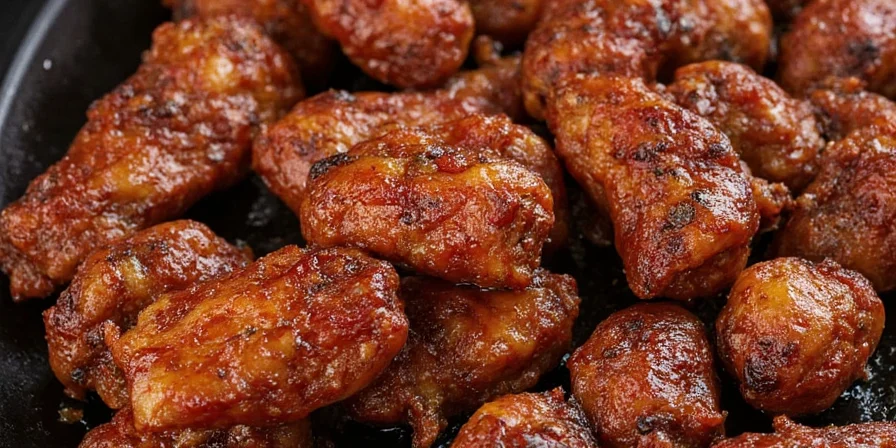
Ribs baking slowly at 250°F – perfect for spice infusion.
Tips for Perfectly Baked Ribs at 250°F
- Trim excess fat for better bark formation
- Use a water pan to maintain moisture
- Wrap in foil after 2–3 hours to speed up tenderness
- Apply spice rubs at least 2 hours before cooking
The Spice Breakdown: Unexpected Flavor Combos
Cajun Meets Caribbean
This blend is fire with a twist! Mix:
- Smoked paprika
- Jerk seasoning
- Garlic powder
- A pinch of cayenne
Result? A smoky-sweet-spicy punch that’ll make your guests rethink what BBQ even means.
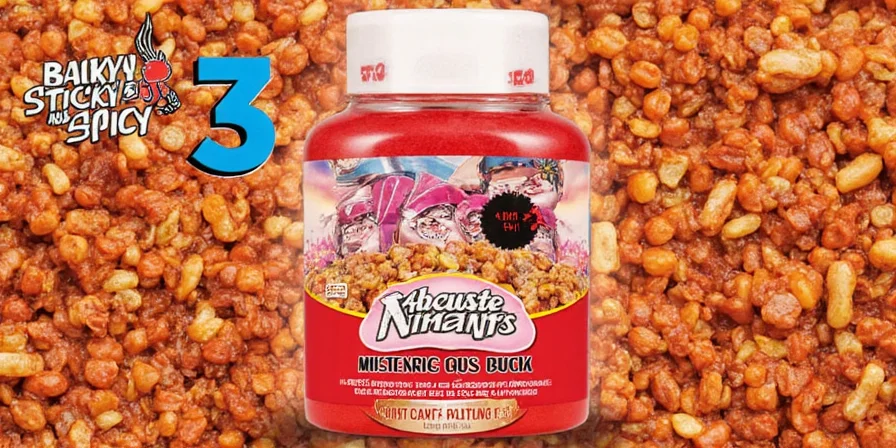
Cajun meets Caribbean — bold, spicy, and tropical.
Asian Fusion Smoke
Think teriyaki vibes with a barbecue twist. Combine:
- Brown sugar
- Sesame oil
- Five-spice powder
- Chili flakes
Brush with hoisin sauce halfway through baking for extra glaze magic.
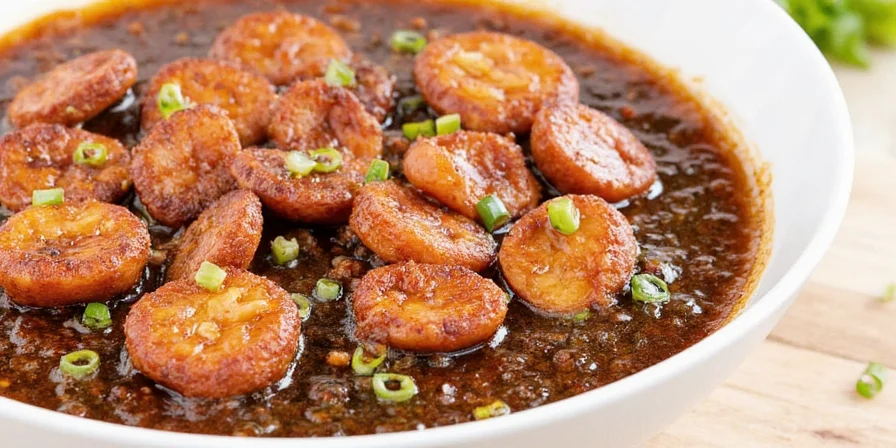
East-meets-South ribs with five-spice power.
Mediterranean Magic
Ditch the tomato-based sauces for this one. Try:
- Dried oregano
- Crushed fennel seeds
- Garlic powder
- Lemon zest
Top with tzatziki or lemon tahini drizzle for an unforgettable twist.

Fennel and lemon zest create a clean, bright rib flavor.
Mole-Inspired Mystery
Dark chocolate + chili = genius. Make your mole-inspired rub with:
- Ground cinnamon
- Ancho chili powder
- Cocoa powder
- Smoked cumin
It sounds wild, but it works like charm on slow-baked ribs.
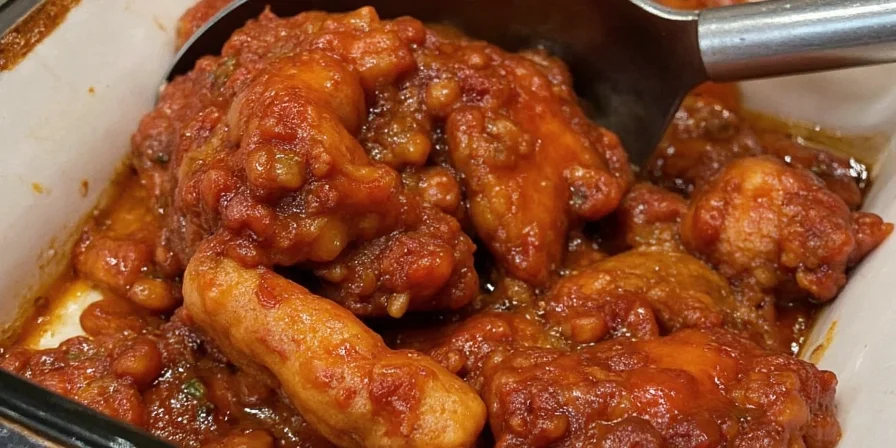
Chocolate and chili combine for rich, complex flavor.
Hawaiian Heatwave
Pineapple isn’t the only way to go Hawaiian. This combo brings the islands to your oven:
- Turmeric
- Coconut sugar
- Korean chili flakes (gochugaru)
- Toasted coconut flakes
Finish with grilled pineapple slices for presentation flair.
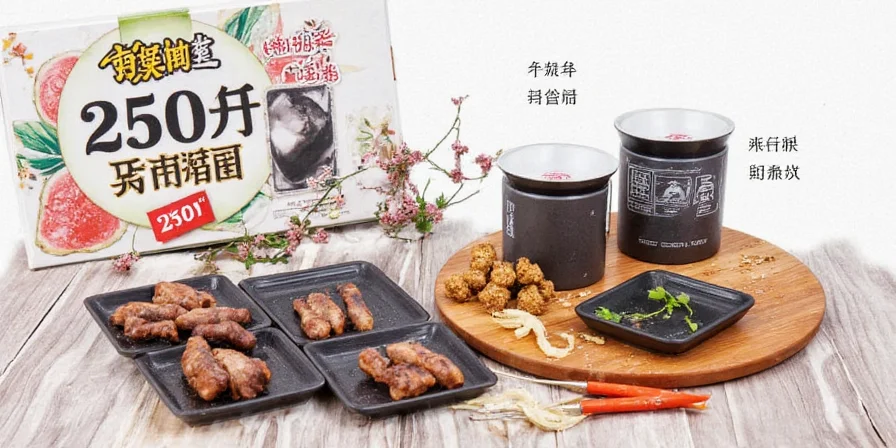
Turmeric, coconut, and chili — island vibes on your plate.
Spice Pairing Comparison Table
| Flavor Profile | Main Ingredients | Best For | Heat Level |
|---|---|---|---|
| Cajun-Caribbean | Smoked paprika, jerk seasoning, garlic, cayenne | Outdoor summer grilling, spicy lovers | 🔥🔥🔥 |
| Asian Fusion | Brown sugar, sesame oil, five-spice, chili | Indoor baking, unique glaze fans | 🔥🔥 |
| Mediterranean | Oregano, fennel, garlic, lemon zest | Clean eaters, lighter fare | 🌶️ |
| Mole-Inspired | Cinnamon, ancho chili, cocoa, cumin | Rich, deep flavors, date nights | 🔥🔥 |
| Hawaiian Heatwave | Turmeric, coconut sugar, gochugaru, coconut | Tropical themes, sweet heat fans | 🔥🔥 |
Pro Tips from the Pitmasters
- The Layer Rule: Apply a dry rub first, then a paste layer (like mustard or honey), followed by a wet glaze near the end.
- Time to Rest: Let your ribs rest for 10–15 minutes before slicing to lock in juices.
- Test Run: Try a small batch of your spice mix on chicken wings first if unsure.
- Smoke Chips Optional: Add soaked wood chips in a smoker box for that campfire vibe, even in your oven.
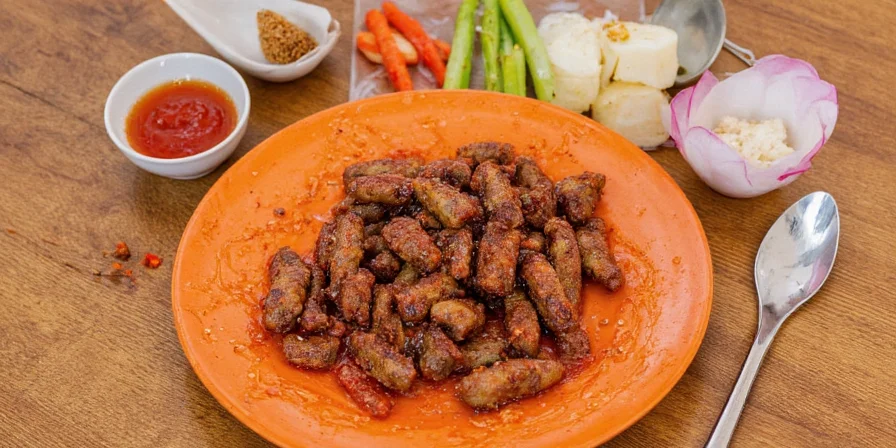
Professional pitmasters swear by spice layering techniques.
Conclusion: Let Your Taste Buds Dance
Baking ribs at 250°F opens up a whole new playground for spice experimentation. Whether you're going global with Mediterranean herbs or diving into mole madness, don't be afraid to push the envelope. The low-and-slow method lets every spice note shine through without burning off.
So next time you fire up your oven, skip the same old barbecue blend and reach for something unexpected. Your dinner guests — and taste buds — will thank you.
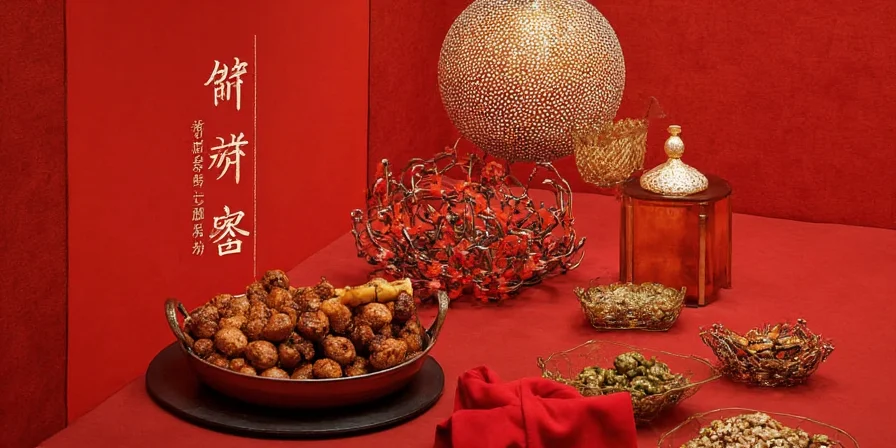
Spice it up — a rainbow of rib flavors awaits!




 浙公网安备
33010002000092号
浙公网安备
33010002000092号 浙B2-20120091-4