

Hot Cocoa Meets Cheese — The Unexpected Flavor Fusion You Need to Try
Forget everything you thought you knew about cozy winter treats. This isn’t your average cup of hot cocoa — we’re talking about a flavor revolution. Welcome to the world of Innovative Spice Pairings, where hot cocoa and cheese become unlikely besties with some help from the right spice blends.
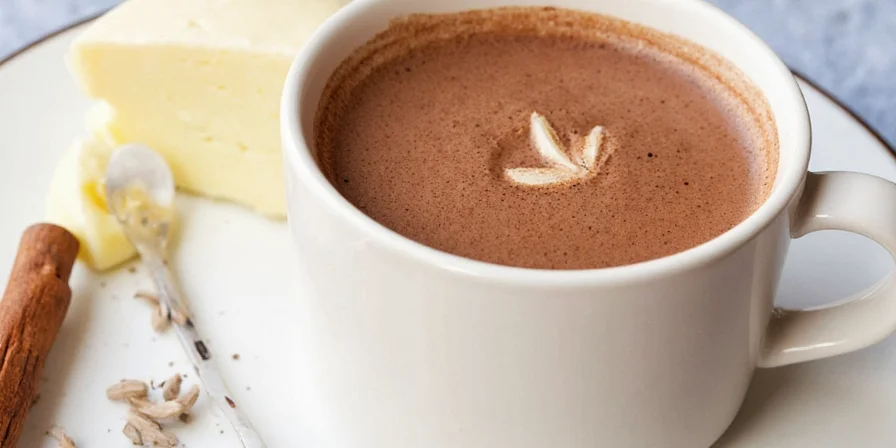
Table of Contents
- Why Cocoa and Cheese?
- The Science Behind Spices
- Top 7 Spice Pairings for Hot Cocoa & Cheese
- Cheese + Spice Matchmaking Guide
- Pro Tips for Mastering the Combo
☕🧀 Why Cocoa and Cheese? A Match Made in Culinary Heaven?
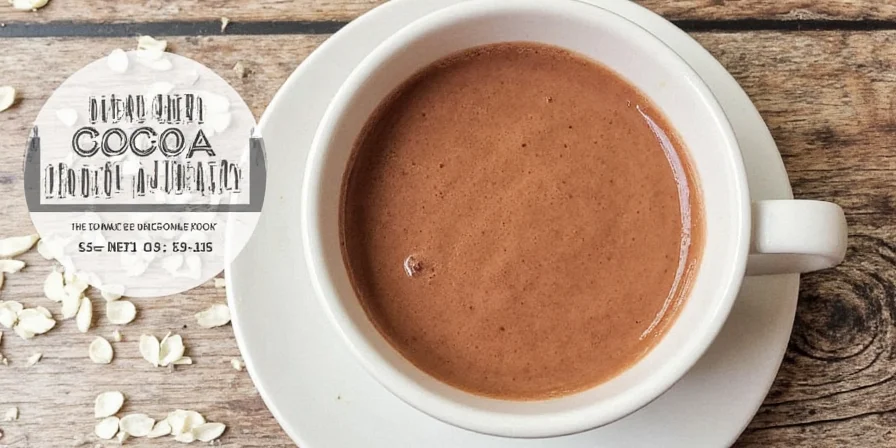
Let’s start with the basics: why on earth would anyone mix chocolatey goodness with dairy curds? As it turns out, both cocoa and cheese are rich in compounds that enhance umami and complexity. Think of them as the bass and drums of your flavor band — individually great, but together, they create something unforgettable.
The Umami Connection
Cocoa contains polyphenols and alkaloids like theobromine, which provide bitterness and depth. Cheeses, especially aged ones, are loaded with glutamates — nature’s MSG. When paired correctly, they can amplify each other’s savory notes while balancing sweetness and fat content.
🌶️ How Spices Transform the Chocolate-Cheese Dynamic
Enter spices — the secret weapon in this culinary experiment. They act like DJs, remixing the track by adding warmth, brightness, or even a little funk. Let’s break down how common spices interact with the cocoa-cheese combo:
| Spice | Effect on Cocoa | Effect on Cheese |
|---|---|---|
| Cinnamon | Enhances sweetness, adds warmth | Complements soft cheeses like Brie |
| Nutmeg | Boosts creamy mouthfeel | Perfect for melting cheeses |
| Cayenne | Adds kick and complexity | Contrasts well with sharp cheddar |
| Allspice | Brings earthy depth | Great with blue cheese varieties |
| Cardamom | Introduces floral brightness | Lifts up goat cheese profiles |
🔥 Top 7 Innovative Spice Pairings for Hot Cocoa & Cheese
- 1. Cinnamon Dust + Brie Wheel
Warm brie melts into a spiced cocoa base for a luxurious fondue-like experience. - 2. Smoked Paprika + Gouda Cube
Smoky meets nutty — perfect for fireside sipping and snacking. - 3. Chili Flakes + Dark Chocolate + Aged Cheddar
Three layers of boldness that balance each other beautifully. - 4. Cardamom + Goat Cheese Crostini
A light, aromatic twist that’s surprisingly refreshing. - 5. Nutmeg + Camembert Spread
Creamy comfort food elevated to fine art. - 6. Clove + Stilton Cheese
For those who dare — intense, spicy, and deeply satisfying. - 7. Turmeric + Manchego Cheese
An antioxidant-rich pairing with subtle earthiness and bite.
🧀 The Ultimate Cheese + Spice Matching Guide
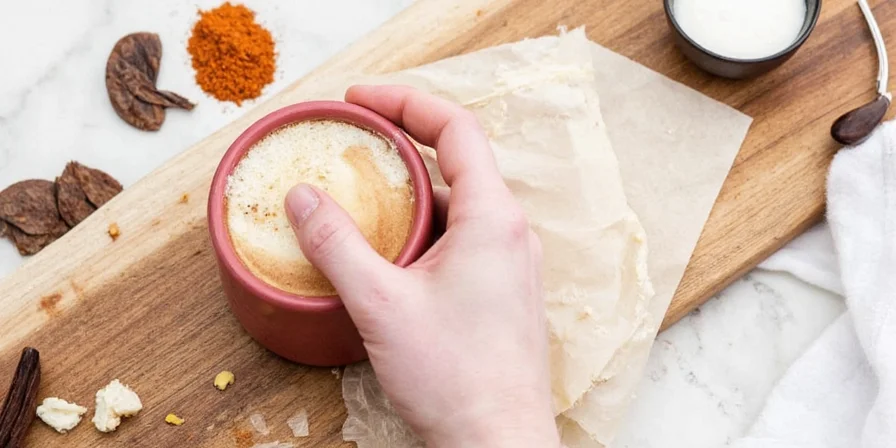
Not all cheeses are created equal — here's how to match them with the right spices for your next cocoa-based snack attack:
| Cheese Type | Best Spice Companion | Tasting Note |
|---|---|---|
| Blue Cheese | Allspice | Mellow earthiness balances pungency |
| Cheddar (sharp) | Cayenne | Heat enhances sharpness without overpowering |
| Gouda (aged) | Vanilla Bean | Sweet-smoky contrast |
| Camembert | Nutmeg | Creamy and warm, ideal for cold nights |
| Feta | Oregano | Herbal notes brighten salty tang |
💡 Pro Tips: Crafting Your Perfect Cup & Plate
You don't have to be a sommelier or a chef to nail these pairings. Here are some tried-and-true tricks:
- Start small: A pinch of spice goes a long way. Adjust gradually until the flavor sings.
- Temperature matters: Serve cheese at room temperature for maximum flavor release. Warm cocoa should be just below scalding to avoid burning spices.
- Layer textures: Combine smooth chocolate with crumbly cheese or gooey cheese with crunchy cocoa nibs.
- Don’t forget salt: A tiny sprinkle can elevate spice and balance sweetness.
- Pair with bread or crackers: Neutral bases help cleanse the palate between bites.
Final Thoughts: Dare to Be Different
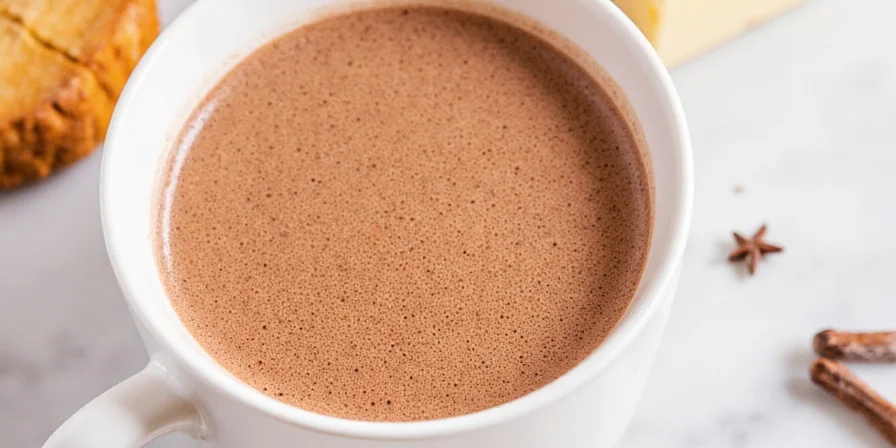
Mixing hot cocoa and cheese might sound like a wild idea, but with the right spice blend, it’s a gateway to flavor adventures you never knew existed. Whether you're hosting a tasting night or just looking for a new winter routine, these innovative pairings are worth experimenting with.
So grab your favorite mug, slice a hunk of cheese, and let the spice train roll. Your taste buds will thank you later!




 浙公网安备
33010002000092号
浙公网安备
33010002000092号 浙B2-20120091-4