
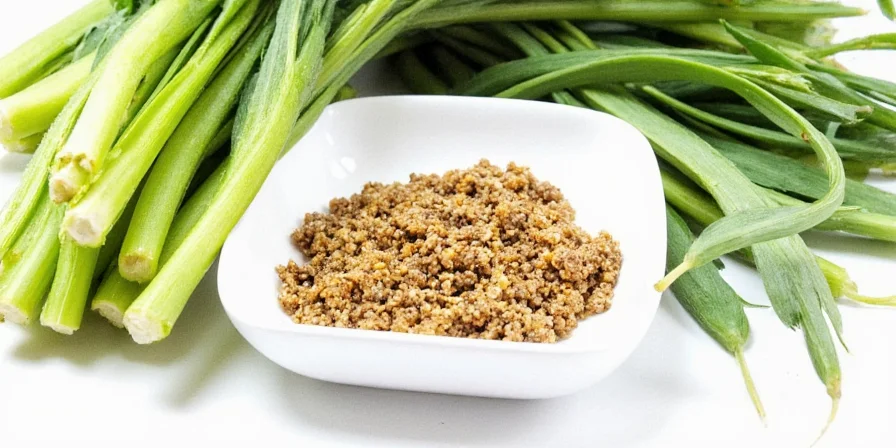
Cheesy Chive Chronicles: 7 Out-of-This-World Spice Pairings That’ll Blow Your Mind!
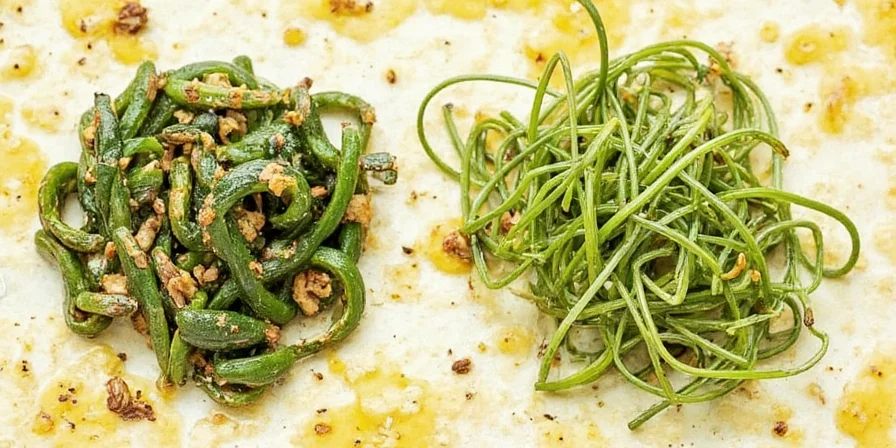
Introduction: The Dynamic Duo of Flavor – Cheese & Chives
If you’ve ever dipped a spoon into a bowl of sour cream and chive potato chips and thought, “This is dangerously good,” then you’re already halfway to understanding the magic of cheese with chives. But here’s the thing — it doesn’t have to stop there. This humble combo can be the launchpad for some seriously innovative spice pairings that will make your taste buds sing like a mariachi band at a cheese festival.
In this article, we’ll dive into the world where dairy meets greenery and explore seven creative ways to jazz up your cheese with chives game. And don’t worry — whether you're a professional chef or someone who burns toast on purpose (you know who you are), these tips are both practical and deliciously fun.
Table of Contents
- Spice Pairing #1: Smoked Paprika – The Fiery Sidekick
- Spice Pairing #2: Lemon Zest – Brighten Up Your Bites
- Spice Pairing #3: Ground Cumin – Earthy Meets Creamy
- Spice Pairing #4: Chili Flakes – For the Firecrackers
- Spice Pairing #5: Black Pepper – Classic Never Gets Old
- Spice Pairing #6: Sumac – Tangy and Totally Unique
- Spice Pairing #7: Nutmeg – Sweet Meets Savory in Style
- Summary Table: Cheesy Chive Combos at a Glance
- Conclusion: Spice Up Your Life with Chive & Cheese Magic
Spice Pairing #1: Smoked Paprika – The Fiery Sidekick
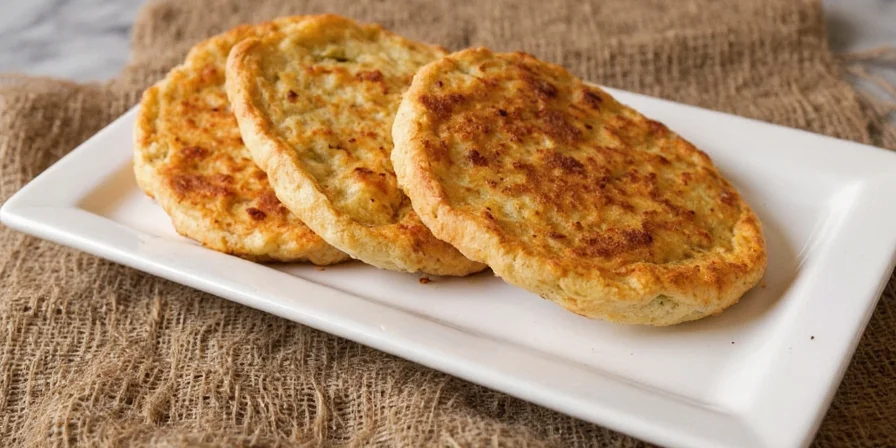
Imagine your favorite creamy goat cheese spread getting cozy with smoky paprika and freshly chopped chives. Sounds like a flavor party, right? Smoked paprika brings a deep, slightly sweet heat that contrasts beautifully with the cool, grassy notes of chives.
- Taste Profile: Smoky, savory, and mildly spicy.
- Best For: Bruschetta toppings, deviled eggs, and charcuterie boards.
- Pro Tip: Sprinkle a tiny pinch over warm baked brie for an instant gourmet upgrade.
Spice Pairing #2: Lemon Zest – Brighten Up Your Bites
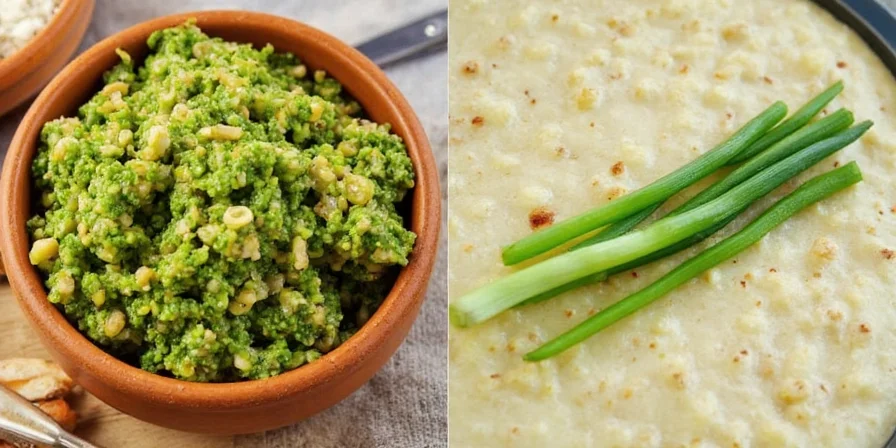
Lemon zest is like sunlight in spice form. It lifts the richness of cheese and gives chives the citrusy boost they need to shine brighter than a disco ball at a wedding.
- Taste Profile: Bright, tangy, and refreshing.
- Best For: Soft cheeses like mascarpone, ricotta, or fresh mozzarella.
- Pro Tip: Add grated lemon zest to whipped feta with chives for a killer dip.
Spice Pairing #3: Ground Cumin – Earthy Meets Creamy
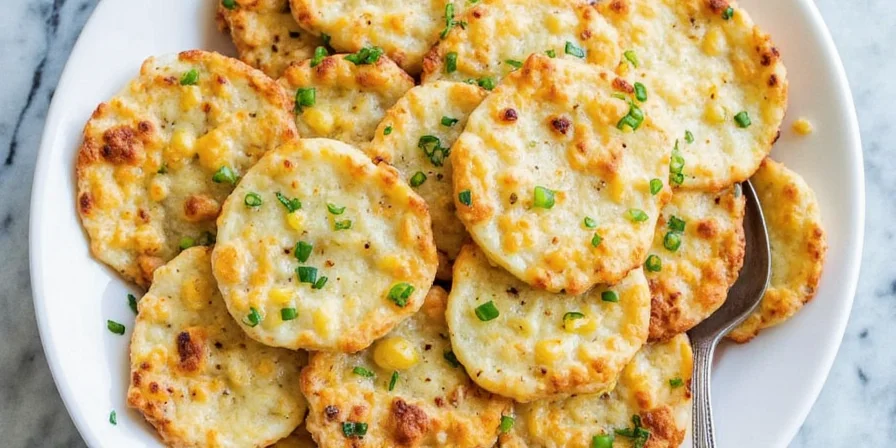
You might not immediately think of cumin when pairing with cheese, but trust us — this is one bold move worth making. Cumin adds a nutty, earthy undertone that makes chives pop like a surprise guest DJ at a quiet dinner party.
- Taste Profile: Warm, earthy, and nutty.
- Best For: Feta, paneer, and other crumbly cheeses.
- Pro Tip: Mix into labneh or herbed cheese balls before a party. Your guests won’t see it coming.
Spice Pairing #4: Chili Flakes – For the Firecrackers
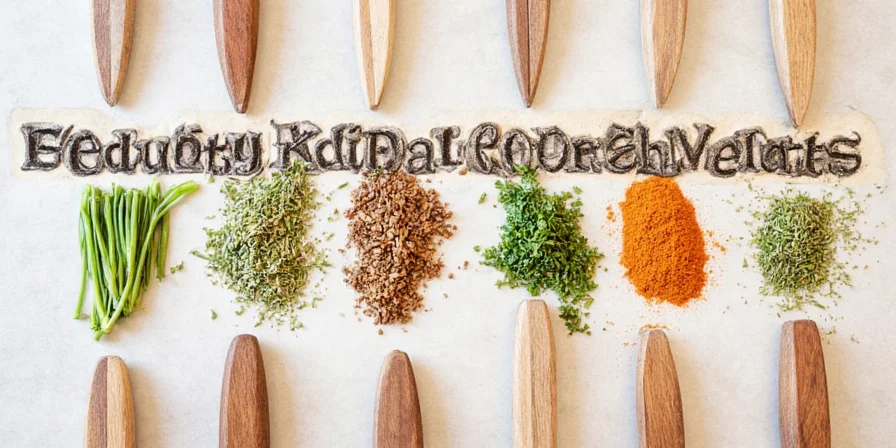
If you live life on the edge and eat jalapeños for breakfast, chili flakes are your new best friend. They bring the heat without overpowering the delicate chive flavor — a perfect dance between fiery and fresh.
- Taste Profile: Spicy, vibrant, and aromatic.
- Best For: Ricotta-stuffed pasta, pizza, or as a topping for focaccia.
- Pro Tip: Use sparingly — too much, and you’ll be drinking milk straight from the carton.
Spice Pairing #5: Black Pepper – Classic Never Gets Old
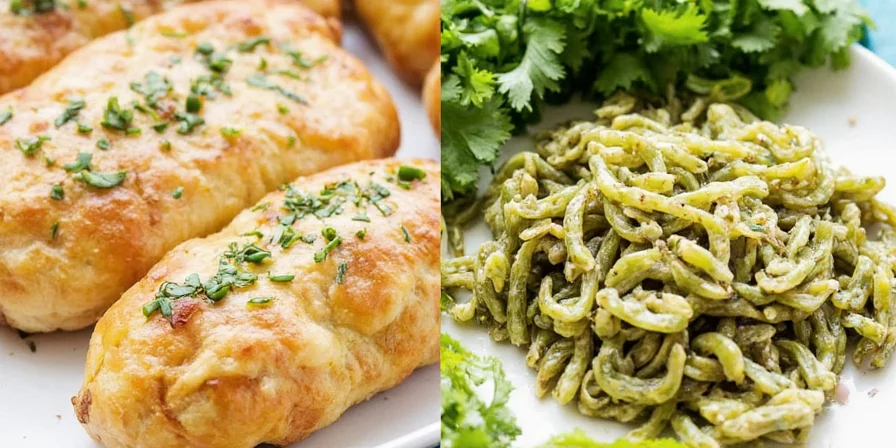
Crack a little love over your cheese with chives, and you’ve got yourself a timeless duo. Freshly ground black pepper adds depth and just the right amount of bite to balance out the mildness of both ingredients.
- Taste Profile: Peppery, sharp, and subtly floral.
- Best For: Soft cheeses, compound butter blends, and cheese sauces.
- Pro Tip: Pair with truffle oil for an ultra-luxurious twist.
Spice Pairing #6: Sumac – Tangy and Totally Unique
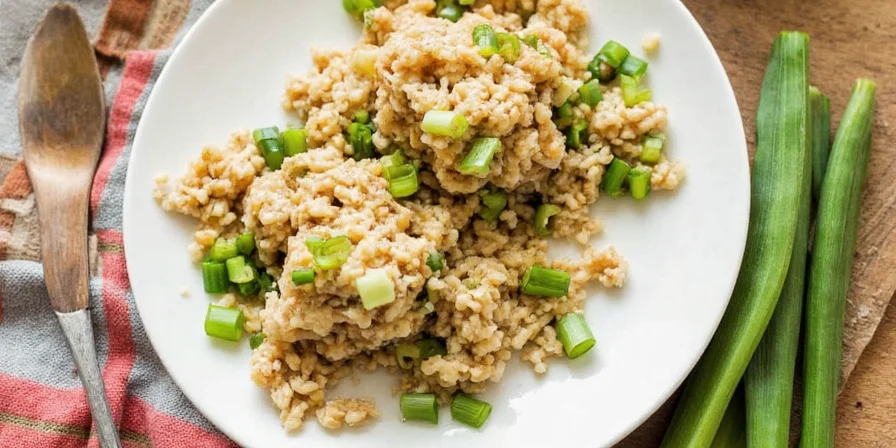
This Middle Eastern gem might be lesser-known, but its zesty punch deserves a seat at the flavor table. Sumac is tart like lemon but with a more complex profile — it’s like comparing a pop song to a full symphony orchestra.
- Taste Profile: Tart, citrusy, and slightly floral.
- Best For: Grilled halloumi, labneh, or mixed into tahini-based dips.
- Pro Tip: Sprinkle on top of grilled cheese sandwiches for a tangy twist.
Spice Pairing #7: Nutmeg – Sweet Meets Savory in Style
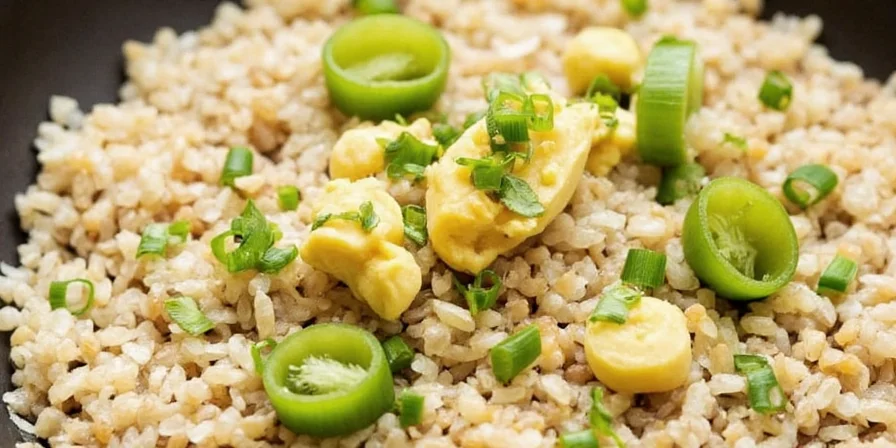
Nutmeg isn’t just for pumpkin lattes and holiday pies. When used subtly, it enhances the sweetness in cheese and gives chives a rich, almost velvety backdrop — like wrapping your mouth in a cashmere scarf made of flavor.
- Taste Profile: Sweet, warm, and slightly woody.
- Best For: Mashed potatoes, béchamel sauce, or in a cheesy soufflé.
- Pro Tip: Only use a dash — nutmeg can go from subtle to soap-like real quick.
Summary Table: Cheesy Chive Combos at a Glance
| Spice | Flavor Profile | Best Cheese Matches | Use Case | Pro Tip |
|---|---|---|---|---|
| Smoked Paprika | Smoky, savory, spicy | Brie, goat cheese | Dips, bruschetta | Sprinkle lightly for extra depth |
| Lemon Zest | Bright, tangy | Mascarpone, ricotta | Whipped spreads | Pair with honey for balance |
| Ground Cumin | Earthy, nutty | Feta, paneer | Spiced cheese balls | Add after mixing to preserve aroma |
| Chili Flakes | Spicy, vibrant | Ricotta, mozzarella | Pizza, pasta | Use sparingly or toast first |
| Black Pepper | Peppery, sharp | Soft cheeses | All-purpose seasoning | Grind fresh for maximum flavor |
| Sumac | Tart, citrusy | Halloumi, labneh | Mediterranean dishes | Great with olive oil drizzle |
| Nutmeg | Sweet, warm | Mashed cheese blends | Savory pastries | A little goes a long way |
Conclusion: Spice Up Your Life with Chive & Cheese Magic
Who knew that something as simple as cheese with chives could open the door to such a flavorful adventure? Whether you lean toward the bold and spicy or prefer the bright and tangy, there’s a spice pairing here that’ll turn your snack time into showtime.
So next time you’re staring at a half-used block of cheese and a bunch of chives in the fridge, don’t just make another sandwich — get creative! Try one of these innovative spice pairings and impress your taste buds (or your guests). Remember, spices aren’t just about flavor — they’re about storytelling. Each sprinkle tells a tale, and with these combos, your story just got a lot more interesting.




 浙公网安备
33010002000092号
浙公网安备
33010002000092号 浙B2-20120091-4