
Spice Me Up: The Art of Herb Sauces for Steak
Table of Contents
- Introduction: Why Herb Sauce is the Secret Weapon of Great Steaks
- The Science Behind Spice Pairings & Steak
- 7 Unexpectedly Delicious Herb Sauces for Steak
- Pro Tips: How to Master These Sauces at Home
- Conclusion: Take Your Steak Game from Meh to Magnificent
Introduction: Why Herb Sauce is the Secret Weapon of Great Steaks
If you've ever stared into the fridge at 6 PM wondering how to make steak night exciting again, this blog is your culinary lifeline. Yes, we all love a perfectly seared ribeye, but here's a secret that top chefs don’t want you to know: the real magic happens when you add the right herb sauce.
In this post, we’ll explore some mind-blowing pairings and show you how to take your steak game from “just another dinner” to “wow, can I have your recipe?” Let’s dive in!
The Science Behind Spice Pairings & Steak
Before we start slathering sauces on steaks like it's butter on popcorn, let’s understand why certain spices and herbs go so well with beef.
Here’s the deal: steak is rich in umami—the savory flavor bomb found in foods like mushrooms, Parmesan cheese, and soy sauce. To complement this, we need herbs and spices that either enhance or contrast umami without overpowering it. This is where chemistry meets cuisine!
| Flavor Profile | Best Companions | Why It Works |
|---|---|---|
| Umami-rich | Rosemary, Thyme, Garlic | Enhance depth and richness |
| Fatty | Parsley, Lemon Zest, Chili Flakes | Cut through fat and refresh palate |
| Savory | Oregano, Sage, Dill | Add earthy contrast |
7 Unexpectedly Delicious Herb Sauces for Steak
Let’s cut to the chase. Here are seven bold, creative, and totally doable herb sauces that will transform your steak experience. No Michelin stars required—just a blender and maybe a spoonful of confidence.
1. Chimichurri 2.0 — Smoky Meets Fresh
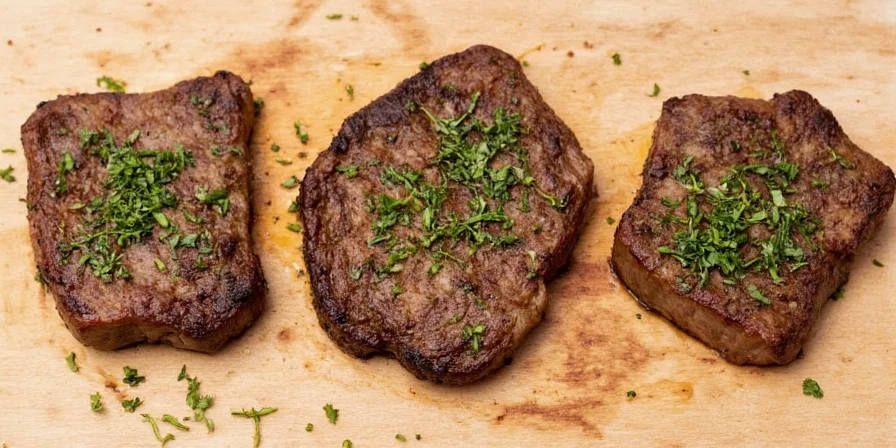
Classic chimichurri gets a spicy twist with smoked paprika and a touch of chipotle. Perfect for medium-rare to well-done cuts.
- Ingredients: Parsley, cilantro, garlic, olive oil, red wine vinegar, smoked paprika, chipotle in adobo
- TIP: Let the sauce sit for 30 minutes before serving—it deepens the flavor.
2. Minty Mojo — Bright & Bold
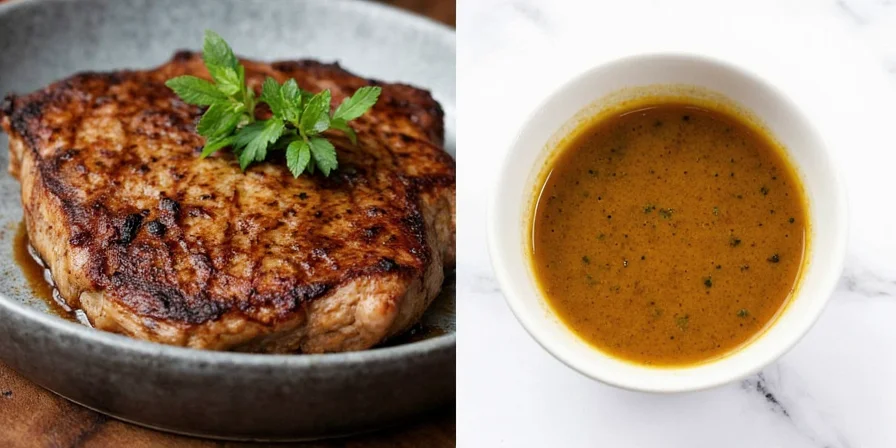
This green goddess of sauces brings fresh mint, lime zest, and cumin together in a way that makes you question every steak decision you’ve made before.
- Ingredients: Mint leaves, lime juice, garlic, cumin, olive oil, Greek yogurt (optional for creaminess)
- TIP: Serve chilled over a warm steak for a flavor explosion.
3. Rosemary Mustard Cream — Comfort Meets Class
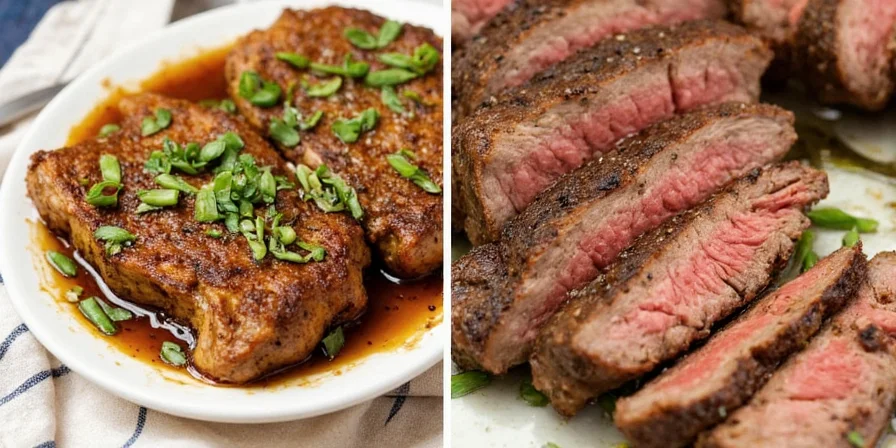
A luxurious blend of whole grain mustard, heavy cream, and freshly chopped rosemary. Think fancy restaurant vibes minus the pretension.
- Ingredients: Whole grain mustard, heavy cream, chopped rosemary, honey, salt & pepper
- TIP: Add a splash of balsamic vinegar to balance the richness.
4. Thai Basil & Peanut Butter Fusion
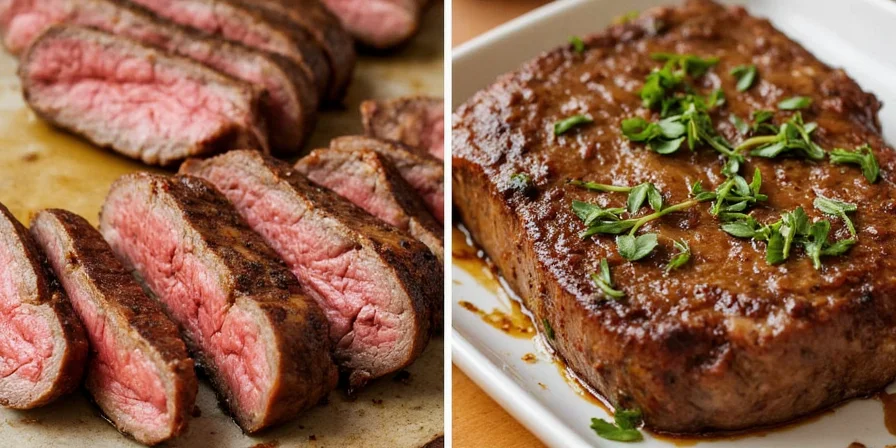
You read that right—peanut butter and Thai basil. The sweet, nutty, and aromatic combo is perfect for flank or skirt steak.
- Ingredients: Thai basil, peanut butter, soy sauce, lime juice, chili garlic paste, sesame oil
- TIP: Thin the sauce with a bit of water if it’s too thick.
5. Za’atar Lime Drizzle — Mediterranean Magic
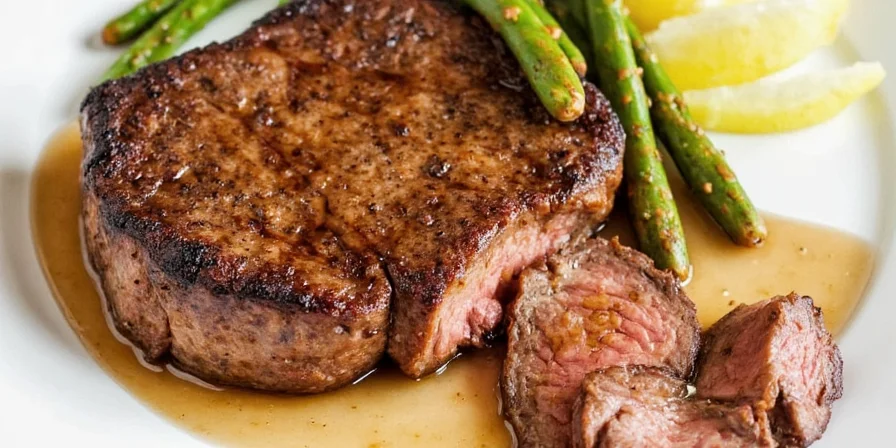
Za’atar is one of the most underrated spice blends out there. Mix it with lime juice and olive oil, and you’ve got a zesty, herby finish that screams summer (or winter cravings).
- Ingredients: Za’atar spice mix, lime juice, olive oil, minced garlic, salt
- TIP: Sprinkle toasted pine nuts on top for extra texture.
6. Cilantro Lime Pesto — Latin-American Twist
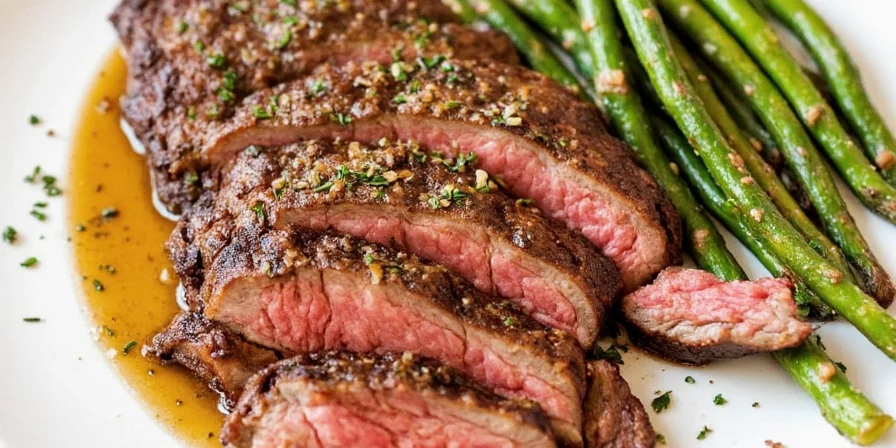
If you love guacamole and chimichurri, this is the sauce you didn’t know you needed. Swap basil for cilantro and throw in a hint of avocado for silkiness.
- Ingredients: Cilantro, lime juice, garlic, avocado, olive oil, Parmesan (or vegan alternative)
- TIP: Use as a marinade or finishing sauce—it works both ways.
7. Tarragon Shallot Compound Butter — Classic with a Wink
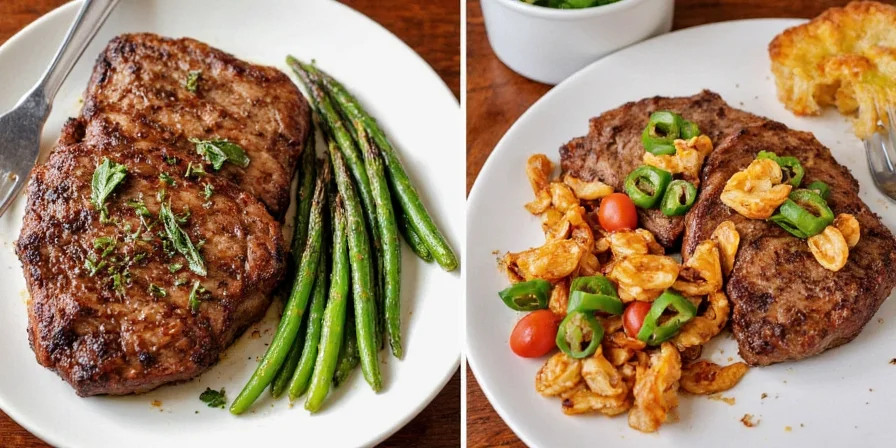
Melt this dreamy compound butter over a hot steak, and prepare to hear angels sing. The tarragon gives it a subtle licorice-like kick that complements beef beautifully.
- Ingredients: Softened butter, finely chopped shallots, tarragon, lemon zest, salt & pepper
- TIP: Freeze portions in advance for easy use later.
Pro Tips: How to Master These Sauces at Home
You don't need a culinary degree to rock these sauces. Just follow these tips and you'll be the hero of your next dinner party:
- Freshness matters: Use fresh herbs whenever possible. They pack more flavor and color than dried ones.
- Brighten it up: A splash of acid—lemon juice, lime, vinegar—can elevate any sauce and cut through fatty meats.
- Don’t skip the salt: Salt is your best friend. Season each layer: the meat, the sauce, and the final plate.
- Texture plays a role: Add crunch with nuts, seeds, or crispy onions. Contrast textures keep things interesting.
- Store smart: Most herb sauces last 3–5 days in the fridge. Store in airtight containers or freeze for longer shelf life.
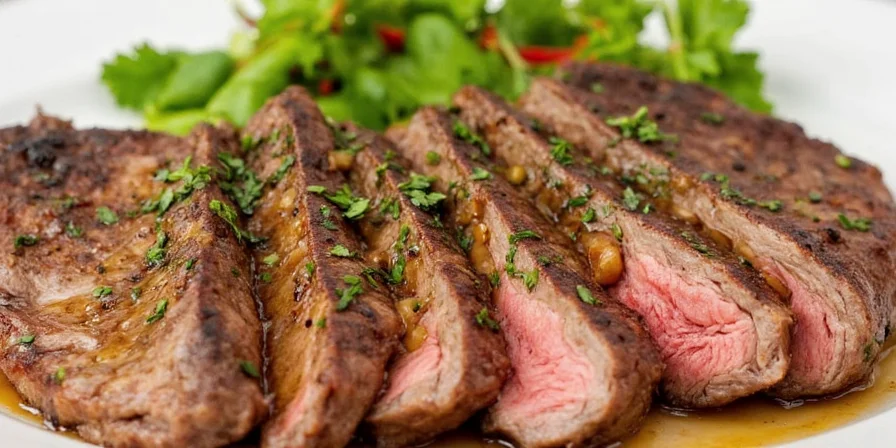
Conclusion: Take Your Steak Game from Meh to Magnificent
If there’s one takeaway today, it’s this: never underestimate the power of a good herb sauce. Whether you’re grilling a Sunday dinner or trying to impress a date, these sauces are your golden ticket.
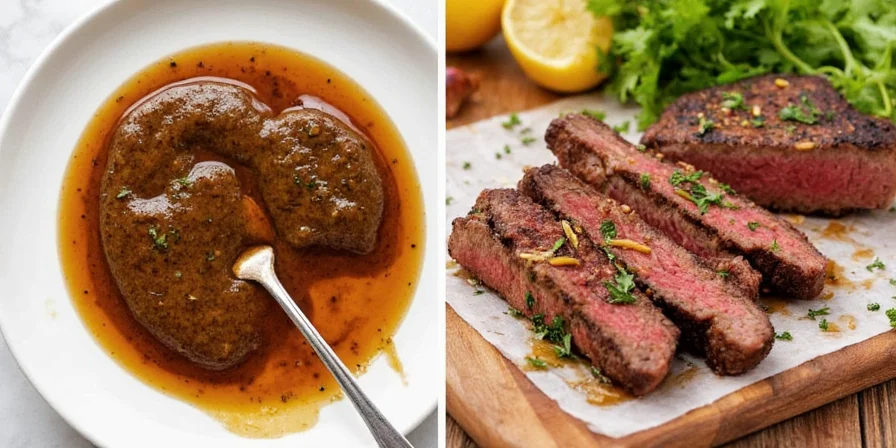
So grab your whisk, dust off that blender, and get experimental. The world of herb sauces is vast, vibrant, and just waiting for your personal spin. And remember—if your steak tastes amazing but lacks that wow factor… just add more sauce!




 浙公网安备
33010002000092号
浙公网安备
33010002000092号 浙B2-20120091-4