
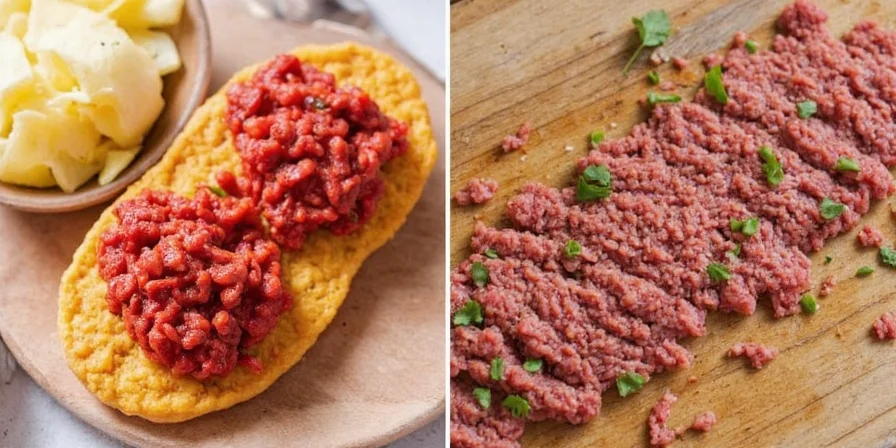
Spice Up Your Ground Beef: 10 Unexpected Flavor Combos You Need to Try!
Let’s be real for a moment — ground beef is the unsung hero of our kitchens. It’s versatile, affordable, and shows up in everything from tacos to spaghetti. But if you’re still reaching for the same ol’ salt, pepper, and garlic powder every time, it’s time to shake things up.
Welcome to the flavor revolution! This blog post dives deep into innovative spice pairings that’ll take your ground beef from "meh" to "mind-blowing." Whether you're a seasoned pro or just starting out on your culinary journey, these ideas will keep your taste buds dancing and your dinner guests begging for seconds.
Why Spice Pairing Matters for Ground Beef
Ground beef is like a blank canvas — it absorbs flavors beautifully. The right spice blend can elevate it from basic protein to gourmet experience. Let’s explore why pairing matters:
- Balances Fat Content: Spices help cut through the richness of beef, balancing the overall flavor profile.
- Adds Complexity: Layering different spices adds depth and intrigue to every bite.
- Triggers Emotion: Certain spice combinations evoke nostalgia, comfort, or adventure — all while eating a burger.
What Makes These Pairings Innovative?
You won’t find these combinations in your standard recipe books (unless they’ve been snooping around my kitchen). These pairings play with global flavors, unexpected sweet-spicy contrasts, and even some herbal surprises. They aren't just about heat — they're about harmony.
The 10 Ground Beef Seasoning Ideas That Will Blow Your Mind
1. Thai Curry & Peanut Butter – A Nutty Twist
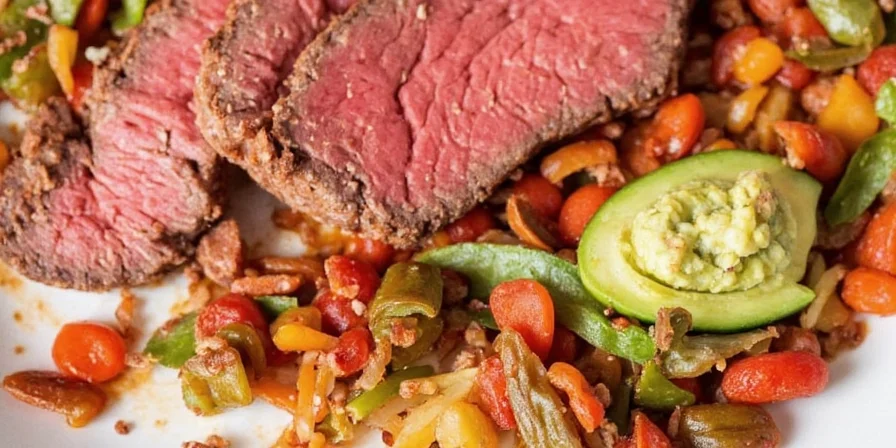
Yes, peanut butter. This combo brings the creamy heat of red Thai curry together with the rich nuttiness of peanut butter. Perfect for stir-fries, lettuce wraps, or even spiced-up meatloaf.
- Use: 1 tsp red curry paste + 1 tbsp natural peanut butter
- Pro Tip: Add a squeeze of lime juice and chopped cilantro at the end for extra freshness.
2. Coffee & Chili Powder – Bold & Smoky
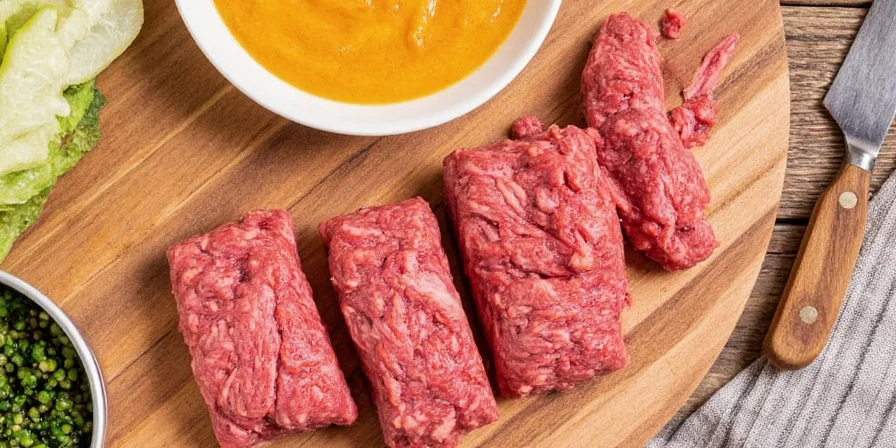
Coffee grounds add earthy depth and slight bitterness, which complements the smokiness of chili powder. Think of this as the espresso shot for your taco Tuesday.
- Use: 1 tsp instant coffee granules (dissolved) + 1 tsp smoked paprika + 1 tsp chili powder
- Pro Tip: Try this mix in chili con carne or BBQ-style burgers.
3. Cumin & Orange Zest – Citrus Kick
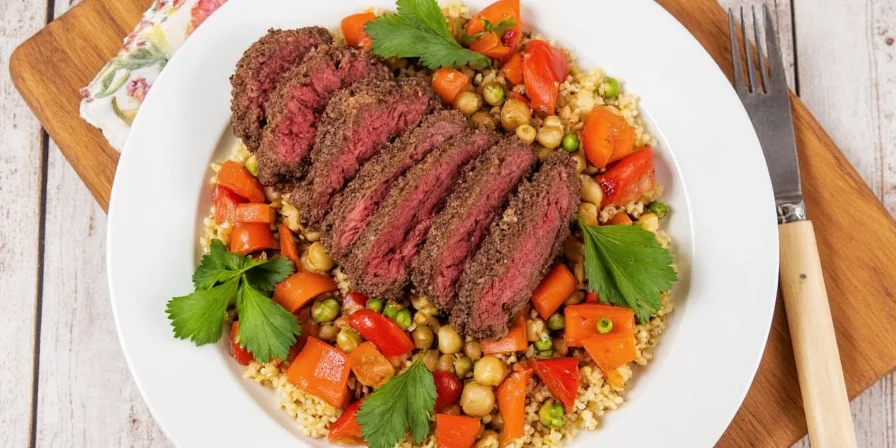
This duo combines the warm, earthy notes of cumin with the bright zest of citrus. Ideal for southwestern dishes and summer grilling.
- Use: 1 tsp ground cumin + zest of 1 orange
- Pro Tip: Great with black beans and corn in tacos or stuffed peppers.
4. Cardamom & Mint – Middle Eastern Magic
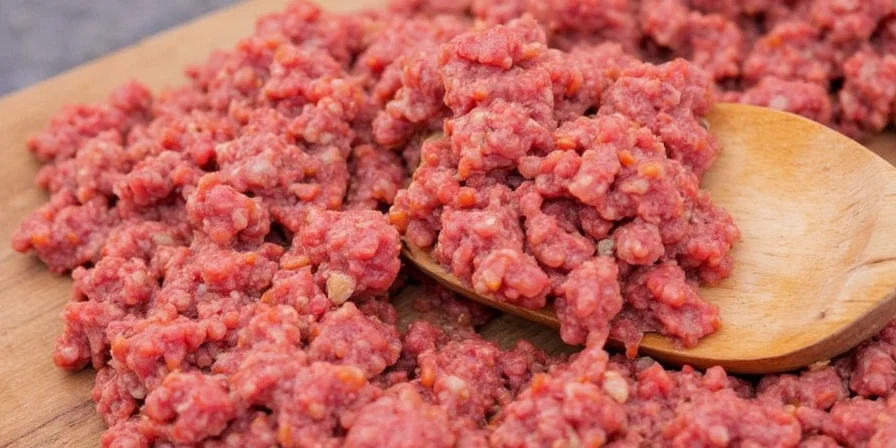
Who says mint is only for desserts? Paired with cardamom, this combo creates a fragrant, almost floral aroma that works wonders with ground beef.
- Use: ½ tsp ground cardamom + 1 tbsp fresh chopped mint
- Pro Tip: Stir into kefta-style meatballs or lamb-beef blends for shawarma vibes.
5. Garam Masala & Cinnamon – Indian Fusion
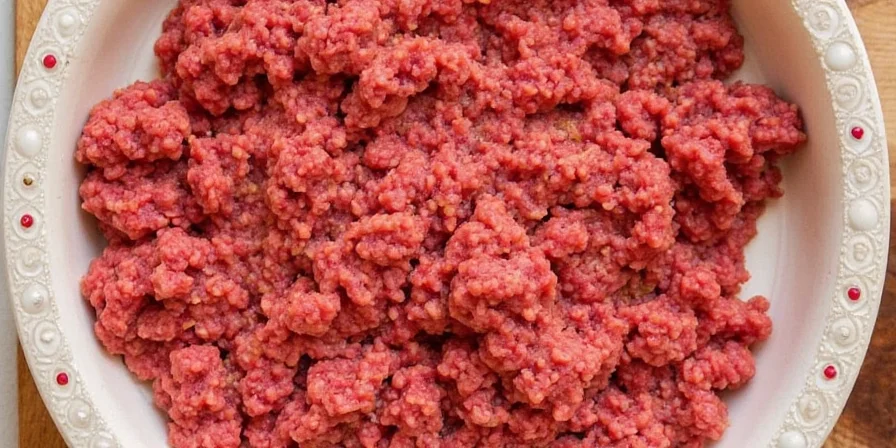
This aromatic Indian spice blend plus a touch of cinnamon makes for an incredibly rich and layered seasoning. Works well in curries or as a burger twist.
- Use: 1 tsp garam masala + ¼ tsp ground cinnamon
- Pro Tip: Serve with mango chutney or yogurt raita to balance the spices.
6. Fennel Seeds & Garlic – Italian Herb Garden
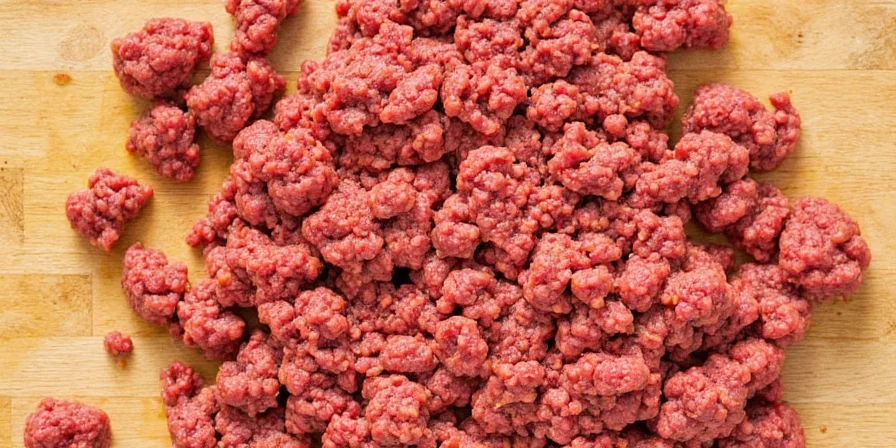
Crushed fennel seeds bring licorice-like sweetness that pairs perfectly with garlic and oregano. This is pasta sauce territory, people.
- Use: 1 tsp crushed fennel seeds + 1 clove minced garlic + ½ tsp dried oregano
- Pro Tip: Make a quick ragù and toss with rigatoni for Sunday dinner magic.
7. Maple Syrup & Smoked Paprika – Sweet & Savory Dream Team
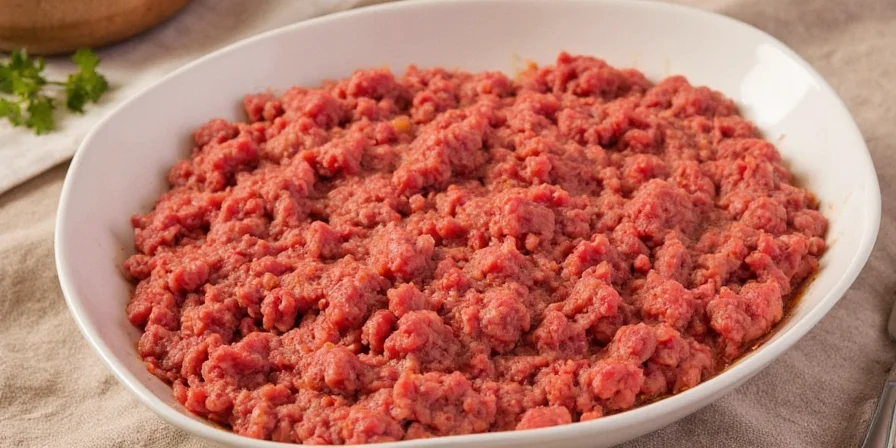
Sweetness meets smoke in this dynamic duo. Use maple syrup sparingly for glazing or mixing into burger patties for a caramelized crust.
- Use: 1 tsp maple syrup mixed with 1 tsp smoked paprika
- Pro Tip: Brush over grilled burgers during last minute of cooking for a sticky finish.
8. Za'atar & Lemon – Mediterranean Brightness
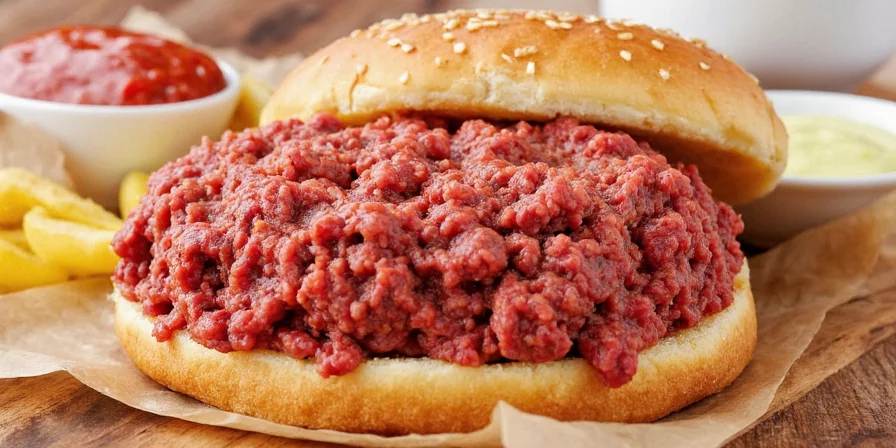
Za’atar brings tangy, herby goodness, while lemon juice brightens up every bite. Toss into flatbreads or pita pockets for a quick lunch.
- Use: 1 tsp za’atar + juice of half a lemon
- Pro Tip: Add diced cucumbers and tomatoes for a complete mezze plate vibe.
9. Chipotle in Adobo & Cocoa Powder – Deep & Smoky Chocolate Heat
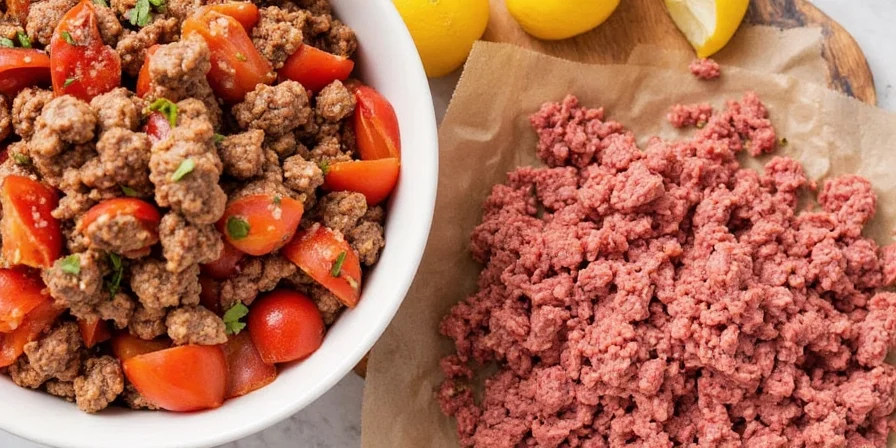
This sultry blend is dark, spicy, and full-bodied. Perfect for moles, enchiladas, or next-level sloppy joes.
- Use: 1 small chipotle in adobo + 1 tsp unsweetened cocoa powder
- Pro Tip: Blend the chipotle with a splash of vinegar or water before mixing in.
10. Basil & Lemon Pepper – Fresh & Peppery
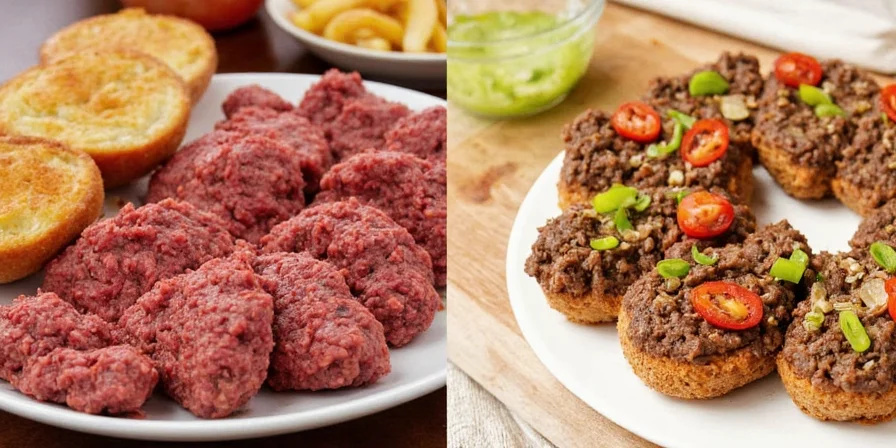
Bring Italian freshness to your skillet. This combo screams summery simplicity but delivers big flavor.
- Use: 1 tsp lemon pepper + 1 tbsp chopped fresh basil
- Pro Tip: Mix into pasta with Parmesan cheese for a one-pan wonder dish.
Comparison Table: Flavor Profiles & Best Uses
| Combination | Flavor Profile | Best Used In | Heat Level |
|---|---|---|---|
| Thai Curry & Peanut Butter | Creamy, spicy, umami-rich | Lettuce wraps, stir-fries | Moderate |
| Coffee & Chili Powder | Smoky, bitter, deep | Chili, burgers | Low-Moderate |
| Cumin & Orange Zest | Earthy, citrusy | Tacos, southwest bowls | Low |
| Cardamom & Mint | Herbal, floral | Meatballs, kebabs | Low |
| Garam Masala & Cinnamon | Aromatic, warm | Curries, stews | Moderate |
| Fennel Seeds & Garlic | Sweet, savory | Pasta sauces, meatballs | Low |
| Maple Syrup & Smoked Paprika | Sweet, smoky | Glazed burgers, BBQ dishes | Low |
| Za'atar & Lemon | Tangy, herbaceous | Flatbreads, pita pockets | Low |
| Chipotle in Adobo & Cocoa Powder | Smoky, spicy, chocolatey | Mole sauces, enchiladas | High |
| Basil & Lemon Pepper | Fresh, peppery | Pasta, paninis | Low |
Expert Tips for Mastering Spice Pairings
Want to level up your seasoning game beyond these combos? Here are some pro tips:
- Taste as You Go: Always taste your seasoning before adding it to the meat.
- Bloom the Spices: Toast dry spices in a bit of oil first to unlock their aromatics.
- Balance Acids & Bases: Don’t forget a splash of acid (like vinegar or citrus) to balance heavy spices.
- Layer Flavors: Use a base layer of salt & pepper, then build complexity with other spices.
- Don’t Overdo It: Less is often more when blending multiple spices — let each shine without overpowering.
How to Store Extra Spice Blends
If you make larger batches of any spice mix, store them in airtight containers away from light and heat. Most blends last up to 6 months, though fresher is always better for optimal flavor.
Conclusion
There you have it — 10 groundbreaking ground beef seasoning ideas that prove beef doesn’t have to be boring. Whether you're craving something smoky, spicy, citrusy, or downright exotic, these pairings open up a world of culinary creativity.
So next time you reach for that bag of ground beef, skip the usual suspects and reach for something bold, beautiful, and totally unforgettable. Your taste buds — and anyone lucky enough to share your meal — will thank you.
Happy cooking, and may your beef forever be flavorful!




 浙公网安备
33010002000092号
浙公网安备
33010002000092号 浙B2-20120091-4