
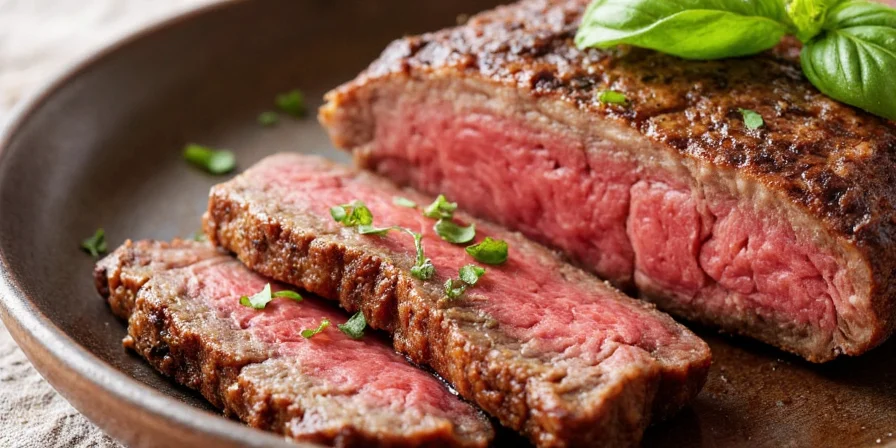
Basil & Steak: The Unlikely Spice Duo That Will Blow Your Mind
Table of Contents
- Introduction: Why Basil on Steak?
- The Science Behind the Flavor Fusion
- How to Pair Basil with Steak Like a Pro
- 5 Creative Basil-Infused Steak Recipes
- Perfect Side Dishes & Wines to Pair With Basil & Steak
- Pros and Cons of Basil & Steak: Is It Worth Trying?
- Conclusion: A Match Made in Culinary Heaven
Introduction: Why Basil on Steak?
You might be thinking, "Basil? On steak?" That’s exactly what I thought when I first heard about this pairing. Basil is often associated with pesto, pasta, and pizza — not a juicy ribeye or a perfectly grilled sirloin.
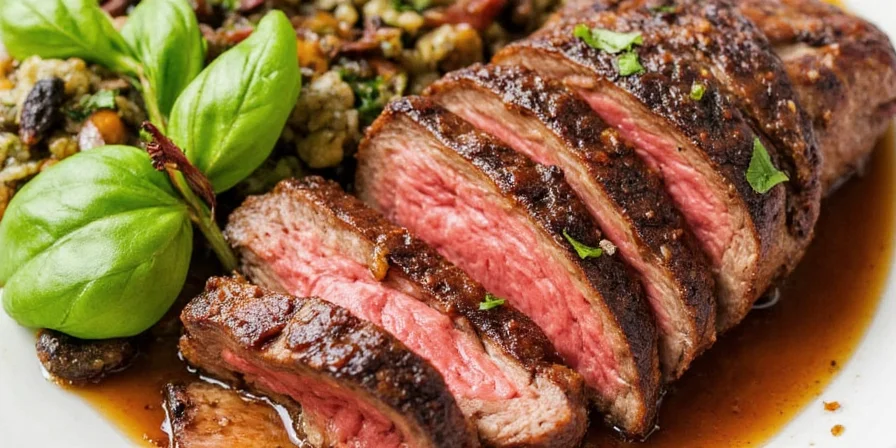
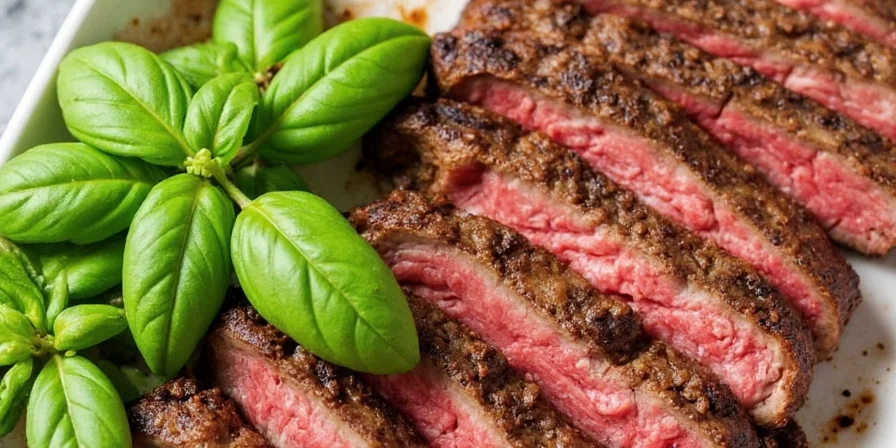
But here's the twist: basil has a bright, peppery flavor with subtle minty undertones that cut through the richness of steak like a culinary ninja. Whether you're grilling outdoors or searing indoors, adding basil could be your secret weapon to take your steak game from 'meh' to 'magnifique'.
The Science Behind the Flavor Fusion
Let’s get nerdy for a second — because food science makes everything better. Basil contains volatile oils such as linalool and estragole, which give it that fresh, herbaceous aroma we all love. When paired with beef, especially fatty cuts like ribeye or wagyu, these compounds help balance out the richness by introducing brightness and aromatic complexity.
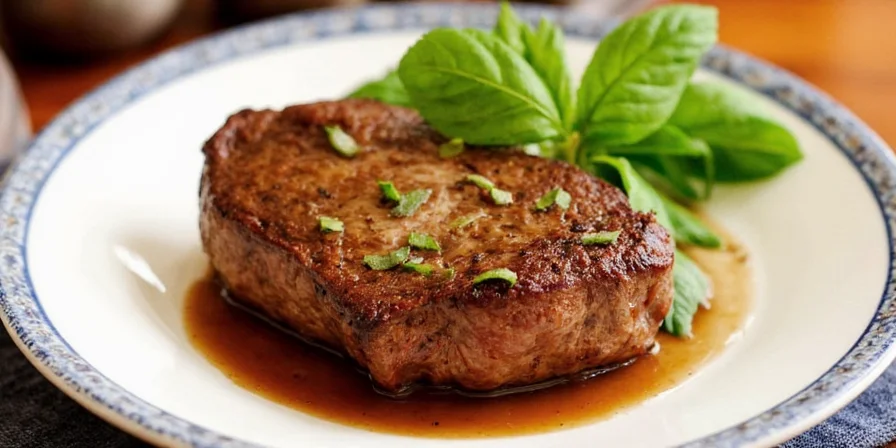
Think of it like this:
- Fat: From the steak
- Acid: From tomatoes if you’re using a sauce (optional)
- Herbaceous Freshness: From basil
This trio creates a perfect trifecta of flavors — rich, tangy, and refreshing — all in one bite.
How to Pair Basil with Steak Like a Pro
If you're new to this pairing, don’t just throw a handful of basil on your medium-rare porterhouse and call it a day. There’s a method to the madness. Here are five easy steps to do it right:
- Choose the Right Cut: Go for marbled steaks like ribeye, striploin, or wagyu — they stand up well to bold flavors.
- Use Fresh Basil: Dried basil won’t cut it. You need the vibrant punch of fresh leaves.
- Add at the End: Basil wilts quickly under heat. Add it right before serving or after cooking for best results.
- Infuse Oils or Butters: Make a basil compound butter or infused oil to drizzle over the steak post-cook.
- Pick the Right Prep Method: Grilled, pan-seared, sous-vide — all work, but avoid slow-cooking methods where basil will lose its essence.
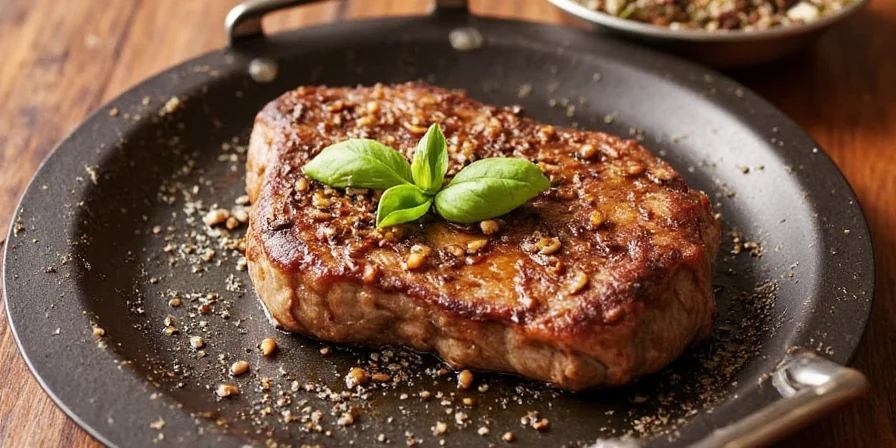
5 Creative Basil-Infused Steak Recipes
Ready to experiment? Try these unique twists that bring basil and beef together in unforgettable ways:
| Recipe Name | Main Ingredients | Prep Time | Unique Touch |
|---|---|---|---|
| Basil Butter Ribeye | Ribeye, unsalted butter, garlic, fresh basil | 20 minutes | Compound basil-garlic butter melts into the hot steak |
| Grilled Sirloin with Basil Chimichurri | Sirloin, parsley, basil, olive oil, vinegar | 30 minutes | Minty-fresh chimichurri adds zesty contrast |
| Steak Caprese Skewers | Skirt steak cubes, mozzarella, cherry tomatoes, basil | 25 minutes | Pocket-sized flavor bombs perfect for parties |
| Basil-Parmesan Crusted Striploin | Striploin, parmesan, basil, breadcrumbs | 35 minutes | Crispy crust with fresh herbal notes inside |
| Basil Oil Drizzle T-Bone | T-bone, basil, olive oil, lemon juice | 15 minutes | Clean, bright finish with minimal fuss |
Perfect Side Dishes & Wines to Pair With Basil & Steak
To complete the flavor journey, consider how your sides and drinks complement the basil-steak dynamic. Here’s what works best:
- Side Dishes: Garlic mashed potatoes, charred corn with chili-lime butter, roasted heirloom carrots
- Wine Pairings: Malbec (bold red), Sangiovese (earthy and herbal-friendly), Rosé (for a lighter route)
- Non-Alcoholic Options: Sparkling water with lemon and a few basil leaves; homemade basil lemonade
Pros and Cons of Basil & Steak: Is It Worth Trying?
Like any unconventional combo, there are pros and cons to consider:
| Pros | Cons |
|---|---|
| ✅ Brightens up fatty cuts | ❌ Can be overpowering if overused |
| ✅ Adds visual appeal (colorful garnish) | ❌ Not everyone is used to savory + herbal combinations |
| ✅ Easy to incorporate without complicated prep | ❌ Basil wilts quickly, so timing is key |
Conclusion: A Match Made in Culinary Heaven
So, does basil go with steak? The answer is a resounding yes — with a sprinkle of caution and a dash of finesse. This pairing might not be traditional, but it’s proof that sometimes, stepping outside the spice box leads to incredible discoveries.
Whether you're hosting a dinner party or jazzing up your weekday dinner, basil can add that unexpected pop of freshness that’ll have people asking, “Wait… did you put basil on that steak?”
So go ahead. Be bold. Let basil surprise you. And maybe, just maybe, it'll become your new favorite steak partner-in-crime.




 浙公网安备
33010002000092号
浙公网安备
33010002000092号 浙B2-20120091-4