
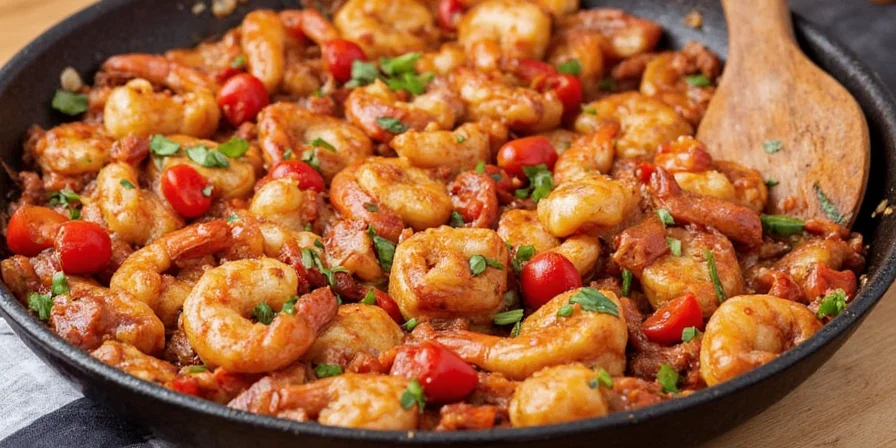
Spice Up Your Fajitas: Unexpected Flavors for the Ultimate Shrimp Fiesta!
Welcome to a fiesta of flavor! If you've ever felt like your shrimp fajitas were stuck in a culinary rut, it's time to dust off that spice rack and dive into some bold new combinations. We're not just talking about adding more cumin — we're going full-on flavor rogue with Innovative Spice Pairings that’ll take your shrimp fajitas from “meh” to “mind-blowing.”
This guide is perfect whether you're a seasoned pro in the kitchen or just trying to impress your dinner guests without burning the tortillas (again). So grab your apron, and let’s taco 'bout spices!
Why Bother with Innovative Spice Pairings?
- Boredom Breaker: Let's face it — traditional fajita seasoning can get a little repetitive. Mixing up your spice game keeps meals exciting.
- Taste Boost: Certain spice pairings work together like musical harmonies. One enhances the other, creating a flavor crescendo.
- Conversation Starter: “Did you taste the cardamom?!” — said no one ever at a boring dinner party.
Essential Ingredients for Shrimp Fajitas
Before we go wild with spices, here’s what you need as a base:
- Large shrimp, peeled and deveined
- Red bell pepper, sliced
- Green bell pepper, sliced
- Onion, sliced into strips
- Garlic, minced
- Olive oil or avocado oil
- Flour or corn tortillas
- Lime wedges
- Optional toppings: guacamole, salsa, sour cream
Classic vs. Creative: Spice Comparison Table
| Classic Fajita Spices | Creative Spice Twist | Flavor Impact |
|---|---|---|
| Cumin, chili powder, garlic powder, onion powder, paprika, oregano | Cumin + smoked paprika + coriander + lime zest | Smoky citrus kick with a southwestern soul |
| Traditional blend | Chili powder + cinnamon + allspice | Mexican mole-inspired warmth with sweet undertones |
| Standard salt & pepper | Sea salt + black pepper + sumac | Zesty brightness that lifts the whole dish |
| Cumin-based | Cumin + cardamom + turmeric | Global fusion vibe with Indian-Mexican crossover flair |
The Ultimate Shrimp Fajitas: Step-by-Step Recipe
- Prep Time: 15 minutes
- Cook Time: 10–12 minutes
- Total Time: 30 minutes
Spice Mix Options
Choose one or mix-n-match:
- Smoky Citrus: 1 tbsp smoked paprika, 1 tsp ground cumin, ½ tsp coriander, zest of 1 lime
- Mole Fusion: 1 tbsp chili powder, ½ tsp cinnamon, ¼ tsp allspice, ½ tsp cumin
- Global Glow: 1 tbsp cumin, ½ tsp cardamom, ½ tsp turmeric
- Zesty Pop: 1 tsp sumac, 1 tsp sea salt, ½ tsp cracked black pepper
Steps
- Rinse and pat dry shrimp. Toss with selected spice blend and 1 tbsp olive oil. Marinate for at least 10 minutes.
- Heat a large skillet over medium-high heat. Add 1 tbsp oil and sauté peppers and onions until slightly charred and tender (6–8 minutes).
- Add minced garlic and cook for 1 minute.
- Add shrimp and cook until pink and opaque (3–4 minutes per side).
- Warm tortillas in a dry pan or microwave.
- Serve fajitas with lime wedges and optional toppings.
Pro Tips for Perfect Fajitas Every Time
- Don’t Overcrowd the Pan: Cook in batches if needed. Crowding causes steaming instead of searing.
- Dry Before You Fry: Pat everything dry before cooking. Moisture = no char.
- Fajita-Ready Veggies: Stick to firm vegetables that hold up to high heat — peppers, onions, mushrooms, even zucchini.
- Rest the Shrimp: Letting them rest after cooking helps juices redistribute.
- Play With Tortillas: Try spinach or tomato-infused wraps for an extra twist.
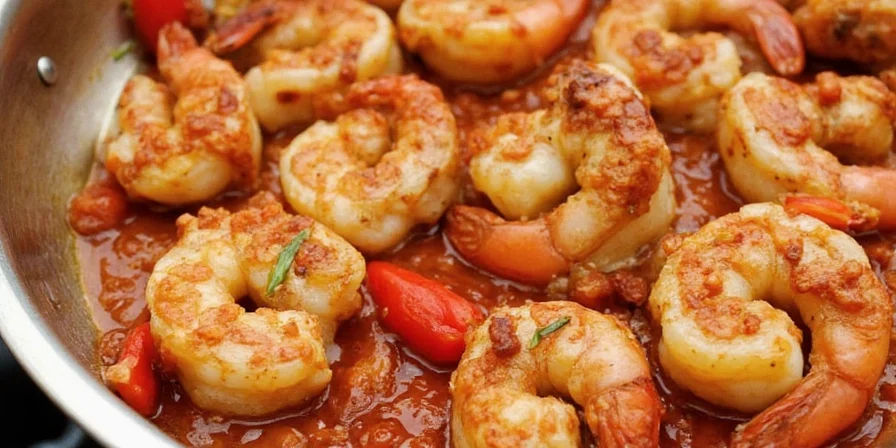
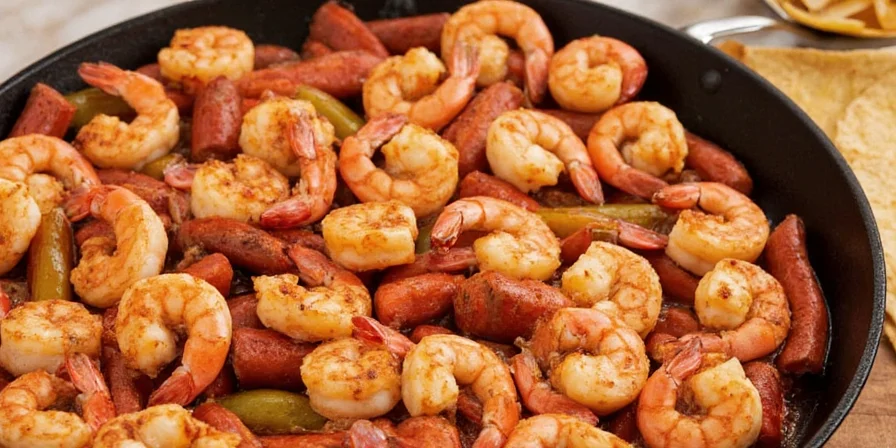
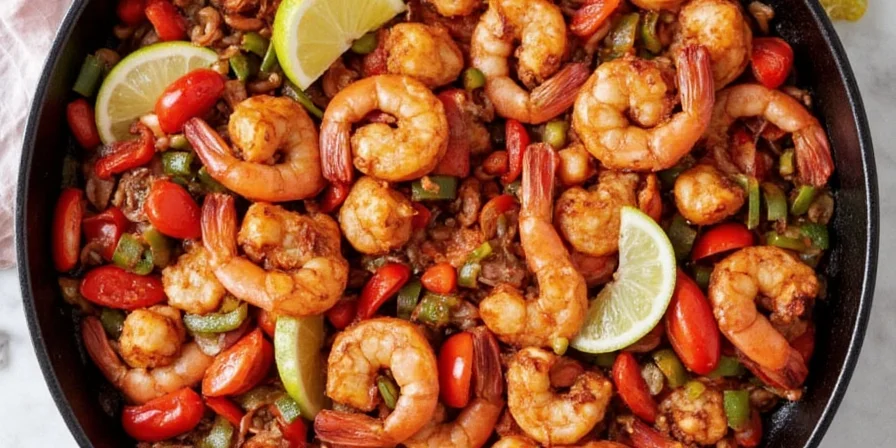
Visual Guide: Spice Pairing Chart
What Goes Well With These Fajitas?
- Drink: A chilled cucumber margarita or light Mexican lager
- Side: Cilantro-lime rice or spicy mango slaw
- Dessert: Coconut flan or dark chocolate-dipped strawberries
FAQs About Spicing Up Shrimp Fajitas
Can I use frozen shrimp?
Absolutely! Just thaw completely and pat dry before marinating.
Can I grill the shrimp instead?
You bet! Skewer them and throw them on the grill for that smoky outdoor flavor.
How spicy are these by default?
It depends on your spice blend. Start mild and adjust gradually — remember, you can always add heat, but you can't take it away.
Final Thoughts: Make Your Kitchen a Flavor Playground
Shrimp fajitas don’t have to be the same old weeknight standby. By simply swapping out a few spices or blending them differently, you can create a whole new culinary experience — right in your own kitchen.
So next time you’re staring at that spice rack wondering what to do with that random jar of sumac or cardamom pods, remember: you’ve got options. And your taste buds will thank you.
Now go forth and spice boldly!
Conclusion: From Basic to Bold — The Power of Spice Innovation
In the world of cooking, sometimes the smallest change yields the biggest impact. That’s the magic of innovative spice pairings. Whether you're sticking to tradition or experimenting wildly, your shrimp fajitas can become a canvas for global flavors and personal creativity.
From smoky to sweet, zesty to exotic, the only limit is your imagination. So keep those spices fresh, your curiosity hotter than habanero, and your fajitas unforgettable.
And hey, if you end up inventing the next big thing in spice combos, drop us a line — we want first dibs on tasting notes.




 浙公网安备
33010002000092号
浙公网安备
33010002000092号 浙B2-20120091-4