
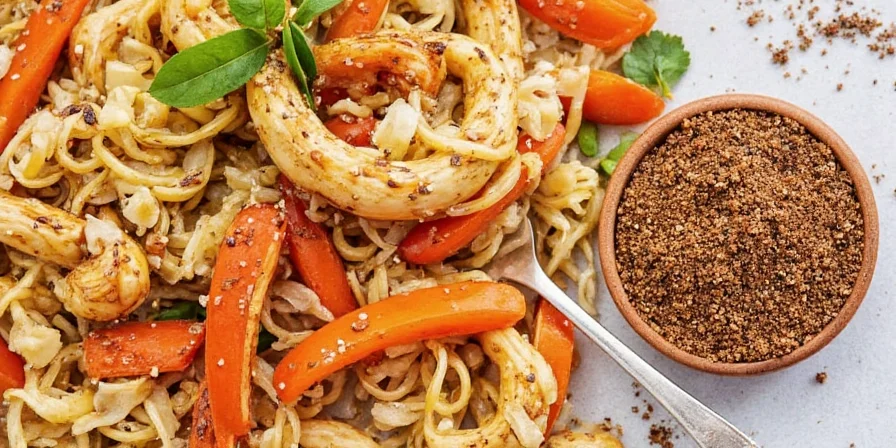
5 Unexpected Umami Seasoning Recipes That’ll Blow Your Taste Buds Away!
Welcome, fellow flavor explorers! If you're anything like me, the word 'bland' is your culinary kryptonite. Enter umami, the fifth taste sensation we all crave but rarely give credit where it's due. In this article, I'll share five unique and surprisingly easy umami seasoning recipes that will elevate your cooking from “meh” to “more please!” Whether you're a seasoned pro or just dipping your ladle into the spice world, these blends are sure to impress.
Table of Contents
- What Exactly Is Umami Anyway?
- Why Add Umami Seasonings to Your Pantry?
- The Top 5 Umami Seasoning Recipes You Need to Try
- Pro Tips for Storing and Using Your Homemade Umami Blends
- How to Pair These Seasonings with Everyday Ingredients
- Final Thoughts: Umami – The Flavor That Keeps on Giving
What Exactly Is Umami Anyway?
Let’s start at the beginning — what exactly *is* umami? First identified by Japanese scientist Kikunae Ikeda in 1908, umami translates to “pleasant savory taste.” It’s often described as meaty, brothy, or rich, and comes from foods naturally high in glutamates and nucleotides (like MSG, but not necessarily artificial).
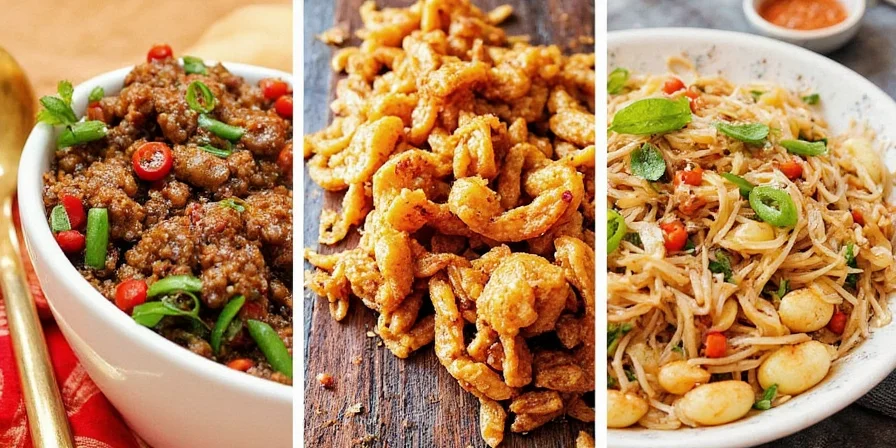
Some natural sources of umami include:
- Miso paste
- Dried mushrooms
- Seaweed (especially kombu)
- Anchovies and fish sauce
- Soy sauce and tamari
- Tomalie (sun-dried tomatoes), Parmesan cheese, and aged meats
When combined cleverly in a dry seasoning blend, these ingredients can pack a powerful flavor punch without the need for extra salt or sugar.
Why Add Umami Seasonings to Your Pantry?
You might be wondering, “If I already have soy sauce and miso, why make a seasoning blend?” Great question! Here are a few reasons:
- Versatility: Dry umami blends work wonders on roasted veggies, popcorn, grilled meats, eggs, fries — you name it.
- Convenience: No mess, no fuss. Just shake and enjoy.
- Customization: Make it YOUR signature blend. Play with ratios and add-ins based on your palate.
- Reduced sodium: Many store-bought seasonings are sky-high in salt. Making your own lets you control the salt content — perfect for heart-conscious cooks.
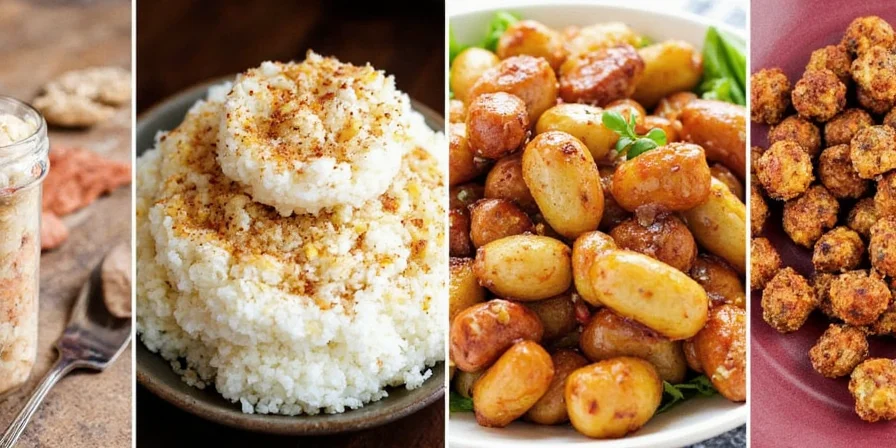
The Top 5 Umami Seasoning Recipes You Need to Try
Without further ado, let’s dive into the good stuff! Each of these umami seasoning blends uses simple ingredients, offers flexibility, and delivers knockout flavor.
1. Mushroom & Miso Magic Dust
- Ingredients:
- 2 tbsp dried shiitake mushrooms, ground
- 1 tbsp white miso powder (or toasted miso paste dried in oven first)
- 1 tsp nutritional yeast
- ½ tsp smoked paprika
- ¼ tsp garlic powder
- ¼ tsp onion powder
| Ingredient | Flavor Contribution | Substitute Options |
|---|---|---|
| Dried Shiitakes | Meaty, woodsy richness | Porcini or morels |
| Miso Powder | Savory depth | Fermented black beans (soaked and dried) |
| Nutritional Yeast | Cheesy umami | Parmesan rind (grated fine) |
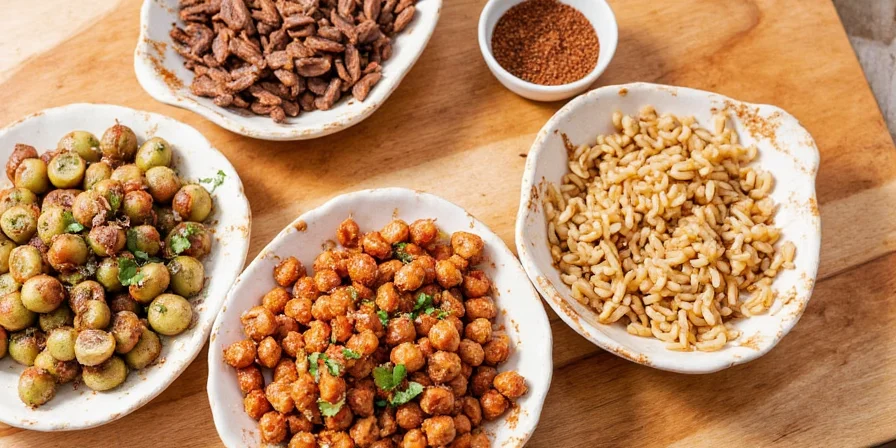
2. Smoky Anchovy Bomb Dust
- Ingredients:
- 4 anchovy fillets (oil-packed preferred), baked until crisp
- 1 tbsp smoked paprika
- 1 tbsp freeze-dried tomato powder
- ½ tsp cumin
- ¼ tsp black pepper
Tip: Use a coffee grinder dedicated to spices only — trust me, you don’t want anchovy-flavored coffee.
3. Nori & Sesame Toasted Wonder
- Ingredients:
- 2 sheets nori seaweed, toasted
- 1 tbsp sesame seeds, lightly toasted
- 1 tsp bonito flakes (optional)
- ½ tsp sea salt
- ¼ tsp ginger powder
This one's fantastic on rice, avocado toast, or even sprinkled over French fries. It’s like an umami tsunami in your mouth — in the best way possible.
4. Parmesan & Sun-Dried Tomato Powerhouse
- Ingredients:
- 2 tbsp grated Parmesan (dried in oven if fresh)
- 1 tbsp sun-dried tomatoes (no oil), finely chopped or powdered
- ½ tsp thyme
- ¼ tsp red pepper flakes
- ¼ tsp fennel seeds (crushed)
5. BBQ Meets Umami Fusion Rub
- Ingredients:
- 2 tbsp smoked paprika
- 1 tbsp molasses powder or freeze-dried mushrooms
- 1 tbsp brown sugar
- ½ tsp Worcestershire powder (optional)
- ½ tsp garlic powder
- ¼ tsp liquid smoke powder
This one’s perfect for grilled ribs, portobello steaks, or even roasted Brussels sprouts. It's the love child of American BBQ and Asian umami culture.
Pro Tips for Storing and Using Your Homemade Umami Blends
- Airtight storage: Keep your blends in glass jars away from heat and sunlight to preserve potency.
- Label everything: Note the date and ingredients used so you can tweak next time.
- Rehydrate carefully: Avoid adding moisture unless absolutely necessary; dampness can promote mold.
- Use sparingly: A little goes a long way — especially with anchovy-based blends!
- Experiment boldly: Mix two blends together for a custom flavor bomb. My favorite combo? Mushroom Miso + Nori Sesame = “Sushi-Ramen Fusion Dust” 🔥
How to Pair These Seasonings with Everyday Ingredients
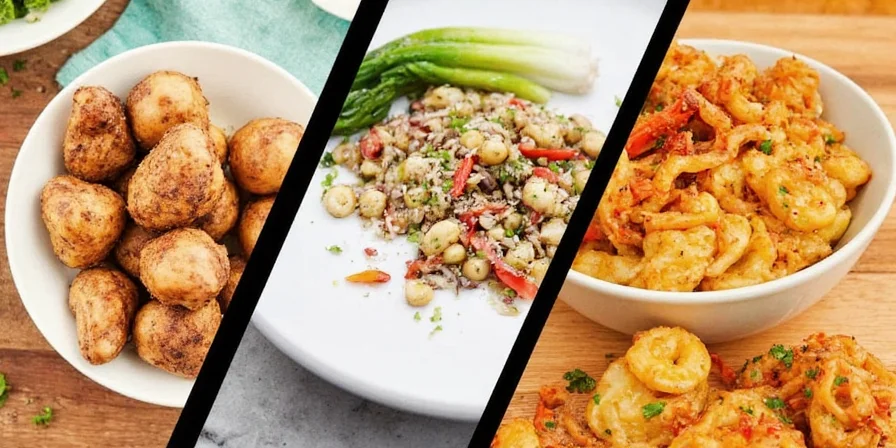
The beauty of umami seasoning is its ability to enhance almost any dish. Here’s a handy pairing guide to get you started:
| Seasoning Blend | Best For | Pair With |
|---|---|---|
| Mushroom & Miso | Roasted vegetables, tofu, ramen broth | Broccoli, carrots, eggplant |
| Smoky Anchovy Bomb | Popcorn, grilled steak, potato wedges | Butter, mayo, aioli |
| Nori & Sesame | Rice bowls, avocado toast, sushi rolls | Mayo, tamari, wasabi |
| Parmesan & Sundried Tomato | Pasta, focaccia, grilled zucchini | Olive oil, mozzarella, basil |
| BBQ Umami Rub | Grilled chicken, pork, sweet potatoes | Barbecue sauce, slaw, pickles |
Final Thoughts: Umami – The Flavor That Keeps on Giving
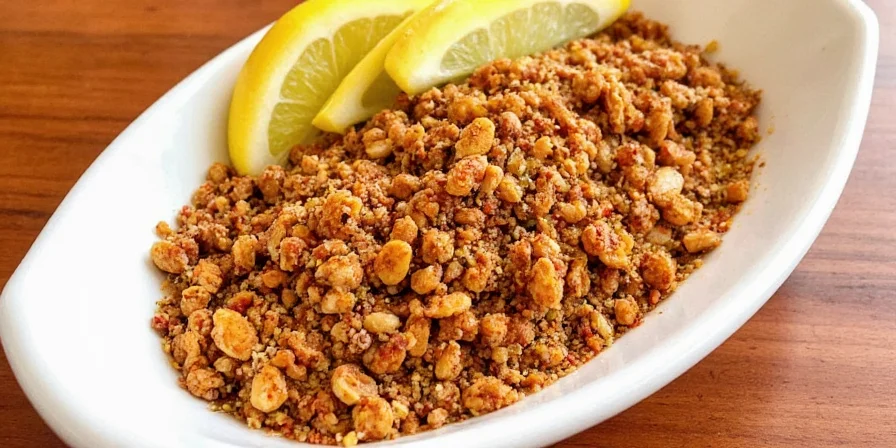
If there’s one thing I hope you take away from this article, it’s that umami isn’t just a buzzword — it’s a game-changer. By creating your own umami seasoning recipes, you’re not just making food tastier, you’re crafting experiences. From pantry staples to weekend dinner showstoppers, these blends open up a whole new dimension of flavor.
So go ahead — dust off those spice grinders, grab some dried mushrooms and anchovies, and start blending. Your taste buds will thank you, and your guests won’t stop asking, “What’s that amazing flavor??”
Stay spicy, friends 💃🌶️




 浙公网安备
33010002000092号
浙公网安备
33010002000092号 浙B2-20120091-4