
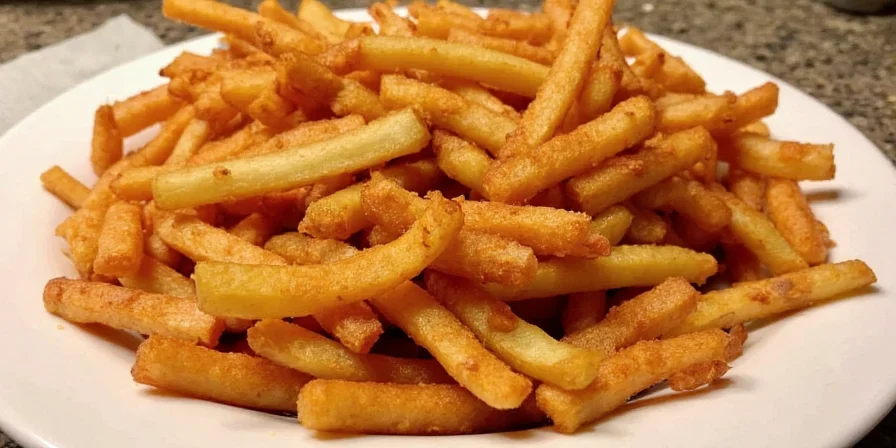
Hot Honey Rub Fries: When Sweet Meets Spicy in a Flavor Fiesta!
Imagine this: crispy golden fries, still warm from the fryer. A drizzle of honey that glistens like morning dew, then—BAM!—a cascade of spicy spice rub that tingles your tongue and makes your taste buds do the salsa. Welcome to the world of Hot Honey Rub Fries, where sweet meets heat in a culinary tango so irresistible it should probably come with a warning label.
In this article, we’re diving deep into one of the most buzzworthy flavor combos out there. Whether you're a seasoned chef or just someone who loves playing with condiments on your plate, you'll walk away with fresh ideas, pro tips, and maybe even a new favorite snack.
Table of Contents
- What Are Hot Honey Rub Fries Anyway?
- Why This Combo Works Like Magic
- How to Make Hot Honey Rub Fries at Home
- Spice Pairing Suggestions for Maximum Wow
- Pro Tips for Perfecting Your Fries
- Variations & Global Twists
- The Science Behind Sweet & Spicy
- Final Thoughts: Will You Join the Fries Revolution?
What Are Hot Honey Rub Fries Anyway?
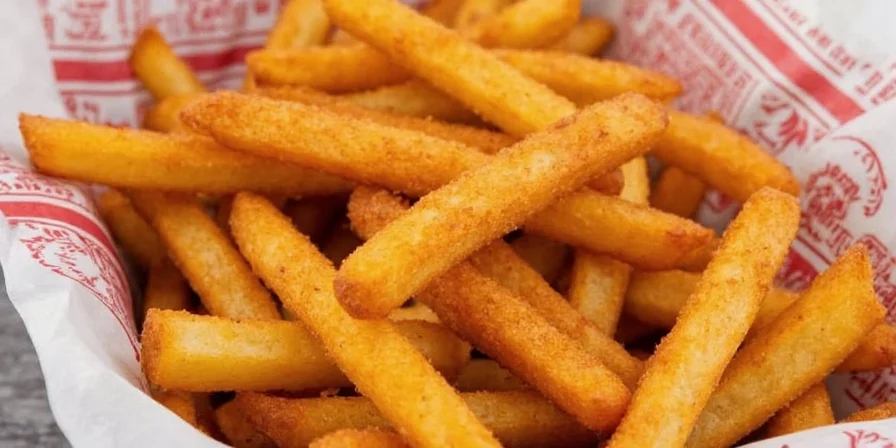
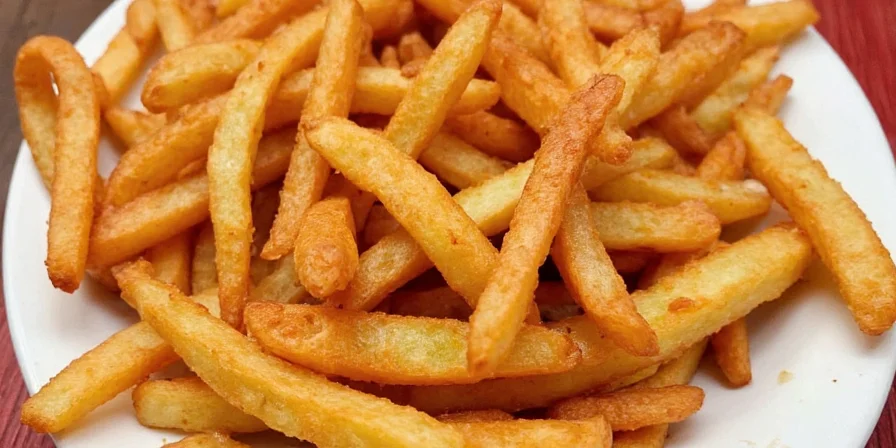
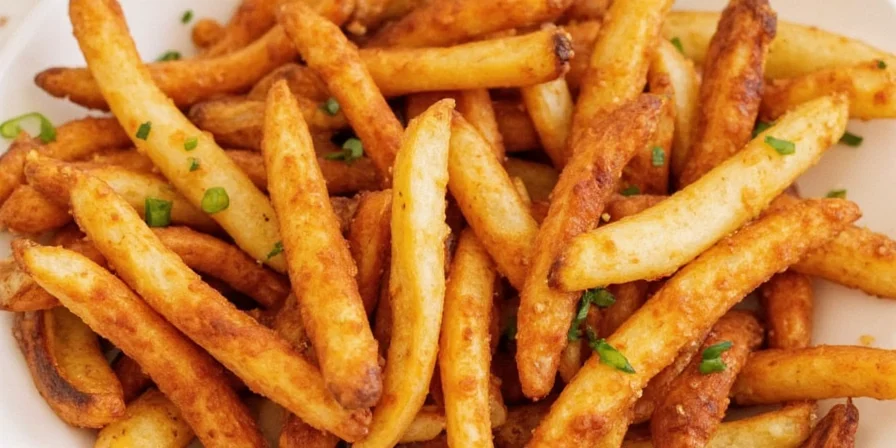
If you haven't had them yet, let’s fix that right now. Hot Honey Rub Fries are exactly what they sound like: crispy fries topped with a blend of hot spices (often paprika, cayenne, chili powder, or even crushed red pepper) and a generous drizzle of honey.
They’ve been popping up on trendy menus across foodie cities like Los Angeles, New York, and Austin, but the real magic is that you can make them at home—with zero fancy equipment and minimal ingredients. It's basically snack-time alchemy: turn humble potatoes into a flavor bomb.
Why This Combo Works Like Magic
The reason this combo hits so hard is simple science—and a little bit of culinary genius:
- Sweetness balances heat: The honey tempers the spice, preventing it from becoming overwhelming.
- Texture contrast: Crispy fries + gooey honey + dry rub = a textural symphony.
- Aroma boost: Many spice rubs include aromatic elements like garlic powder or smoked paprika that hit your nose before your mouth does.
| Flavor Element | Purpose |
|---|---|
| Honey | Softens spice, adds sweetness, enhances aroma |
| Cayenne Pepper | Provides baseline heat |
| Smoked Paprika | Adds depth and smoky complexity |
| Garlic Powder | Boosts savory umami notes |
| Salt | Enhances overall flavor perception |
How to Make Hot Honey Rub Fries at Home
Ready to get frying? Here’s how to whip up your own batch of Hot Honey Rub Fries without setting foot in a restaurant kitchen.
Ingredients
- 4 large russet potatoes
- Oil for frying (peanut oil works best)
- 2 tbsp honey (preferably raw for stronger flavor)
- 1 tsp smoked paprika
- ½ tsp cayenne pepper
- ½ tsp garlic powder
- Salt to taste
Steps
- Peel and cut potatoes into thick fries (about ½-inch wide).
- Soak in cold water for 30 minutes to remove excess starch.
- Rinse and pat dry thoroughly.
- Heat oil to 325°F (160°C) and fry for 3–4 minutes until pale and soft.
- Drain and let cool slightly (or place in oven at 200°F while prepping second fry).
- Increase oil temperature to 375°F (190°C), fry again for 2–3 minutes until golden and crispy.
- Toss warm fries with spice rub or sprinkle over the top.
- Drizzle with honey right before serving.
Spice Pairing Suggestions for Maximum Wow
Want to level up your game? Try these unexpected spice pairings that bring a whole new dimension to your hot honey fries:
- Citrus Zest: Add lemon or orange zest to the spice rub for a bright, refreshing contrast.
- Cumin: Adds earthiness and warmth that plays well with both honey and heat.
- Everything Bagel Seasoning: Salty, garlicky, and nutty—it complements the honey beautifully.
- Miso Powder: For an umami-packed twist, mix a pinch of miso into the rub.
- Lime Chili Salt: Sprinkle on top after drizzling honey for a Thai-inspired flavor explosion.
Pro Tips for Perfecting Your Fries
You’ve got the basics down. Now here are some pro-level tips to take your fries from “pretty good” to “mind-blowing”:
- Double-fry them: First fry softens the inside, second fry crisps the outside.
- Use room-temp oil: Cold oil will lower the temperature when you add fries—messes with crispness.
- Serve immediately: Don’t wait too long after drizzling the honey or they’ll get soggy.
- Play with oils: Try avocado oil for higher smoke point or sesame oil for extra flavor (use sparingly).
- Preheat the spice rub: Briefly toast the spices in a pan to unlock their aroma before using.
Variations & Global Twists
This isn’t just an American trend—let’s go global with these international takes on Hot Honey Rub Fries:
- Mexican Style: Mix chili powder, lime zest, and Tajín seasoning. Drizzle with agave instead of honey.
- Indian Inspired: Use chaat masala, amchur (dry mango powder), and a touch of turmeric. Top with tamarind chutney instead of honey for a tangy kick.
- Korean Kimchi Fries: Toss with gochugaru (Korean chili flakes), a splash of soy sauce, and drizzle with honey-mayo.
- Japanese Matcha Miso Twist: Blend matcha powder with miso and honey for an earthy, salty, sweet topping.
- North African Heat: Spice blend includes harissa, cumin, cinnamon, and a dash of orange blossom water.
The Science Behind Sweet & Spicy
Why do sweet and spicy flavors work so well together? Let’s geek out for a second:
- TRPV1 Receptors: Capsaicin in spicy foods activates these receptors, which are responsible for sensing heat. Honey’s sugar helps soothe that burn.
- Dopamine Rush: Our brains love novelty. Sweet + spicy is a unique combo that tricks the brain into thinking, “This is fun!”
- Contrast Theory: Flavors that contrast each other (like sweet and spicy) often enhance our enjoyment by stimulating multiple taste areas at once.
- Umami Boost: Some spice blends contain amino acids or glutamates that trigger umami—the fifth taste—which makes everything taste more intense.
Final Thoughts: Will You Join the Fries Revolution?
Hot Honey Rub Fries aren’t just a flash in the pan—they're a flavor revolution wrapped in a potato. With their perfect balance of sweet, salty, crunchy, and fiery, they check all the boxes for what makes a dish truly memorable.
Whether you stick to the classic combo or start experimenting with global twists, one thing’s for sure: these fries will never be boring again. So grab your spices, drizzle that honey, and get ready to impress your tastiest friends—or yourself on a lazy Sunday night.
Now go forth, season boldly, fry fearlessly, and honey-drip like a pro. The world needs more people who aren’t afraid to dip their fries in something wild.




 浙公网安备
33010002000092号
浙公网安备
33010002000092号 浙B2-20120091-4