
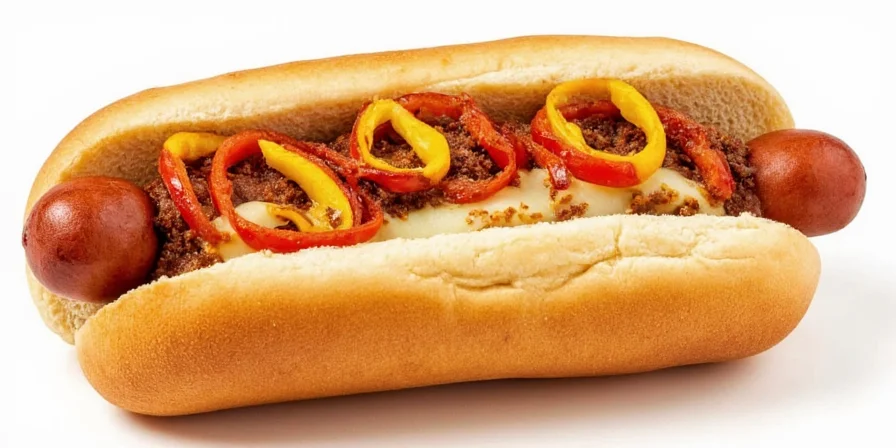
10 Surprisingly Delicious Spice Pairings for Your New York-Style Hot Dog (That Aren’t Just Relish)
You know the classic New York-style hot dog — steamed, snappy, slathered in tangy sauerkraut, spicy brown mustard, and a healthy squiggle of relish. But what if we told you that this humble street food could get even better with a sprinkle of spice magic?
Table of Contents
- The Legend of the NY Dog
- Spice It Up: 10 Bold & Innovative Combinations
- Pro Tips for Spicing Like a Street-Food Guru
- The Science Behind the Sizzle
- Conclusion
The Legend of the NY Dog
The New York-style hot dog is iconic — simple, satisfying, and steeped in history. You’ll find them from Coney Island to Central Park, served on paper trays or out of pushcarts. The traditional toppings? Sauerkraut, spicy mustard, and sweet relish. No ketchup. Ever.
But what if we took this legend and gave it a flavor facelift? Enter: Innovative Spice Pairings.
Spice It Up: 10 Bold & Innovative Combinations
Here’s where the magic happens. These 10 unconventional but delicious spice pairings will transform your standard street dog into a gourmet experience. Each pairing balances heat, aroma, texture, and umami to complement the hot dog’s smoky meatiness.
1. Smoked Paprika + Lime Zest
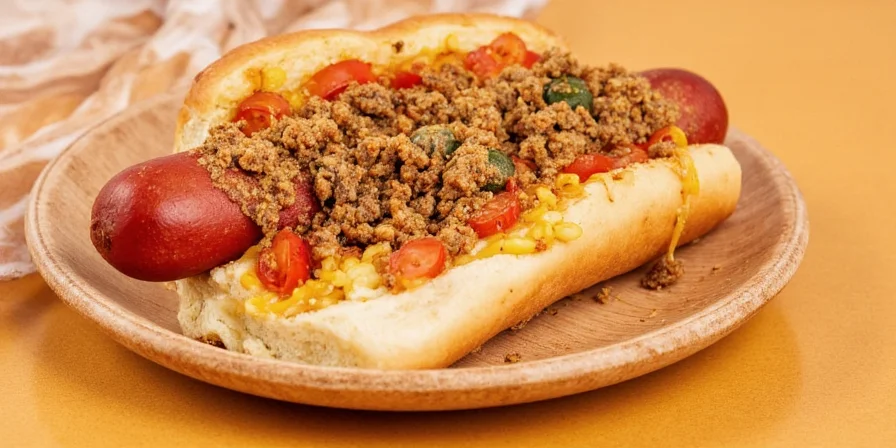
This earthy-meets-zesty combo brings a subtle smokiness that enhances the char of the grilled bun while the lime brightens up the richness of the sausage. Perfect for summer days!
2. Chili Flakes + Fennel Pollen
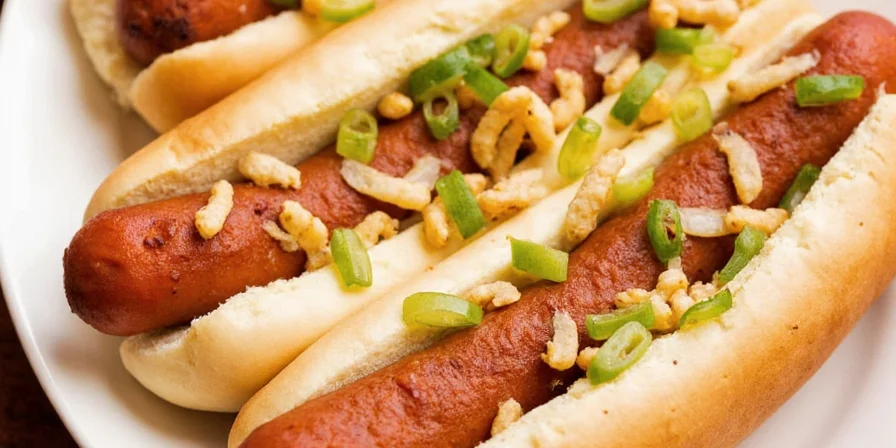
Fennel pollen adds floral sweetness that complements the heat from chili flakes. Together, they create a savory-spiciness that dances on your palate like a NYC jazz solo.
3. Sumac + Pickled Mustard Seeds
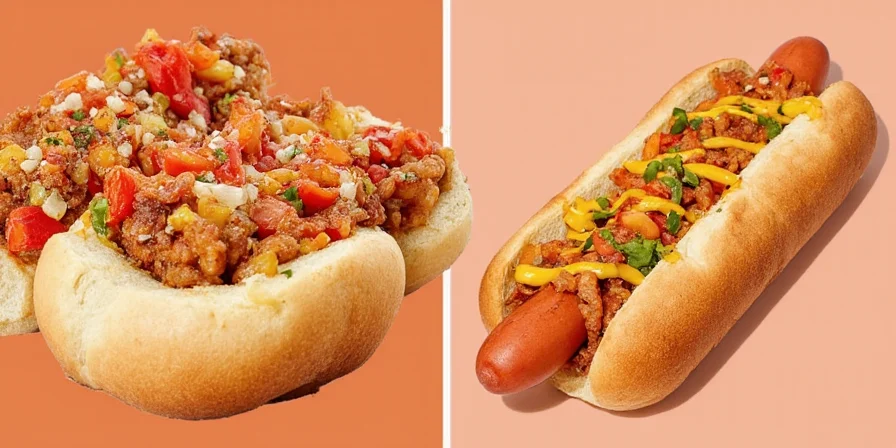
Sumac’s citrusy punch meets the briny pop of pickled mustard seeds. A flavor explosion that keeps your taste buds guessing between tangy, sour, and slightly nutty.
4. Aleppo Pepper + Sesame Oil Drizzle
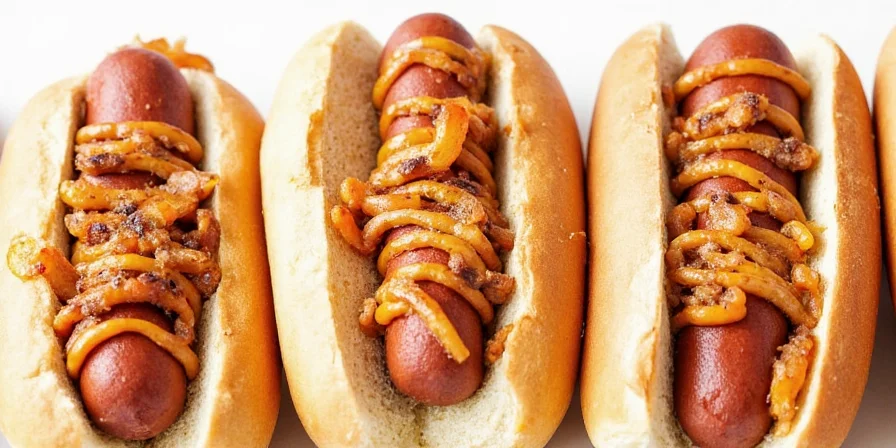
Aleppo pepper brings mild heat and fruity undertones, while sesame oil adds depth and richness. This Middle Eastern-inspired twist turns your dog into a flavor-forward street treat.
5. Za’atar + Tahini Slaw
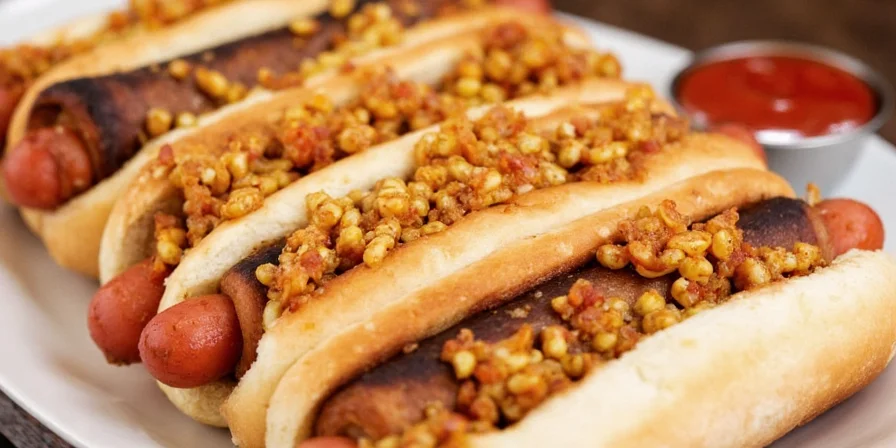
Za’atar’s herbaceous zing pairs beautifully with a creamy tahini-based slaw. Earthy, tangy, and packed with Mediterranean flair — ideal for adventurous eaters.
6. Gochugaru + Kimchi Relish
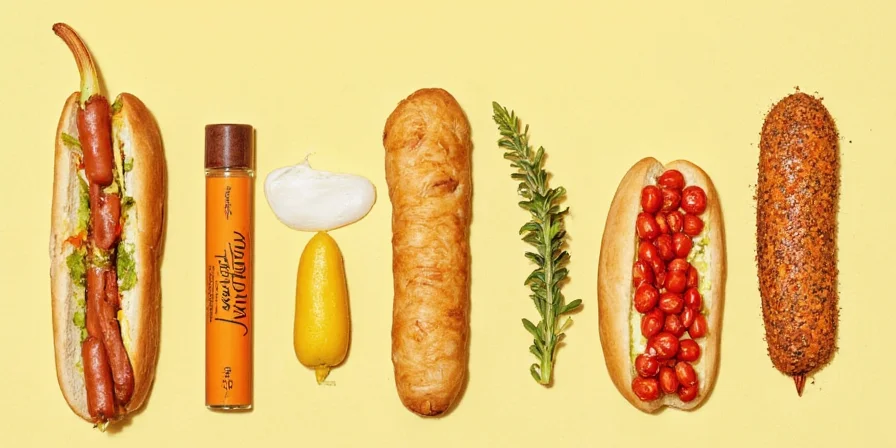
Korean-inspired heat with gochugaru (Korean red pepper) plus a homemade kimchi relish makes for a bold, umami-rich bite that screams fusion fun.
7. Star Anise + Maple Bacon Jam
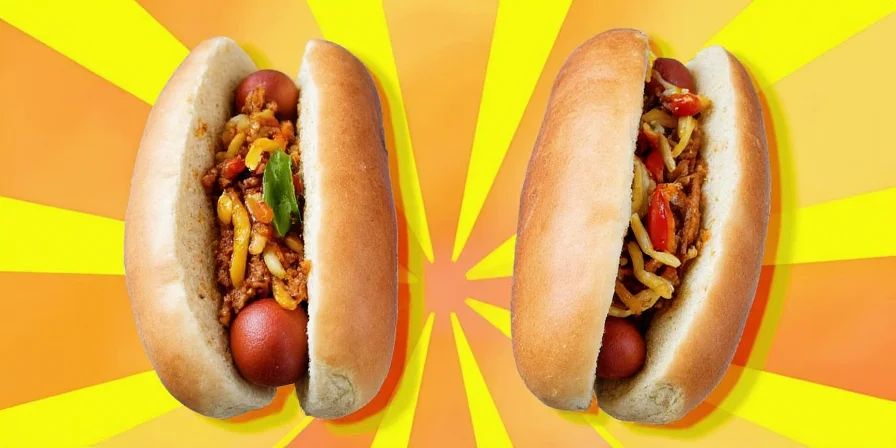
Sweet, licorice-like star anise meets smoky maple bacon jam. Think: sticky, spiced, and totally addictive. It's like fall in a hot dog bun.
8. Coriander + Pickled Jalapeños
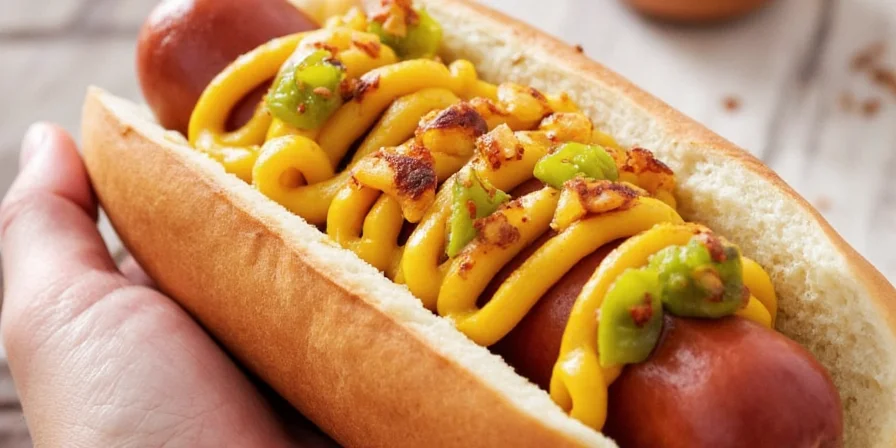
Dried coriander seeds add warm spice notes, while pickled jalapeños bring vinegary heat. A great way to add Mexican street-style flair without going full taco mode.
9. Cardamom + Orange Glaze
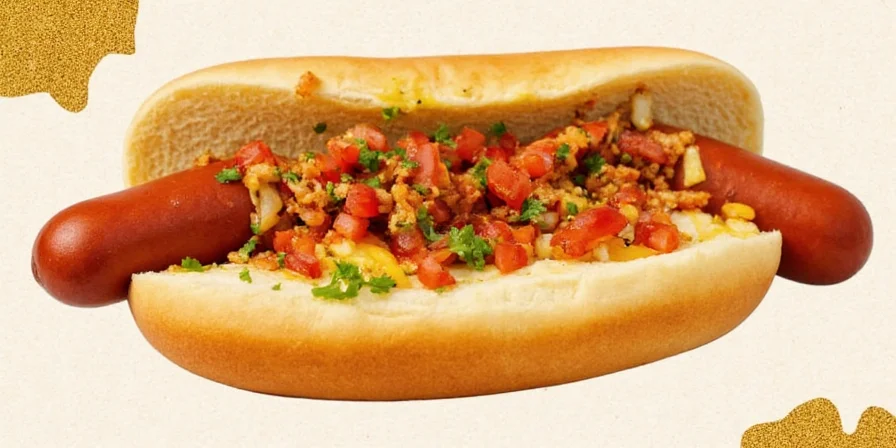
This unexpected combo blends sweet, floral cardamom with a citrusy orange glaze drizzled over the top. It might sound weird, but trust us — it works like magic.
10. Urfa Biber + Honey Butter
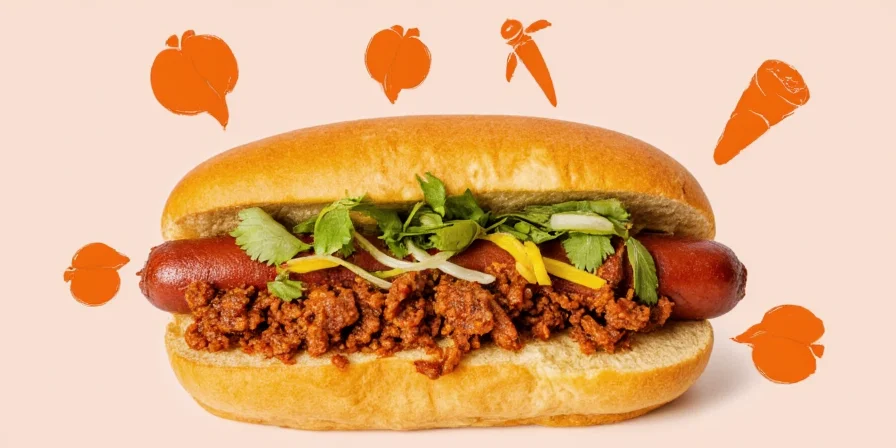
Urfa biber has a deep, smoky heat that’s tempered by sweet honey butter. This Turkish-inspired topping is rich, complex, and utterly unforgettable.
Pro Tips for Spicing Like a Street-Food Guru
Want to become a spice ninja next time you’re grilling up dogs at home? Here are some pro-level tips to keep in mind:
- Balance is Key: Don’t overpower the dog! Let the spices enhance, not mask, the meat.
- Layer Flavors: Start with dry spices first, then layer in sauces or garnishes for complexity.
- Test Before You Toast: Taste your spice mix before applying it to ensure it hits all the right notes.
- Don’t Forget the Bun: Brush it with spiced butter or olive oil to elevate the whole package.
- Keep It Fresh: Store spices properly in cool, dark places. Old spices = sad dogs.
The Science Behind the Sizzle
Let’s get geeky for a moment — why do these spice combos work so well with hot dogs?
| Spice Combination | Flavor Profile | Why It Works |
|---|---|---|
| Smoked Paprika + Lime Zest | Earthy + Bright | Paprika’s smokiness contrasts with lime’s acidity, balancing fatty sausage. |
| Gochugaru + Kimchi Relish | Umami + Heat | Korean fermented flavors harmonize with meat’s natural proteins. |
| Urfa Biber + Honey Butter | Smoky + Sweet | Opposites attract: caramelized sugars contrast smoky spice perfectly. |
| Za’atar + Tahini Slaw | Tangy + Creamy | Middle Eastern herbs blend seamlessly with rich dairy notes. |
Our brains crave contrast and complexity — and that’s exactly what these pairings deliver. From volatile compounds in spices activating our sense of smell to fat-binding flavor molecules in meats, it’s science made scrumptious.
Conclusion
The New York-style hot dog may be simple by tradition, but with a little spice creativity, it can be extraordinary. Whether you’re grilling in your backyard or dreaming of corner carts in Manhattan, don’t be afraid to experiment with global flavors and bold combinations.
From smoked paprika to za’atar, the world of spices is vast — and your taste buds are ready to explore. So next time you take a bite of that juicy frankfurter, ask yourself: what spice could make this sing?




 浙公网安备
33010002000092号
浙公网安备
33010002000092号 浙B2-20120091-4