
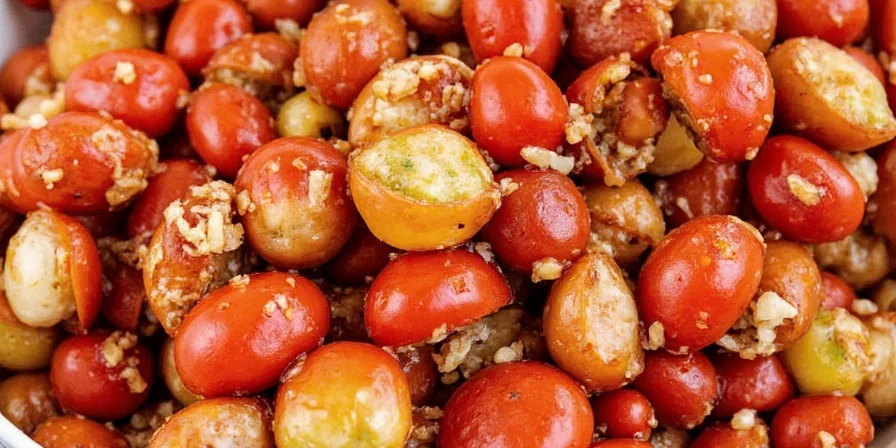
5 Unexpected Flavor Buddies for Chili: Who Knew Heat Could Taste This Good?
If you've ever wondered, "What's good with chili?" — you're not alone! Whether you're a home cook looking to spice up your next dish or a seasoned chef exploring deeper into the world of heat, this list is for you.
We’ll walk through five surprising spice pairings that will transform your chili game from basic back-of-the-tongue burn to full-blown flavor fireworks. Buckle up, spice lovers — it’s about to get deliciously spicy in here!
Table of Contents
- Introduction
- #1: Chili + Cinnamon – The Sweet & Spicy Dream Team
- #2: Chili + Citrus Zest – Brighten the Burn
- #3: Chili + Chocolate – Dark Magic on Your Plate
- #4: Chili + Ginger – The Dynamic Duo of Depth
- #5: Chili + Mint – Cooling Fire, Literally
- Pro Tips: Mastering the Art of Chili Combos
- Conclusion
#1: Chili + Cinnamon – The Sweet & Spicy Dream Team
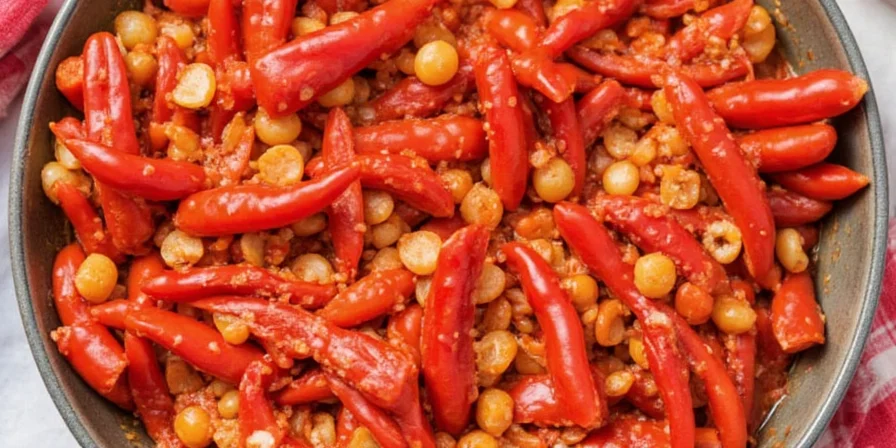
If you think cinnamon belongs only in cinnamon rolls, think again. When paired with chili, especially in dishes like mole or spiced stews, cinnamon adds a warm, earthy sweetness that balances out the fire.
- Bonus effect: Makes chili-based desserts (like chocolate-chili cake) extra seductive.
- How to use: Sprinkle a pinch into soups, rubs, or sauces. Don’t go overboard — a little goes a long way!
- Best chili types: Ancho, Guajillo, or even smoked paprika for milder warmth.
#2: Chili + Citrus Zest – Brighten the Burn
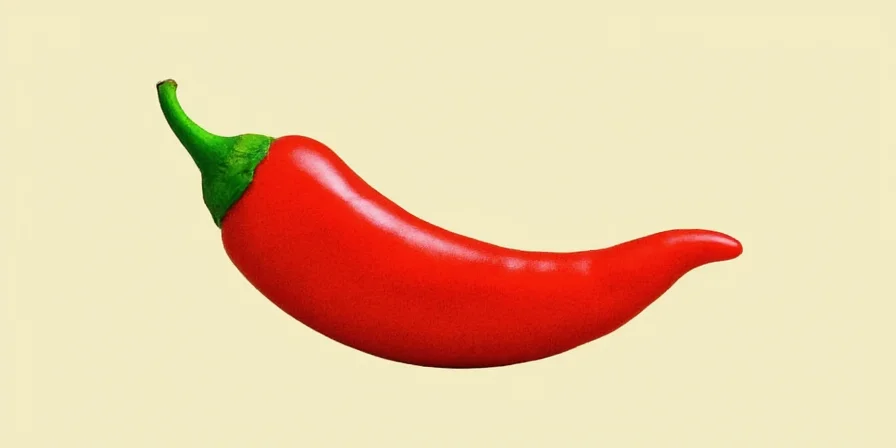
Citrus zest brings a zing that cuts through heat like a knife through butter. Lemon, lime, or orange zest can make your chili feel lighter and more vibrant, perfect for summery salsas or grilled meats.
- Pro tip: Try lemon zest in Thai curry paste or lime zest in fresh pico de gallo.
- Serving suggestion: Toss chili oil with citrus zest for an instant gourmet drizzle.
- Flavor profile: Tangy, fresh, and slightly floral when using orange or grapefruit zest.
#3: Chili + Chocolate – Dark Magic on Your Plate
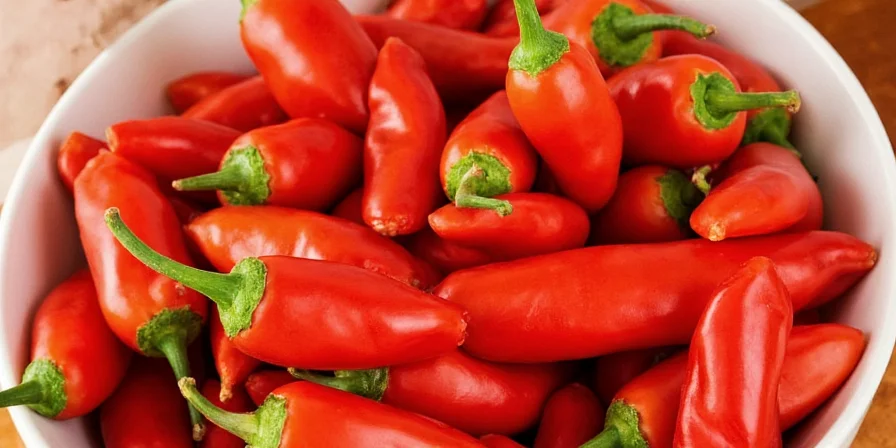
This combo sounds weird until you try it — and then it becomes borderline addictive. Mexican mole sauces have known this secret for centuries. The deep richness of chocolate softens the sharp edge of chili while enhancing its depth.
- Try this: Add a dash of chili powder to your next batch of dark chocolate brownies.
- Wine pairing: A bold red wine like Malbec complements both the heat and richness.
- Heat level: Best with medium-to-hot chilies like pasilla, mulato, or chipotle.
#4: Chili + Ginger – The Dynamic Duo of Depth
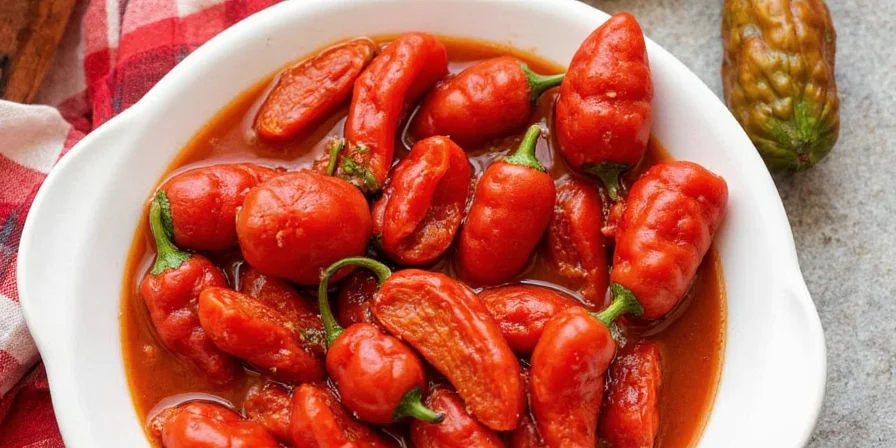
Chili and ginger might seem like two fiery personalities clashing, but they actually create a beautiful symphony of warmth and bite. Together, they boost each other’s complexity, especially in Asian-inspired dishes.
- Ideal dishes: Stir-fries, ramen broths, hot pots, and marinades.
- Tip: Grate fresh ginger and add chopped chili at the beginning of cooking to release the oils.
- Science bit: Both stimulate saliva and gastric juices — great for digestion and appetite stimulation!
#5: Chili + Mint – Cooling Fire, Literally
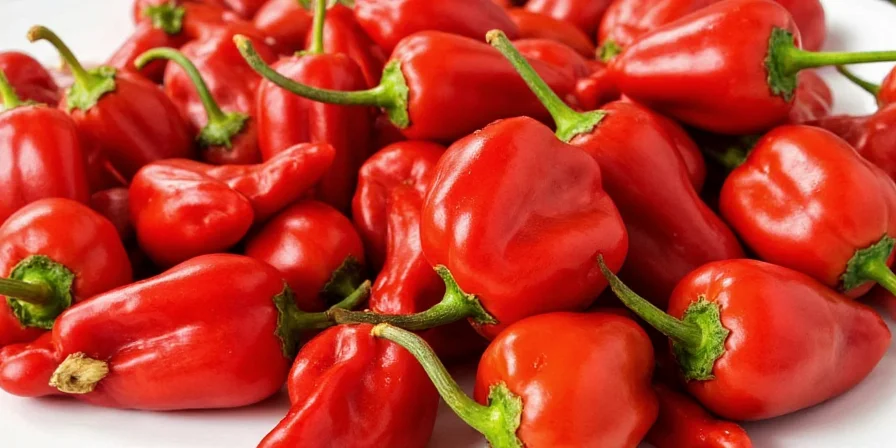
At first glance, mint and chili are like ice and fire — polar opposites. But together, they create one of the most refreshing taste contrasts out there. Think of classic Indian chutneys or Middle Eastern salads where mint cools down the heat.
- Use case: Perfect for garnishing grilled meats, flatbreads, or cooling down spicy curries.
- Pro hack: Make a quick mint-chili oil by blending chopped mint leaves with chili-infused oil.
- Flavor magic: The menthol in mint tricks your brain into thinking it’s cooler than it is — brilliant trick against spicy foods!
Pro Tips: Mastering the Art of Chili Combos
| Tip # | Chili Combo | Application | Why It Works |
|---|---|---|---|
| 1 | Chili + Cinnamon | Mole sauces, stews, desserts | Balances heat with warmth and sweetness |
| 2 | Chili + Citrus Zest | Salsas, marinades, dressings | Adds brightness and freshness |
| 3 | Chili + Chocolate | Desserts, moles, rich sauces | Depth and richness soften the spice |
| 4 | Chili + Ginger | Asian stir-fries, soups, marinades | Complexity and body-building warmth |
| 5 | Chili + Mint | Chutneys, dips, garnishes | Cooling contrast with fiery kick |
Want to get experimental? Here are some advanced moves:
- Toast your spices: Lightly dry-roasting chilies, cinnamon sticks, or cumin seeds before grinding unlocks a richer aroma.
- Infuse oils: Make homemade chili-mint or chili-citrus oils for an easy flavor upgrade.
- Balance pH: Sometimes adding a touch of acid (like vinegar or lime juice) helps balance overly spicy dishes.
- Layer flavors: Don’t just add all spices at once — build layers by sautéing aromatics first, then adding dried spices, followed by fresh chili last.
Conclusion

So, what’s good with chili? Pretty much everything — if you know how to play them right. From the sweet embrace of cinnamon to the cool kiss of mint, these five pairings prove that chili isn’t just about the burn. It’s about creating harmony between heat and flavor.
Whether you're a professional chef experimenting with global cuisines or a weekend warrior jazzing up your tacos, don't be afraid to blend, layer, and explore. With these combinations, every meal can become a spicy adventure.
Now go forth — and may your food always be flavorful and your lips just a little tingly!




 浙公网安备
33010002000092号
浙公网安备
33010002000092号 浙B2-20120091-4