

5 Game-Changing Herbs That’ll Make Your Steak Taste Like Heaven (Seriously!) 🥩✨
Steak lovers, unite! Whether you're a seasoned grill master or someone who just discovered the magic of a perfectly seared ribeye, one thing’s for sure: your steak deserves more than just salt and pepper. Enter herbs — nature's flavor bombs that can transform your meat from “meh” to magnificent.
In this article, we’re diving deep into the world of herb pairings for steak. From classic companions like rosemary to wildcards like epazote, you'll discover which green friends will take your steak game to the next level. And yes, there’s a chart. And yes, there are pictures. Let’s get started!

Table of Contents
- Why Herbs Matter for Steak
- Top 5 Herbs for Steak
- How to Pair Them With Cuts
- Pro Tips for Using Herbs
- Quick Herb Comparison Chart
- Final Thoughts
Why Herbs Matter for Steak
We all know salt and pepper are steak staples. But what if I told you that the right herb could make your taste buds throw a mini-party?
Herbs aren’t just about flavor — they bring aroma, texture, and depth to your dish. The volatile oils in fresh herbs infuse into hot fat as the steak cooks, releasing complex notes that elevate everything from marbling to crust. Plus, many herbs come packed with antioxidants and anti-inflammatory properties — so your dinner isn't just delicious, it's doing some good too.
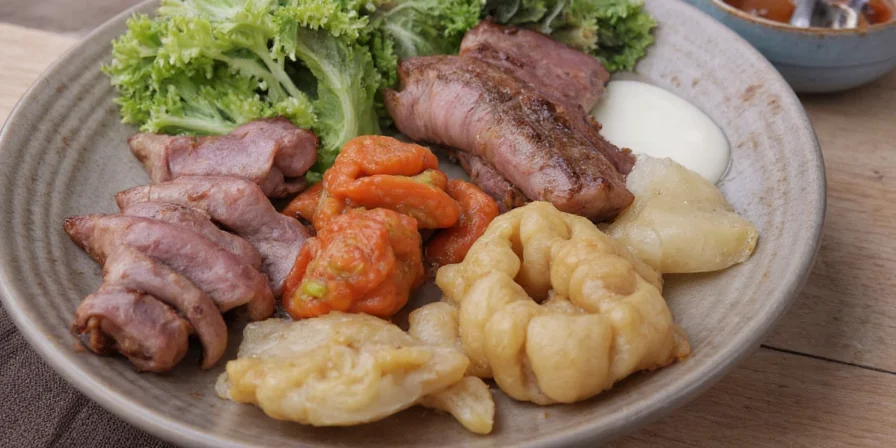
Top 5 Herbs That Take Steak to the Next Level
- Rosemary – Bold, piney, and oh-so-savory
- Thyme – Earthy, aromatic, and super versatile
- Oregano – Punchy and full of character
- Cilantro – Fresh, bright, and a little spicy
- Epazote – A hidden gem with a bold kick

Pairing Herbs With Different Cuts of Steak
Not all steaks are created equal — and neither are their herb soulmates. Here’s a breakdown of which cuts play best with each herb:
| Steak Cut | Best Herb Match | Why It Works |
|---|---|---|
| Ribeye | Rosemary | The rich marbling balances rosemary's boldness |
| New York Strip | Thyme | Its firm texture pairs well with thyme’s earthiness |
| Skirt Steak | Cilantro | Perfect for fajitas or Asian-style marinades |
| Flank Steak | Epazote | Adds a smoky, citrusy punch to leaner cuts |
| T-Bone | Oregano | Robust enough to complement both tenderloin and strip |

Pro Secrets to Unlock Maximum Herb Flavor
- Use fresh herbs when possible — Their vibrant flavors shine brighter than dried versions, especially when added at the end.
- Add early for roasted or grilled dishes — Rosemary and thyme hold up beautifully during longer cook times.
- Infuse butter or oil — Mix chopped herbs into melted butter or olive oil, then brush onto steak before or after cooking.
- Make compound butters — Blend herbs with softened butter, roll into a log, chill, and slice as needed.
- Don’t overdo delicate ones like cilantro — Add them raw or just before serving to preserve brightness.

Quick Herb Comparison: What Goes Where?
| Herb | Flavor Profile | Best For | How to Use |
|---|---|---|---|
| Rosemary | Piney, strong, resinous | Grilled, roasted, or slow-cooked steak | Whole sprigs, chopped, or infused oil |
| Thyme | Earthy, minty, subtle lemon | All-purpose herb for any cut | Chopped in rubs or mixed with salt/pepper |
| Oregano | Strong, peppery, slightly bitter | Mediterranean or Mexican-inspired dishes | Dried works great, or use fresh in marinades |
| Cilantro | Fresh, citrusy, divisive AF | Garnish or taco-ready skirt/flank steaks | Sprinkle raw over finished steak |
| Epazote | Lemony, resinous, mildly medicinal | Mexican or fusion dishes | Add sparingly near end of cooking |
Final Thoughts: Don’t Sleep on Herbs!
If you’ve been sticking to salt and pepper out of habit, it’s time to spice — or rather, herb — things up. Whether you go for the boldness of rosemary or the zing of cilantro, adding herbs to your steak routine is a simple way to unlock new levels of flavor and impress even the most carnivorous company.
So grab that bunch of thyme, sneak in some epazote, or pile on the oregano — your steak will thank you. And guess what? You’ll never look at your spice rack the same way again.





 浙公网安备
33010002000092号
浙公网安备
33010002000092号 浙B2-20120091-4