

Thyme vs. Rosemary: The Great Steak Spice Showdown (Spoiler: Both Win!) 🥩🌿
Table of Contents
- Why Herbs Matter for Your Steak
- Thyme: The Subtle Game-Changer
- Rosemary: Bold Flavor, Big Personality
- Thyme vs. Rosemary: Head-to-Head Comparison
- Innovative Pairings with Thyme and Rosemary
- Pro Tips for Perfect Herb-Crusted Steaks
- Simple Recipes to Try Tonight
- Final Thoughts: Which Herb Reigns Supreme?
Why Herbs Matter for Your Steak
Let’s face it—steak is already a flavor bomb. But slapping on some fresh herbs like thyme or rosemary? That’s like adding a cape to your superhero dinner plate. These two Mediterranean powerhouses can take your steak from “meh” to “magnifique” faster than you can say ‘medium-rare.’
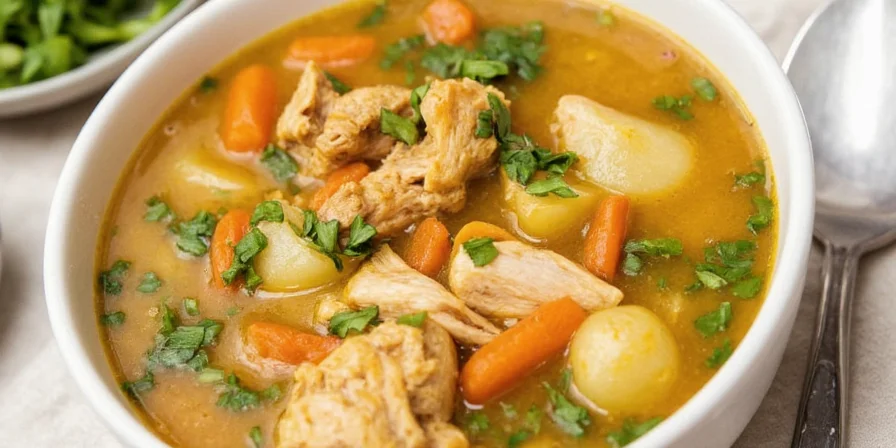
But wait… do you really know how they work? Let’s dig into what makes each herb special—and why you might want to keep both in your spice drawer.
Thyme: The Subtle Game-Changer
Thyme is the quiet genius in the back who knows all the answers but never raises their hand. It doesn’t shout at your taste buds—it whispers flavor. This humble herb brings an earthy, almost minty complexity that balances out the richness of a juicy ribeye or a tenderloin.
- Mild but mighty: Thyme enhances without overpowering.
- Best with butter: Mix thyme into compound butter for a luxurious finish.
- Versatile buddy: Works well with garlic, lemon, and even balsamic reductions.

Tip: Use whole sprigs while cooking, then remove them before serving—they’re tough to chew, but their aroma is unbeatable.
Rosemary: Bold Flavor, Big Personality
If thyme is the quiet genius, rosemary is the rockstar who lights up the room. With its pine-like fragrance and assertive flavor, rosemary demands attention. It adds depth and drama to your steak—especially when seared to perfection.
- Big on aroma: Rosemary fills your kitchen with a scent so good, your neighbors will peek through the window.
- Loves heat: Charring rosemary briefly intensifies its flavor and softens its sharp edges.
- Pairs with power: Pairs beautifully with roasted potatoes, mushrooms, and red wine sauces.
Pro tip: Crush or finely chop rosemary leaves before using to release their oils and maximize impact.
Thyme vs. Rosemary: Head-to-Head Comparison
| Feature | Thyme | Rosemary |
|---|---|---|
| Flavor Profile | Earthy, subtle, slightly minty | Piney, robust, aromatic |
| Boldness Level | Low to medium | High |
| Best Cooking Method | Low-and-slow roasting, butter infusions | High-heat searing, charred finishes |
| Pairing Power | Garlic, lemon, tomatoes | Mushrooms, potatoes, red wine |
| Texture Tip | Use whole sprigs; remove before eating | Chop finely or char lightly |

Innovative Pairings with Thyme and Rosemary
You don’t have to stick to the classics! Here are some creative ways to jazz up your steak night using thyme and rosemary:
- Thyme + Blue Cheese Crust: Grind dried thyme into blue cheese and breadcrumbs for a tangy, savory crust.
- Rosemary + Honey Glaze: Brush steak with honey and sprinkle chopped rosemary before finishing under the broiler.
- Thyme + Orange Zest: Brighten up your steak by adding thyme and a hint of citrus zest.
- Rosemary + Balsamic Reduction: Drizzle balsamic over a rosemary-seared steak for a sweet-tangy finish.
- Both Together!: Blend thyme and rosemary with olive oil and garlic for a dual-herb marinade that’s pure magic.
Pro Tips for Perfect Herb-Crusted Steaks
Want restaurant-quality herb-crusted steaks at home? Here’s how to nail it every time:
- Dry your steak first: Pat it down with paper towels to get that perfect sear.
- Season generously: Salt early and use a mix of freshly cracked black pepper and your favorite herbs.
- Prep your herbs right: Fresh or dried, make sure they’re ready to go before you start cooking.
- Sear first, rest later: Get a beautiful crust in a hot pan, then let it rest for maximum juiciness.
- Add herbs during cooking: Toss sprigs into the pan halfway through cooking for infused flavors.

Simple Recipes to Try Tonight
1. Thyme Butter Steak Bites
Serves 2 | Prep Time: 15 mins | Cook Time: 10 mins
- 2 tbsp unsalted butter
- 1 tbsp chopped fresh thyme
- 2 cloves garlic, minced
- 1 lb sirloin steak, cut into cubes
- Salt & pepper to taste
Cook the steak in a hot skillet until browned. Stir in thyme and garlic, season, and cook until desired doneness.
2. Rosemary Seared Skirt Steak
Serves 4 | Prep Time: 10 mins | Cook Time: 8 mins
- 1 bunch fresh rosemary, stems removed
- 2 tbsp olive oil
- 2 lbs skirt steak
- Salt, pepper, and crushed red pepper flakes
Chop rosemary finely and press into the steak along with salt and spices. Sear in a cast iron pan until deeply caramelized.
Final Thoughts: Which Herb Reigns Supreme?
So, thyme or rosemary for steak? Honestly, it depends on your mood and the occasion. Want something refined and nuanced? Go thyme. Feeling adventurous and bold? Bring on the rosemary!
The beauty of cooking steak is that there’s no one-size-fits-all approach. Whether you're hosting a fancy dinner party or grilling solo on a Tuesday night, thyme and rosemary give you the tools to elevate your game.
And hey—if you’re feeling extra wild, try combining them! A dash of both herbs can create a harmony of flavors that’s greater than the sum of its parts. Now go forth and herbify your steak like a pro.




 浙公网安备
33010002000092号
浙公网安备
33010002000092号 浙B2-20120091-4