
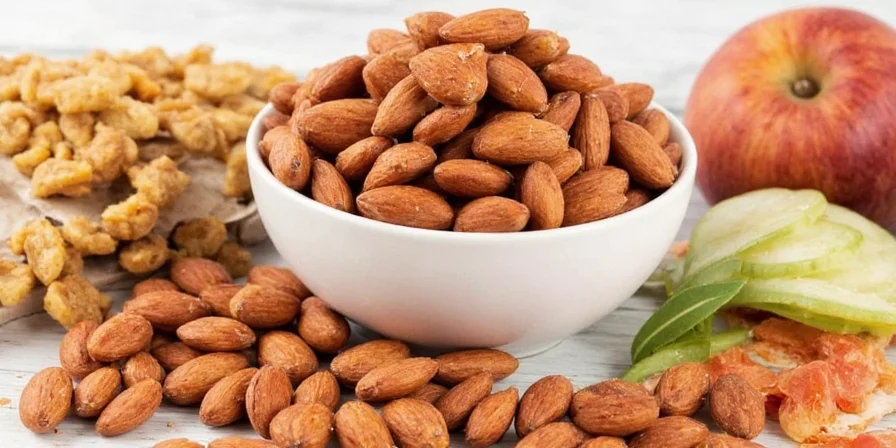
Sweet & Spicy Almonds: A Flavor Fusion Adventure for Your Taste Buds!
Table of Contents
- Why Sweet Meets Spicy Works So Well
- Top Spice + Sweet Combos for Almonds
- Pro Tips for Perfect Sweet & Spicy Almonds
- The Science Behind the Flavors
- Creative Ways to Serve (or Gift!) Your Sweet & Spicy Almonds
- Conclusion: Let Your Inner Spice Rebel Shine
Why Sweet Meets Spicy Works So Well
You know that magical moment when you bite into something that’s both sweet and fiery? It’s like a party in your mouth where everyone shows up wearing sequins and dancing on tables. But why does this combo work so well?
The science of taste is complex, but in short, sweet tones down the heat from spices just enough to keep things exciting without overwhelming your tongue. Capsaicin (the compound that makes chili peppers hot) tricks your brain into thinking it's being burned — and when sugar hits the scene, it's like someone showing up with a bucket of ice cream and saying, “Hey, chill out.”
Top Spice + Sweet Combos for Almonds
Ready to upgrade your almond game? Here are some creative, crowd-pleasing flavor combos to try at home. Each one brings its own personality — whether you're feeling cozy, bold, or totally wild.
| Sweet Element | Spice | Bonus Flavor Boosters | Vibe |
|---|---|---|---|
| Honey | Cayenne Pepper | Cinnamon, Sea Salt | Classic campfire sweetness with a kick. |
| Maple Syrup | Smoked Paprika | Bourbon-soaked vanilla bean | Cozy and smoky — perfect for fall nights. |
| Dark Chocolate Drizzle | Ancho Chili Powder | Orange Zest | Fancy date-night dessert vibes in nut form. |
| Brown Sugar | Ghost Pepper (Used sparingly!) | Butter, Vanilla Extract | Warning: May cause spontaneous dance moves. |
| Agave Nectar | Black Garlic Powder | Lime Zest | Umami meets heat — for the adventurous soul. |
Pro Tips for Perfect Sweet & Spicy Almonds
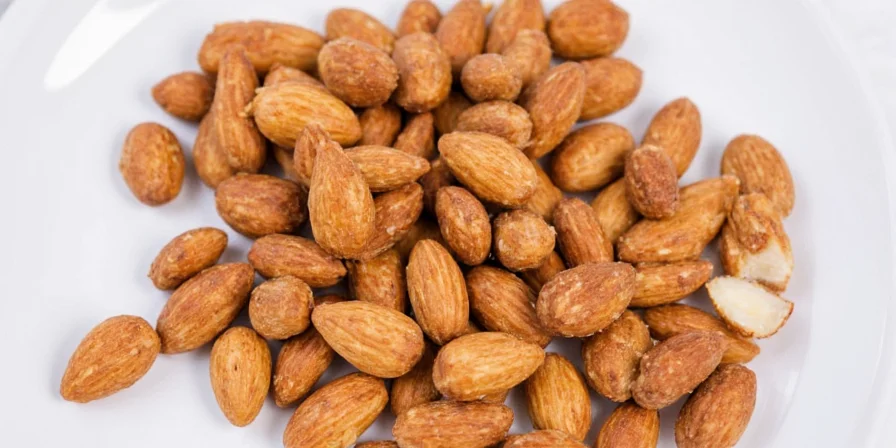
If you want your almonds to be the MVP of every snack bowl, here are some tried-and-true techniques to nail the flavor and texture:
- Use Raw Almonds: Roasting during the cooking process helps lock in flavors better than pre-roasted ones.
- Toss Generously: Make sure every almond gets a fair share of love from the syrup and spices.
- Bake Low and Slow: 300°F (150°C) for 20–25 minutes. Stir occasionally to prevent burning.
- Let Them Cool: They crisp up as they cool — patience pays off!
- Storage Tip: Keep them in an airtight container. They last up to 2 weeks… if they survive that long.
The Science Behind the Flavors
We’re not just talking about random mixing here — there’s actual neuroscience behind why certain sweet and spicy combos hit so hard. Here’s a quick breakdown:
- Sweetness activates our reward system via dopamine release — think of it as your brain giving itself a high-five.
- Spiciness triggers pain receptors, which then signals the body to release endorphins — nature’s way of saying, “Ow, that hurt… but now I feel amazing!”
- Combined, these two sensations create a kind of flavor euphoria. Think of it like emotional whiplash — in the best possible way.
Creative Ways to Serve (or Gift!) Your Sweet & Spicy Almonds
Once you’ve mastered the art of spiced almonds, don’t just eat them straight out of the bowl — show them off! Here are some fun ideas:
- Snack Bowl Upgrade: Mix with popcorn, pretzels, or dried fruit for a DIY trail mix station.
- Bar Garnish: Crush and sprinkle over cocktails for a sweet-spicy rim.
- Ice Cream Topper: Add crunch and flair to vanilla or chocolate bases.
- Gift Idea: Pack into mason jars with cute labels and ribbons — instant hostess gift gold.
- Charcuterie Board MVP: Place a small dish next to cheeses and cured meats — balance perfection.
Conclusion: Let Your Inner Spice Rebel Shine
Sweet and spicy almonds aren’t just a snack — they’re a culinary rebellion wrapped in a nut shell. Whether you're experimenting with smoked paprika or going full ghost pepper daredevil, there’s no wrong way to play with flavors… just different levels of bravery.
So go ahead — roast those almonds, toss them in magic dust, and let your taste buds throw the party they deserve. After all, life’s too short for boring snacks.




 浙公网安备
33010002000092号
浙公网安备
33010002000092号 浙B2-20120091-4