
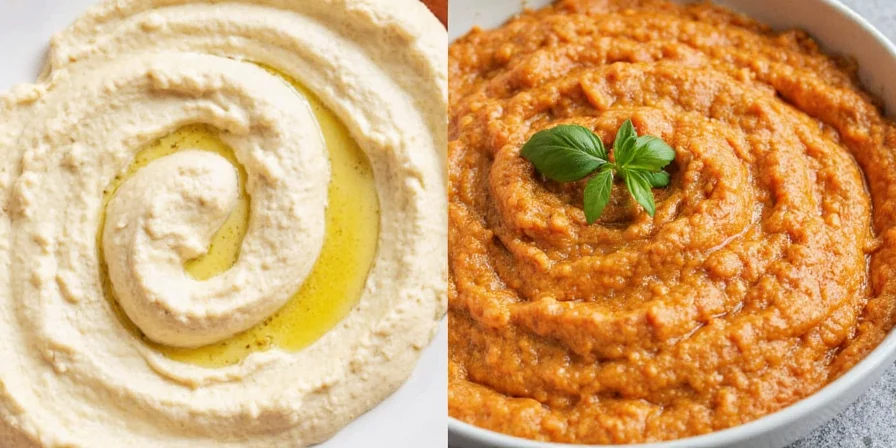
From Hummus to Harissa: 7 Unexpected Tahini Sauce Ingredients You Need to Try
Alright, fellow spice adventurers, gather around. We’re diving into the creamy, nutty, umami-rich world of tahini sauce — and trust me, this isn’t just your average hummus buddy. Whether you're a pro chef or a weekend kitchen warrior, this post will blow your flavor socks off.
Table of Contents
- What Even Is Tahini Sauce Anyway?
- The Classic Base: Sesame Seeds, Oil & Lemon
- Spice Up Your Life: Unexpected Ingredients
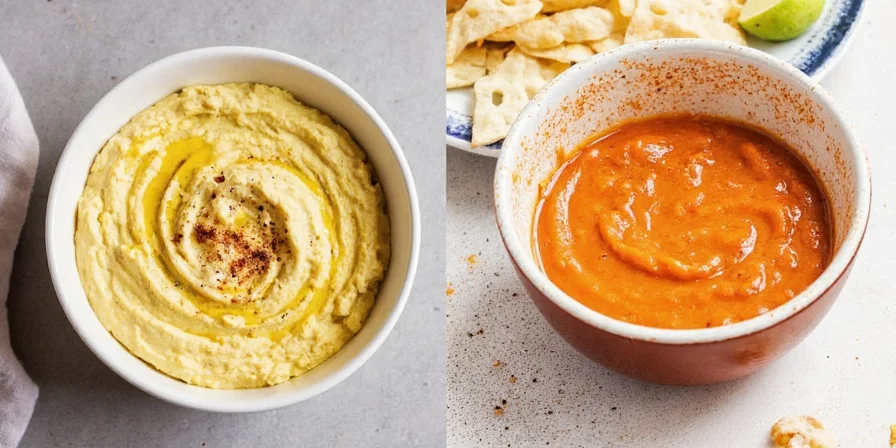
- Tahini Sauce Ingredient Showdown
- Pro Tips for Perfection
- Final Thoughts
What Even Is Tahini Sauce Anyway?
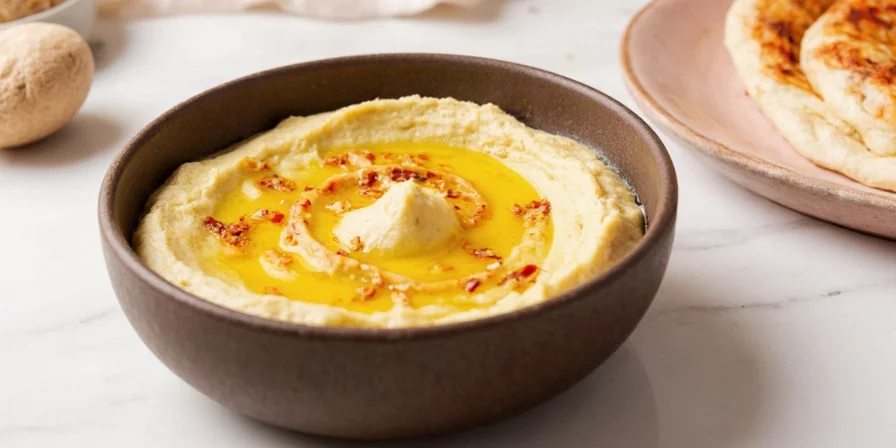
Tahini sauce starts with one humble ingredient: ground sesame seeds. But when you blend it with oil (usually neutral like grapeseed or sunflower), lemon juice, garlic, and maybe a dash of salt — magic happens. It’s creamy without dairy, nutty without nuts, and versatile enough to jazz up everything from falafel to French fries.
The Classic Base: Sesame Seeds, Oil & Lemon
Before we start throwing harissa and hot honey into our tahini sauces, let's respect the OG combo:
- Sesame paste (tahini): The soul of the sauce.
- Lemon juice: Brightens everything up.
- Garlic: Adds that raw, spicy kick.
- Olive or neutral oil: Makes it silky smooth.
- Water or aquafaba: For adjusting consistency.
Spice Up Your Life: Unexpected Ingredients
Now, let’s get wild. Here are 7 unexpected tahini sauce ingredients that’ll take your dips from “meh” to “moan-worthy.”
1. Harissa Paste
Add a tablespoon of harissa paste for smoky heat that tingles your taste buds. Perfect for drizzling over roasted eggplant or grilled lamb.
2. Sumac
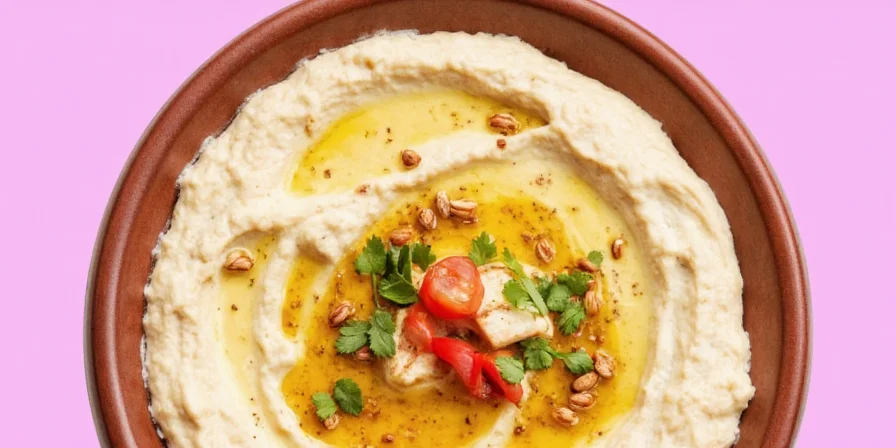
This tangy, citrus-like spice adds brightness and depth. Sprinkle some sumac into your tahini sauce before serving over shawarma or kebabs.
3. Za’atar
A Middle Eastern herb blend usually containing thyme, sesame seeds, sumac, and salt. Mix directly into your tahini sauce or sprinkle on top for an aromatic punch.
4. Tamarind Paste
Want something sweet, sour, and savory? Add a teaspoon of tamarind paste. Great with grilled veggies or as a dipping sauce for samosas.
5. Miso Paste
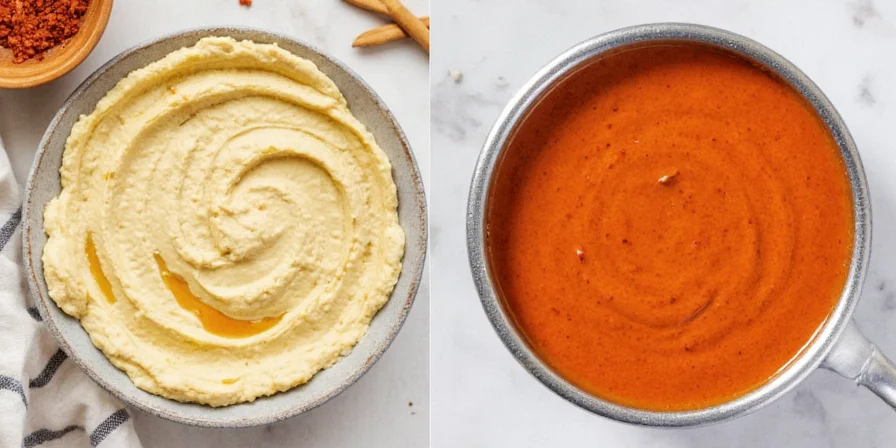
Add a spoonful of white miso for umami richness. This Japanese twist pairs well with soba noodles or roasted mushrooms.
6. Maple Syrup or Date Molasses
A touch of sweetness balances out the bitterness of tahini. Drizzle maple syrup or date molasses into your sauce for a dessert-friendly dip or salad dressing.
7. Black Garlic
Black garlic is fermented, mellow, and intensely savory. Mash one clove into your tahini sauce for a rich, balsamic-like depth.
Tahini Sauce Ingredient Showdown
| Ingredient | Flavor Profile | Best Use | Heat Level |
|---|---|---|---|
| Harissa Paste | Smoky, spicy, earthy | Grilled meats, roasted vegetables | 🌶️🌶️ |
| Sumac | Zesty, bright, lemony | Kebabs, flatbreads, yogurt bowls | 🌶️ |
| Za'atar | Herby, nutty, tangy | Dips, breads, sandwiches | 🌶️ |
| Tamarind Paste | Sweet-sour, complex | Vegan wraps, Indian snacks | — |
| Miso Paste | Umami-rich, savory | Asian fusion dishes, noodle bowls | — |
| Maple Syrup | Sweet, floral | Fruit dips, dressings | — |
| Black Garlic | Balsamic-like, deep | Pasta sauces, mushroom dishes | — |
Pro Tips for Perfection
- Adjust the texture: If your tahini sauce becomes too thick, add water or aquafaba a teaspoon at a time until you reach your dream consistency.
- Let it rest: Letting the sauce sit for 30 minutes allows the flavors to meld together beautifully.
- Toast spices first: Toasting sumac or za’atar lightly in a dry pan enhances their aroma and flavor.
- Balance acidity: If the lemon makes your sauce too sharp, add a pinch of sugar or honey to balance it out.
- Storage: Keep it refrigerated in a sealed jar for up to 5 days. Stir well before using again.
Final Thoughts
Tahini sauce is more than just a condiment — it’s a canvas. With these unexpected tahini sauce ingredients, you can create bold, globally inspired variations that cater to every craving. Whether you go for fiery harissa or earthy black garlic, your taste buds won’t know what hit them.
So go ahead — experiment, taste, tweak, and most importantly… have fun with it!




 浙公网安备
33010002000092号
浙公网安备
33010002000092号 浙B2-20120091-4