
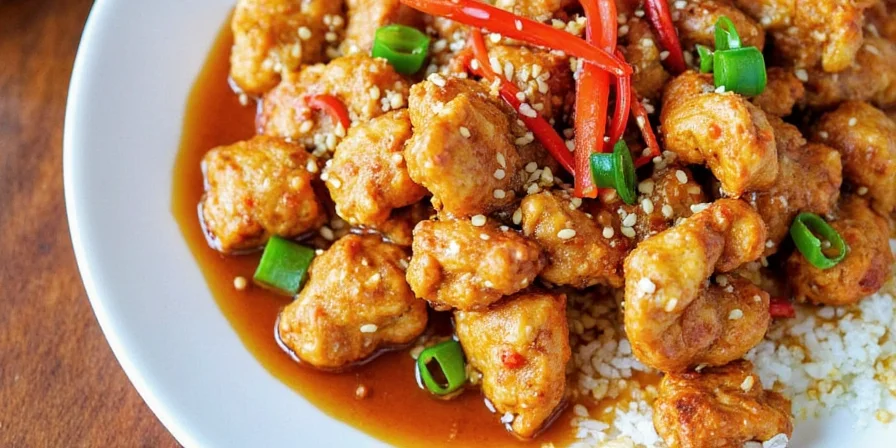
Thai Chicken Seasoning: Spice Up Your Life with These Savory Secrets
Welcome to a flavorful journey across the globe! If you’ve ever bitten into a piece of Thai-style grilled chicken and thought, “What in the name of chilies is making this taste so dang good?” — then this article is for you. We’re diving deep into the world of Thai chicken seasoning, from its aromatic roots to modern-day kitchen hacks that will turn your dinner into a tropical street food festival.
Table of Contents
- Why Thai Chicken Seasoning Rocks
- Core Ingredients of Authentic Thai Chicken Seasoning
- The Secret Behind Regional Variations
- Pro Tips for Using Thai Chicken Seasoning Like a Boss
- DIY vs Store-Bought: Which One Wins?
- Thai Chicken Seasoning Around the World
- Visual Comparison Table: Common Thai Chicken Seasoning Ingredients
- Final Thoughts
Why Thai Chicken Seasoning Rocks
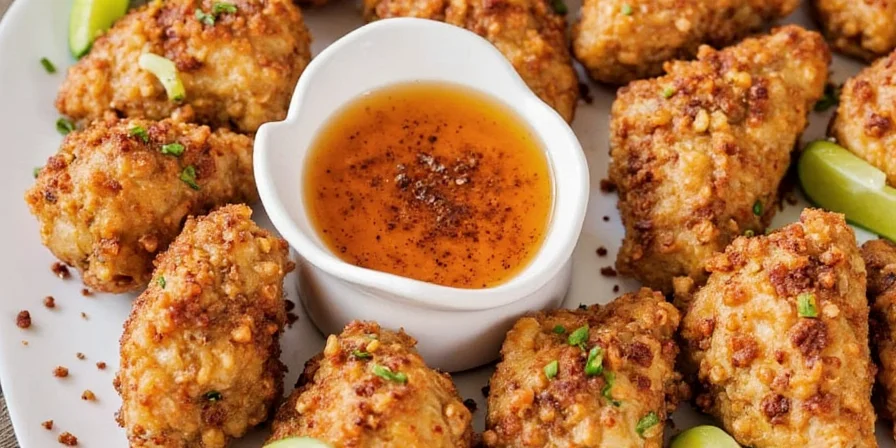
Let’s face it — chicken can be boring if you don’t spice things up (pun very much intended). Thai cuisine has perfected the art of balance: sweet, salty, sour, and spicy all play their part. Thai chicken seasoning isn’t just about slapping on some chili powder; it’s an orchestra of flavor notes working together in harmony.
The beauty of Thai chicken seasoning lies in its versatility. Whether you're grilling, pan-searing, or roasting, a well-balanced blend can transform humble chicken into a culinary masterpiece. Plus, it pairs beautifully with everything from rice noodles to coconut-infused curries.
Core Ingredients of Authentic Thai Chicken Seasoning
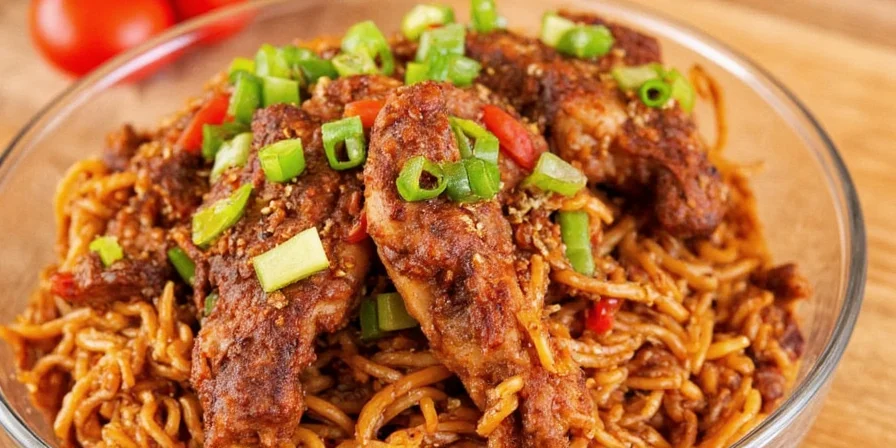
While recipes vary from household to household (and chef to chef), there are a few key players you’ll almost always find in a traditional Thai chicken seasoning blend:
- Fish sauce – The salty backbone of Thai cuisine
- Lime zest & juice – For that zesty tang
- Bird’s eye chilies – Bring the heat without being overpowering
- Garlic & ginger – Aromatics that build depth
- Coriander root or seeds – Earthy complexity
- White pepper – Subtle warmth without the kick
- Sugar – Balances out the salt and spice
Some blends may also include lemongrass, turmeric, or even a touch of palm sugar for caramel undertones. But these seven ingredients form the holy grail of Thai chicken seasoning.
The Secret Behind Regional Variations
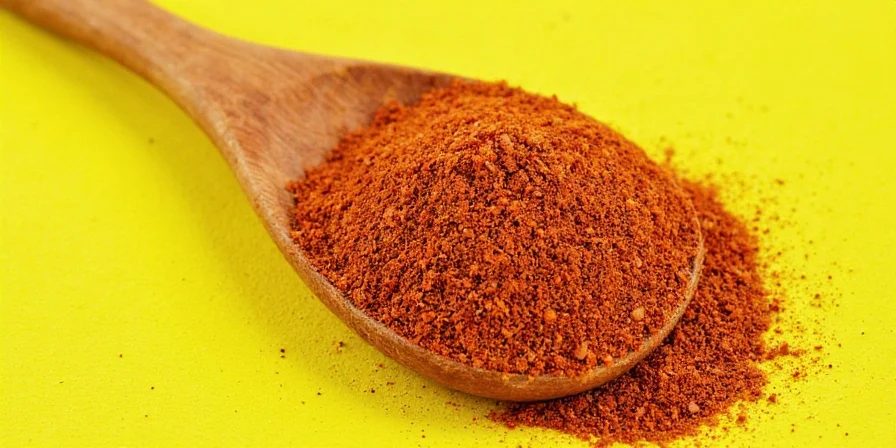
Like most cuisines rooted in tradition, Thai chicken seasoning varies depending on where you are in Thailand. Here’s a quick breakdown:
| Region | Common Ingredients | Flavor Profile |
|---|---|---|
| Central Thailand | Fish sauce, garlic, bird’s eye chilies | Well-balanced, mildly spicy |
| North Thailand | Coriander root, ginger, soy sauce | Earthy, umami-rich |
| Isaan (Northeast) | Jeow som (fermented crab), more chili | Intense, funky, fiery |
| South Thailand | Cumin, turmeric, dried shrimp paste | Spicy, pungent, deeply fragrant |
These regional differences highlight how local ingredients and cultural influences shape flavor profiles. Pro tip: Try replicating one region’s style per week and see which one becomes your new obsession!
Pro Tips for Using Thai Chicken Seasoning Like a Boss
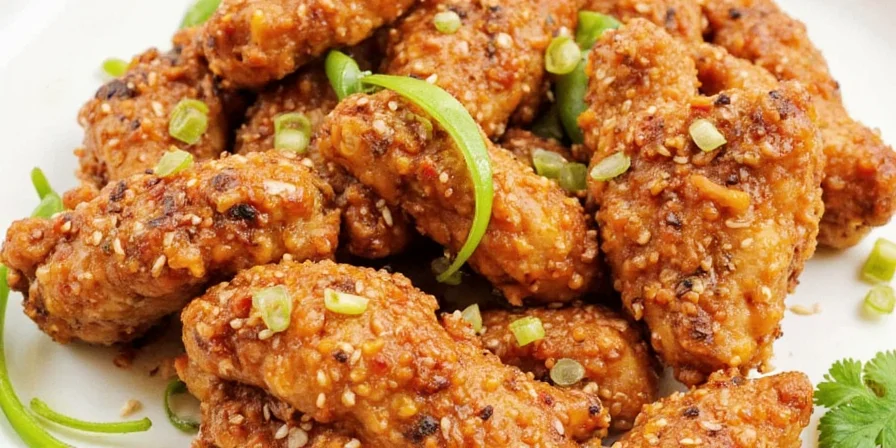
You’ve got the seasoning — now what? Here are some insider tips from chefs who’ve mastered the art of Thai chicken marinades:
- Marinate overnight: Give those flavors time to cozy up to the chicken. At least 6 hours, preferably overnight.
- Rub, don’t pour: Use your hands to work the seasoning into every nook and cranny for maximum absorption.
- Add a binder: Mix in a little oil or yogurt to help the spices stick better during cooking.
- Rest before serving: Let your chicken rest for 5–10 minutes post-cooking. This locks in juiciness.
- Toast the dry spices first: Toast coriander seeds or cumin in a dry pan before grinding them — it unlocks hidden layers of flavor.
- Balance is key: Taste as you go. If it’s too salty, add lime. Too bland? Add more aromatics like garlic or lemongrass.
- Don’t forget the finish: Sprinkle fresh herbs like cilantro or basil on top for a final flourish.
DIY vs Store-Bought: Which One Wins?
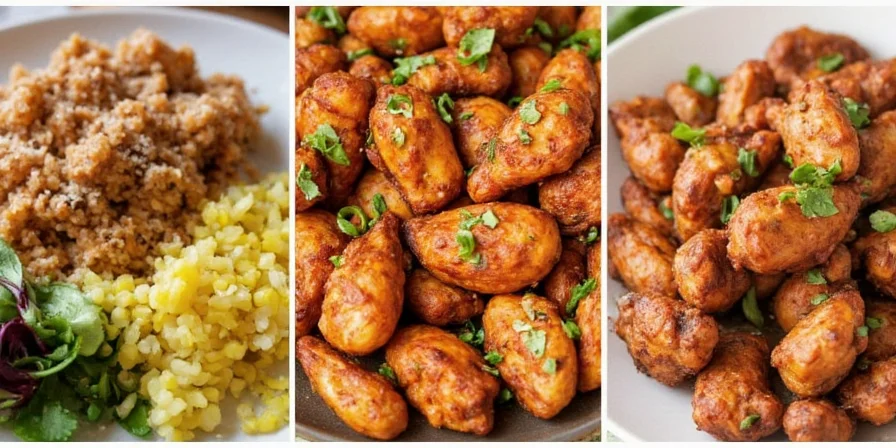
This debate is as old as the spice trade itself. So let’s break it down:
| Factor | DIY Thai Chicken Seasoning | Store-Bought Blends |
|---|---|---|
| Taste Control | Customizable to your palate | Mixed results, depends on brand |
| Freshness | Fresher ingredients | May be older stock, less vibrant |
| Time & Effort | More effort required | Instant convenience |
| Cost | Can be cheaper long-term | Varies — often more expensive per use |
| Authenticity | As authentic as you make it | May be Westernized or diluted |
If you have the time, DIY wins hands-down in flavor and satisfaction. But when you’re short on time or resources, choosing a high-quality store-bought blend is perfectly fine — just read the label carefully!
Thai Chicken Seasoning Around the World
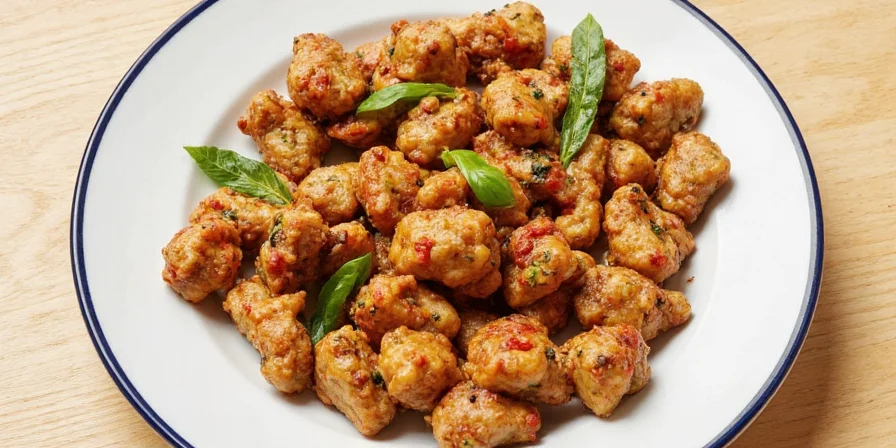
Thanks to globalization and our collective love affair with bold flavors, Thai chicken seasoning has found its way into kitchens and restaurants worldwide. Here’s how different countries are putting their own spin on it:
- USA: Sweet chili glazed chicken tenders, Thai burger patties
- Japan: Thai-inspired curry chicken donburi
- Germany: Thai-style grilled chicken at beer festivals
- Australia: Thai chicken wraps with mango slaw
- UK: Fusion samosas with Thai chicken filling
This global adaptation proves that while the core ingredients remain the same, creativity knows no borders when it comes to flavor.
Visual Comparison Table: Common Thai Chicken Seasoning Ingredients
| Ingredient | Role | Alternative Substitute |
|---|---|---|
| Fish sauce | Salt + Umami | Soy sauce or tamari |
| Bird’s eye chili | Heat | Thai chili paste or crushed red pepper flakes |
| Coriander root | Earthiness | Ground coriander + lemon zest |
| Lime zest/juice | Acidity | Lemon juice or vinegar |
| Ginger | Spice + Warmth | Ginger powder or galangal (if available) |
Final Thoughts
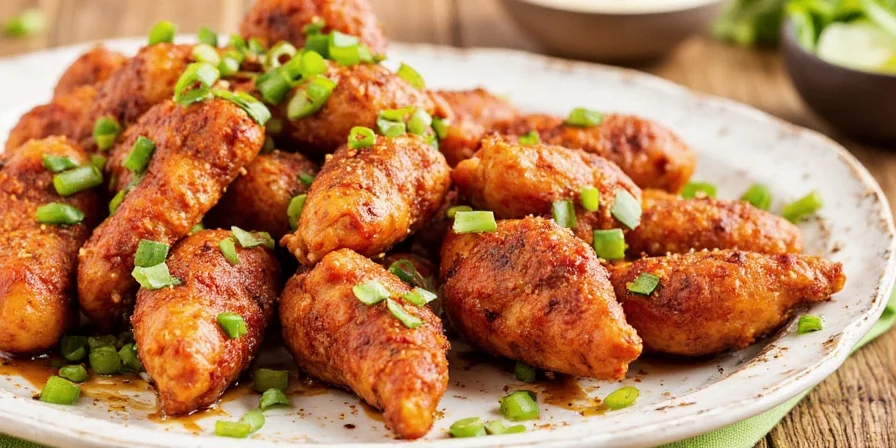
Whether you’re a seasoned home cook or just dipping your toes into the exotic waters of global seasonings, Thai chicken seasoning is a game-changer. It brings a burst of life to everyday dishes and offers endless possibilities for creativity.
So next time you fire up the grill or roast that chicken, think beyond salt and pepper. Reach for a mix that tells a story — one of street markets, bustling night bazaars, and centuries-old spice wisdom passed down through generations.
And remember: the best Thai chicken seasoning is the one that makes your heart sing and your mouth water. Now get out there and season like a pro!




 浙公网安备
33010002000092号
浙公网安备
33010002000092号 浙B2-20120091-4