

From Tacos to Mole: Exploring the 7 Most Mouthwatering Types of Mexican Cuisine
When someone says "Mexican food," what comes to mind? Tacos? Nachos? A heaping plate of enchiladas covered in cheese sauce? While those are all delicious (and definitely worth celebrating), they only scratch the surface of Mexico’s wildly diverse culinary landscape.
In this blog post, we’re diving deep into the seven major types of Mexican cuisine, exploring their unique spices, cooking techniques, and cultural significance. Whether you're a seasoned home cook or just looking to spice up your next taco Tuesday, there’s something here for everyone!
Table of Contents
- 1. Street Food: The Taco Revolution
- 2. Central Mexican Comfort: Hearty and Homegrown
- 3. Southern Soul: Oaxacan Flavors and Smoky Mole
- 4. Northern Power: Meat Lovers Rejoice
- 5. Coastal Creations: Seafood & Citrus Bliss
- 6. Yucatán Magic: Ancient Meets Modern
- 7. Mexi-Cali & Beyond: Modern Fusion Takes Flight
- Conclusion: Your Flavor Journey Starts Now
1. Street Food: The Taco Revolution 🌮
Mexico City may be known for many things—art, history, politics—but its true heartbeat lies in the street vendors slinging mouthwatering tacos on every corner. This category is less about region and more about rhythm: fast, flavorful, and finger-licking good.
Signature Dishes:
- Tacos al pastor – inspired by Lebanese shawarma, marinated pork roasted vertically
- Tacos de canasta – “basket tacos” filled with potatoes, beans, or chorizo, kept warm in baskets
- Suadero tacos – tender cuts from the cow’s lower torso
Spice Spotlight:
- Adobo sauces (chili, vinegar, garlic)
- Dried chilies like guajillo and ancho
- Lime wedges and chopped onions as standard garnish

Pro Tip:
Try adding a splash of tamarind sauce or habanero salsa to your next taco al pastor for an extra kick that’ll wake up your taste buds!
2. Central Mexican Comfort: Hearty and Homegrown 🌶️
The central region of Mexico, including states like Puebla and Michoacán, offers some of the country’s most beloved comfort foods. Think slow-cooked meats, bold flavors, and generous use of spices like cinnamon and clove in savory dishes.
Signature Dishes:
- Pozole – hominy-based soup with pork, served with shredded lettuce, radishes, lime, and chili
- Chiles en nogada – stuffed poblano chilies topped with creamy walnut sauce and pomegranate seeds
- Mole poblano – thick, dark sauce made from dried chilies, chocolate, nuts, and spices
Spice Breakdown:
| Ingredient | Flavor Contribution | Common Uses |
|---|---|---|
| Ancho Chile | Smoky sweetness | Mole sauces, stews |
| Guajillo Chile | Fruity tang | Salsas, marinades |
| Cinnamon | Warm, aromatic depth | Mole, desserts |
| Chocolate | Bitter-sweet richness | Mole poblano, mole negro |
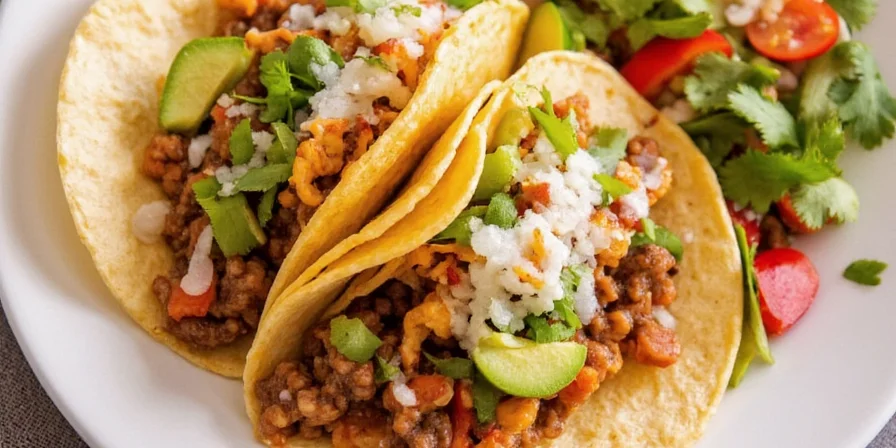
Quick Tip:
Toast your dried chilies before soaking them to unlock more flavor — just don’t let them burn!
3. Southern Soul: Oaxacan Flavors and Smoky Mole 🔥
Oaxaca is often called the soul of Mexican cuisine—and for good reason. Known as the land of mole, mezcal, and corn tortillas, Oaxacan cuisine is deeply rooted in indigenous traditions and ancient spice blends.
Signature Dishes:
- Mole negro – the most complex of all moles, featuring burnt tortilla, plantains, and bitter cocoa
- Empanadas de amarillo – golden pastries filled with squash blossoms or cheese
- Chocolate caliente – spiced drinking chocolate whipped into frothy foam
Spice Secrets:
- Use local herbs like hoja santa (Holy Leaf) for floral, anise-like notes
- Add a pinch of sea salt to balance out mole’s richness
- Smoke your ingredients over wood fires for authentic Oaxacan depth
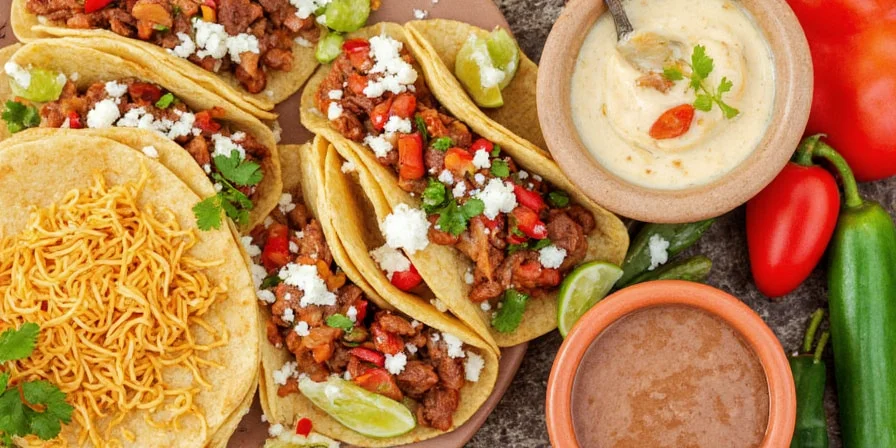
DIY Idea:
Make your own Oaxacan-style mole at home using our 7-spice blend recipe—perfect for impressing guests without needing a full kitchen staff!
4. Northern Power: Meat Lovers Rejoice 🐄
In the northern regions of Mexico—think Chihuahua, Durango, Coahuila—you’ll find hearty, meat-heavy dishes influenced by cattle ranch culture. These are the meals that fueled cowboys (and modern-day carnivores) for centuries.
Signature Dishes:
- Arrachera – marinated skirt steak grilled to perfection
- Barbacoa – slow-cooked beef (usually head meat) served in tacos with consommé
- Menudo – tripe soup with red chili broth, hominy, and a hangover cure reputation
Spice Essentials:
- Garlic and cumin take center stage
- Dried chilies used more for color than heat
- Beef broths often simmered with onion, bay leaf, and peppercorns
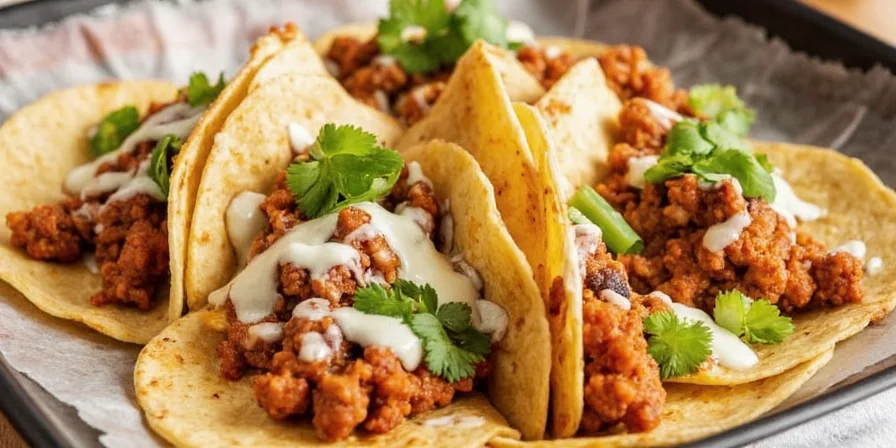
Cooking Hack:
If you’re grilling arrachera, marinate it for at least 4 hours—but no more than 12—to keep the meat tender without overpowering the flavor.
5. Coastal Creations: Seafood & Citrus Bliss 🦐
Mexico’s coastal regions—from Veracruz on the Gulf to Sinaloa on the Pacific—bring bright, fresh flavors to the table. Fresh seafood, tropical fruits, and citrus play a starring role here.
Signature Dishes:
- Veracruz-style fish – baked snapper with tomatoes, olives, capers, and jalapeños
- Ceviche – raw fish “cooked” in lime juice, mixed with onions, cilantro, and avocado
- Coctel de camarón – shrimp cocktail with tomato juice, avocado, and chili
Key Ingredients:
- Fresh limes and oranges
- Sea salt for seasoning
- Tabasco or serrano peppers for spice lovers
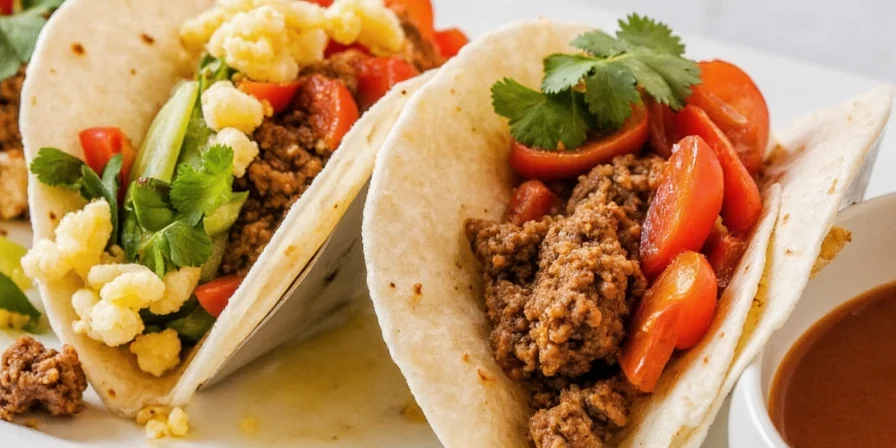
Spice Trick:
To make ceviche more zesty, add a touch of orange zest or a few drops of hot sauce before serving.
6. Yucatán Magic: Ancient Meets Modern 🏺
The Yucatán Peninsula has one of the most distinct cuisines in Mexico, shaped by Mayan traditions and Caribbean influences. Think vibrant colors, bold spices, and cooking methods straight out of ancient times.
Signature Dishes:
- Cochinita pibil – slow-roasted pork marinated in achiote and sour orange
- Papadzules – corn tortillas filled with boiled eggs and drizzled with pumpkin seed and tomato sauces
- Salbutes – fried masa discs topped with avocado, turkey, or beans
Spice Stars:
- Achiote paste – earthy, slightly peppery base for many Yucatecan dishes
- Habanero chilies – fruity yet fiery, used sparingly but effectively
- Lime and sour orange – essential for balancing the richness
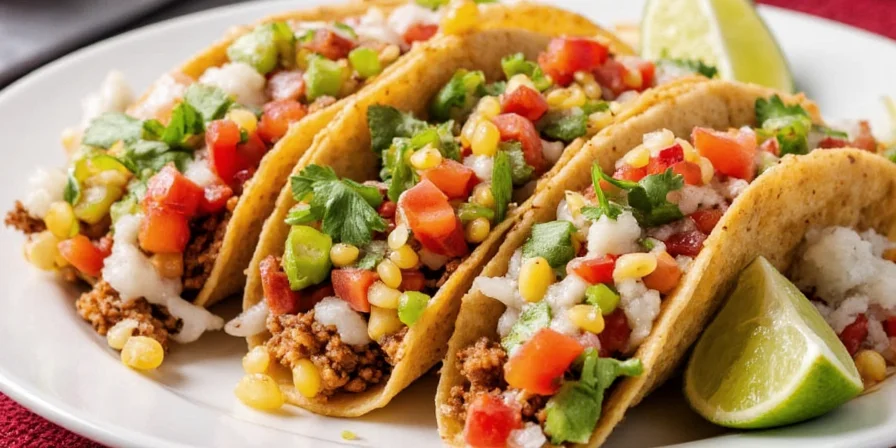
Cooking Tip:
Wrap your cochinita pibil in banana leaves for an extra layer of smoky flavor—then slow roast it for 6–8 hours until it falls apart beautifully.
7. Mexi-Cali & Beyond: Modern Fusion Takes Flight 🎉
Mexican cuisine isn’t stuck in the past—it’s evolving. In places like California and New York, chefs are reimagining traditional flavors with global ingredients and contemporary flair.
Modern Twists:
- Korean-Mexican tacos – bulgogi beef with spicy gochujang crema
- Vegan jackfruit tacos – sustainable protein with all the texture of pulled pork
- Paleta popsicles – frozen treats infused with chili, lime, and fruit
Spice Innovations:
- Jalapeño-infused vegan cheeses
- Chipotle aioli on gourmet burgers
- Lime-cilantro foam for fancy plating
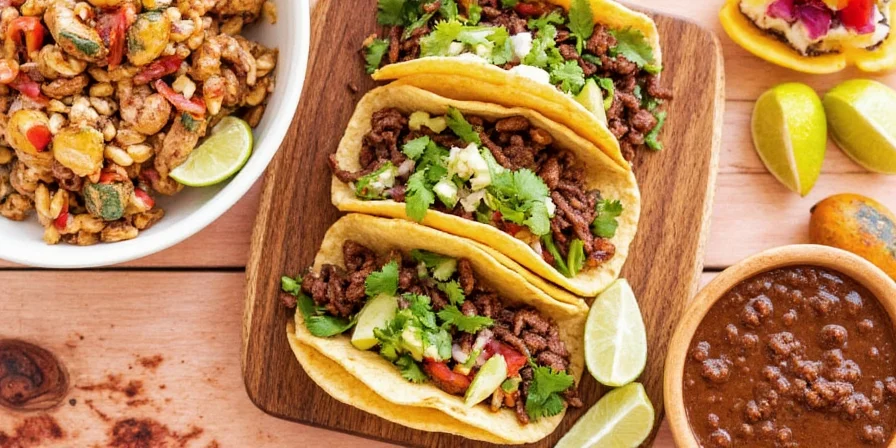
Experimentation Alert:
Don’t shy away from blending flavors—add chipotle powder to chocolate truffles or sprinkle Tajín on watermelon for a sweet-meets-spicy surprise.
Conclusion: Your Flavor Journey Starts Now 🚀
Mexican cuisine is a treasure trove of spices, stories, and soulful bites. From the humble taco stand to the smoky kitchens of Oaxaca and the bustling ports of Veracruz, each type of Mexican food tells a story—one of resilience, adaptation, and above all, flavor.
Summary Table: The 7 Major Types of Mexican Cuisine
| Type | Region | Signature Dish | Must-Try Spice |
|---|---|---|---|
| Street Food | National | Taco al pastor | Adobo chili mix |
| Central Mexican | Puebla, Michoacán | Mole poblano | Ancho chili + cinnamon |
| Oaxacan | Oaxaca | Mole negro | Chocolate + hoja santa |
| Northern | Chihuahua, Coahuila | Arrachera steak | Cumin + garlic |
| Coastal | Gulf & Pacific coasts | Ceviche | Lime + serrano |
| Yucatecan | Yucatán | Cochinita pibil | Achiote + habanero |
| Modern Fusion | Global | Korean tacos | Chipotle aioli |
Whether you're roasting your own chilies, trying your hand at making mole from scratch, or simply enjoying a street taco with friends, remember: Mexican food is not just a meal—it’s a celebration of life, culture, and connection through spice.
So grab your apron, sharpen those knives, and get ready to explore the world of Mexican cuisine—one bite at a time. Who knows—you might just discover your new favorite flavor combo along the way. 🌶️🌮





 浙公网安备
33010002000092号
浙公网安备
33010002000092号 浙B2-20120091-4