
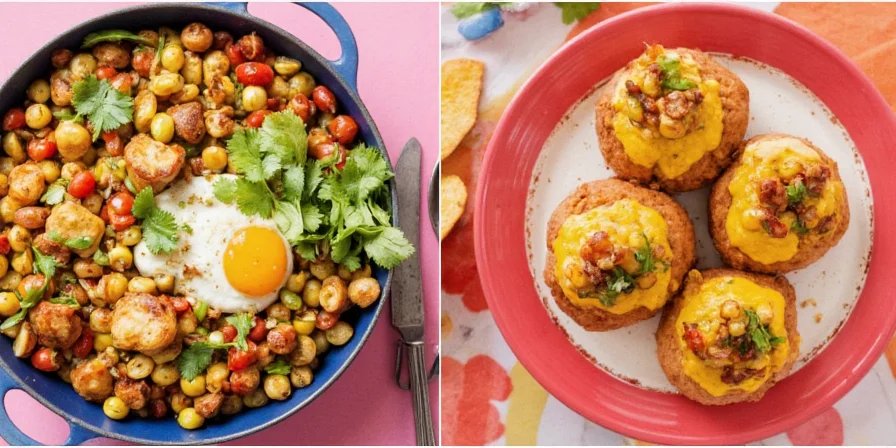
🔥 5 Sizzling New Mexico Mexican Food Recipes That’ll Spice Up Your Weeknights (Literally)
Are you ready to take your taste buds on a fiery journey through the sun-soaked landscapes of New Mexico? If you’re tired of the same old tacos and enchiladas, it’s time to crank up the heat with authentic New Mexico-style Mexican food recipes. This blog is your go-to guide for mastering the bold flavors, smoky aromas, and spicy kicks that define this vibrant regional cuisine.
🗺️ Why New Mexico Mexican Cuisine Deserves a Spot on Your Table
New Mexico isn’t just known for its desert vistas and adobe architecture — it's also home to one of the most distinctive and flavorful culinary traditions in the United States. The region blends indigenous Puebloan ingredients with Spanish influences, creating dishes that are both rustic and refined. And at the heart of it all? Chile peppers. Lots and lots of chile peppers.
| Feature | New Mexico Cuisine | Tex-Mex or Standard Mexican |
|---|---|---|
| Main Flavor Base | Roasted green chiles & red chile sauce | Tomatoes, cumin, bell peppers |
| Signature Ingredient | Hatch chiles | Jalapeños, serranos |
| Texture Profile | Smoky, earthy, slightly sweet | Crisp, tangy, sometimes vinegary |
| Mealtime Staple | Breakfast burritos, posole, enchiladas con chile verde | Fajitas, nachos, tacos al pastor |
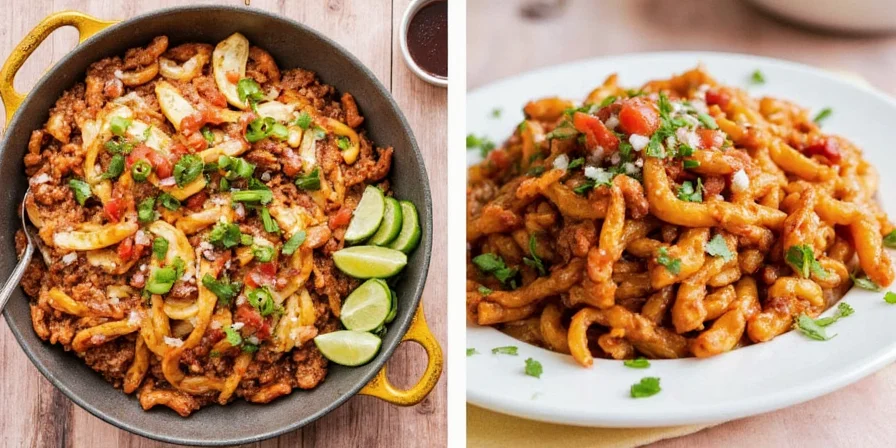
📝 5 Must-Try New Mexico Mexican Food Recipes
If you're itching to bring some Southwestern flair into your kitchen, here are five authentic (and deliciously spicy) New Mexico-style Mexican recipes that will turn your dinner table into a mini Santa Fe food festival:
- 1. Hatch Green Chile Enchiladas
- 2. Posole Rojo with Pork
- 3. Blue Corn Chicken Tamales
- 4. Red Chile Smothered Burrito
- 5. Carne Adovada Tacos
🌶️ 1. Hatch Green Chile Enchiladas
These aren’t your average cheese-filled flour tortilla rolls. New Mexico-style enchiladas use corn tortillas, which are briefly fried to give them that perfect texture before being layered with green chile sauce, shredded chicken or cheese, and then baked to bubbly perfection.
📌 Pro Tips:
- Use fresh roasted Hatch green chiles for maximum flavor.
- Don't skip frying the tortillas — it helps them hold their shape and absorb the sauce better.
- Add a sprinkle of cotija cheese for an extra salty kick.
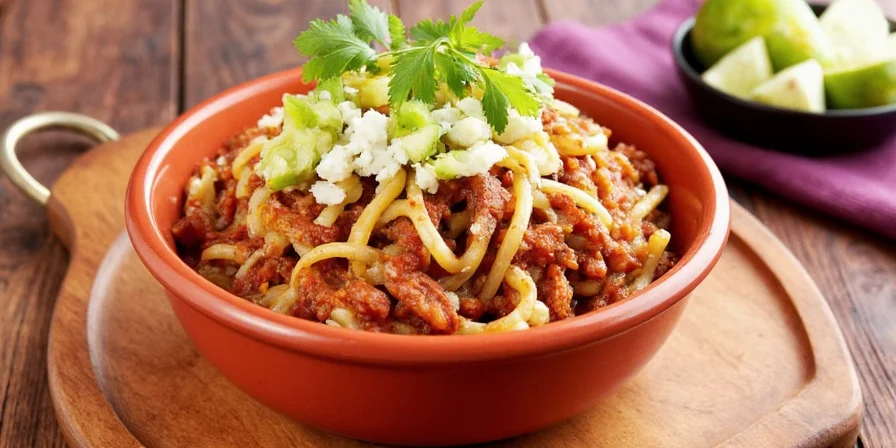
🍲 2. Posole Rojo with Pork
This traditional hominy stew gets its signature red hue from a rich, slow-cooked chile sauce made from dried red chiles. It’s hearty, spicy, and perfect for warming up chilly nights — or cooling down spicy bites!
🔑 Key Ingredients:
- Dried New Mexico red chiles (or Guajillo for substitution)
- Pork shoulder (slow-cooked until fall-apart tender)
- Hominy (canned or dried and soaked overnight)
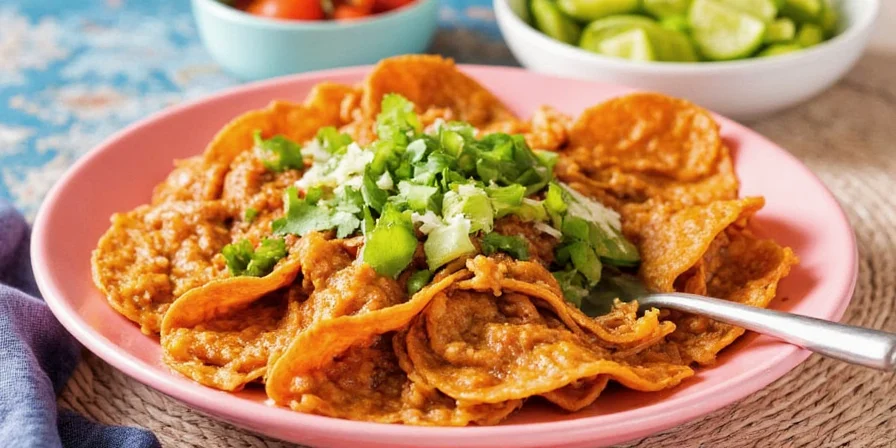
🌽 3. Blue Corn Chicken Tamales
Tamales are a labor of love, but the reward is worth every second. These blue corn versions are deeply rooted in Native American and New Mexican tradition, offering a nutty, slightly sweet flavor that pairs perfectly with spiced chicken filling.
🛠️ Essential Tools:
- Steamer basket
- Corn husks (soaked beforehand)
- Stand mixer or hand beater for masa dough
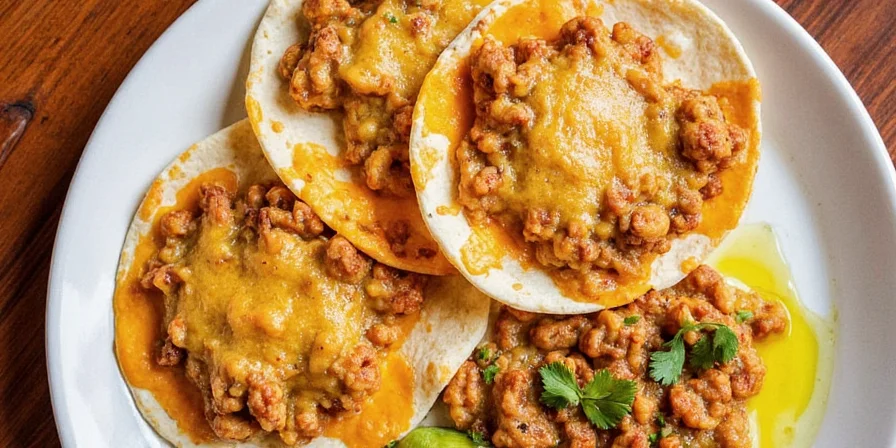
🌯 4. Red Chile Smothered Burrito
In New Mexico, the burrito isn’t wrapped in foil and eaten on the go — it’s smothered in chile sauce and served hot! This version uses a combination of rice, beans, seasoned ground beef or pork, and generous ladles of red chile sauce.
💡 Serving Style:
- Serve with a side of warm flour tortillas for mopping up sauce
- Top with diced onions, cilantro, and avocado crema
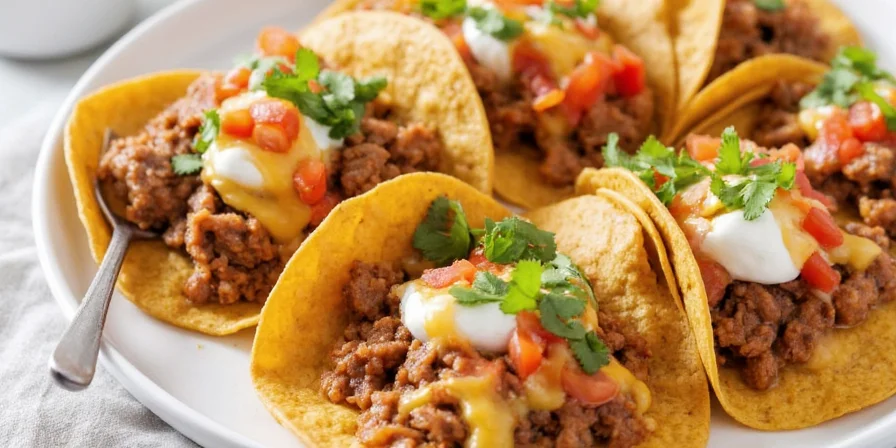
🍖 5. Carne Adovada Tacos
Spicy, tender, and full of deep red chile flavor, carne adovada is a marinated pork dish that's often cooked low and slow for hours. In New Mexico, it's a staple that’s usually served with warm corn tortillas, onions, and cilantro.
⏰ Time-Saving Hack:
- Use a pressure cooker or Instant Pot to reduce cooking time by half
- Make a big batch and freeze portions for future taco nights
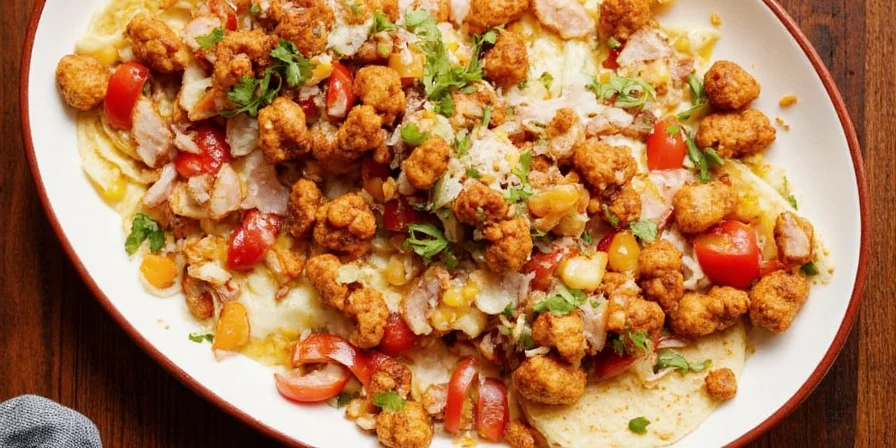
🧂 The Secret Weapon: New Mexico Chile Varieties
The backbone of New Mexico cuisine lies in its unique chile varieties. Each offers a different flavor profile and heat level. Here's a quick breakdown:
| Chile Type | Heat Level (SHU) | Flavor Notes | Best For |
|---|---|---|---|
| Hatch Green Chile | 2,500 – 8,000 | Grassy, earthy, slightly sweet | Enchiladas, rellenos, sauces |
| New Mexico Red Chile | 1,000 – 1,500 | Smoky, fruity, slightly spicy | Posole, tamales, burritos |
| Guajillo | 2,500 – 5,000 | Berry-like, tangy, moderate spice | Adobo marinades, soups |
| Ancho | 1,000 – 2,000 | Chocolatey, raisin notes, mild | Mole sauces, stews |
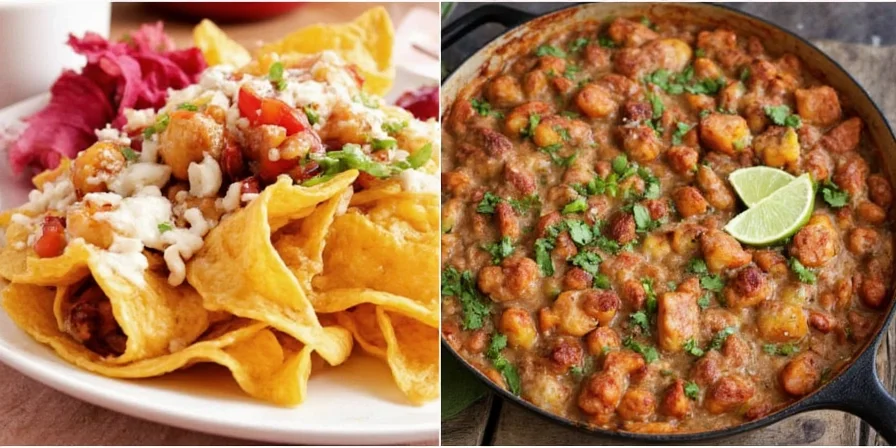
🧑🍳 Chef’s Corner: Top 5 Spicing-Up Secrets
You’ve got the basics down, but how do you elevate your New Mexico game from good to *abuelita-approved* great? Let’s dive into some pro tips from the kitchen trenches:
- Roast Your Own Chiles: Nothing beats the flavor of freshly roasted Hatch chiles. Grab a cast-iron skillet or fire up the grill!
- Toast Dried Chiles First: When making red chile sauce, toast the dried pods lightly in a dry pan before soaking to unlock deeper flavors.
- Don’t Skip the Fat: A splash of oil or lard when making chile sauces adds richness and helps extract more flavor from the chiles.
- Layer Flavors Like a Boss: Build depth by sautéing garlic, onions, and spices before adding your chile base.
- Cool It Down with Cream: A dollop of crema, sour cream, or avocado can balance out the heat without dulling the flavor.
🌍 Global Twist: Spicing Up New Mexico Recipes Internationally
While New Mexico flavors are distinctly American Southwest, they travel well across global cuisines. Try these fusion ideas:
- Japanese Fusion: Use Hatch chiles in tonkatsu ramen broth for a smoky kick.
- Thai Meets NM: Substitute Thai bird chiles with New Mexico red chile paste in pad thai.
- Italian Infusion: Stir red chile sauce into a tomato-based pasta sauce for a southwestern twist.
🔥 Conclusion: Heat Up Your Kitchen with New Mexico Love
New Mexico Mexican food recipes offer a unique blend of heritage, flavor, and spice that stands apart from other Mexican or Tex-Mex styles. Whether you're roasting your own chiles, simmering a bubbling pot of posole, or assembling a smothered burrito worthy of a New Mexican breakfast joint, there’s something deeply satisfying about bringing this regional cuisine into your home.
So fire up the stove, grab some blue corn tortillas, and let those chiles sing. After all, as any New Mexican will tell you: “Red or green?” isn’t just a question — it’s a way of life.




 浙公网安备
33010002000092号
浙公网安备
33010002000092号 浙B2-20120091-4