
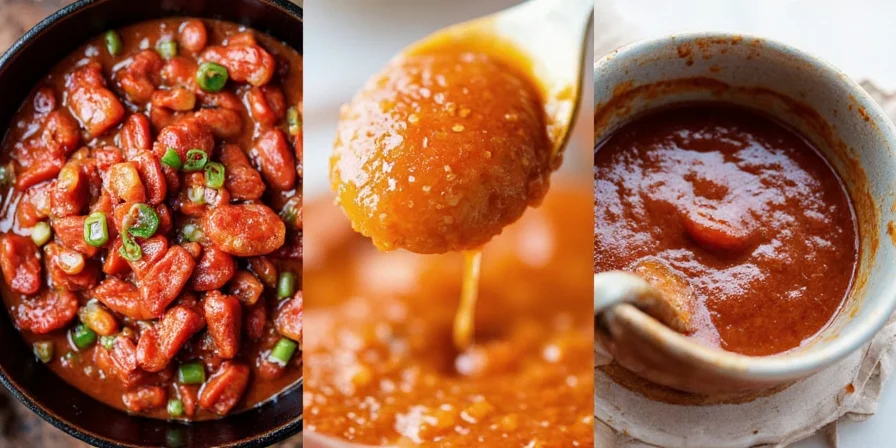
From Seoul to Singapore: Unlocking the Secret of Asian BBQ Sauces in 7 Sizzling Steps!
Hey grill masters and spice lovers! Are you tired of slapping the same old ketchup-based sauce on your ribs? If your taste buds are craving something bolder, brighter, and bursting with flavor, then it’s time to turn your gaze East. In this post, we’re diving headfirst into the world of Asian BBQ sauces—a vibrant tapestry of sweet, salty, spicy, and umami-rich flavors that’ll transform your backyard barbecue from "meh" to "mind-blowing."
Table of Contents
- Introduction
- The Great Asian BBQ Sauce Showdown
- Secret Ingredients That Make These Sauces Sing
- DIY Guide: How to Craft Your Own Asian BBQ Sauce at Home
- Pro Tips for Applying Asian BBQ Sauces Like a Pro
- Gear Up: Best Grilling Tools for Perfect BBQ Results
- Pairing Perfection: What to Serve with Your Asian BBQ Masterpiece
- Conclusion
Why Asian BBQ Sauces Deserve a Spot on Your Grill Table
You might think BBQ sauce is just red, sticky, and smoky—but across Asia, it’s anything but one-dimensional. From Korea’s iconic Buldak to Thailand’s fiery fish sauce blends and Japan’s teriyaki glaze, each country brings its own unique spin on what makes a good barbecue sauce tick.
The beauty of Asian BBQ sauces lies in their versatility and depth. They often combine elements like fermented pastes (think miso or gochujang), aromatic spices, soy sauce, citrus, and even fruits like pineapple or mango to create layers of flavor that evolve as you bite into every juicy morsel of meat.
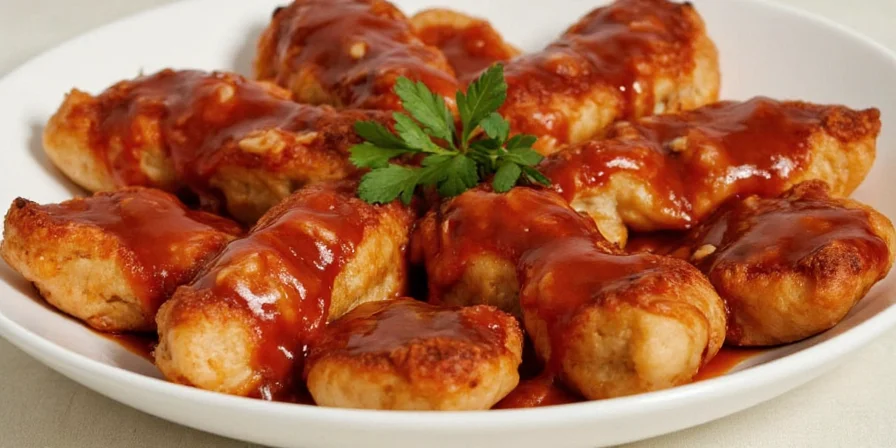
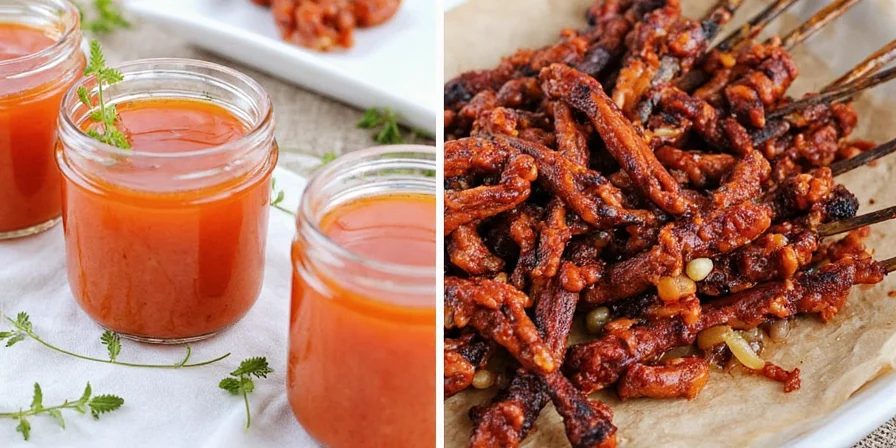
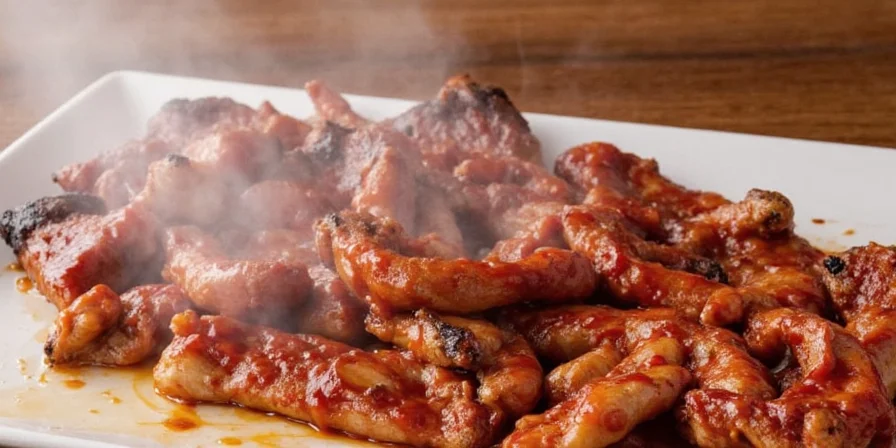
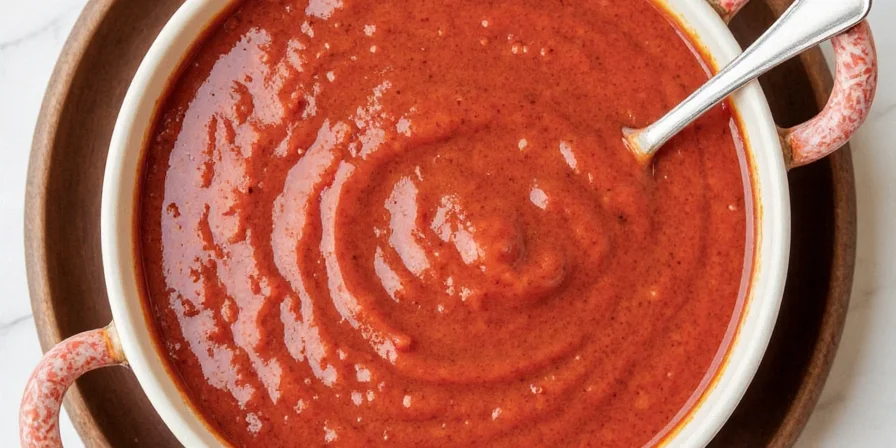
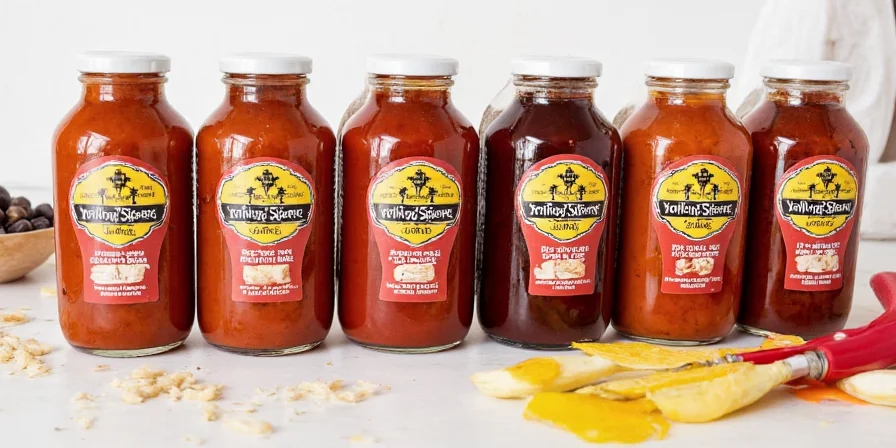
The Great Asian BBQ Sauce Showdown
Let’s take a quick world tour of some of the most iconic Asian BBQ sauce styles and discover how they bring the heat—and the flavor:
| Country | Name | Main Ingredients | Flavor Profile | Best Used With |
|---|---|---|---|---|
| South Korea | Dakgangjeong | Gochujang, garlic, honey, sesame oil, rice vinegar | Sweet, spicy, savory, with a hint of nuttiness | Fried chicken wings, pork belly |
| Japan | Teriyaki | Soy sauce, mirin, sake, sugar | Umami-rich, slightly sweet, glossy finish | Chicken, beef, salmon |
| Thailand | Muu Pad Kapi | Shrimp paste, garlic, chili, lime, palm sugar | Spicy, salty, tangy, complex | Pork skewers, grilled prawns |
| Vietnam | Nước Chấm | Fish sauce, lime juice, garlic, chilies, sugar | Salty, sour, sweet, hot | Grilled meats, spring rolls, seafood |
| China (Sichuan) | Hong You Chao Tian | Chili oil, Sichuan peppercorn, garlic, soy sauce | Fiery, numbing, deep umami | Lamb skewers, duck, offal dishes |
Secret Ingredients That Make These Sauces Sing
Whether you're blending a homemade sauce or tweaking store-bought options, these are the magic players behind the scenes:
- Gochujang: The soul of Korean cuisine, this fermented chili paste brings deep umami and moderate heat.
- Miso: A Japanese staple that adds richness and subtle saltiness without overpowering other flavors.
- Coconut Sugar: Often found in Thai and Indonesian sauces, it balances out spice and acidity better than brown sugar.
- Lemongrass & Galangal: Common in Southeast Asian sauces, they add brightness and floral notes.
- Fish Sauce: The backbone of many Vietnamese and Thai sauces, adding complexity and saltiness.
- Sesame Oil: A finishing touch that brings a rich, nutty aroma perfect for drizzling over grilled meats.
DIY Guide: How to Craft Your Own Asian BBQ Sauce at Home
Ready to start experimenting? Here's a versatile base recipe you can tweak based on your favorite regional flavor profile:
Korean-Style Dakgangjeong BBQ Sauce
- 3 tbsp gochujang
- 1 tbsp soy sauce
- 1 tbsp honey or maple syrup
- 1 tsp minced garlic
- ½ tsp sesame oil
- 1 tbsp rice vinegar or lemon juice
- 1 tsp toasted sesame seeds (optional)
Instructions: Whisk all ingredients together until smooth. Brush onto grilled chicken, pork, or tofu during the last 5 minutes of cooking. Garnish with chopped scallions or more sesame seeds before serving.
Thai-Inspired Muu Pad Kapi Sauce
- 1 tbsp shrimp paste
- 1 clove garlic, minced
- 1–2 fresh bird’s eye chilies, finely chopped
- 1 tsp palm sugar or brown sugar
- Juice of half a lime
- ½ tbsp fish sauce
- 1 tbsp water (to thin)
Instructions: Smash garlic and chilies in a mortar and pestle until pasty. Add shrimp paste, sugar, lime juice, and fish sauce. Mix well and adjust to taste. Thin with water if too thick. Ideal for pork skewers or grilled squid.
Pro Tips for Applying Asian BBQ Sauces Like a Pro
Here are some pro-level hacks to make sure your sauce doesn’t just stick around—it shines:
- Timing is Everything: Don’t slather sauce on too early; sugars burn easily. Wait until the last 5–10 minutes of grilling.
- Double Dip for Depth: Use the sauce both as a marinade and a final glaze for maximum flavor penetration.
- Brush It On: Invest in a good silicone brush—it distributes the sauce evenly without shedding bristles onto your food.
- Cut Meats Before Glazing: For faster absorption, slice meat into smaller pieces before applying the sauce.
- Finish with Flare: After brushing on sauce, give your meat a final sear over high heat to caramelize and lock in flavor.
Gear Up: Best Grilling Tools for Perfect BBQ Results
No matter how killer your sauce is, if your tools aren’t up to snuff, your results won’t be either. Here’s what to have on hand:
- Cast Iron Skillet: Ideal for creating those restaurant-style char marks on meats glazed with teriyaki or Korean-style sauces.
- Skewer Sticks: Bamboo works fine, but stainless steel lasts longer and doesn’t need soaking.
- Wire Mesh Grill Basket: Keeps small items like veggies or shrimp from slipping through the grates.
- Meat Thermometer: Ensures perfect doneness, especially when marinating with acidic sauces that can affect texture.
- High Heat-Resistant Gloves: Protects your hands when adjusting meat close to flames after saucing.
Pairing Perfection: What to Serve with Your Asian BBQ Masterpiece
A great sauce deserves an equally stellar supporting cast. Here’s how to build a full-flavored feast:
- Rice or Noodles: Steamed jasmine rice, fried ramen, or butter lettuce wraps keep things light yet satisfying.
- Pickled Vegetables: Tangy kimchi, pickled carrots, or radish provide a refreshing contrast to rich meats.
- Fresh Herbs: Cilantro, mint, basil, and Thai basil elevate flavor with every bite.
- Crunchy Slaw: A simple cabbage or cucumber slaw with sesame dressing adds texture and cools down spicy sauces.
- Refreshing Beverages: Pair with soju, lychee tea, Thai iced coffee, or a crisp lager to balance bold flavors.
Conclusion
If you’ve been stuck in a sauce rut, now’s the time to break free and embrace the bold, beautiful world of Asian BBQ sauces. Whether you're grilling up a storm for friends or simply spicing up weeknight dinner, these sauces offer endless possibilities for customization and creativity.
So grab your tongs, fire up the grill, and let these recipes inspire your next culinary adventure—from Seoul to Singapore, there’s a sauce out there waiting to become your new favorite.




 浙公网安备
33010002000092号
浙公网安备
33010002000092号 浙B2-20120091-4