
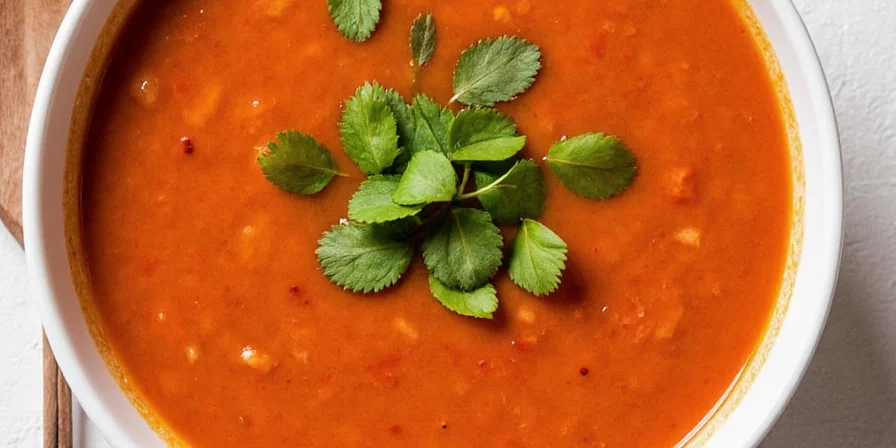
7 Spicy Secrets to the Perfect Moroccan Soup: A Flavorful Journey!
Welcome, spice lovers and culinary adventurers! If you've ever dreamed of whipping up a bowl of aromatic, soul-warming Moroccan soup, you're in the right place. Today, we're diving deep into the world of spices, textures, and traditions that make this dish a true North African treasure.
Why Moroccan Soup?
Moroccan cuisine is like a party for your taste buds — it’s bold, fragrant, and full of surprises. The country’s culinary traditions have been shaped by Berber, Arab, Mediterranean, and even French influences. One of the best ways to experience this flavor fusion is through its traditional soups.
From harira to lentil-based broths, Moroccan soups are not only delicious but deeply rooted in cultural rituals, especially during Ramadan and family gatherings. So grab your apron, and let's get spicing!
The Star Ingredients of Moroccan Soup
Before we dive into the recipe, let's meet the cast of characters — the key ingredients that give Moroccan soup its unmistakable flair:
- Turmeric – Adds color and a mild earthiness.
- Cumin – The backbone of many Moroccan dishes.
- Ginger – Brings warmth and depth.
- Paprika – For a sweet, smoky kick.
- Saffron – The golden touch of luxury.
- Cinnamon – Yes, in savory soup! It adds complexity.
- Fresh Herbs – Parsley and cilantro are essential.
- Lentils or Chickpeas – Provide body and protein.
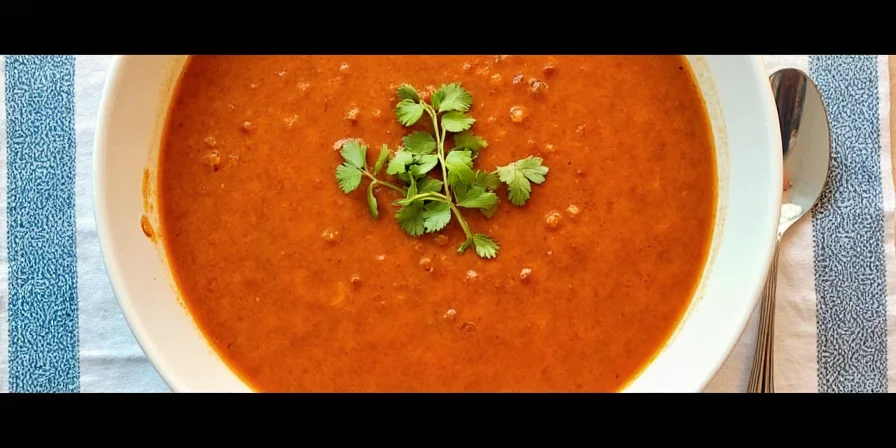
Quick Tips for Making Authentic Moroccan Soup
- Roast Your Spices: Toasting cumin, coriander, and turmeric before adding them to the broth unlocks their full aroma. Just don’t burn them!
- Use Homemade Stock: You’ll thank yourself later. Chicken or vegetable stock makes all the difference.
- Add Lemon at the End: A splash of lemon juice brightens up the flavors beautifully.
- Simmer Slowly: Let the soup bubble gently for at least an hour so the flavors meld together.
- Top with Fried Onions: Crispy, golden onions add texture and contrast.
- Toast the Rice Separately (Optional): If your soup includes rice, toast it first for extra nuttiness.
- Serve with Bread: Nothing beats sopping up the last drops of broth with warm khobz.
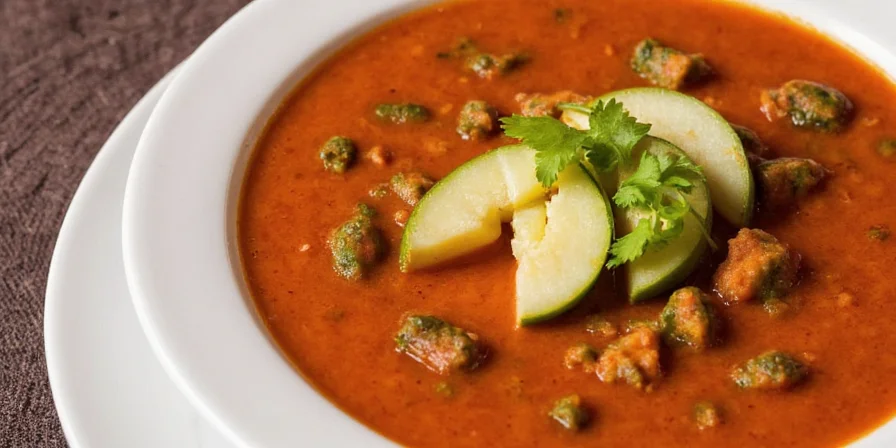
Moroccan Soup vs. Other Global Broths: A Comparison Table
| Moroccan Soup | Italian Minestrone | Thai Tom Yum | Mexican Pozole | |
|---|---|---|---|---|
| Base Ingredient | Lentils/Chickpeas | Veggies & Pasta | Shrimp/Mushrooms | Pork & Hominy |
| Spice Level | Mild to Medium | Mild | Medium to Hot | Medium |
| Signature Spice | Cumin & Cinnamon | Basil & Oregano | Lemongrass & Galangal | Garlic & Chili |
| Cultural Significance | Ramadan meals | Dinner staple | National dish | Holiday tradition |
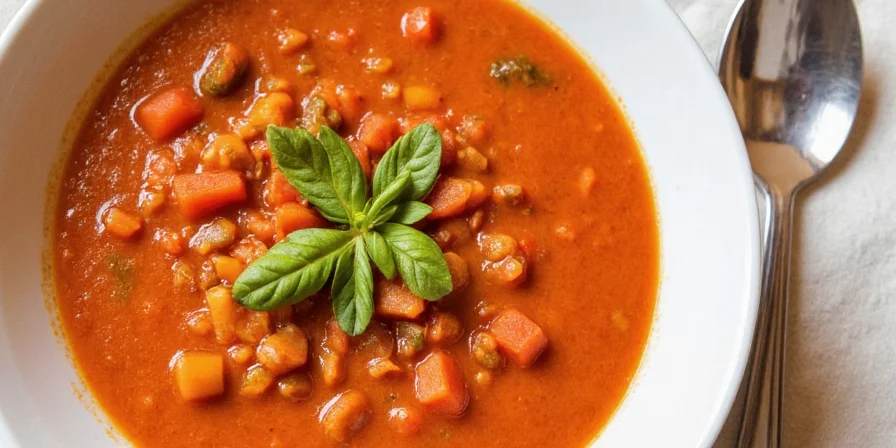
Classic Moroccan Soup Recipe
Ready to bring some North African magic to your kitchen? Here’s a classic version to try:
Ingredients
- 1 cup red lentils
- 1 can chickpeas
- 1 onion, chopped
- 3 cloves garlic, minced
- 1 carrot, diced
- 2 tablespoons olive oil
- 1 teaspoon ground cumin
- ½ teaspoon ground ginger
- ¼ teaspoon cinnamon
- ½ teaspoon turmeric
- ½ teaspoon paprika
- 4 cups vegetable or chicken stock
- Salt and pepper to taste
- Juice of ½ lemon
- Fresh parsley and cilantro, chopped
- Fried onions (optional topping)
Instructions
- In a large pot, heat olive oil over medium heat. Add onions and garlic, sauté until soft.
- Add carrots and cook for another 5 minutes.
- Stir in all the spices and toast for about 1 minute until fragrant.
- Add lentils, chickpeas, and stock. Bring to a boil, then reduce heat and simmer for 45–60 minutes until lentils are tender.
- Season with salt, pepper, and lemon juice.
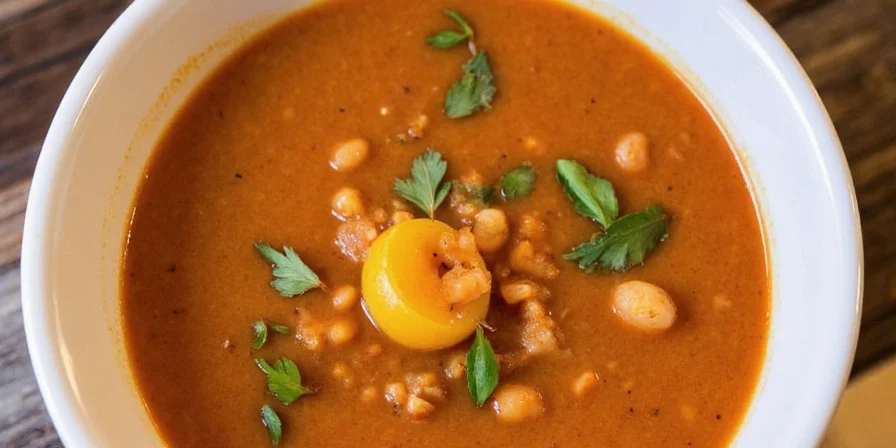
- Garnish with fresh herbs and crispy fried onions before serving.
Spice Variations: Make It Your Own!
One of the best things about Moroccan soup is how versatile it is. Here are some fun twists to personalize your pot:
- Heat Lover’s Twist: Add a pinch of cayenne or harissa paste for extra fire.
- Vegan Option: Use coconut milk instead of yogurt in garnishes and skip the animal-based stock.
- Protein Boost: Stir in shredded cooked chicken or lamb if you want a heartier meal.
- Herb Heaven: Try adding mint leaves for a refreshing twist.
- Grain Play: Toss in barley or quinoa for extra texture.
Common Mistakes to Avoid
Even seasoned cooks can slip up when working with complex spices and textures. Avoid these common pitfalls:
- Over-salting: Spices can be salty, so season gradually.
- Burning the Spices: Toast slowly over low heat — patience is key.
- Using Old Spices: Fresh spices = vibrant flavor. Replace every 6–12 months.
- Too Much Liquid: Adjust stock amount depending on desired thickness.
- Skipping Garnish: Presentation matters — herbs and oils add visual appeal and taste.
Conclusion
There you have it — your complete guide to mastering Moroccan soup like a pro. Whether you're cooking for a family dinner, prepping for a holiday feast, or just craving something warm and comforting, this soup delivers big on flavor and heritage.
So next time you reach for that ladle, remember: the magic is in the spices, the method, and a little bit of love. Go ahead — stir up your own Moroccan masterpiece.




 浙公网安备
33010002000092号
浙公网安备
33010002000092号 浙B2-20120091-4