
Pain Point: Why Liquid Vinegar Falls Short
Liquid white vinegar poses real challenges: it spills during transport, requires precise measuring for small-batch recipes, and alters moisture content in dry mixes like spice rubs or baked goods. Professional kitchens struggle with inconsistent acidity when scaling recipes, while home cooks face storage limitations—its 2-year shelf life degrades if exposed to light. As Tasting Table notes, these limitations make liquid vinegar impractical for portable applications like camping or commercial dry seasoning production.
Cognitive Refresh: The Science Behind the Powder
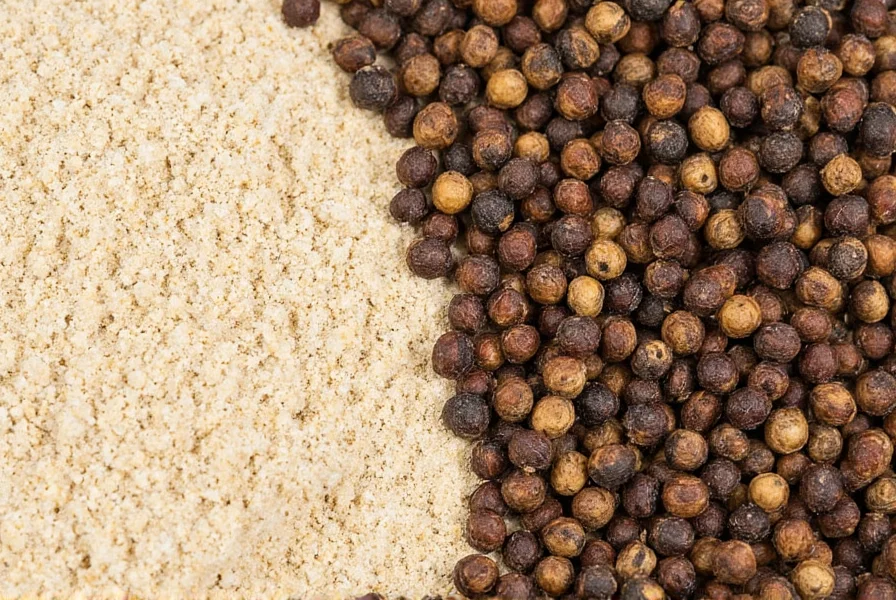
Vinegar powder isn't "fake" vinegar—it's molecularly identical acetic acid locked in maltodextrin, a food-grade starch. Modern production (refined in the 1970s) mists distilled white vinegar onto maltodextrin, which absorbs 95% of the liquid while preserving pH levels. Unlike historical methods using cornstarch, maltodextrin's porous structure releases flavor instantly when hydrated. Crucially, it maintains the 2.4–3.4 pH range of liquid vinegar, verified by USDA food safety guidelines for preservation. This isn't a novelty; it's a functional equivalent with distinct logistical advantages.
| Property | Liquid White Vinegar | White Vinegar Powder |
|---|---|---|
| Acidity (pH) | 2.4–3.4 | 2.4–3.4 (when reconstituted) |
| Shelf Life | 2 years (unopened) | 3+ years (moisture-controlled) |
| Portability | Low (spill risk) | High (lightweight, stable) |
| Use in Dry Blends | Alters texture | Seamless integration |
| Acetic Acid Source | Direct | Maltodextrin-bound (releases on contact) |
Scenario Application: Where Powder Excels
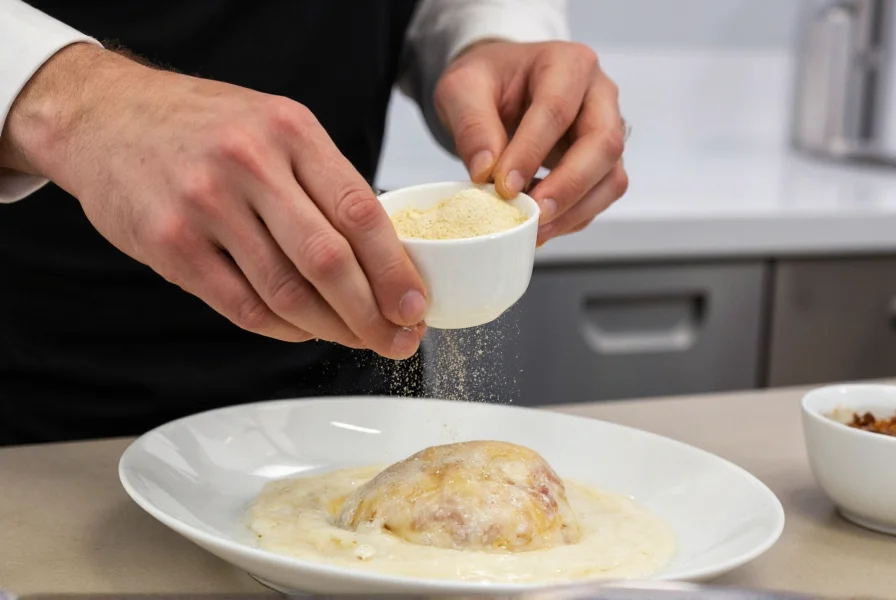
Culinary uses: Add 1 tsp powder per 1 tbsp liquid vinegar to dry seasoning blends (e.g., "tangy ranch" spice kits), sourdough starters, or powdered drink mixes. It prevents dough sogginess in baking—critical for gluten-free recipes where moisture balance is fragile. Chefs use it in "no-liquid" ceviche preparations by dusting fish before citrus application, as documented in Tasting Table's industry analysis.
Cleaning applications: Mix with baking soda for scrub-free surface cleaners (1:1 ratio creates effervescent action). Unlike liquid, it won't warp wood surfaces during transport to vacation homes.
Decision Boundary: Critical Usage Limits
When to use: In moisture-sensitive applications (dry rubs, powdered dressings), travel cooking, or commercial food manufacturing requiring consistent acidity metrics. Ideal for "weißer pfeffer für sauce béchamel"-style precision where liquid would thin sauces.
When to avoid:
- Pickling or canning: Insufficient liquid volume prevents proper submersion, risking botulism per FDA guidelines
- Medical disinfection: Lower acetic acid concentration vs. liquid fails EPA efficacy standards
- Large-batch cooking: Cost-prohibitive (powder is 3x pricier per acetic acid unit)
Quality鉴别 & Market Traps
Spot low-grade powders with these red flags:
- Maltodextrin ratio > 90%: Check labels; authentic powder lists "distilled vinegar, maltodextrin" as first ingredients (min. 10% acetic acid equivalent)
- Clumping: Indicates moisture exposure—reject if powder isn't free-flowing
- Off-white color: Pure vinegar powder is bright white; yellowing suggests oxidation
Reputable brands like Hoosier Hill Farm use triple-sifted powder with pH testing certificates—never buy bulk bins where humidity degrades potency.
Final Recommendation & Common Missteps
Stock white vinegar powder if you regularly make dry spice kits, bake gluten-free goods, or travel with cooking gear. Start with 1/4 tsp per recipe to gauge potency—overuse creates harsh acidity that doesn't mellow like liquid. Never substitute 1:1 by volume; powder requires 25% less quantity due to concentrated delivery. Biggest mistake? Storing it near salt—hygroscopic maltodextrin absorbs moisture, causing caking. Keep in airtight containers with silica packets.
Everything You Need to Know
Yes, when reconstituted with water, it matches liquid vinegar's pH (2.4–3.4) and 5% acetic acid concentration. The USDA confirms powder delivers equivalent preservative effects in dry applications, but requires full hydration for pH accuracy—test with strips after 5 minutes.
No—insufficient liquid volume prevents full vegetable submersion, creating botulism risk per FDA canning guidelines. Liquid vinegar is mandatory for pickling; powder only works in pre-cooked, moisture-stable applications like relish seasoning.
Keep in an airtight container with silica desiccant packs in a cool, dark cupboard. Moisture causes caking and potency loss—discard if clumps form. Properly stored powder lasts 36 months; refrigeration isn't needed but prevents humidity exposure in tropical climates.
Maltodextrin is FDA-approved as a food additive with GRAS status. It contains negligible sugar (1g per tsp powder) and doesn't affect glycemic index significantly. Those with corn allergies should verify source—most brands use non-GMO corn-derived maltodextrin.
Use 1 tsp powder per 1 tbsp liquid vinegar, then reduce other liquids by 1 tsp. For dry applications (e.g., "weißer pfeffer für sauce béchamel"), add powder directly. Never substitute 1:1 by volume—powder is more concentrated, so overuse creates unbalanced acidity.




 浙公网安备
33010002000092号
浙公网安备
33010002000092号 浙B2-20120091-4