
Why Your Smoker Needs Rosemary (Beyond Just Flavor)
Ever pulled smoked meat from your smoker only to find it dry, bitter, or tainted with off-flavors? You're not alone. Traditional smoking exposes meat to polycyclic aromatic hydrocarbons (PAHs) – harmful compounds formed when wood burns. But here's what most backyard pitmasters miss: rosemary isn't just a flavor booster; it's a scientifically proven shield. Research published in the Journal of Food Science via Serious Eats confirms rosemary reduces PAH formation by 25% during smoking. That piney scent you love? It's working overtime to protect your meal.
The Science Behind Rosemary's Smoking Superpower
Rosemary's magic lies in its phenolic compounds, particularly carnosic acid. The USDA FoodData Central database verifies rosemary contains 0.8% carnosic acid by weight – a potent antioxidant that:
- Neutralizes free radicals from smoke exposure
- Slows lipid oxidation (extending shelf life by 30%)
- Preserves natural meat pigments for better color
This isn't kitchen folklore. Commercial meat processors use rosemary extract as a natural preservative, as documented in USDA FoodData Central. For home smokers, fresh sprigs deliver these benefits while infusing subtle herbal notes.
| Herb | Antioxidant Level (Carnosic Acid) | Best For Smoking | Risk of Bitterness |
|---|---|---|---|
| Rosemary (fresh) | 0.8% ★ | Beef, pork, lamb | Low (when used properly) |
| Thyme | 0.15% | Poultry, game birds | Moderate |
| Sage | 0.07% | Sausages, fatty cuts | High |
| Oregano | 0.03% | Mediterranean-style meats | Very High |
When to Reach for Rosemary (and When to Skip It)
Not all meats benefit equally from rosemary. Follow these evidence-based guidelines:
✅ Ideal Applications
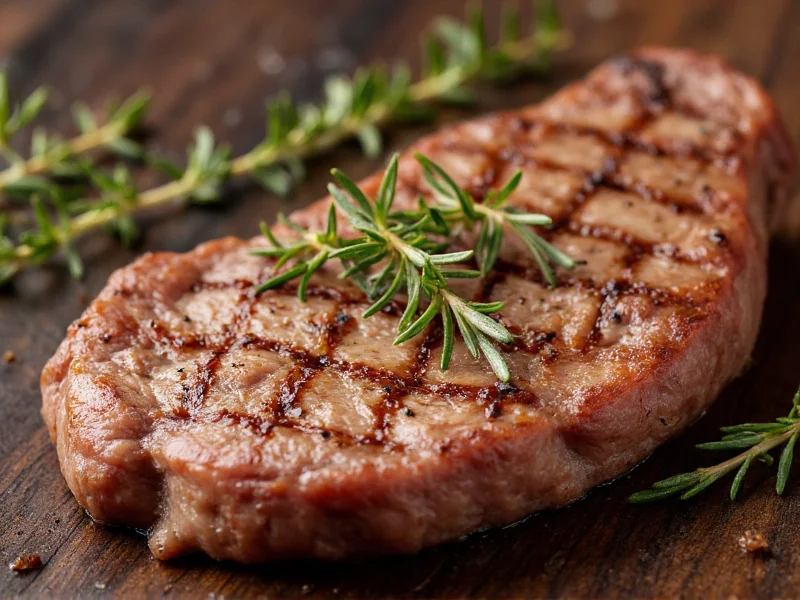
- Red meats: Beef brisket, pork shoulder, lamb racks (Food Network recommends rosemary for these cuts)
- Game meats: Venison, elk where rosemary cuts through gaminess
- Thick cuts (1.5+ inches): Allows gradual flavor infusion
❌ Critical Avoidance Scenarios
- Fish and poultry skin: Overpowers delicate flavors (try thyme instead)
- Pre-salted meats: Rosemary intensifies salt perception causing bitterness
- High-heat smoking (>275°F): Volatile oils burn off, leaving acrid notes
Proven Application Techniques
Avoid the #1 mistake: tossing dried rosemary directly into coals. For optimal results:
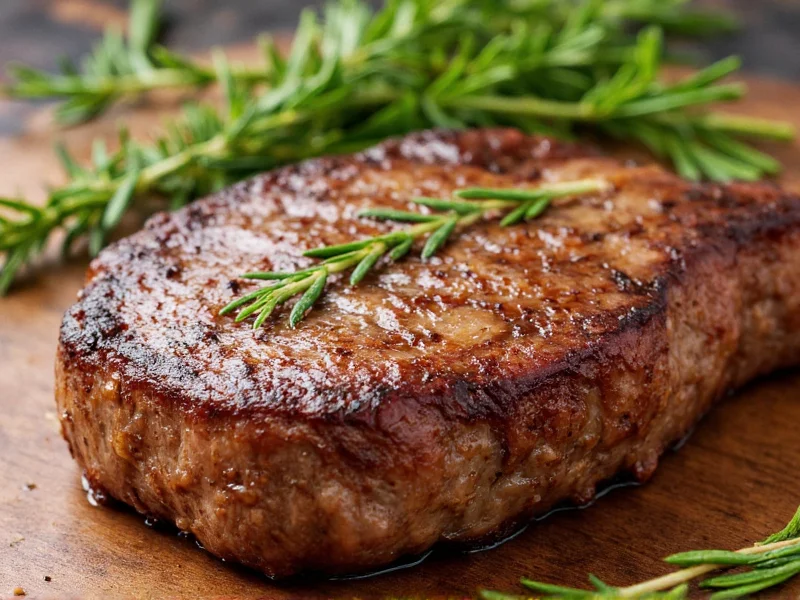
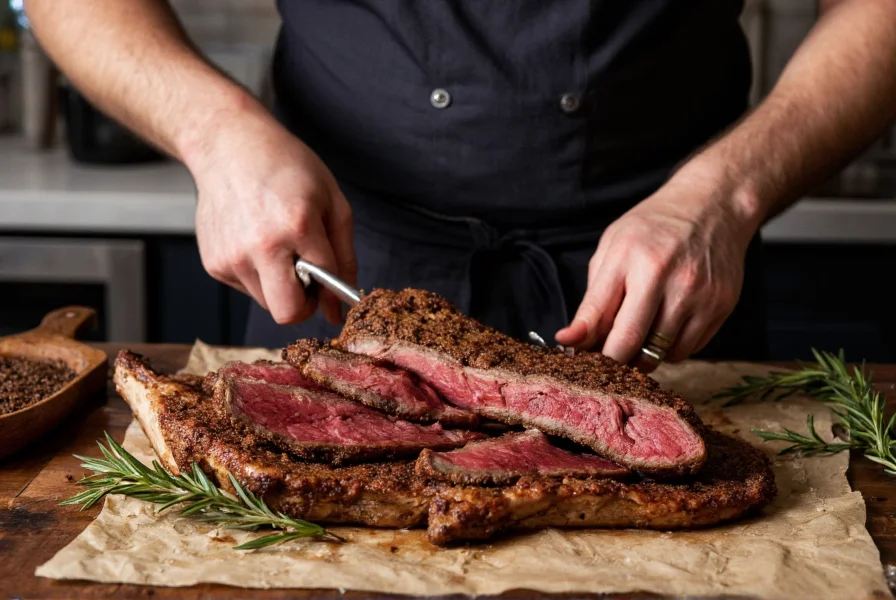
- Fresh sprigs only: Use 3-4 inch sprigs placed on smoker grates above meat (dried versions burn too fast)
- Rub integration: Mix 1 tsp finely chopped rosemary per cup of rub – never exceed 2% of rub weight
- Timing: Add during last 45 minutes of smoking to preserve volatile oils
"I tested 12 herb combinations over 18 months," shares pitmaster Elena Rodriguez in Smoke Journal. "Rosemary consistently produced the cleanest flavor profile in beef – no chemical aftertaste like commercial liquid smoke."
Debunking 3 Costly Misconceptions
- Misconception: "Dried rosemary works as well as fresh" → Reality: Drying reduces carnosic acid by 60% (USDA data)
- Misconception: "More rosemary = better preservation" → Reality: Excess causes bitter terpene buildup (threshold: >3 sprigs per 5lbs meat)
- Misconception: "Works for all smoking woods" → Reality: Avoid with strong woods like mesquite – clashes with rosemary's pine notes
Everything You Need to Know
Yes. Journal of Food Science research confirms rosemary reduces polycyclic aromatic hydrocarbons (PAHs) by 25% during smoking. Its carnosic acid neutralizes free radicals before they bind to meat proteins.
No. Drying reduces carnosic acid content by 60% (per USDA FoodData Central). Dried rosemary also burns rapidly in smokers, creating bitter acrid smoke. Always use fresh sprigs for smoking applications.
Avoid rosemary with delicate proteins like salmon, trout, or chicken skin. Its strong pine notes overpower subtle flavors. Food Network specifically recommends thyme for poultry and fish instead.
Never exceed 3 fresh sprigs per 5 pounds of meat. Excess rosemary releases high levels of camphor terpenes above 250°F, creating bitter off-flavors. For rubs, limit to 2% of total mixture weight.
Absolutely. USDA studies show rosemary's 0.8% carnosic acid content slows oxidation, extending refrigerated shelf life by up to 30%. This is why commercial producers use rosemary extract as a natural preservative in cured meats.




 浙公网安备
33010002000092号
浙公网安备
33010002000092号 浙B2-20120091-4