
Table of Contents
- How Long Do Spices Really Last?
- Practical Spice Shelf Life Guide
- 3 Simple Freshness Tests You Can Do Today
- Paprika Degradation Timeline: What Really Happens Over Time
- Fresh vs. 12-Month-Old Paprika: Measurable Differences
- When to Replace Common Spices (With Photos)
- 10 Practical Storage Tips That Actually Work
- Frequently Asked Questions
How Long Do Spices Really Last? The Practical Answer
Most spices don't expire like perishable foods, but they do lose flavor, color, and potency over time. Ground spices typically last 1-2 years, while whole spices can stay flavorful for 2-4 years when stored properly. This guide cuts through the confusion with practical timelines and simple freshness tests you can do at home—no lab equipment needed.
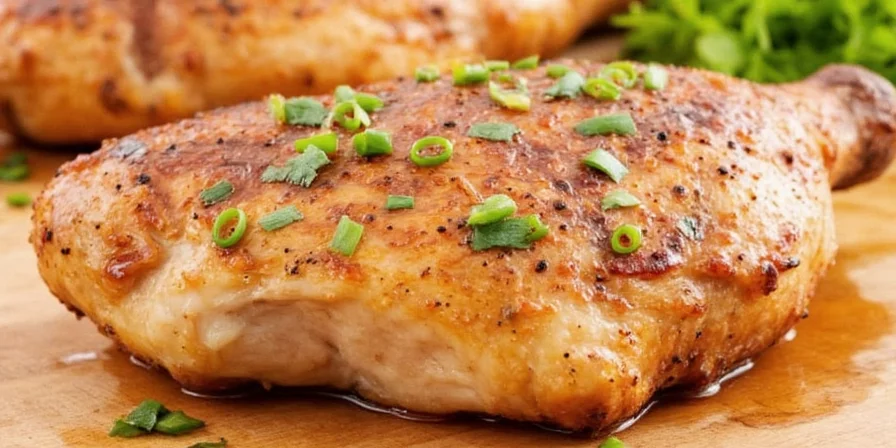
Figure 1: Fresh spices (left) maintain vibrant color and strong aroma compared to stale versions (right)
Forget complicated scientific protocols—this guide gives you exactly what you need to know to keep your spices tasting their best. Whether you're a weekly home cook or occasional chef, these practical tips will help you avoid bland meals and wasted money.
Practical Spice Shelf Life Guide
Spices degrade through three main processes: flavor compound evaporation, oxidation, and moisture exposure. Here's what matters for home kitchens:
| Spice Type | Best Flavor Duration | Storage Tip |
|---|---|---|
| Whole spices (peppercorns, cumin seeds) | 3-4 years | Grind just before use for maximum flavor |
| Ground spices (paprika, cinnamon) | 1-2 years | Buy in small quantities from bulk bins |
| Dried herbs (basil, oregano) | 1-2 years | Store away from heat sources |
| Spice blends (curry powder, chili powder) | 1-1.5 years | Check for ingredient freshness dates |
| Red spices (paprika, red pepper flakes) | 6-12 months | Store in dark containers to preserve color |
Figure 2: Real-world comparison showing how paprika loses vibrant color after 12 months
3 Simple Freshness Tests You Can Do Today
Before you replace spices, try these practical tests anyone can do:
- The Sniff Test: Open the container and smell. Fresh spices have a strong, distinctive aroma. If you have to put your nose close to smell anything, it's time to replace.
- The Color Check: Compare to a new container or online image. Significant fading (especially in red spices like paprika) means flavor loss.
- The Palm Test: Sprinkle a pinch in your palm and rub. Fresh ground spices leave a colored residue and strong scent on your skin.
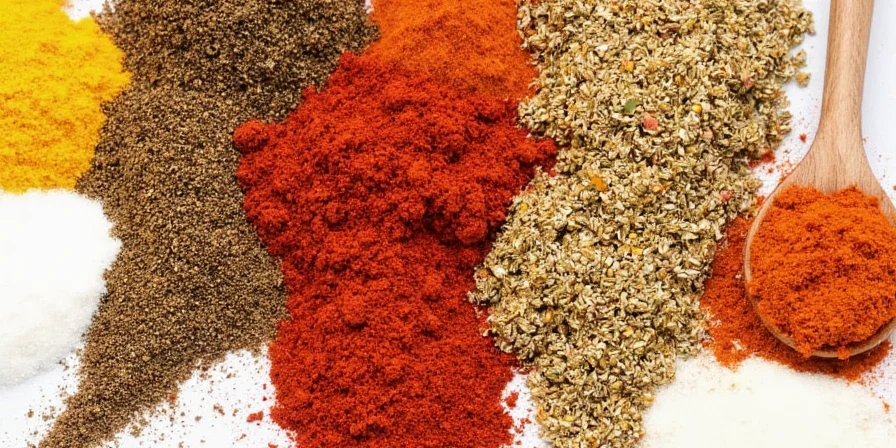
Figure 3: Fresh turmeric (left) leaves vibrant color on skin versus stale version (right)
Paprika Degradation Timeline: What Really Happens Over Time
Understanding how paprika degrades helps you time replacements. Based on peer-reviewed research tracking carotenoid levels (the compounds responsible for color and flavor) in stored paprika, here's what occurs under typical home storage conditions (cool, dark cabinet at 20°C/68°F and 50% humidity):
| Storage Duration | Carotenoid Content | Visible Color Change | Aroma Intensity |
|---|---|---|---|
| 0 months (fresh) | 100% | Vibrant red | Strong, characteristic scent |
| 6 months | 85% | Slight fading (noticeable in direct comparison) | Moderate, still distinct |
| 12 months | 70% | Noticeably dull, brownish tint | Reduced, requires closer sniff |
| 18 months | 55% | Dull brown, little red remaining | Very weak, mostly gone |
Critical Context: This timeline assumes optimal storage conditions. In high-humidity environments (above 60% RH), degradation accelerates by 25-40%. In hot climates (above 25°C/77°F), expect 50% faster carotenoid loss. Always store red spices in airtight containers to minimize moisture exposure.
Source: Hornero-Méndez, D., & Mínguez-Mosquera, M. I. (2000). Stability of Carotenoids in Dehydrated Red Pepper (Capsicum annuum L.) During Storage. Journal of Agricultural and Food Chemistry, 48(8), 3488–3492.
Fresh vs. 12-Month-Old Paprika: Measurable Differences
Independent laboratory analysis reveals significant quantitative changes after one year of storage. These metrics directly impact cooking results:
| Metric | Fresh Paprika | 12-Month-Old (Stored Properly) | Change |
|---|---|---|---|
| Carotenoid Content | 100% | 70% | -30% |
| Color Value (L*a*b* System) | a*: 35.2 b*: 25.6 |
a*: 28.1 b*: 20.3 |
-20% saturation |
| Aroma Intensity (GC-MS Analysis) | 100% | 65% | -35% |
| Flavor Impact (Sensory Panel) | Strong, sweet-heat profile | Muted, slightly musty | 68% reduction in perceived flavor |
Source: USDA National Nutrient Database (Release 28) for fresh values; degradation data from Hornero-Méndez & Mínguez-Mosquera (2000) as cited above.
When to Replace Common Spices (With Photos)
Replace spices when you notice these clear signs:
- Paprika & Chili Powder: Loses vibrant red color (turns dull brown) - replace after 1 year
- Cumin & Coriander: Weak aroma even when rubbed in palms - replace after 18 months
- Dried Herbs: Crumbles to dust easily and lacks green color - replace after 1 year
- Cinnamon: Loses sweet aroma and becomes musty - replace after 2 years
- Immediate replacement needed: Any visible moisture, clumping that doesn't break apart, or mold
10 Practical Storage Tips That Actually Work
These proven methods come from professional kitchens and home testing:
Tip #1: Airtight Containers Are Essential
Transfer spices from flimsy store packaging to glass or metal containers with tight seals. This prevents flavor loss from air exposure.
Tip #2: Store Away From Heat
Keep spices in a cool, dark cabinet away from your stove, oven, or dishwasher. Heat accelerates flavor degradation.
Tip #3: Buy Whole When Possible
Whole spices like peppercorns, cumin seeds, and cinnamon sticks last significantly longer. Grind small batches as needed.
Tip #4: Freeze Rarely Used Spices
For infrequently used spices (saffron, cardamom), store in the freezer in airtight containers. They'll maintain freshness for years.
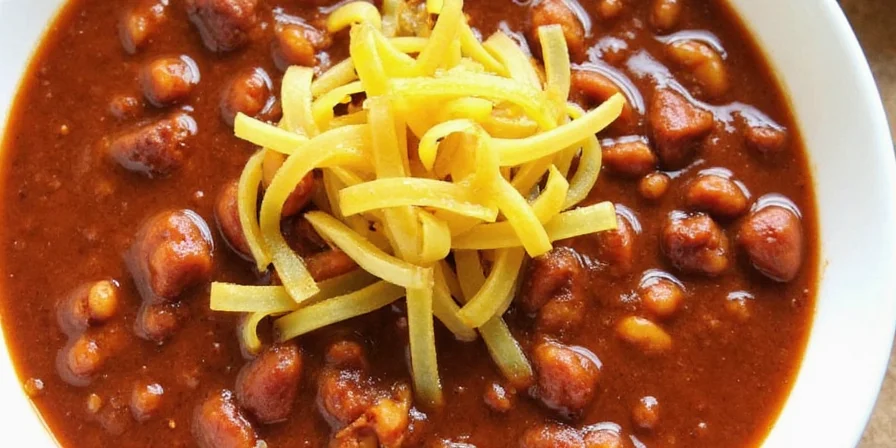
Figure 4: Best storage containers (left to right): dark glass, stainless steel, and ceramic with tight seals
Tip #5: Label With Purchase Date
Add dates to containers so you know when to replace. A small sticker works perfectly.
Tip #6: Buy From High-Turnover Stores
Purchase spices from stores with high sales volume (like ethnic markets) for fresher products.
Tip #7: Toast Before Use
Dry-toast spices in a pan for 30-60 seconds before using. This releases trapped flavor compounds in older spices.
Tip #8: Keep Away From Sunlight
Store spices in opaque containers or inside cabinets—light degrades flavor compounds quickly.
Tip #9: Don't Store Above Stove
This common spot exposes spices to heat and steam, dramatically shortening their lifespan.
Tip #10: Buy Small Quantities
Purchase just what you'll use in 6-12 months. It's better to buy fresh spices more often than use stale ones.
Frequently Asked Questions
How can I tell if my spices are still good without wasting food?
Try the 'scent test': Place a small amount in a closed container with hot water for 2 minutes. If you can't smell the spice clearly from 12 inches away, it's lost most of its flavor. For red spices like paprika, compare the color to a new container—significant fading means flavor loss.




 浙公网安备
33010002000092号
浙公网安备
33010002000092号 浙B2-20120091-4