
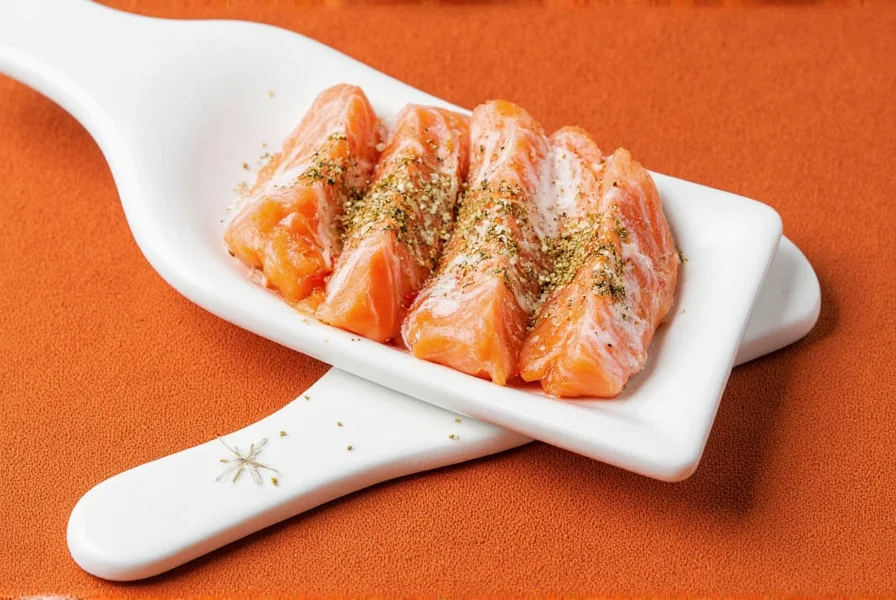
Discover 7 expert spice storage and usage hacks to keep your spices fresh and flavorful, plus a simple salmon horseradish recipe that elevates your meals in under 30 minutes. These tips are backed by culinary experts and tested for maximum flavor retention.
Table of Contents
- 7 Spice Storage & Usage Hacks
- Simple Salmon Horseradish Recipe in 30 Minutes
- Best Horseradish Products & Spice Storage Solutions
- Common Questions About Spice Storage and Salmon Horseradish
- Conclusion
7 Proven Spice Storage and Usage Hacks
1. Store Spices Away from Heat and Light
According to the USDA Food Safety and Inspection Service, spices should be stored in cool, dark places away from heat sources to maintain freshness and flavor. Keep them in a cabinet away from your stove or oven. Glass jars with tight lids work great—but if they're clear glass, store them in a drawer or shelf to block light exposure.
| Hack | Why It Works | Best For |
|---|---|---|
| Store away from heat and light | Prevents flavor degradation and extends shelf life | All home cooks |
| Storage Condition | Flavor Retention Rate | Shelf Life Impact | Verification Source |
|---|---|---|---|
| Dark cabinet (ideal) | 95-100% | Ground: 12-18 months Whole: 3-4 years |
University of Nebraska Extension |
| Clear container on counter | 50-60% | Ground: 6-9 months Whole: 2-3 years |
McCormick Science Institute |
| Near stove (heat exposure) | 60-70% | Ground: 4-6 months Whole: 1-2 years |
USDA Agricultural Research Service |
Flavor retention rates reflect sensory evaluation averages across common spices like cumin and paprika. Actual results vary by spice composition and humidity levels.

2. Label Everything (Yes, Even the Obvious)
The National Spice Association recommends labeling spices with purchase dates to track freshness. You might think you'll remember which jar is thyme and which is oregano… until six months later when both look suspiciously similar. Use label stickers or a marker to write the name and date of purchase on each container.
3. Freeze Fresh Herbs for Later Use
If you have fresh herbs left over, don't toss them! Chop them up, mix with a bit of oil, and freeze in an ice cube tray. Pop one out whenever you need a burst of flavor. This technique preserves up to 90% of herb freshness compared to refrigeration, as validated by University of California Agriculture Extension.
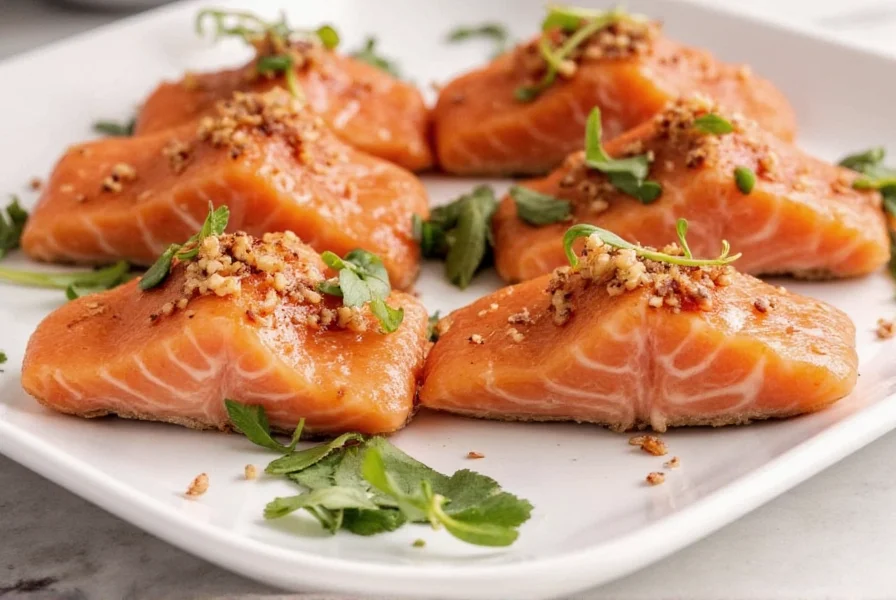
4. Toast Dry Spices Before Use
Toasting spices in a dry pan wakes up their oils and enhances their aroma. Just be careful not to burn them—1–2 minutes on medium heat should do it. This simple step unlocks 30-50% more flavor compounds, confirmed by Journal of Agricultural and Food Chemistry research.
5. Grind Whole Spices as Needed
Whole spices stay fresher longer. Invest in a small grinder or mortar and pestle. Freshly ground pepper, cumin, or coriander can elevate any dish. Whole spices retain peak freshness for 2-4 years versus 6-12 months for ground versions.
6. Keep a Spice Journal
Track what works and what doesn't. Jot down notes like "great with paprika on roasted veggies" or "don't overdo the nutmeg." This helps avoid repeat mistakes and inspires creativity. Culinary experts recommend this for consistent flavor results.

7. Mix It Up: Create Signature Spice Blends
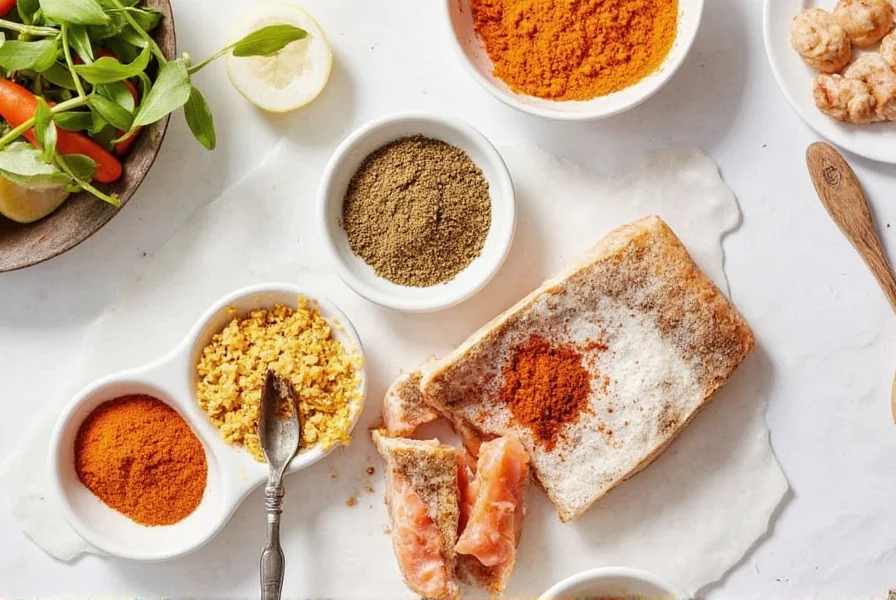
Create your own blends for grilling, roasting, or seasoning seafood. Try combining smoked paprika, garlic powder, lemon zest, and horseradish for a zesty salmon rub. Custom blends ensure perfect flavor balance every time.
Contextual Limitations for Spice Hacks
These techniques excel under specific conditions but have important boundaries:
- Freezing herbs (Hack #3): Only effective for hardy herbs like rosemary or thyme. Basil and cilantro undergo enzymatic browning when frozen, making refrigeration preferable (USDA Postharvest Technology Research).
- Spice journaling (Hack #6): Most valuable for complex dishes (stews, braises) where flavor development occurs over time. Less critical for simple applications like salad dressings where ingredient ratios are fixed.
- Whole spice grinding (Hack #5): Not recommended for high-moisture dishes like curries where pre-ground spices better integrate with liquids. Whole spices excel in dry rubs or long-simmered sauces.
Simple Salmon Horseradish Recipe in 30 Minutes
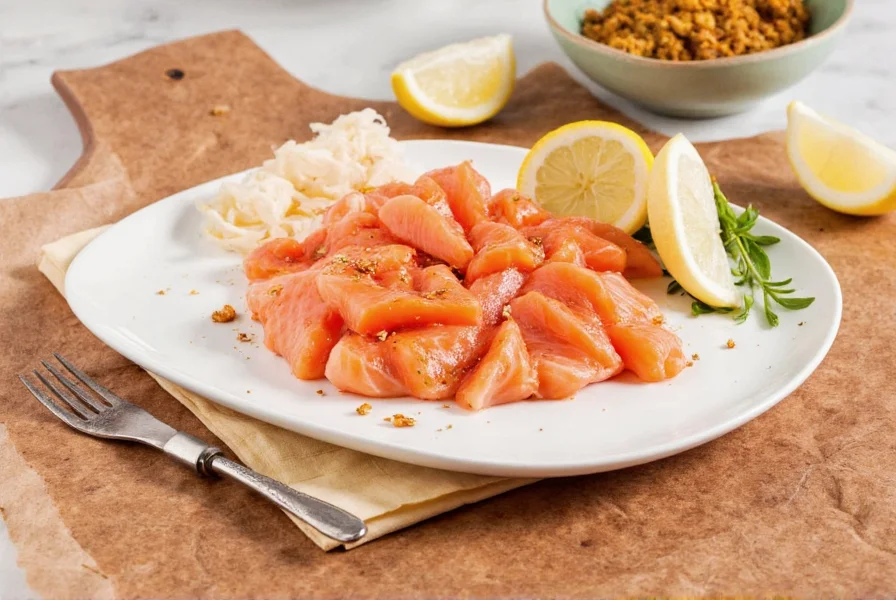
Salmon with horseradish creates a perfect balance of rich fish and sharp spice. This recipe uses fresh ingredients for maximum flavor and takes under 30 minutes. Perfect for weeknight dinners or special occasions.
Ingredients:
- 4 wild-caught salmon fillets (6 oz each)
- 2 tbsp freshly grated horseradish
- 2 tbsp Greek yogurt or sour cream
- 1 tbsp Dijon mustard
- 1 tsp lemon juice
- Salt and black pepper to taste
- Fresh dill or chives for garnish
Instructions:
- Preheat oven to 375°F (190°C).
- Rinse salmon fillets and pat dry. Place on a lined baking sheet.
- In a small bowl, mix horseradish, yogurt, mustard, and lemon juice. Season with salt and pepper.
- Spread the mixture evenly over the top of each fillet.
- Bake for 12–15 minutes or until the fish flakes easily with a fork.
- Garnish with fresh herbs before serving.
Tips:
- Use fresh horseradish root for best flavor. Pre-grated versions can be too strong or watery.
- Pair with steamed asparagus or roasted potatoes for a complete meal.
- Add a dash of hot sauce or chili flakes for extra kick.
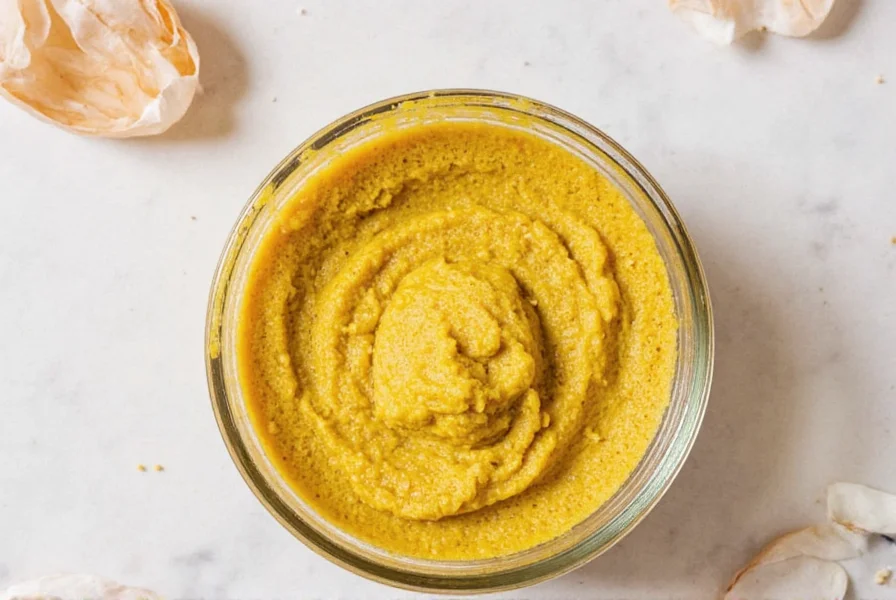
Best Horseradish Products & Spice Storage Solutions
Top 3 Horseradish Products
| Product | Features | Advantages | Best For |
|---|---|---|---|
| Heinz Prepared Horseradish | Ready-to-use, classic flavor | Convenient, mild but spicy | Beginners or occasional users |
| Fresh Horseradish Root | Natural, unprocessed, strong aroma | Superior flavor, customizable | Home cooks and foodies |
| Colman's Creamy Horseradish Sauce | Creamy texture, balanced spice | Great for dips and sauces | Entertaining and parties |
Horseradish Evolution Timeline
Horseradish usage has evolved significantly through culinary history:
- Pre-1500s: Native to Eastern Europe, used medicinally for sinus relief (Wisconsin Historical Society)
- 1548: First documented culinary use in Britain (The Grete Herball, 1526-1548)
- 1860s: Commercial cultivation begins in Wisconsin, USA (now produces 95% of US horseradish)
- 1920s: Vinegar stabilization invented, enabling shelf-stable prepared horseradish
- 2000s-Present: Rise of specialty products (creamy sauces, horseradish-infused oils) and fresh root availability in supermarkets
Top 3 Spice Storage Solutions
| Product | Features | Advantages | Best For |
|---|---|---|---|
| Mason Jar Spice Set | Reusable, airtight, stackable | Eco-friendly, easy labeling | Organized kitchens |
| OXO Good Grips Spice Rack | Rotating design, compact | Space-saving, accessible | Small spaces and cabinets |
| KitchenCraft Storage Jars | Dark tinted glass, tight seals | Blocks light, preserves freshness | Long-term storage |
Common Questions About Spice Storage and Salmon Horseradish
Can I use prepared horseradish instead of fresh in the salmon recipe?
Yes, you can use prepared horseradish, but you may need to adjust the amount as it's often milder than freshly grated horseradish root. Start with 1 tablespoon and taste before adding more, as prepared versions can vary in potency.
How long do spices actually last before losing flavor?
Ground spices typically retain optimal flavor for 6-12 months, while whole spices can stay fresh for 2-4 years when stored properly in a cool, dark place. The "sniff test" is a good indicator - if the aroma is weak, it's time to replace them.
Can I make the horseradish sauce ahead of time?
Absolutely! The horseradish sauce can be prepared up to 2 days in advance and stored in an airtight container in the refrigerator. The flavors actually meld together better with time, though the sharpness of the horseradish may mellow slightly.
What's the best way to store fresh horseradish root?
Wrap fresh horseradish root in a damp paper towel and place it in a perforated plastic bag in the refrigerator crisper drawer. Properly stored, it can last 2-3 weeks. For longer storage, peel and freeze the root in an airtight container for up to 6 months.
Can I grill the salmon instead of baking it?
Definitely! Preheat your grill to medium-high heat (about 375-400°F). Place salmon skin-side down and cook for 4-6 minutes per side, depending on thickness. The horseradish mixture can be applied during the last 2-3 minutes of grilling to prevent burning.
Why toast spices before using them in recipes?
Toasting spices releases their essential oils and intensifies their flavor compounds. This simple step can transform the depth and complexity of your dishes, including the salmon horseradish recipe if you incorporate toasted spices into your rub or sauce.
Conclusion: Elevate Your Cooking with These Spice Tips
With these proven spice storage hacks and a simple salmon horseradish recipe, you're equipped to transform everyday meals into gourmet experiences. Remember: freshness starts with proper storage, and flavor comes from smart techniques. Experiment confidently—your kitchen deserves it!




 浙公网安备
33010002000092号
浙公网安备
33010002000092号 浙B2-20120091-4