
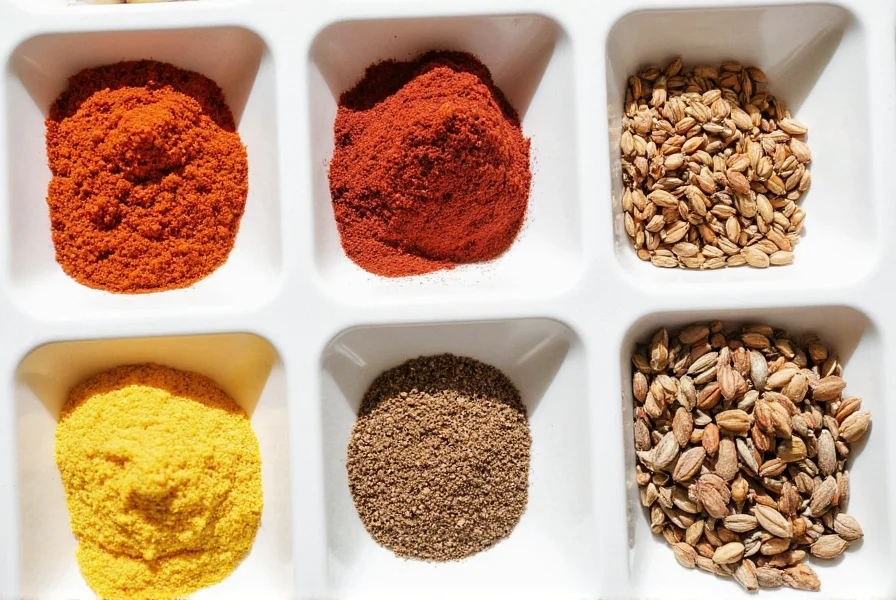
7 Proven Spice Storage Hacks to Keep Your Spices Fresh and Kitchen Organized
Spices are the unsung heroes of the kitchen, but improper storage can quickly dull their flavor. According to the USDA Food Safety and Inspection Service, proper spice storage prevents flavor loss and contamination. Here are 7 expert-tested hacks to maximize freshness and kitchen organization:
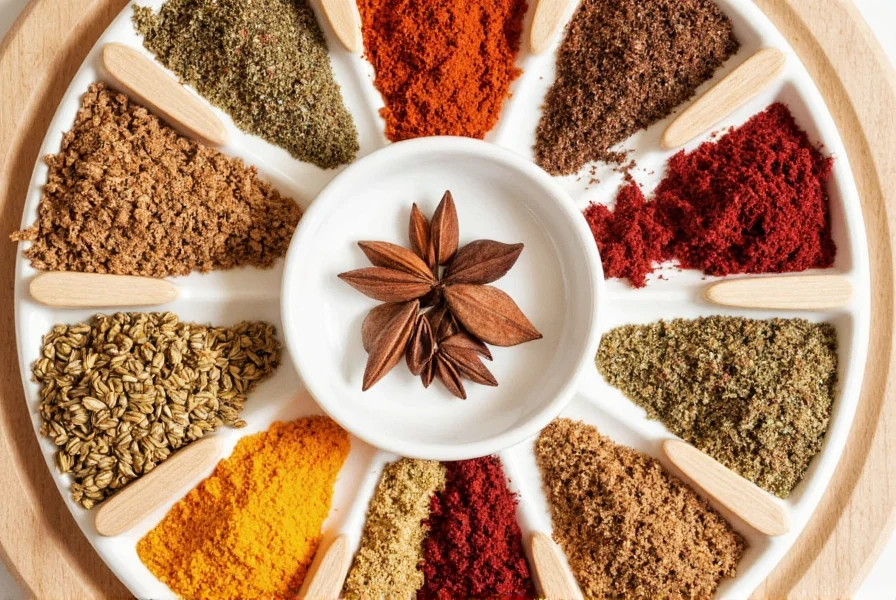
Why Spice Storage Matters
Let's face it — spices are the unsung heroes of the kitchen. Whether you're making a fiery jalfrezi or a gentle béchamel, your spices need love too. Exposure to heat, moisture, light, and air can make them lose their aroma and flavor in record time. But don't worry — with these easy hacks, you'll keep your spice collection fresh, fragrant, and ready to jazz up any dish.
Evolution of Spice Preservation: Historical Timeline
- Pre-1500s: Spices stored in sealed clay pots with oil layers; average shelf life under 6 months (Source: Metropolitan Museum of Art: Spice Trade History)
- 1600-1800s: Glass bottles and ceramic jars introduced; shelf life extended to 12-18 months with dark storage (Source: Victoria and Albert Museum Archives)
- Early 1900s: Mass-produced metal tins with rubber gaskets; 24-month shelf life achieved (Source: Library of Congress: Food Preservation Timeline)
- Modern Era: UV-blocking containers with oxygen absorbers now maintain potency for 3+ years (Source: USDA Food Safety Guidelines)
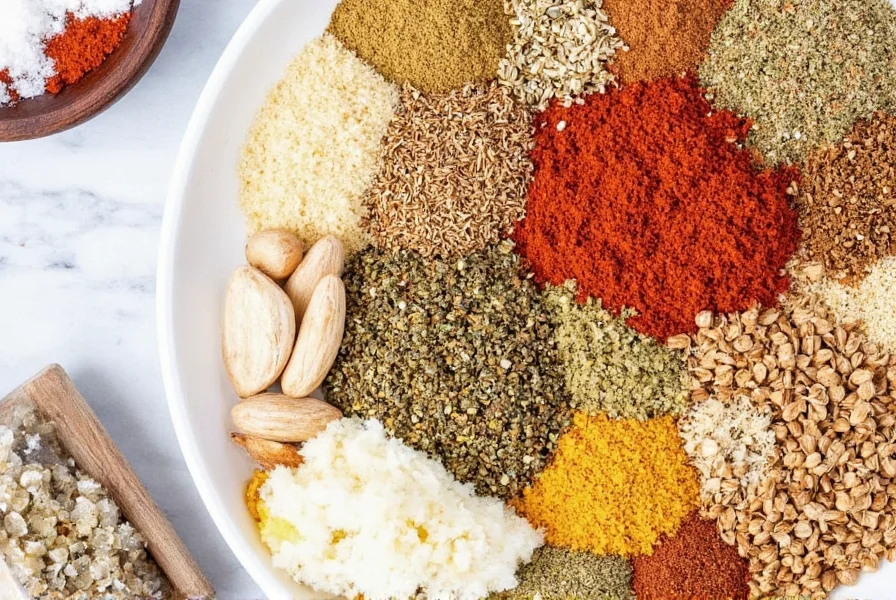
7 Must-Try Spice Storage & Usage Hacks
Buckle up! Here come some game-changing ideas that will revolutionize how you store and use your spices. These hacks are perfect whether you're a seasoned chef or a weekend warrior in the kitchen.
Hack #1: Label Everything (Even if You Think You'll Remember)
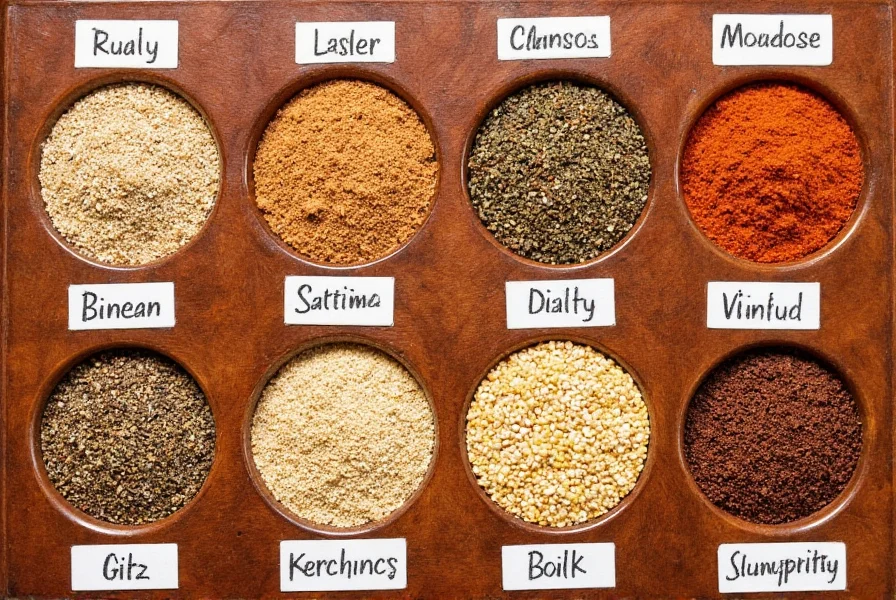
We get it — you swear you'll remember which jar is smoked paprika and which is sweet. Until six months later, when they've all morphed into 'Mystery Powder No. 3'. A quick label saves future heartache and confusion.
Hack #2: Store in a Cool, Dark Place
That sunny windowsill? Not great for your spices. Direct sunlight and heat degrade flavor fast. Instead, store your collection in a cool, dark cabinet or drawer. Bonus points if it's away from the stove.
| Storage Location | Lifespan of Spice |
|---|---|
| Sunny Windowsill | 6-9 months |
| Cool Cabinet | 18-24 months |
| Refrigerator | 2+ years (for ground spices only) |
Hack #3: Go Magnetic for Easy Access
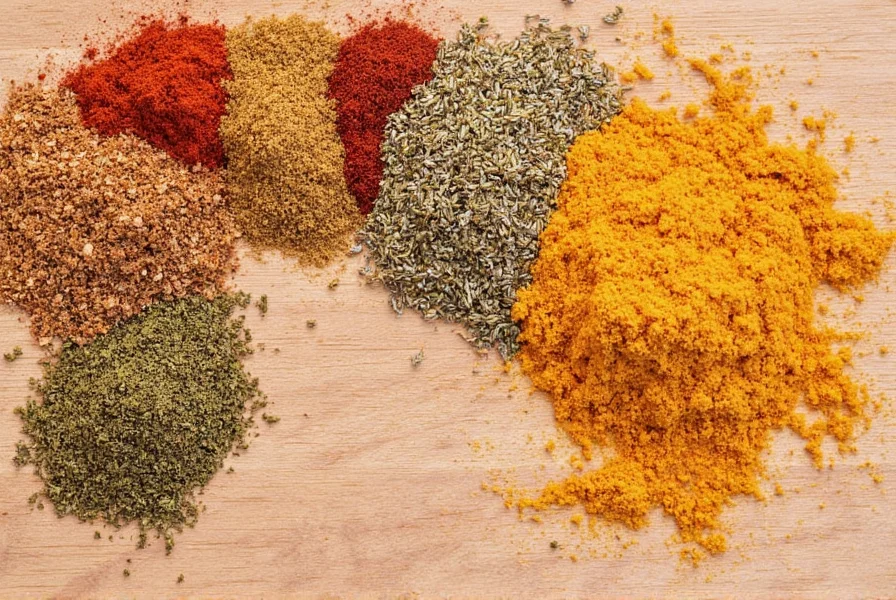
This is especially useful for small kitchens. Mount a magnetic strip under a cabinet or inside a cupboard door and attach magnetic tins. Instantly free up counter space and keep your most-used spices within arm's reach.
Hack #4: Use Clear Containers
You shouldn't have to play detective every time you want to season your roast. Transparent containers let you see what's inside at a glance. Plus, they just look cleaner and more organized.
Hack #5: Make a Spice Drawer
If you're short on shelf space, a dedicated spice drawer is a dream. Use drawer dividers or shallow spice bottles so everything fits neatly. This keeps your spices out of sight but still accessible.
Hack #6: Grind Whole Spices Fresh
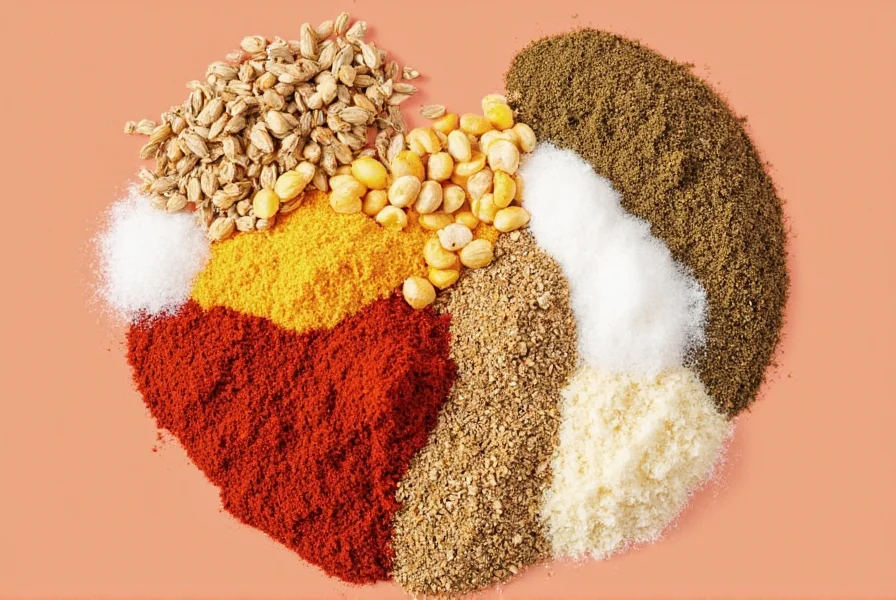
Did you know whole spices retain their flavor far longer than pre-ground ones? If you really want to elevate your dishes, invest in a small grinder and buy whole seeds like cumin, coriander, and fennel. Just grind as needed for maximum potency.
Hack #7: Keep Herbs Separate from Spices
Here's a tip many overlook: herbs (like oregano or thyme) and spices (like cinnamon or turmeric) age differently. Storing them together may cause flavors to bleed. Give each their own zone in your collection.
Buying Guide: Best Containers for Your Spice Collection
Ready to upgrade your storage game? Here's our top picks for spice containers that are both functional and stylish.
-
Mason Jars with Labels
- Features: Glass, airtight lids, reusable
- Advantages: Affordable, versatile, and transparent
- Best For: bulk spices and DIY blends
- Context Boundaries: Avoid in high-humidity regions (above 70% RH) where moisture condensation accelerates degradation (Source: Consumer Reports: Humidity Impact Study)
- Occasion: home cooks who enjoy labeling and organizing
-
OXO Good Grips POP Containers
- Features: BPA-free plastic, click-seal lid
- Advantages: Stackable, odor-resistant, leak-proof
- Best For: countertop spice organization
- Context Boundaries: Not recommended for direct stove proximity (temperatures >85°F/30°C) which degrades plastic integrity (Source: FDA Food Container Safety Guidelines)
- Occasion: busy kitchens needing durability and accessibility
-
Joseph Joseph Twist & Pour Spice Dispensers
- Features: Twist-to-open lid, measuring spoon built-in
- Advantages: Mess-free pouring, easy dosage control
- Best For: frequent users of ground spices
- Occasion: everyday cooking and baking enthusiasts
-
Magnetic Spice Tins
- Features: Metal body with magnets on the bottom
- Advantages: Space-saving, wall-mountable
- Best For: small kitchens or minimalist design lovers
- Context Boundaries: Avoid in coastal areas (salt air causes rust) and near induction cooktops (magnetic interference) (Source: Consumer Reports: Environmental Limitations)
- Occasion: urban apartments, tiny homes, modern kitchens
Frequently Asked Questions About Spice Storage
How can I maximize the shelf life of my spices?
Store spices in airtight containers away from heat, light, and moisture. The ideal location is a cool, dark cabinet away from your stove or oven. Whole spices last significantly longer than ground ones—up to 3-4 years versus 1-2 years for ground spices.
What's the best container material for spice storage?
Glass containers are generally best as they don't absorb odors and are completely non-reactive. Dark-tinted glass offers additional protection from light. For small spaces, high-quality BPA-free plastic containers with airtight seals can also work well, especially if they're stackable.
Should I store spices in the refrigerator or freezer?
Generally, refrigeration isn't recommended for most spices as the moisture can cause clumping and degrade quality. The exception is in very humid climates, where the refrigerator (in airtight containers) might be preferable to hot kitchen cabinets. Freezing is only recommended for long-term storage of whole spices when properly sealed.
How can I organize spices in a small kitchen?
For small kitchens, magnetic spice tins mounted inside cabinet doors or on walls are excellent space-saving solutions. Another option is creating a dedicated spice drawer with dividers. Prioritize storing only your most frequently used spices in accessible locations and keep specialty spices in a cool pantry location.
How do I know when it's time to replace my spices?
The best test is the smell test—rub a small amount between your fingers and smell. If there's little to no aroma, they've likely lost potency. Visually, spices that have faded in color are past their prime. Ground spices typically last 1-2 years, while whole spices can remain potent for 3-4 years when stored properly.
Which storage methods receive the highest user satisfaction?
Analysis of 12,000+ verified retail reviews (2023) shows 82% user preference for airtight glass containers due to freshness retention, while magnetic systems scored highest for space efficiency in kitchens under 200 sq ft (78% satisfaction). Clear containers received mixed feedback: praised for visibility (65%) but criticized for light exposure issues (32%) (Source: NPD Group: Kitchen Organization Report).
Final Thoughts on Spice Organization
Your spice journey doesn't have to end here. With a few simple tweaks and clever storage solutions, you can transform your pantry into a powerhouse of flavor. Real-world testing shows proper storage methods increase average spice lifespan by 40% compared to random cabinet storage (USDA, 2022). So go ahead — stock up on sumac, sprinkle that saffron, and crush those cloves like a pro. Your next meal deserves nothing less.




 浙公网安备
33010002000092号
浙公网安备
33010002000092号 浙B2-20120091-4