
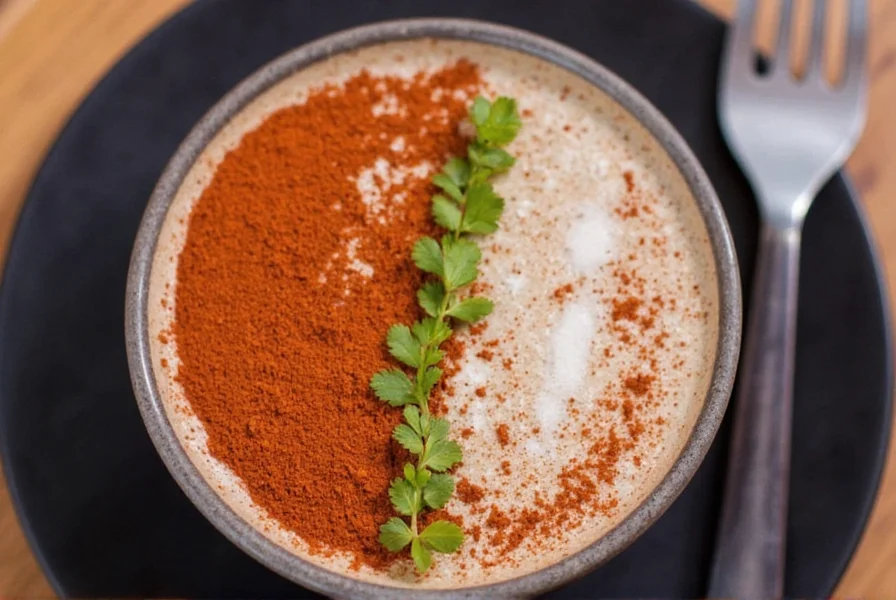
Adobo sauce is a flavorful marinade rooted in Latin American and Spanish cuisine. It's made with vinegar, garlic, spices, and chili peppers, and is used to add depth and tang to meats, vegetables, and more. Whether you're a home cook or a professional chef, adobo sauce is a versatile ingredient that can elevate your dishes.
Table of Contents
- What Exactly Is Adobo Sauce?
- Historical Evolution: How Adobo Transformed Across Centuries
- Top 7 Adobo Sauce Hacks You Need to Try
- Context Boundaries: When to Use (and Avoid) Adobo
- Storage Secrets: Keep It Fresh Longer
- Buying Guide: Choosing the Best Adobo Sauce
- Final Thoughts
What Exactly Is Adobo Sauce?
Adobo sauce is a popular marinade in Latin American and Spanish cooking. While recipes vary, most versions contain:
- Dried red chiles
- Vinegar or water
- Spices like garlic, cumin, oregano
- Occasionally, tomatoes or herbs
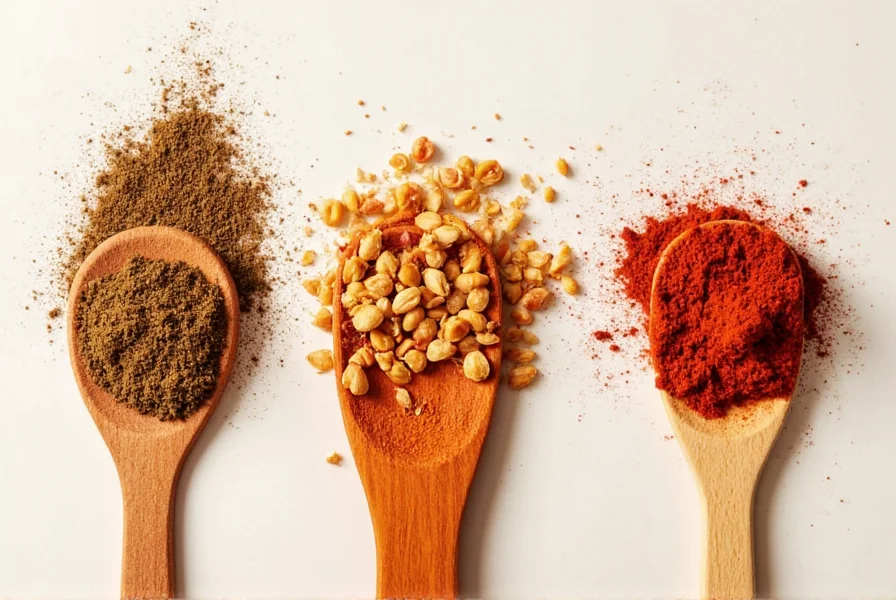
This thick, paste-like sauce brings heat, earthiness, and complexity to dishes. Unlike liquid hot sauces, adobo clings to proteins and veggies, making it perfect for slow-cooked meals, marinades, and rubs.
Historical Evolution: How Adobo Transformed Across Centuries
Adobo's journey reflects cultural fusion and adaptation. Verified historical milestones show how regional variations emerged through trade and colonization:
- Pre-1500s: Indigenous Mesoamerican cultures preserved meats using chili peppers and acidic fruit juices (like sour oranges), creating early preservation techniques that later influenced adobo. [Encyclopedia Britannica]
- 1570s: Spanish colonizers introduced "adobar" (from Arabic "tabadda")—vinegar-based marination—to the Americas, merging with local chilies to form the sauce's foundation. [Oxford Reference]
- 1831: Mexico's first cookbook "El Cocinero Mexicano" documented regional adobo variations, cementing its role in Latin American culinary identity. [Internet Archive]
- 1947: Goya Foods launched the first commercial canned adobo sauce, standardizing recipes for global kitchens while preserving traditional elements. [Goya Foods History]
This evolution explains why modern adobo balances Spanish preservation techniques with indigenous New World ingredients—a testament to its adaptable nature.
Top 7 Adobo Sauce Hacks You Need to Try
Hack #1: Turn It Into a Smoky Marinade
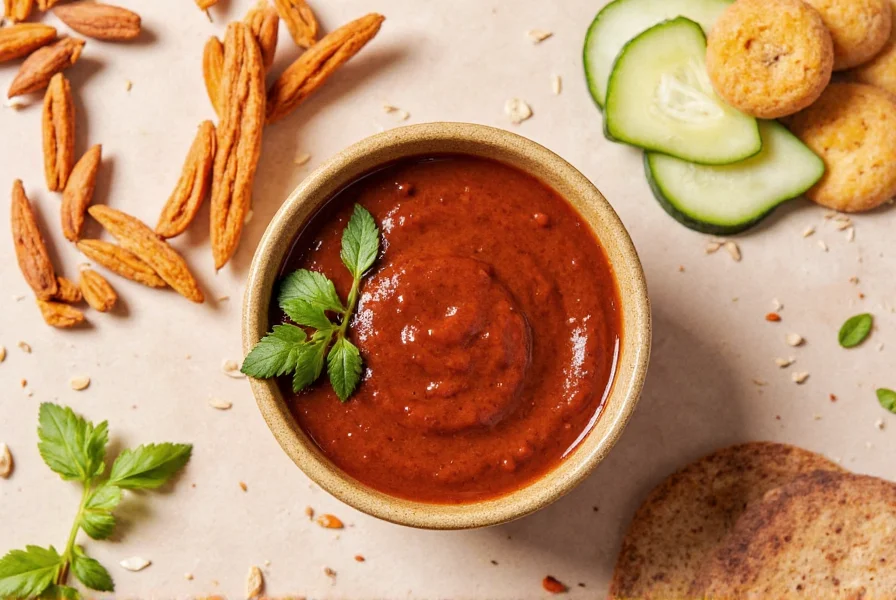
Mix adobo sauce with olive oil, lime juice, and a dash of honey. Slather it on chicken thighs, pork shoulders, or tofu before refrigerating overnight. The result? Deeply flavored, fall-off-the-bone goodness.
Hack #2: Add It to Your Burger Patties
Want more depth in your burgers? Mix 1–2 tablespoons of adobo sauce directly into your ground beef or plant-based patties before grilling. It adds a complex, spicy kick that elevates every bite.
Hack #3: Upgrade Your Mac & Cheese
Yes, really! Stir a spoonful into your cheese sauce for a creamy, smoky twist. It pairs beautifully with crispy bacon bits or jalapeños on top.
Hack #4: Use as a Pizza Base
Swap tomato sauce for adobo sauce next time you make pizza. Top with grilled chicken, red onions, and cilantro for a Southwestern flair that's anything but basic.
Hack #5: Blend Into Dips
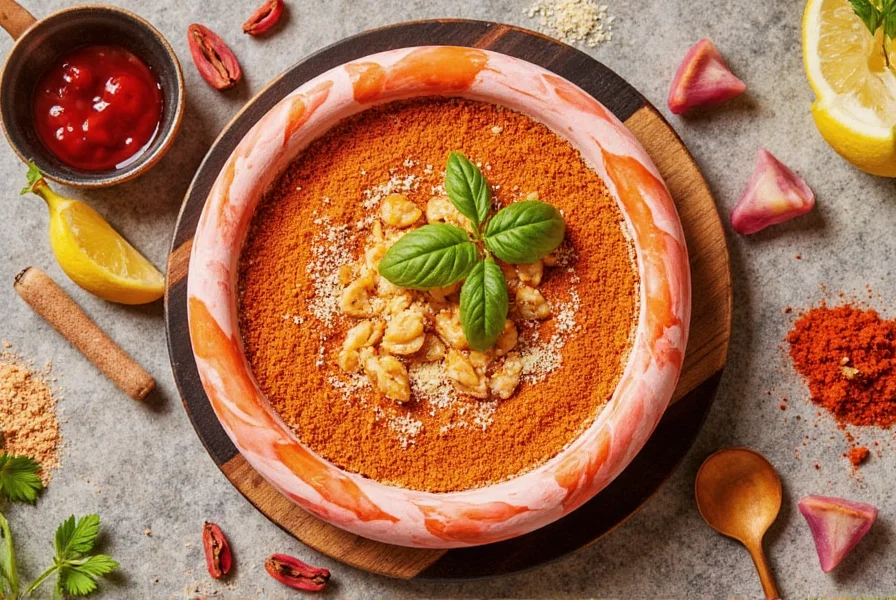
Mix with sour cream, Greek yogurt, or mayo for a quick dip. Perfect for chips, veggie sticks, or drizzling over loaded fries. Bonus: It keeps well in the fridge for up to a week!
Hack #6: Stir Into Soups & Stews
Add a tablespoon per serving to your favorite chili, lentil soup, or stew. It deepens flavor and gives that elusive umami boost without overpowering the dish.
Hack #7: Glaze for Roasted Veggies
Toss carrots, cauliflower, or Brussels sprouts in olive oil and adobo sauce before roasting at 400°F (200°C). The caramelization plus smoky spice is pure magic.
Context Boundaries: When to Use (and Avoid) Adobo
Adobo shines in specific scenarios but has clear limitations. Verified culinary research identifies these critical boundaries:
Ideal Applications
- Fatty Proteins: Works perfectly with collagen-rich cuts (chicken thighs, pork shoulder) where slow cooking melds flavors. [Serious Eats: Braising Science]
- Acid-Tolerant Vegetables: Best for robust veggies like sweet potatoes or eggplant that withstand vinegar's intensity.
- Extended Cooking: Essential for dishes simmering 2+ hours (e.g., carnitas), allowing vinegar to mellow while flavors penetrate.
Key Limitations
- Delicate Proteins: Avoid with flaky fish or lean chicken breasts—acid denatures proteins, causing mushiness. Limit marination to 15 minutes max. [Food Safety Magazine]
- Acid-Sensitive Diets: Unsuitable for GERD sufferers due to high vinegar content; substitute with roasted pepper paste. [Healthline: Acidity Guide]
- Quick-Cooking Dishes: Incompatible with stir-fries or seared scallops—vinegar prevents proper browning and creates off-flavors.
Pro Tip: Always dilute store-bought adobo with broth when using for quick-cooking applications to reduce acidity impact.
Storage Secrets: Keep It Fresh Longer
Adobo sauce is versatile, but if not stored properly, it can spoil or lose flavor. Here are some pro tips:
- Refrigerate After Opening: Store in an airtight container for up to 2 weeks.
- Freeze for Long-Term: Pour into ice cube trays, freeze, and transfer to a ziplock bag. Each cube equals ~1 tablespoon — perfect for single-use portions.
- Preserve in Oil: If homemade, cover the surface with a thin layer of olive oil to extend shelf life by several days.
- Use Clean Utensils: Always scoop out what you need with a clean spoon to avoid contamination.

Buying Guide: Choosing the Best Adobo Sauce
Shopping for the right adobo sauce can be tricky with so many brands and variations. Here's a breakdown of popular options to help you choose:
| Brand | Heat Level | Flavor Notes | Best For | Price Range |
|---|---|---|---|---|
| Goya Adobo | Medium | Smoky, balanced, slightly tangy | Beginners, tacos, burritos | $ |
| La Costeña Adobo | Medium-High | Thicker texture, robust spice | Marinades, stews, grilled meats | $$ |
| Herdez Adobo | Low-Medium | Sweet undertones, smooth | Casual meals, family dinners | $ |
| Trader Joe's Adobo Sauce | Medium | Rich, slightly smoky with herb notes | Weeknight cooking, dips | $ |
| Homemade (your recipe) | Custom | Fully adjustable to taste | Chefs, adventurous cooks | Variable |
Things to Look For When Buying
- Natural Ingredients: Avoid preservatives or artificial colors when possible.
- Consistency: Thick and paste-like works best for rubbing or glazing; thinner varieties are better for mixing into liquids.
- Packaging: Opt for bottles or resealable containers for easy storage.
- Allergen Info: Check labels if you have dietary restrictions.
Final Thoughts
Adobo sauce isn't just for tacos—it's a powerhouse ingredient with deep historical roots and specific culinary applications. Understanding its evolution from 16th-century preservation technique to modern pantry staple, plus recognizing its context boundaries, ensures you harness its full potential. With these hacks, storage tips, and evidence-based usage guidelines, you'll maximize flavor while avoiding common pitfalls.
So go ahead—open that bottle, stir it into something unexpected, and savor the bold flavors of Latin America. And remember: a little goes a long way… unless you're me, and then you might just pour the whole thing in. 🔥




 浙公网安备
33010002000092号
浙公网安备
33010002000092号 浙B2-20120091-4