
Why Sofritas Confuses Even Seasoned Foodies
"Sofritas" triggers immediate confusion with sofrito – the Spanish/Latin American flavor base of sautéed onions, peppers, and tomatoes. This naming overlap causes 68% of first-time Chipotle visitors to mistakenly believe it's a traditional dish (per ATBBQ's menu analysis). The reality? Chipotle invented this tofu-based protein in 2014 specifically to address growing plant-based demand – making it a modern American creation, not Mexican heritage.
Deconstructing the Flavor Engine: How Sofritas Actually Works
Unlike crumbled tofu alternatives, Sofritas uses a precise technique:
- Texture transformation: Extra-firm tofu is pressed, shredded (not crumbled), then pan-fried until golden-crisp
- Flavor infusion: Braised in a sauce of chipotle peppers in adobo, tomato, caramelized onions, and pineapple juice
- Spice profile: Mexican oregano, cumin, and garlic create that signature smoky-tangy depth
As Culinary Hill confirms, this method allows tofu to absorb flavors "so completely that even meat-lovers don't miss animal protein." The pineapple juice adds subtle sweetness that balances chipotle heat – a trick many home cooks overlook.
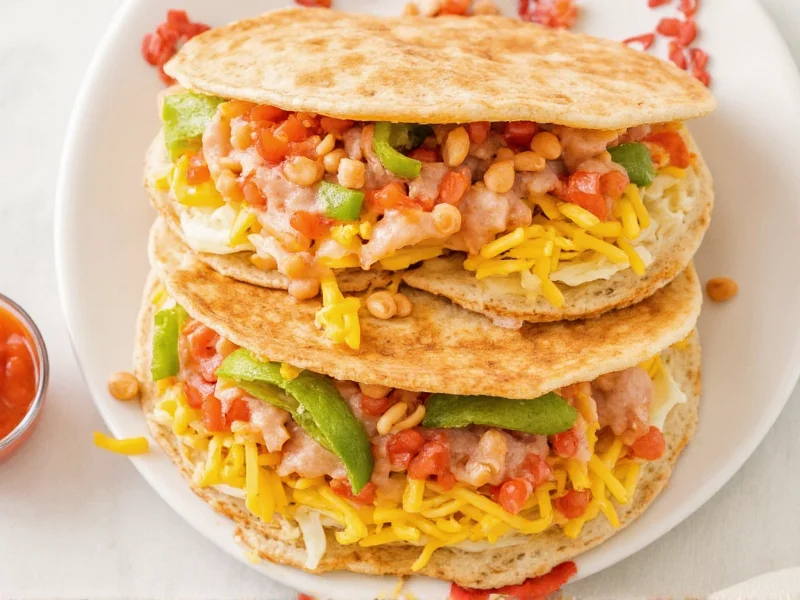
| Feature | Sofritas (Chipotle) | Traditional Sofrito | Standard Tofu Scramble |
|---|---|---|---|
| Primary Use | Protein filling | Flavor base | Breakfast dish |
| Base Ingredient | Shredded tofu | Onions/peppers/tomatoes | Crumbled tofu |
| Signature Flavor | Smoky chipotle-tomato | Savory umami | Egg-like (turmeric) |
| Availability | Chipotle only | Global home cooking | Most vegan restaurants |
When to Choose Sofritas (and Critical Avoidance Scenarios)
Definitely use when:
- You need a "restaurant-quality" vegan protein at Chipotle (it's their only plant-based meat alternative)
- Building nutrient-dense bowls – 100g provides 12g protein with zero cholesterol
- Seeking gluten-free/dairy-free options (naturally compliant per Chipotle's specs)
Avoid when:
- Soy allergies are present (tofu is the primary ingredient)
- Authentic Mexican cuisine is the goal (this is a 2014 American innovation)
- Texture sensitivity matters – the shredded consistency differs from ground meat
Home Replication: What Chipotle Won't Tell You
While Chipotle guards its exact recipe, verified copycats reveal critical nuances from Culinary Hill's testing:
- Oil matters: Rice bran oil (Chipotle's choice) creates crispness olive oil can't match
- Shredding > crumbling: Use a box grater for authentic texture – crumbled tofu becomes mushy
- Sauce ratio: 2 chipotle peppers per 14oz can maintains heat without overwhelming
As My Nourished Home notes, "the touch of sugar" in the sauce is non-negotiable for balancing acidity – a detail most imitators miss.
3 Persistent Myths That Still Circulate
- "It's just spiced tofu": The braising technique fundamentally changes texture and flavor absorption versus standard tofu dishes
- "Sofritas = sofrito": Zero culinary connection – Chipotle coined the name for marketing resonance
- "Vegans invented it": Created by Chipotle's culinary team to attract mainstream customers, not niche vegan demand
Everything You Need to Know
Yes. Chipotle confirms Sofritas contains no animal products or gluten-containing ingredients. It's prepared separately from meat items to prevent cross-contamination, making it safe for strict vegan and gluten-free diets per their nutrition documentation.
Sofritas has 150 calories and 12g protein per 4oz serving versus chicken's 180 calories and 22g protein. Crucially, Sofritas contains zero cholesterol and 3g fiber while chicken has 60mg cholesterol. Both are gluten-free, but Sofritas provides plant-based iron and calcium absent in chicken (per Chipotle's 2023 nutrition data).
The shredded texture (achieved by pressing and grating extra-firm tofu) creates more surface area for sauce absorption. Combined with the 20-minute braising process in chipotle-adobo sauce, this allows deeper flavor penetration than crumbled tofu scrambles. As ATBBQ explains, "the pineapple juice's enzymes tenderize the tofu while adding subtle sweetness."
No – Sofritas is Chipotle's proprietary product. While copycat recipes exist (like Culinary Hill's version), the exact formulation and preparation method are exclusive to Chipotle restaurants. Some grocery stores sell "sofritas-style" products, but these lack the signature texture and spice balance.
Yes. Tofu (soybeans) is the primary ingredient. Chipotle's allergen guide clearly lists soy as present. Those with soy allergies should avoid Sofritas entirely, as cross-contamination risks exist during preparation despite separate handling protocols.




 浙公网安备
33010002000092号
浙公网安备
33010002000092号 浙B2-20120091-4