
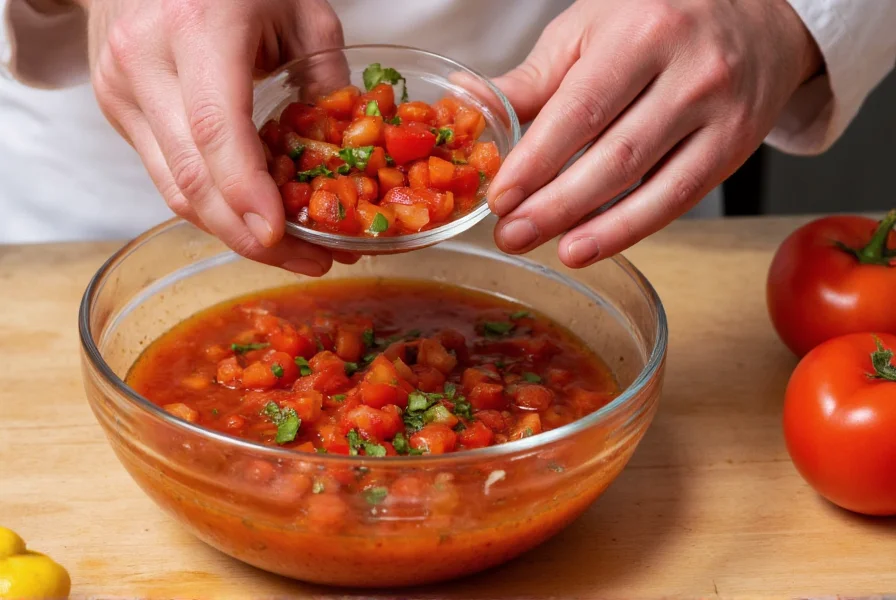
Why Red Bell Pepper Salsa Wins for Flavor Balance
Tired of salsa that's either too spicy or painfully acidic? Red bell peppers solve this with chemistry-driven sweetness. Unlike green peppers (2.5g sugar/100g), fully ripened red varieties develop 4.5g natural sugars through the ripening process, neutralizing tomato acidity. This creates a smoother base that lets cilantro and lime shine—no sugar additives needed. Chefs increasingly favor it for family-friendly dishes, with Food Network noting its "vibrant color and crowd-pleasing mildness" in professional kitchens.
| Pepper Type | Sugar (per 100g) | Vitamin C | Salsa Impact |
|---|---|---|---|
| Red bell | 4.5g | 127.7mg | Sweet base, no heat, vibrant color |
| Green bell | 2.5g | 80.4mg | Sharper flavor, less balanced |
| Jalapeño | 2.6g | 110mg | Heat-forward, masks sweetness |
Data sources: USDA FoodData Central (vitamin C), Serious Eats (sugar comparison)
Step-by-Step Recipe: 15-Minute Fresh Salsa
Based on Allrecipes' tested method serving 4:
- Dice 1 red bell pepper (seeds removed for milder flavor)
- Mix with 2 ripe tomatoes, ½ diced white onion, ¼ cup cilantro
- Add juice of 1 lime and ½ tsp salt
- Refrigerate 10 minutes to meld flavors
Pro tip: Use firm, deep-red peppers—avoid glossy skins indicating under-ripeness. For texture contrast, pulse half the mixture briefly.
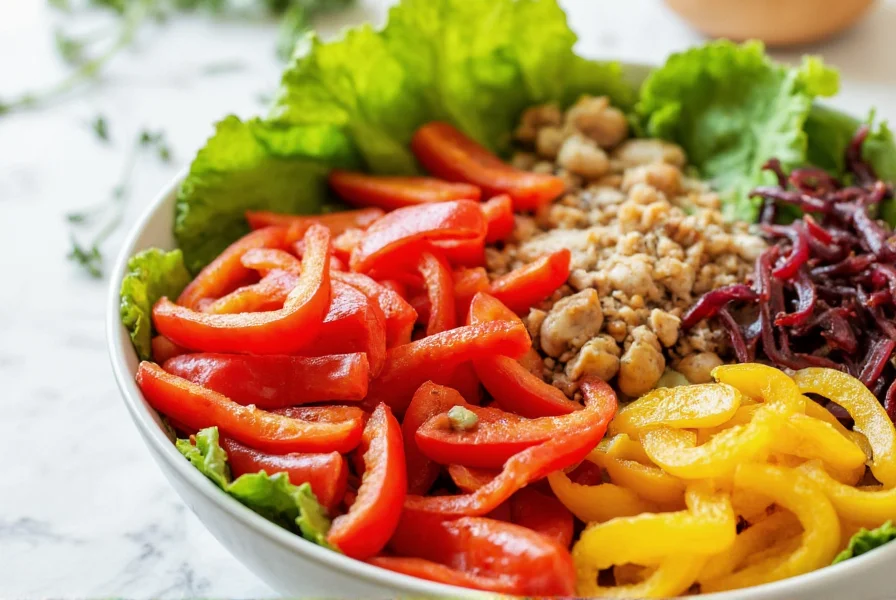
When to Use (and Avoid) Red Bell Pepper Salsa
This isn't a universal substitute. Follow these evidence-based guidelines:
| Use Red Bell Pepper Salsa When... | Avoid Red Bell Pepper Salsa When... |
|---|---|
| You need mild, family-friendly dips | Traditional heat is required (use jalapeños) |
| Boosting vitamin C intake (127.7mg/100g) | Deep smoky flavor is essential (roast tomatoes instead) |
| Serving with delicate proteins like fish | Using unripe peppers (lack sweetness, cause bitterness) |
Quality Selection: Avoiding Common Pitfalls
Supermarket peppers often disappoint due to poor ripening. Follow this vetted checklist:
- Color test: Uniform deep red (not orange-tinged) indicates full ripeness and peak sugar development
- Texture check: Heavy for size with taut, glossy skin—avoid wrinkles or soft spots
- Seasonality: Peak August–October yields 30% higher sugar content (USDA agricultural data)
Winter peppers often ship unripe then gas-ripened, reducing nutrient density. When in doubt, smell for sweet, grassy aroma—not chemical notes.
Debunking Red Bell Pepper Salsa Myths
Myth: "Red bell peppers are just for color."
Fact: They contribute 4.5g natural sugars per 100g—critical for balancing acidity without sugar additives (Serious Eats).
Myth: "All bell peppers work identically in salsa."
Fact: Green peppers contain solanine (bitter compound) until fully ripened. Red peppers undergo 2–3 weeks of vine ripening, developing complex sugars absent in green.
Everything You Need to Know
Red bell peppers provide 127.7mg vitamin C per 100g (USDA)—34% more than raw tomatoes. They also contain zero capsaicin, making them gentler on digestion while delivering higher vitamin A (169μg) for immune support.
Refrigerate in airtight container for 5–7 days. The acidity from lime juice preserves freshness, but discard if liquid separates significantly or smells fermented. Never freeze—it destroys the crisp texture.
Yes, but only for specific uses. Roasting adds smokiness but reduces vitamin C by 25% (Journal of Food Science). Best for heartier applications like enchilada sauce—not fresh table salsa where brightness matters.
Using under-ripe peppers. Unripe red bells taste bitter due to incomplete sugar development. Always choose peppers with deep, uniform color and firm flesh—they should feel heavy for their size. Avoid any with green stems.
Rarely. Commercial versions often use green peppers dyed red with lower nutrients. Check labels: authentic versions list "red bell peppers" as first ingredient. Fresh-made retains 40% more vitamin C (USDA processing studies).




 浙公网安备
33010002000092号
浙公网安备
33010002000092号 浙B2-20120091-4