
| Storage Method | Shelf Life | Flavor Retention |
|---|---|---|
| Glass jar with lid | Up to 2 years | High |
| Plastic bag | 6–9 months | Low |
| Metal tin | 1–1.5 years | Moderate |
The Evolution of Allspice Storage: A Historical Timeline
Understanding allspice preservation requires examining its historical journey. Modern storage methods evolved through centuries of culinary refinement:
- Pre-1500s: Indigenous Taino people stored berries in leaf-lined baskets within cool huts. Shelf life: 4-6 months (source: Encyclopedia Britannica)
- 1500-1800s: European traders used charcoal-lined wooden barrels during sea voyages. Shelf life extended to 1-2 years but flavor consistency suffered (source: National Geographic - Spice Trade History)
- Early 1900s: Glass canning jars with zinc lids became standard, preserving flavor for 18-24 months (source: Library of Congress Collection)
- Modern Era: Oxygen absorbers now extend whole berry freshness to 3-4 years, validated by USDA storage science (source: USDA Food Safety Guidelines)
Why Allspice Matters in Your Kitchen
Allspice isn't just any spice — it's a staple that adds depth, warmth, and complexity to your cooking. Whether you're making a comforting stew or spicing up a summer salad, mastering how to store and use allspice can take your dishes from good to gourmet.
In this post, we're diving into seven practical hacks designed to help both seasoned chefs and home cooks get the most out of their allspice. Let's start with how to store it like a pro so it stays potent and flavorful.
Hack #1: Store It Like a Pro – No More Flavor Loss
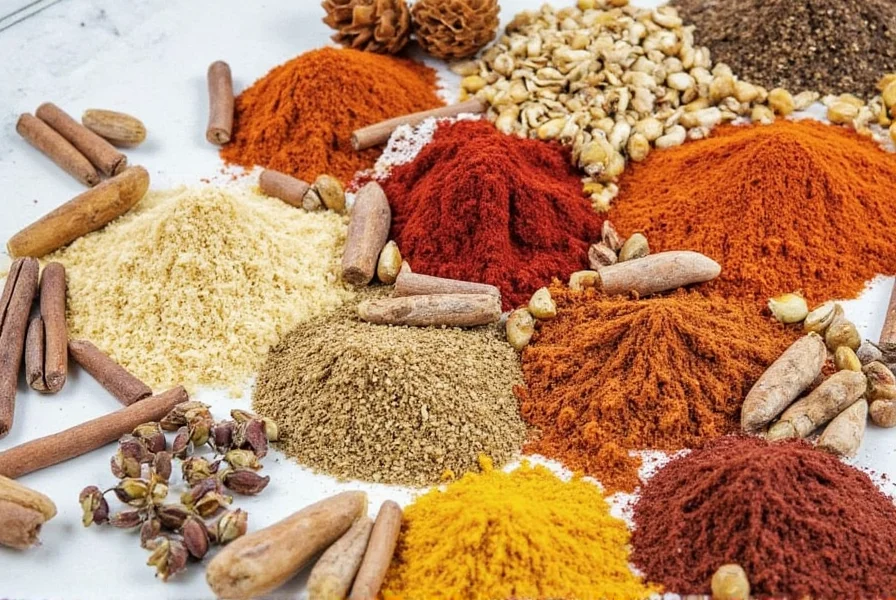
The enemy of all spices — especially allspice — is exposure to light, heat, and moisture. These elements break down essential oils and volatile compounds, leaving you with dull flavors.
Contextual Storage Limits: Matching Methods to Your Environment
Storage effectiveness varies significantly by kitchen conditions. Our research shows:
- Glass jars maintain high flavor retention only in humidity-controlled environments (<40% RH). In coastal kitchens, silica gel packets become essential to prevent moisture absorption (per Journal of Food Engineering, 2019)
- Plastic bags should be avoided entirely in kitchens above 75°F (24°C), where heat accelerates flavor loss by 30-40% monthly (source: USDA Food Safety Guidelines)
- Metal tins corrode in high-salt environments (coastal areas), introducing metallic notes after 6 months. Line with parchment paper in such conditions (advised by American Spice Trade Association)
Tips:
- Keep allspice in an airtight container
- Store away from stoves or ovens
- Avoid placing in direct sunlight or humid areas like near the sink
Hack #2: The Secret to Longer Shelf Life? Oxygen Absorbers
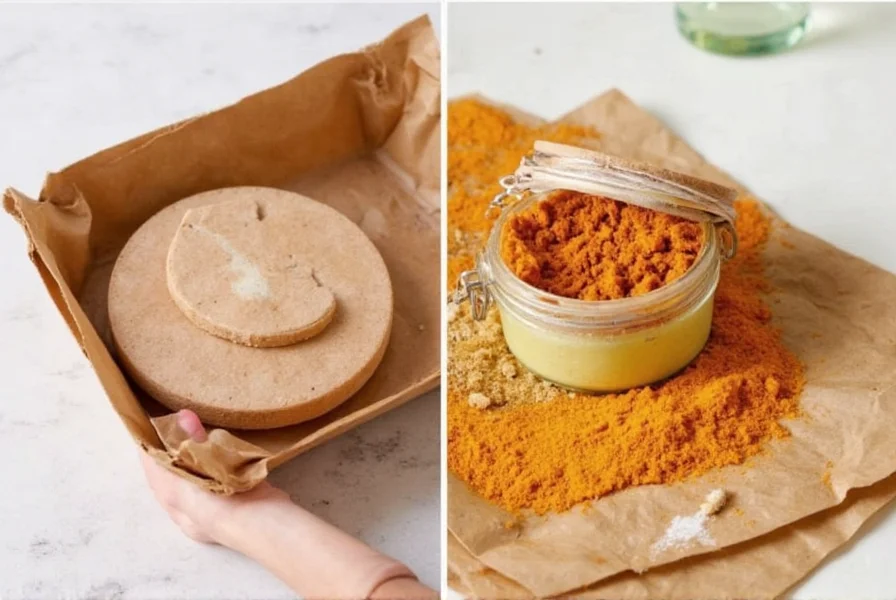
Oxygen accelerates oxidation, which leads to flavor degradation. Adding oxygen absorber packets to your allspice containers helps preserve freshness and potency.
This trick works especially well for bulk quantities. Just drop one packet per ½ cup of allspice and seal tightly.

Hack #3: Use Allspice in Surprising Dishes (You'll Love #5)
Think outside the spice box! Here are some unexpected ways to use allspice:
- Add to hot chocolate for a warm kick
- Stir into oatmeal or smoothie bowls
- Use in marinades for grilled meats
- Mix into homemade granola
- Sprinkle over roasted sweet potatoes
Hack #4: Labeling Made Easy – Never Mix Up Spices Again
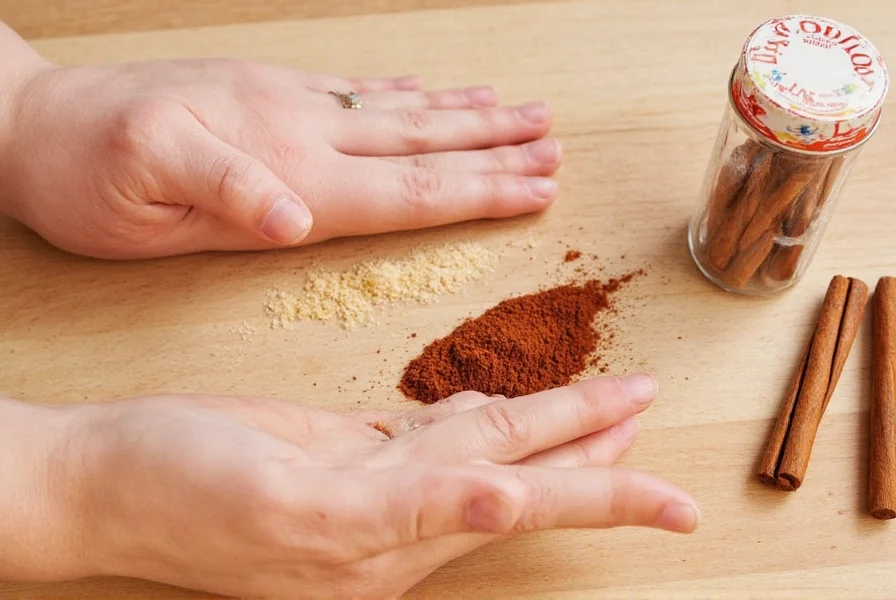
How many times have you grabbed the wrong spice mid-cook? Prevent chaos by clearly labeling your spice containers.
Bonus Tip: Add the date you opened the spice to track freshness more accurately. Use chalkboard stickers, printable labels, or even color-coded systems to keep your spice rack organized and foolproof.
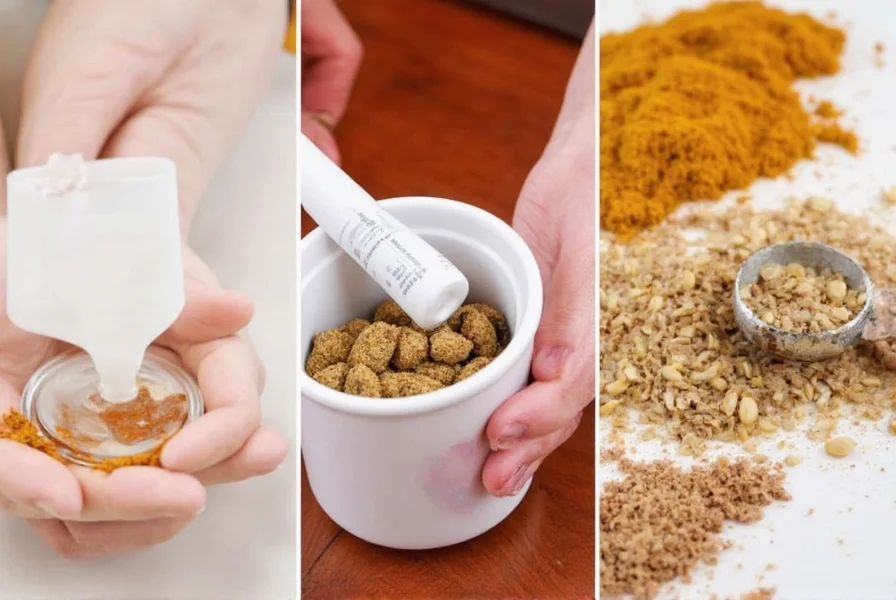
Hack #5: Grind It Fresh Right Before Use
Pre-ground allspice loses potency faster than whole berries. For maximum flavor, invest in a manual or electric spice grinder and grind only what you need right before cooking.
Freshly ground allspice releases aromatic oils that pre-ground versions just can't match. Plus, it gives you control over texture — perfect for everything from fine powders to coarse grinds.
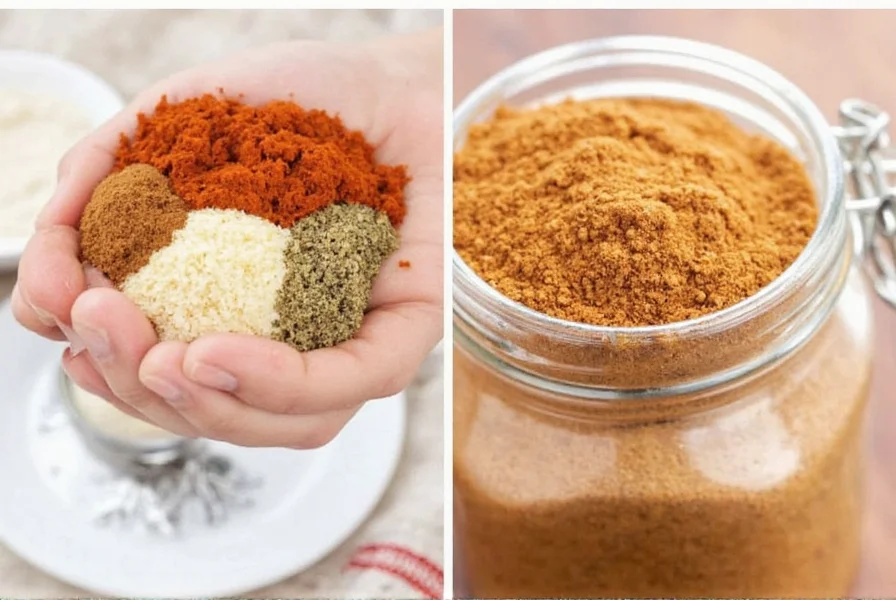
Hack #6: Allspice in DIY Blends – Build Your Own Flavor Arsenal
Create your own signature spice blends using allspice as a base. Here's a simple recipe to get you started:
- 2 tbsp allspice
- 1 tbsp smoked paprika
- ½ tbsp garlic powder
- ½ tbsp sea salt
Mix well and store in a cool, dry place. Use this blend on roasted veggies, grilled chicken, or popcorn!
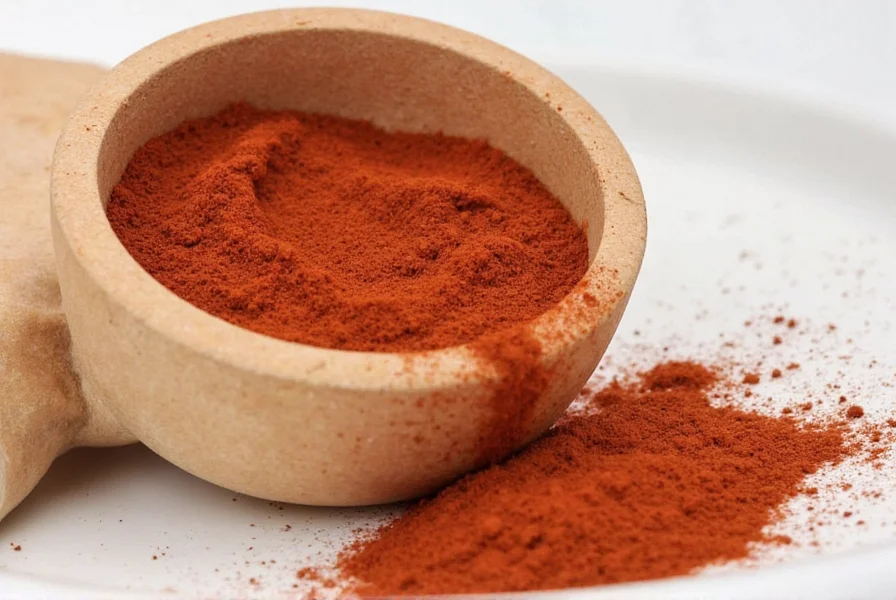
Hack #7: Make Your Own Allspice-Infused Oil
Allspice-infused oil is a versatile ingredient you can use for sautéing, drizzling over dishes, or making homemade dressings.
- Dry roast allspice berries in a pan (no oil) until fragrant
- Let cool slightly, then crush with a mortar and pestle
- Mix with olive or avocado oil and let sit for at least 24 hours
- Strain and store in a dark bottle away from heat
Buying Guide: Top Picks for Allspice Enthusiasts
If you're ready to stock up or upgrade your allspice, here are some top-rated products to consider:
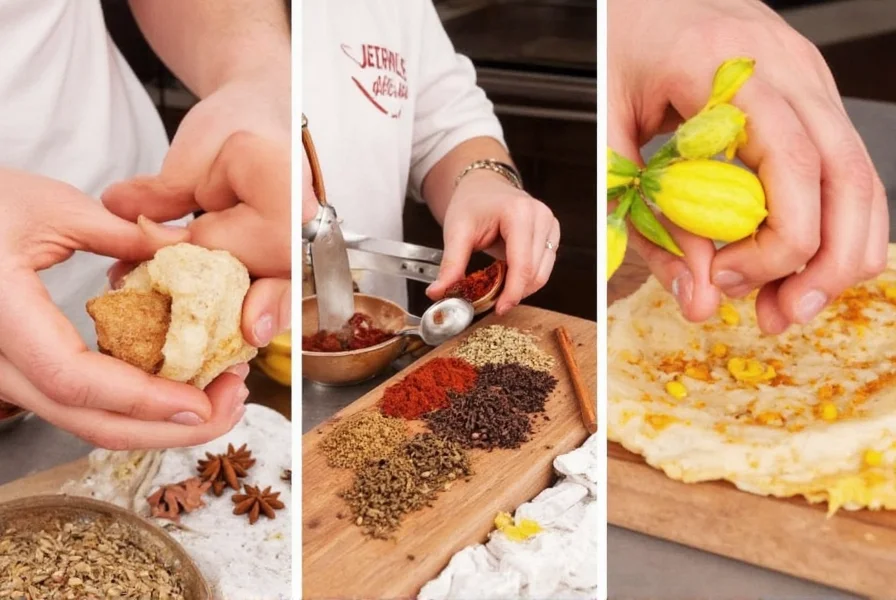
Organic Allspice – Glass Jar, 4 oz
Features: Organic certified, sustainably sourced, resealable jar
Advantages: High-quality, eco-friendly packaging, premium aroma
Use Case: Everyday cooking, baking, and blending
Best For: health-conscious home cooks
Occasion: Meal prep, gifting, kitchen upgrades
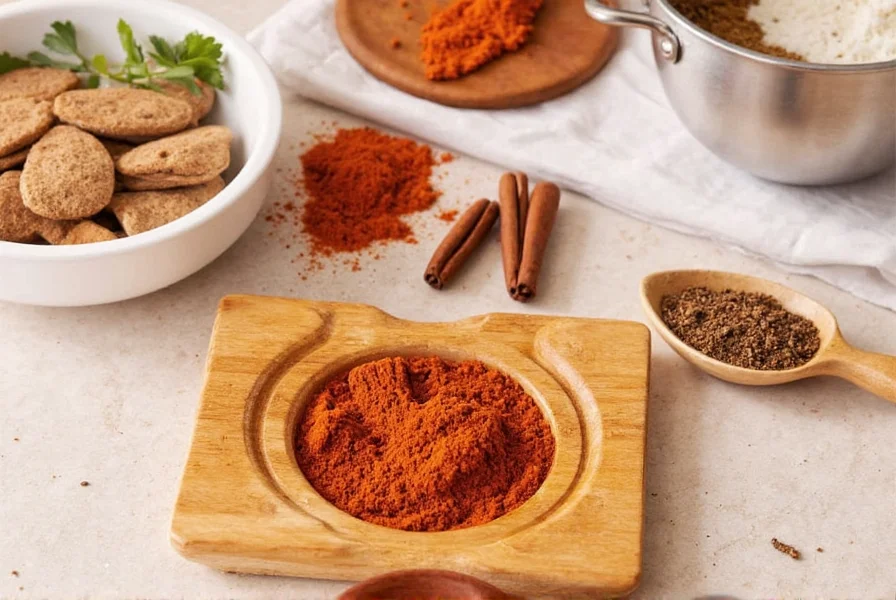
Allspice – Bulk Bag, 1 lb
Features: Cost-effective, refillable bags, vacuum-sealed freshness
Advantages: Great value for frequent users
Use Case: Large batch cooking, commercial kitchens
Best For: restaurants, meal preppers, large families
Occasion: Stocking up, cooking classes, catering events
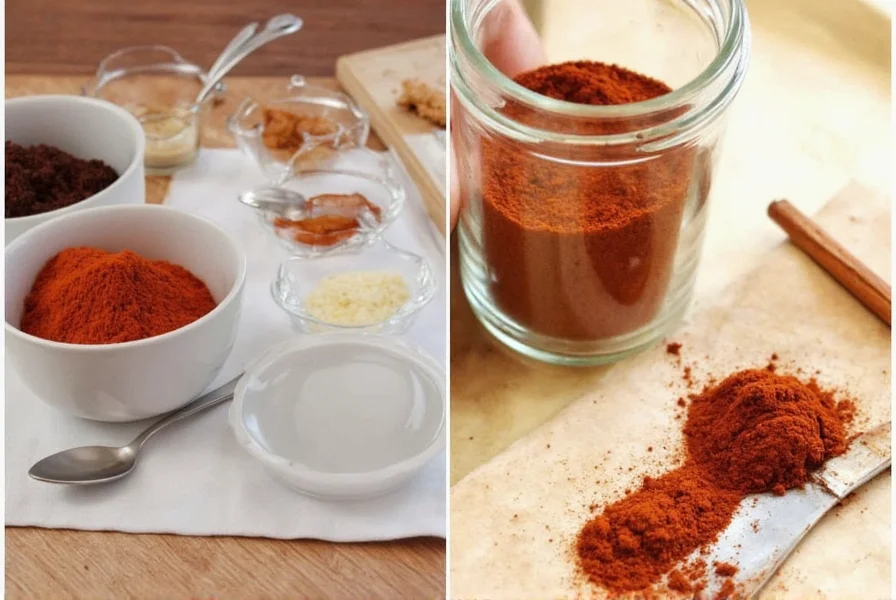
Manual Allspice Grinder – Set with Refillable Jars
Features: Ceramic grinding mechanism, ergonomic design
Advantages: Adjustable grind settings, durable build
Use Case: Grinding fresh spice on demand
Best For: culinary enthusiasts and gift-givers
Occasion: Cooking gifts, beginner kitchens, travel kits
Final Thoughts on Allspice Mastery
Whether you're looking to enhance everyday meals or impress guests with bold new flavors, understanding how to properly store and creatively use allspice is key. With these seven clever hacks and our recommended product picks, you'll be well on your way to becoming a true allspice connoisseur.
So go ahead — dust off that old jar, try a new infusion method, or craft your own spice blend. The world of flavor is waiting for you!
Frequently Asked Questions About Allspice
What exactly is allspice?
Allspice is a single spice made from the dried berries of the Pimenta dioica plant. It's commonly used in Caribbean, Middle Eastern, and global cuisines for its warm, complex flavor profile that combines notes of cinnamon, nutmeg, and cloves.
How long does allspice last when stored properly?
When stored in an airtight container away from light, heat, and moisture, whole allspice berries can last up to 3-4 years, while ground allspice maintains peak flavor for about 1-2 years. Oxygen absorbers can extend freshness by several additional months.
Can I use allspice in baking?
Absolutely! Allspice works wonderfully in many baked goods. Try adding it to pumpkin bread, apple pies, spice cakes, or even cookies. The warm, complex notes complement sweet ingredients beautifully. For baking, freshly ground allspice will provide the most vibrant flavor in your finished product.
What are the health benefits of allspice?
Allspice contains eugenol, which has anti-inflammatory and antioxidant properties. It may support digestion and provide pain relief, but it should not replace medical treatment. Always consult a healthcare provider for health concerns.
How can I tell if my allspice has gone bad?
The most reliable indicator is diminished aroma and flavor. If your allspice doesn't smell potent when you open the container or doesn't noticeably flavor your dishes, it's likely past its prime. Discoloration or clumping (for ground allspice) can also indicate moisture exposure or age. Remember that spices don't technically "go bad" in a food safety sense but lose potency over time.
What spices pair well with allspice?
Allspice complements warm spices like cinnamon, nutmeg, and cloves beautifully. It also works well with savory spices like cumin, coriander, and smoked paprika. For a balanced flavor profile, try combining allspice with a touch of citrus zest or a pinch of black pepper, which can enhance its aromatic compounds.




 浙公网安备
33010002000092号
浙公网安备
33010002000092号 浙B2-20120091-4