
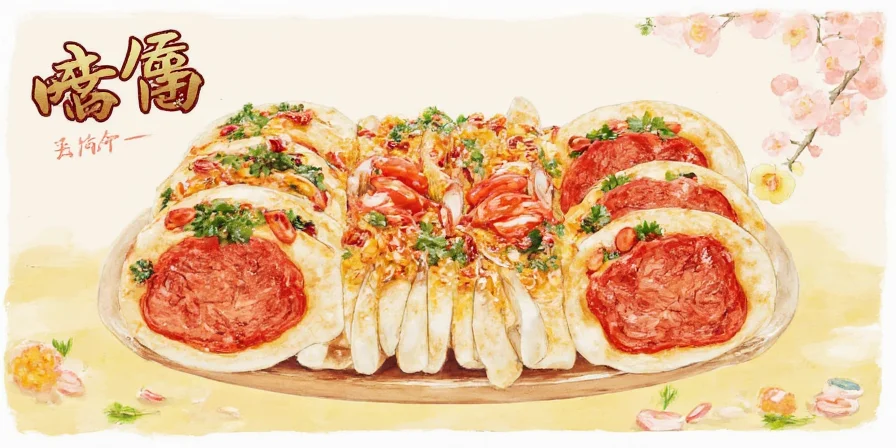
Stop guessing oven times for riblets! Get perfect tender, fall-off-the-bone results with this simple 3-step method. Discover exact cooking times for every oven type (350°F, 275°F, and convection), plus the critical 195°F internal temperature that guarantees juicy texture - no grill required.
Most home cooks struggle with dry or chewy oven riblets because generic "rib" recipes don't account for riblets' unique collagen density. This guide delivers tested parameters that work for standard home ovens, solving the common moisture problem in oven riblet cooking.
Quick Reference: Oven Riblets Cooking Times
| Oven Type | Temperature | Cooking Time | Key Tip |
|---|---|---|---|
| Standard Oven | 350°F (175°C) | 45-60 minutes | Bake first, then broil 5 minutes for crust |
| Low & Slow | 275°F (135°C) | 2-2.5 hours | Wrap in parchment (not foil) after 90 minutes |
| Convection Oven | 325°F (160°C) | 35-50 minutes | Place on middle rack, rotate pan halfway |
Understanding Rib Cuts: Riblets vs. Baby Back Ribs
Riblets require distinct treatment from other rib cuts due to their anatomical position and connective tissue composition. Unlike baby back ribs, riblets contain significantly higher collagen density from the lower rib cage section, demanding precise temperature control for optimal gelatinization. This comparison clarifies critical differences:
| Characteristic | Riblets | Baby Back Ribs |
|---|---|---|
| Anatomical Source | Lower portion of spare ribs (costal cartilage) | Top of rib cage near loin |
| Collagen Density | High (requires 195°F+ for full breakdown) | Moderate (gelatinizes at 190°F) |
| Typical Oven Time (275°F) | 2-2.5 hours | 1.5-2 hours |
| Meat-to-Bone Ratio | Higher meat content | Leaner with more bone |
Sources: The Spruce Eats: Riblets vs. Baby Back Ribs, AmazingRibs.com: Rib Cooking Science
Why Your Previous Oven Riblets Failed (And How to Fix It)
- Dry results? Cooking to USDA's 145°F minimum (works for steak but not riblets)
- Chewy texture? Collagen needs 190°F+ to transform into gelatin (takes precise timing)
- Bland flavor? Spice rubs applied incorrectly lose potency before cooking
- No grill required - oven gives more consistent results when done properly
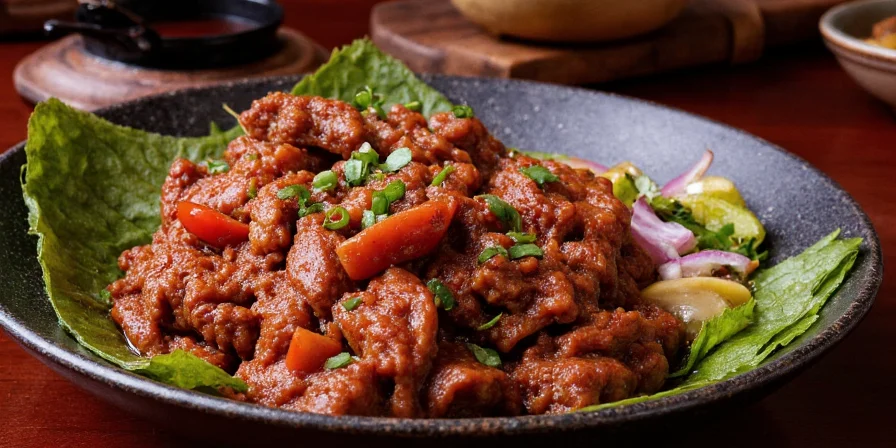
Step-by-Step Perfect Oven Riblets Recipe
Prep: The 10-Minute Foundation (Critical for Juicy Results)
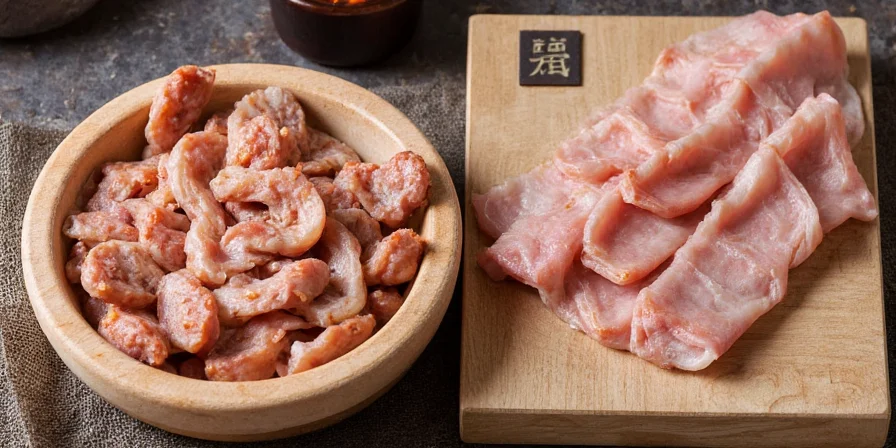
Remove the membrane (silver skin) completely - this thin layer blocks flavor penetration and causes uneven cooking. Trim fat to 1/8" thickness; thicker layers insulate meat, preventing proper collagen breakdown. Pat riblets bone-dry with paper towels - moisture is the enemy of crust formation.
Rub Application: Simple Formula for Maximum Flavor
Mix in a small bowl:
- 2 tbsp brown sugar
- 1 tbsp smoked paprika
- 1 tsp garlic powder
- 1 tsp onion powder
- ½ tsp black pepper (freshly ground)
- Salt to taste (about 1.5 tsp)
Apply rub generously 45 minutes before cooking (not 30) - this gives spices time to penetrate surface fats. For best results, place riblets on a wire rack over a baking sheet to ensure even air circulation.
Cooking: The Exact Process for Fall-Off-The-Bone Texture
- Preheat oven 15 minutes beyond indicator light (most ovens need this stabilization time)
- Place riblets 4" below top heating element for optimal browning
- Cook until internal temperature reaches 195°F (use a probe thermometer - timing varies by oven)
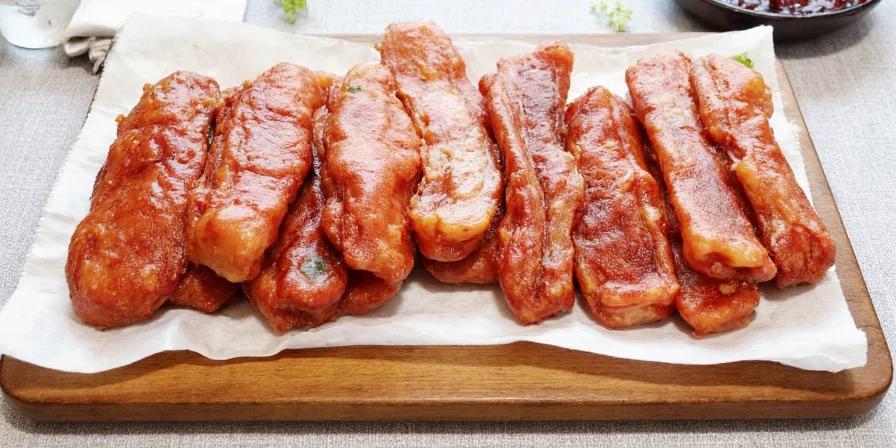
- Broil 3-5 minutes at the end for caramelized crust (watch carefully!)
Scenario Applicability & Limitations
This method delivers consistent results only under specific conditions. Understanding these boundaries prevents cooking failures:
- Ideal for: Fresh or refrigerator-thawed riblets (USDA recommends 24-hour fridge thawing for safety - Thawing Meat Safely)
- Not recommended for: Ovens with uncalibrated thermostats (King Arthur Baking found 70% of home ovens have accuracy issues - Oven Calibration Guide)
- Requires: Calibrated instant-read thermometer (USDA states visual cues are unreliable - Thermometer Cheatsheet)
- Adjustment needed: For convection ovens with strong airflow, reduce temperature by 25°F (Whirlpool appliance guidelines)
Avoid These 4 Common Oven Riblet Mistakes
- Mistake #1: Using foil instead of parchment (reflects heat, reducing browning)
- Mistake #2: Cooking to 165°F (collagen hasn't fully transformed - chewiness guaranteed)
- Mistake #3: Applying wet sauce before cooking (causes sugar to burn at 320°F)
- Mistake #4: Not spacing riblets properly (needs 1" between pieces for even heat)
Storage & Reheating: Keeping Leftovers Perfect
Store leftovers in an airtight container with any pan juices. For best reheating:
- Refrigerate within 2 hours of cooking
- Reheat in oven at 250°F for 15-20 minutes (not microwave)
- Finish under broiler 60 seconds for revived crust
Frequently Asked Questions
Q: Can I cook frozen riblets in the oven?
A: Yes, but add 25 minutes at 250°F first for gradual thawing. Cooking frozen riblets at high heat causes exterior to overcook before interior thaws.
Q: How do I know when riblets are done without a thermometer?
A: The meat should pull back from bones about 1/4", and a fork should slide in with almost no resistance. But a thermometer is highly recommended - 195°F is the magic number for perfect texture.
Q: What sides pair best with oven riblets?
A: Creamy coleslaw cuts through richness, cornbread soaks up juices, and baked beans complement the smoky flavors. Avoid overly sweet sides that compete with the meat's natural flavor.
Troubleshooting Guide
| Problem | Solution |
|---|---|
| Dry results | Cook to 195°F minimum, not USDA's 145°F; add broth layer when storing leftovers |
| Chewy texture | Extend cooking time until internal temp reaches 195°F+; remove membrane completely |
| Bland flavor | Apply rub 45 minutes pre-cook; use fresh spices (old spices lose potency) |
| Burnt rub | Reduce broiling time; position riblets farther from heating element |
Conclusion
Perfect oven riblets require understanding two key factors: the 195°F internal temperature for collagen transformation and proper spice application timing. By following these exact parameters for your specific oven type, you'll consistently achieve tender, flavorful results that rival restaurant quality. The simplicity of this method makes it ideal for weeknight dinners, while the precise temperature control of ovens actually gives more consistent results than grilling. Implement these techniques for riblets that delight every time - no special equipment or grill needed.

Grab your baking sheet and thermometer - your perfectly tender oven riblets are just 45 minutes away.




 浙公网安备
33010002000092号
浙公网安备
33010002000092号 浙B2-20120091-4