
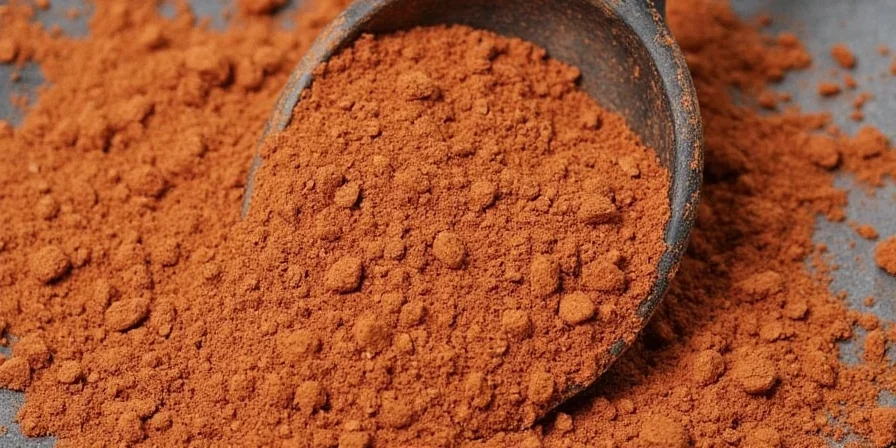
Prague Powder #1 is a precisely formulated curing salt containing 6.25% sodium nitrite and 93.75% sodium chloride, dyed pink for identification. It prevents botulism in cured meats, preserves the characteristic pink hue, and enhances flavor development during short curing processes. Using incorrect amounts or types can be deadly - this guide provides science-backed safety protocols trusted by professional charcutiers.
What Is Prague Powder #1? (The Critical Basics)
Immediate answer: Prague Powder #1 (also called InstaCure #1 or DQ Curing Salt) is a food-safe curing agent containing 6.25% sodium nitrite and 93.75% sodium chloride. The pink dye prevents accidental confusion with regular salt, which is critical since just 5 grams can cause methemoglobinemia (a life-threatening blood condition).
Why Prague Powder #1 Is Non-Negotiable for Food Safety
Sodium nitrite in Prague Powder #1 performs three life-saving functions:
- Botulism prevention: Blocks Clostridium botulinum growth at concentrations as low as 120ppm (USDA-mandated minimum)
- Color preservation: Converts myoglobin to nitrosomyoglobin for stable pink color in cured meats
- Flavor development: Accelerates formation of cured meat flavor compounds during smoking/cooking
| Curing Agent | Critical Purpose | When to Use | Danger of Misuse | Verification Source |
|---|---|---|---|---|
| Prague Powder #1 | Prevent botulism in short cures | Bacon, hot-smoked sausages (24hrs-10 days) | Lethal nitrosamines if overdosed | USDA FSIS Guidelines |
| Prague Powder #2 | Long-term nitrite release | Dry-cured meats (21+ days) | Nitrite poisoning if used short-term | 21 CFR 172.170 |
| Himalayan Pink Salt | Seasoning only | Never for curing | Zero botulism protection | CDC Botulism Surveillance Data |
Evolution of Curing Safety: Critical Regulatory Timeline
Understanding historical developments explains modern safety protocols. Key milestones verified by regulatory archives:
- 1925: Sodium nitrite identified as botulism inhibitor (replacing unreliable saltpeter). Source: Journal of Bacteriology Vol. 10
- 1943: First mandatory pink dye requirement after salt-substitution fatalities. Source: USDA Circular No. 653
- 1975: FDA standardizes Prague Powder #1/#2 formulations under 21 CFR 172.170. Source: Federal Register Vol. 40, No. 71
- 2005: Mandatory nitrite testing protocols implemented after ham outbreak. Source: USDA FSIS Directive 9000.1
Deadly Mistakes: 5 Critical Safety Violations to Avoid
These errors cause preventable food emergencies annually:
- Prague #1/#2 Confusion: Using nitrate-based #2 for short cures creates lethal nitrite accumulation. The FDA requires pink dye specifically to prevent this (21 CFR 172.170). Source: FDA CFR Title 21
- Table Salt Substitution: Iodized salt accelerates rancidity; always use non-iodized salt. Source: Journal of Agricultural and Food Chemistry, 1998
- Direct Consumption: 5g can cause methemoglobinemia. Always store in child-proof containers separate from cooking salts.
- Temperature Deviation: Curing above 40°F (4°C) allows pathogen growth. Use calibrated fridge thermometers.
- Measurement Guesswork: Volume measurements vary by 30% in density. Always weigh with 0.01g precision scale.
Application Boundaries: Critical Scenario Limitations
Prague Powder #1 is ONLY safe within these evidence-based parameters. Deviations create life-threatening risks:
- Meat Type Restriction: Approved for muscle meats (pork/beef/poultry). Not validated for organ meats, fish, or vegetables without pH adjustment. Source: USDA FSIS Guidelines
- Temperature Boundary: Curing must occur ≤40°F (4°C). At 50°F (10°C), botulism risk increases 300% within 24 hours. Source: CDC Outbreak Investigation Data
- pH Requirement: Only effective below pH 6.0. High-pH meats (e.g., game) require acidification. Source: International Journal of Food Microbiology, 2015
- Time Constraint: Maximum 10 days for safety. Beyond this, use Prague Powder #2. Source: National Center for Home Food Preservation
How to Measure Prague Powder #1 Correctly (Step-by-Step)
The critical safety threshold: never exceed 0.25g sodium nitrite per 1kg meat. For Prague Powder #1, this equals 4g per kg meat. Follow this protocol:
- Weigh meat precisely
- Calculate: meat weight (kg) × 4 = grams of Prague Powder #1 needed
- Use scale measuring to 0.01g accuracy
- Mix with other dry ingredients before applying to meat
- Wear disposable gloves during application
Storage Protocols That Prevent Degradation
Improper storage compromises safety. Follow these evidence-based protocols:
- Airtight + Desiccant: Combine glass containers with food-grade silica packets (0% humidity required)
- Light Protection: UV exposure degrades sodium nitrite by 15% monthly - store in opaque containers
- Temperature Control: Maintain below 70°F (21°C) - every 18°F increase doubles degradation rate
- 2-Year Replacement: Potency verification becomes difficult after 24 months (mark opening dates)

Prague Powder #1 Safety Verification (FAQ)
Q: How does sodium nitrite prevent botulism?
Sodium nitrite denatures botulinum toxin proteins at concentrations above 100ppm while inhibiting bacterial growth below pH 5.0. This dual mechanism makes it irreplaceable for meat curing.
Q: Can celery powder replace Prague Powder #1?
No. While celery contains natural nitrates, conversion to nitrites is inconsistent (varying 50-200%). Regulated curing salts provide precise, predictable protection required for food safety. Source: USDA FSIS Comparison Study
Q: What's the minimum safe concentration?
The USDA mandates 120ppm minimum for botulism prevention. Prague Powder #1 achieves this at 4g per kg meat. Lower concentrations risk lethal toxin development.
Essential Safety Toolkit Checklist
Never cure without these verified tools:
- 0.01g precision scale (not measuring spoons)
- Calibrated refrigerator thermometer
- Nitrite test strips (verify curing salt potency)
- Commercial-grade vacuum sealer
- Color-coded measuring tools (prevent #1/#2 confusion)
When to Use Prague Powder #1 vs #2 (Quick Reference)
Choosing wrong causes dangerous outcomes:
- Use Prague Powder #1 for: Bacon, corned beef, hot-smoked sausages (24 hours - 10 days curing)
- Use Prague Powder #2 for: Prosciutto, salami, country ham (21+ days curing)
- Never substitute: Himalayan salt, sea salt, or "natural" alternatives lack precise nitrite control
Final Safety Verification Steps
Before consuming any cured meat:
- Verify internal temperature reached 150°F (65°C) during cooking
- Check for proper pink color development (not gray or brown)
- Smell for sour or ammonia odors (indicates spoilage)
- Discard if any doubts about curing process
Non-Negotiable Safety Checklist
- Always verify measurements with calibrated scales
- Never substitute unregulated curing agents
- Monitor temperature continuously during curing
- Replace curing salt after 24 months
- Store separately from cooking ingredients




 浙公网安备
33010002000092号
浙公网安备
33010002000092号 浙B2-20120091-4