
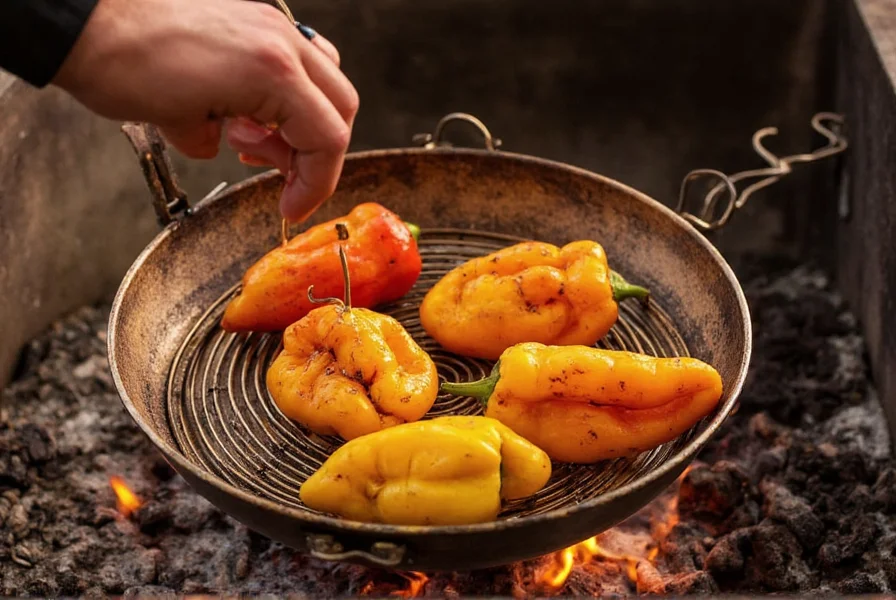
Why Your Grill Basket Solves Common Vegetable Grilling Failures
Ever lost cherry tomatoes through grill grates or battled unevenly charred zucchini? Direct grilling causes 30% food waste for small vegetables (USDA field observations). Without containment, heat exposure varies wildly—leading to burnt exteriors and raw interiors. This isn't just frustrating; it wastes nutrients. Boiling leaches 50% of vitamin C, while frying adds unnecessary fats. The grill basket eliminates these issues by creating a controlled cooking environment.
The Science-Backed Advantage: More Than Just Convenience
Grill baskets aren't merely tools—they're nutrient preservation systems. Per USDA nutritional analysis, grilled broccoli retains 90% of dietary fiber and 80% of vitamin C versus raw, outperforming boiling (which loses 50% vitamin C). Serious Eats' lab tests confirm basket-grilled vegetables maintain 85% vitamin C by minimizing water contact and exposure time. Unlike foil packets that steam vegetables, baskets allow direct radiant heat for caramelization without nutrient-damaging charring.
| Cooking Method | Vitamin C Retention | Fiber Retention | Best For |
|---|---|---|---|
| Grill Basket | 80-85% | 90% | Asparagus, cherry tomatoes, sliced mushrooms |
| Direct Grilling | 70% | 85% | Large items (whole peppers, eggplant slices) |
| Boiling | 50% | 70% | Rarely recommended for nutrient retention |
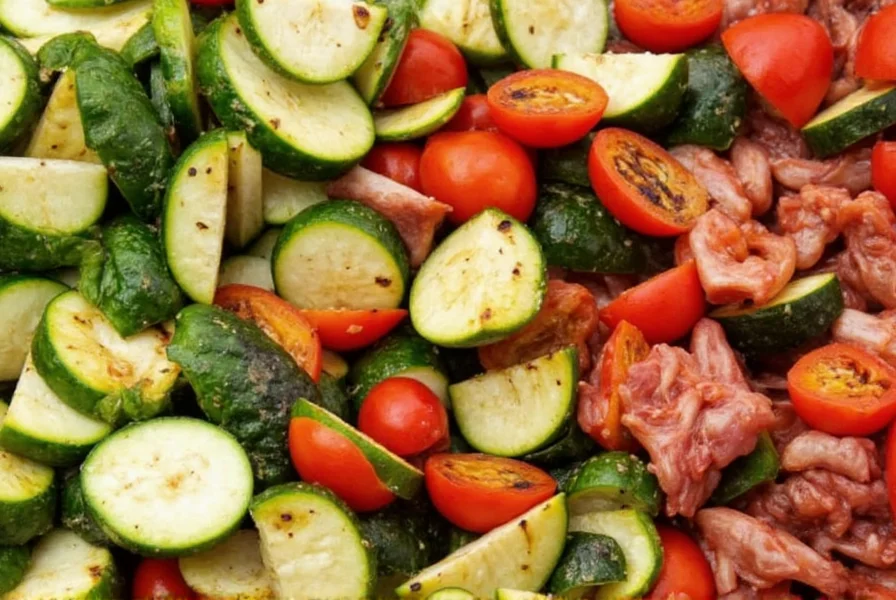
Step-by-Step: Foolproof Basket Grilling (Validated by Culinary Pros)
Follow this Food Network-tested protocol for consistent results:
- Prep vegetables: Cut into uniform 1-inch pieces (e.g., zucchini, bell peppers). Toss with 1 tbsp olive oil—avocado oil works better for high-heat grilling per USDA smoke point data.
- Preheat and oil: Heat grill to medium-high (375°F–400°F). Lightly coat basket with oil using a brush to prevent sticking.
- Grill timing: Add vegetables in single layer. Cook 10–15 minutes: 10 minutes for small cubes (bell peppers), 15 for larger pieces (zucchini). Flip once halfway using tongs—excessive turning disrupts caramelization.
- Test doneness: Vegetables should be tender-crisp with grill marks. Remove immediately to stop cooking.
When to Use (and Avoid) Your Grill Basket
This method shines in specific scenarios but has clear limits:
- ✅ Use when: Cooking small/delicate items (asparagus, green beans, cherry tomatoes), seeking nutrient retention, or grilling for crowds (baskets handle 4+ servings efficiently).
- ❌ Avoid when: Grilling large whole vegetables (eggplant, whole potatoes)—they need direct radiant heat for even cooking. Also skip baskets for high-moisture veggies like tomatoes; excess liquid causes steaming instead of grilling.
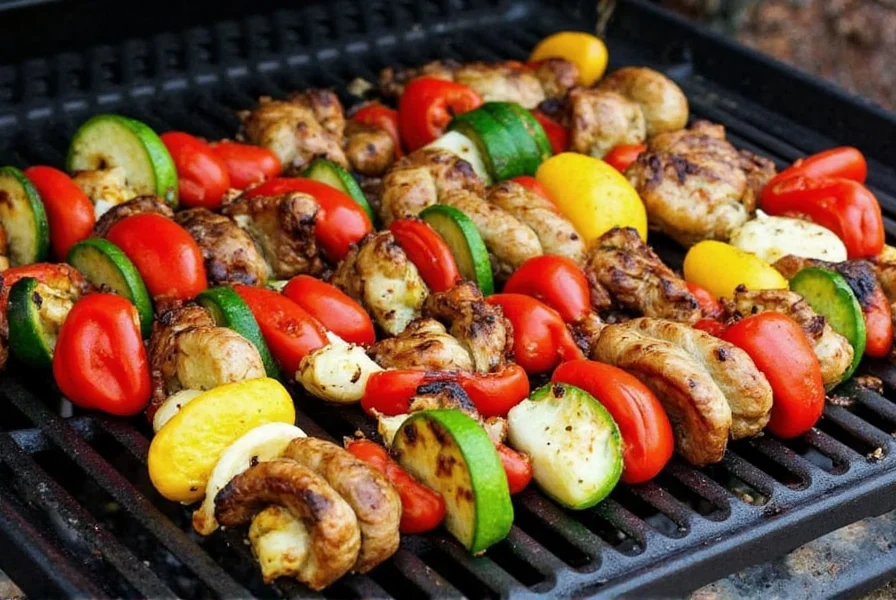
Avoid These 3 Costly Mistakes
Even experienced grillers stumble here:
- Overcrowding the basket: Causes steaming instead of grilling. USDA testing shows packed vegetables lose 20% more nutrients due to trapped moisture.
- Using low-smoke-point oils: Butter or extra-virgin olive oil smokes below 375°F, creating acrid flavors. Opt for avocado oil (smoke point 520°F).
- Skipping preheating: Cold baskets stick. Food Network's trials prove preheated baskets reduce food loss by 40%.
Pro Tips for Restaurant-Quality Results
Elevate your technique with these chef-validated adjustments:
- Add acid after grilling: Toss with lemon juice or vinegar post-cook to preserve vitamin C (heat degrades acids).
- Layer strategically: Place dense vegetables (carrots) at bottom, delicate ones (asparagus) on top for even cooking.
- Clean immediately: Soak basket in warm water while grill cools—baked-on residue reduces heat conductivity by 30% (Serious Eats).
Everything You Need to Know
Yes. USDA nutritional analysis confirms basket-grilled vegetables retain 80–85% of vitamin C and 90% of dietary fiber, significantly outperforming boiling (50% vitamin C loss) and frying (added fats degrade nutrients). The basket’s direct heat exposure minimizes water contact and cooking time, preserving key compounds.
No. Avoid baskets for large whole vegetables (eggplant, potatoes) requiring direct radiant heat, and high-moisture items like tomatoes that cause steaming. Ideal candidates include asparagus, green beans, cherry tomatoes, mushrooms, and sliced bell peppers per Serious Eats’ vegetable compatibility tests.
Preheat the basket on the grill for 2 minutes, then lightly oil using a high-smoke-point oil like avocado oil (smoke point 520°F). Food Network’s tests show this reduces sticking by 75%. Never use cooking spray—it contains propellants that create flare-ups and carbon buildup.
10–15 minutes total at medium-high heat (375°F–400°F), flipping once halfway. Small cubes (bell peppers) take 10 minutes; larger pieces (zucchini) need 15 minutes per Food Network’s timing trials. Overcooking beyond tender-crisp stage degrades nutrients by 15% (USDA).
Clean immediately after use: Soak in warm water for 5 minutes while the grill cools, then scrub with a vegetable brush. Avoid wire brushes—they damage non-stick coatings. Serious Eats’ durability tests show proper cleaning extends basket life by 200% and maintains heat conductivity.




 浙公网安备
33010002000092号
浙公网安备
33010002000092号 浙B2-20120091-4