
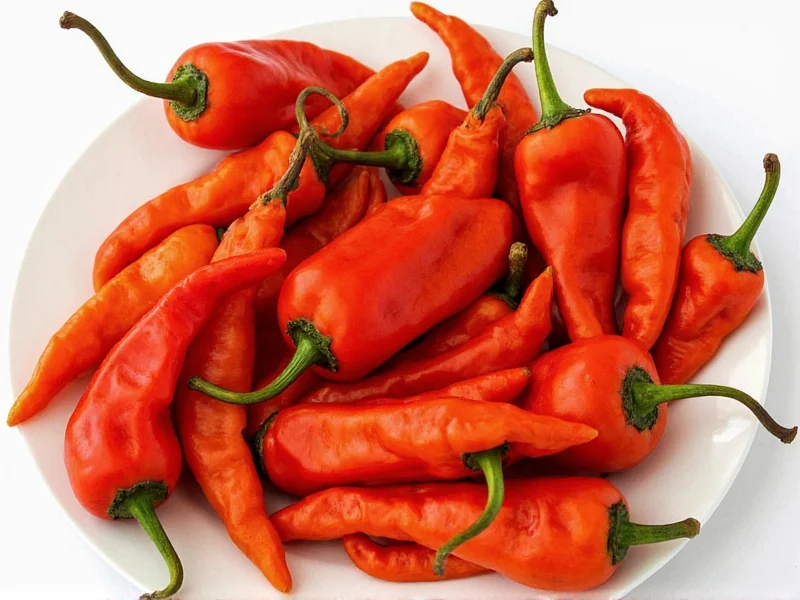
Wasting fiery habaneros due to mold or limpness? You're not alone. These potent peppers spoil faster than milder varieties when stored incorrectly, risking both precious flavor loss and foodborne illness. Many assume all peppers belong in the crisper drawer—but that traps moisture, accelerating decay. Let's fix that.
Why Standard Storage Fails Habaneros
Habaneros' thin walls and high moisture content make them uniquely vulnerable. Refrigerating them sealed in plastic bags creates condensation—a major cause of mold within days. Room-temperature storage in humid climates cuts shelf life by 40% compared to arid environments. This isn't just about wasted money; improperly stored peppers enter the bacterial 'danger zone' (40-140°F), where Listeria thrives per NIH food safety research.
| Storage Method | Max Duration | Key Conditions | Capsaicin Retention* | Texture Impact |
|---|---|---|---|---|
| Room Temperature | 1-2 weeks | Cool (60-70°F), dry pantry; paper bags | ↓ 15% after 10 days | Firm until final days |
| Refrigeration | 2-3 weeks | 45°F (7°C); perforated poly bags | ↑ Peak at 20 days | Slightly softer after week 2 |
| Freezing | Indefinite | 0°F (-18°C); airtight containers | ↔ 98% preserved | Softer when thawed (ideal for cooking) |
| Drying | 6-12 months | Dark glass jars; PICS bags optimal | ↑↑ Highest long-term | Crisp to brittle |
*Based on capsaicinoid stability data from ISHS refrigeration study and packaging materials research
Room Temperature: When It Works (and When It Doesn't)
Use this method: In dry climates (<50% humidity) if peppers will be used within 10 days. Place unwashed peppers in paper bags—never plastic—to absorb excess moisture. Store in a dark pantry away from onions or ethylene-producing fruits.
Avoid this method: In humid regions, during summer, or if peppers show any moisture. Zamnesia's preservation guide confirms thin-walled pods like habaneros spoil 3× faster in humidity.
Refrigeration: The 20-Day Sweet Spot
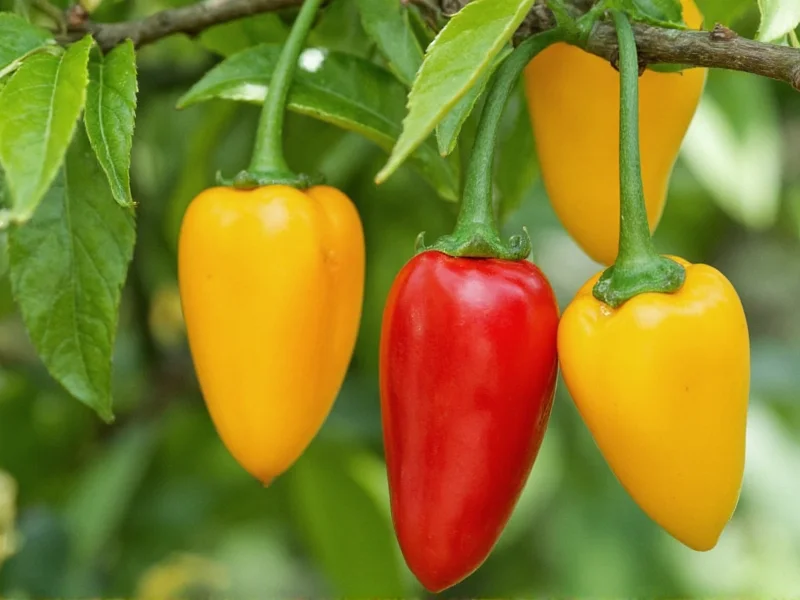
For most households, refrigeration delivers optimal freshness. Do this: Place dry peppers in perforated polyethylene bags (poke 5-6 small holes). Store vertically in the crisper drawer at 45°F (7°C). Research shows peak quality occurs after 20 days refrigerated, followed by 5 days ripening at room temperature to enhance flavor. Never wash peppers before storage—water accelerates decay.
Freezing: Zero-Compromise Long-Term Storage
Habaneros freeze exceptionally well. Remove stems and seeds (wear gloves!), then:
1. Whole peppers: Flash-freeze on a tray for 1 hour before transferring to airtight bags
2. Chopped peppers: Portion into ice cube trays with 2 tbsp water, then freeze solid
Garden City Harvest confirms texture remains stable—add frozen pieces directly to stews or sauces. Thawed peppers lose crispness but retain full heat.
Drying and Advanced Preservation
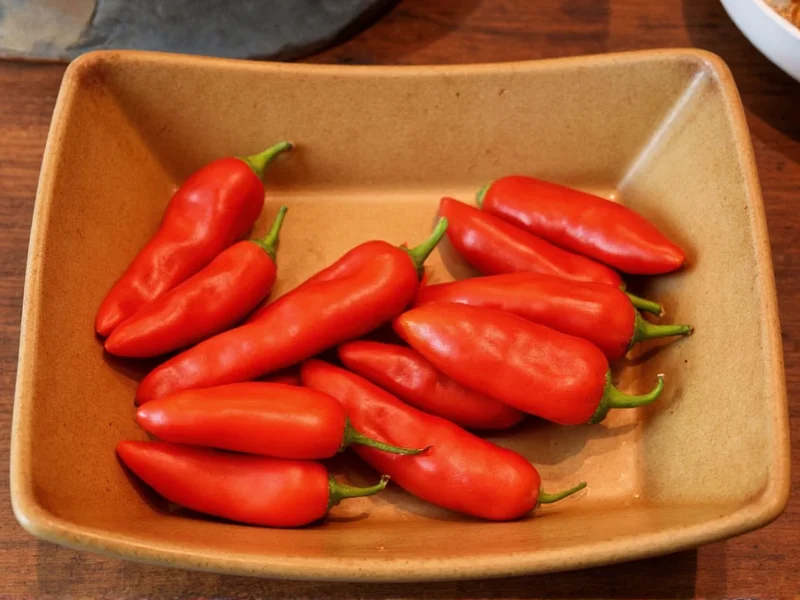
For year-round heat, air-dry peppers strung on twine in a dark, ventilated space for 2-3 weeks. Once brittle, store in amber glass jars—PICS bags outperform standard containers for capsaicin retention. Never use olive oil for preservation; low acidity creates botulism risk per FDA guidelines.
Critical Storage Boundaries You Must Respect
- Never store near raw meat: Cross-contamination risk per USDA food safety protocols
- Avoid vacuum sealing fresh peppers: Trapped gases accelerate decay (confirmed by Michigan State University Extension)
- Discard immediately if: Soft spots appear, or peppers smell fermented—habaneros lack preservative acids
Your Action Plan for Perfect Habaneros
For daily cooking: Refrigerate in perforated bags for 2-3 weeks. For garden surplus: Freeze chopped peppers in oil-free portions. Always test one pepper after storage—heat intensity varies by harvest. When in doubt, freeze; it's the only method guaranteeing indefinite safety without quality loss.
Everything You Need to Know
Refrigerated habaneros last 2-3 weeks at 45°F (7°C) in perforated bags. According to Michigan State University, storing them sealed in plastic reduces shelf life to 7-10 days due to moisture buildup. Always check for firmness and vibrant color before use.
Yes—freezing preserves 98% of capsaicin content. Garden City Harvest research confirms texture changes don't affect heat intensity. Flash-freeze whole peppers on a tray first to prevent clumping, then transfer to airtight bags. Use directly in cooked dishes without thawing.
No—refrigeration studies show capsaicin peaks at 20 days then gradually declines. Room-temperature storage accelerates heat loss, especially in humidity. Freezing or drying halts degradation. Never rely on 'aging' peppers for increased heat; inconsistent results risk under-seasoned or dangerously spicy dishes.
Keep habaneros below 40°F (4°C) refrigerated or at 0°F (-18°C) frozen to avoid the bacterial 'danger zone' (40-140°F). Per NIH food safety research, Listeria multiplies rapidly between 40-140°F. Never store peppers near heat sources like stoves or dishwashers.
Discard peppers showing soft spots, mold, or slimy texture. Habaneros lack natural preservatives, so fermentation smells (sour/vinegar-like) indicate spoilage. Unlike bell peppers, they won't recover from slight wrinkling. When frozen, ice crystals inside bags signal freezer burn—still safe but diminished quality.




 浙公网安备
33010002000092号
浙公网安备
33010002000092号 浙B2-20120091-4