
Why Your Dill Recipes Fall Flat (And How to Fix It)
Ever followed a "dill" recipe only to get bland results? You're not alone. Most home cooks confuse dill weed (the feathery herb) with dill seeds (the plant's fruit), creating flavor disasters. As SpiceSinc confirms, dill seeds offer "bitter, camphorous, anise/caraway-like" depth that holds up in robust dishes—unlike delicate dill weed. Let's fix this once and for all.
The Critical Flavor Divide: Seeds vs. Weed
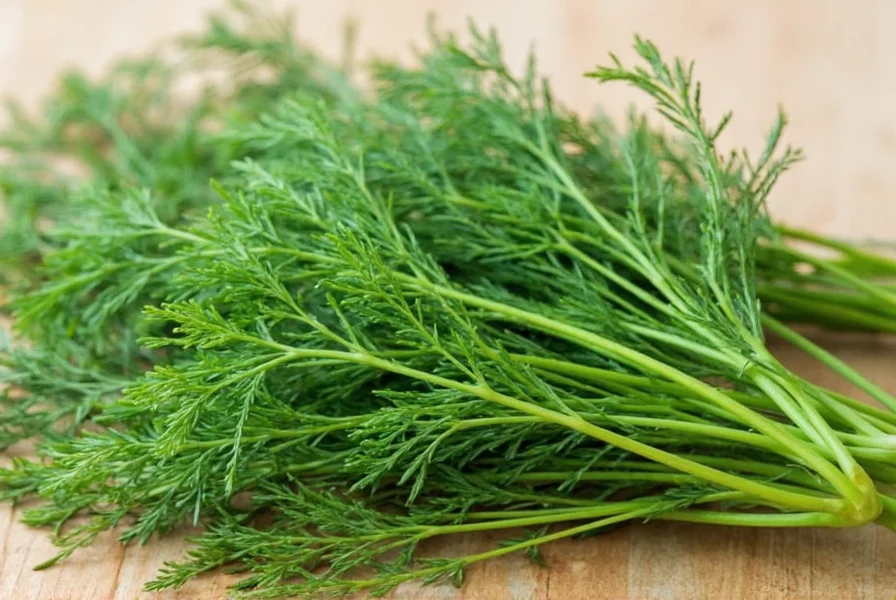
Dill seeds aren't just "dried dill." They're biologically distinct with unique culinary superpowers. Understanding this prevents costly kitchen mistakes.
| Characteristic | Dill Seeds | Dill Weed (Fresh/Dried) |
|---|---|---|
| Botanical Source | Fruit of Anethum graveolens | Leaves/stems of plant |
| Flavor Profile | Earthy, caraway-like bite with citrus notes (Afghan varieties) | Grassy, sweet, mild licorice |
| Heat Stability | Holds up in long cooking (soups, stews) | Flavors dissipate quickly in heat |
| Pickling Performance | "Adds earthy depth and structure to brine" (America's Test Kitchen) | "Disappears in assertive brine" |
When to Reach for Dill Seeds (And When to Avoid)
Using dill seeds correctly transforms dishes. Misusing them ruins them. Here's your decision framework:
✅ Must-Use Scenarios
- Pickling brines: Essential for crisp, flavorful pickles (superior to dill weed per America's Test Kitchen)
- Rustic breads: Scandinavian Filmjölkslimpa (seeded buttermilk bread) relies on toasted dill seeds
- Hearty potato salads: Adds complexity where fresh dill wilts (see this authentic recipe)
- South Asian curries: Indian dill seeds (milder variety) in biryani
🚫 Critical Avoidance Zones
- Delicate fish dishes (use fresh dill weed instead)
- Tzatziki or cucumber salads (seeds overpower freshness)
- Raw applications without toasting (raw seeds taste harsh)
- Substituting 1:1 for fresh dill (use 1 tsp seeds = 1 tbsp fresh dill)

3 Proven Dill Seed Recipes That Actually Work
Based on global culinary traditions verified by Aliya Lee Kong and Saveur:
1. Scandinavian-Style Pickled Cucumbers (Serves 4)
Why it works: Dill seeds dominate the brine where fresh dill fails.
- 1 cup vinegar, 1 cup water, 1 tbsp salt
- 1 tsp dry-roasted dill seeds (critical step!)
- 1/2 tsp mustard seeds, 4 black peppercorns
- 2 cucumbers, sliced
Method: Toast seeds 2 mins until fragrant. Combine all ingredients in jar. Refrigerate 48+ hours. Result: Crisp, complex pickles that last 3 months.
2. Afghan-Inspired Citrus Rice (Serves 6)
Why it works: Afghan dill seeds (Rumi Spice) add bright citrus notes.
- 1.5 cups basmati rice, rinsed
- 2 cups broth, 1 tsp toasted dill seeds
- Zest of 1 lemon, 1 tbsp lemon juice
Method: Sauté seeds 1 min. Add rice, toast 2 mins. Stir in broth and lemon. Simmer covered 15 mins. Fluff with fork.
3. Norwegian Crushed Potatoes with Lemon-Dill (Serves 4)
Why it works: Traditional Norwegian method (Sunny Gandara) uses seeds for earthy depth.
- 1.5 lbs waxy potatoes, boiled
- 1 tbsp toasted & crushed dill seeds
- 2 tbsp butter, lemon zest, salt
Method: Crush warm potatoes gently. Mix in butter, lemon zest, salt, and crushed seeds. Serve immediately.
Avoid These 3 Costly Dill Seed Mistakes
Based on culinary testing and SpiceSinc research:
- Skipping the toast: Raw seeds taste harsh and medicinal. Always dry-roast 2-3 mins until fragrant.
- Grinding in advance: Flavor dissipates within hours. Grind seeds just before use.
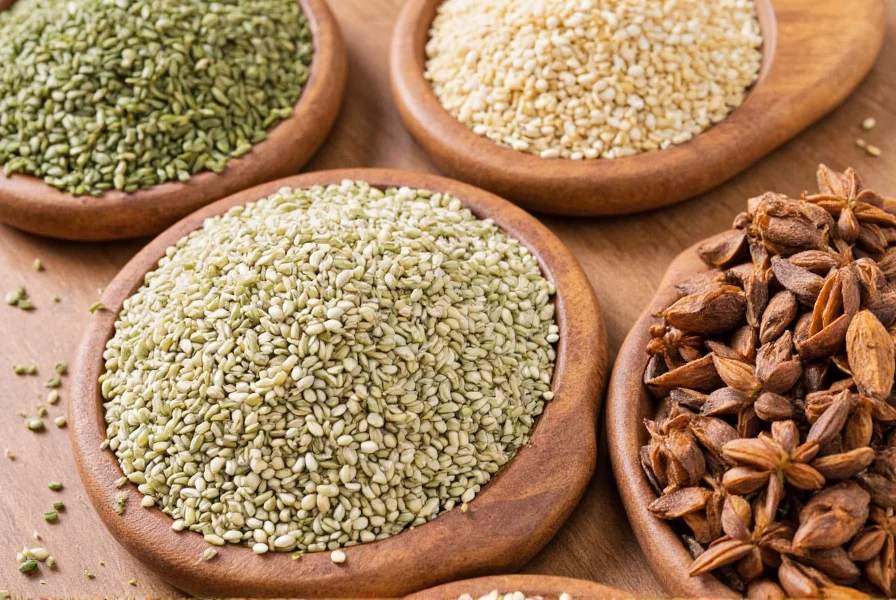
- Misjudging regional varieties: Afghan seeds (citrusy) vs Indian seeds (milder). Adjust quantities accordingly.
Everything You Need to Know
No—they're fundamentally different. Dill weed (leaves) offers grassy sweetness while dill seeds provide earthy depth. In pickling, America's Test Kitchen found dill weed "disappears" in brine while seeds add structure. Use 1 tsp seeds = 1 tbsp fresh dill only in non-critical applications.
Store whole seeds in an airtight container away from light and heat. Aliya Lee Kong notes that dill seed flavor dissipates quickly—use within 6 months. Never grind in bulk; toast and grind only what you need immediately before cooking.
No—they're often confused visually but have distinct flavors. Dill seeds have citrus-anise notes with earthy depth, while caraway is more pungent and fennel is sweeter. As Rumi Spice explains, Afghan dill seeds offer unique brightness unsuitable as direct substitutes in recipes requiring precise flavor profiles.
Dry-roasting (2-3 minutes in a skillet) unlocks volatile oils and eliminates raw bitterness. Culinary experts confirm this step is non-negotiable for optimal flavor—untreated seeds taste harsh and medicinal in finished dishes.
Three key traditions: 1) Scandinavian (gravlax curing, seeded breads), 2) South Asian (Indian biryani with milder seeds), and 3) North African (Ras El Hanout spice blend). As Saveur documents, dill is so central to Norwegian cuisine that historical wedding rituals used it to ensure "happy marriages."




 浙公网安备
33010002000092号
浙公网安备
33010002000092号 浙B2-20120091-4