
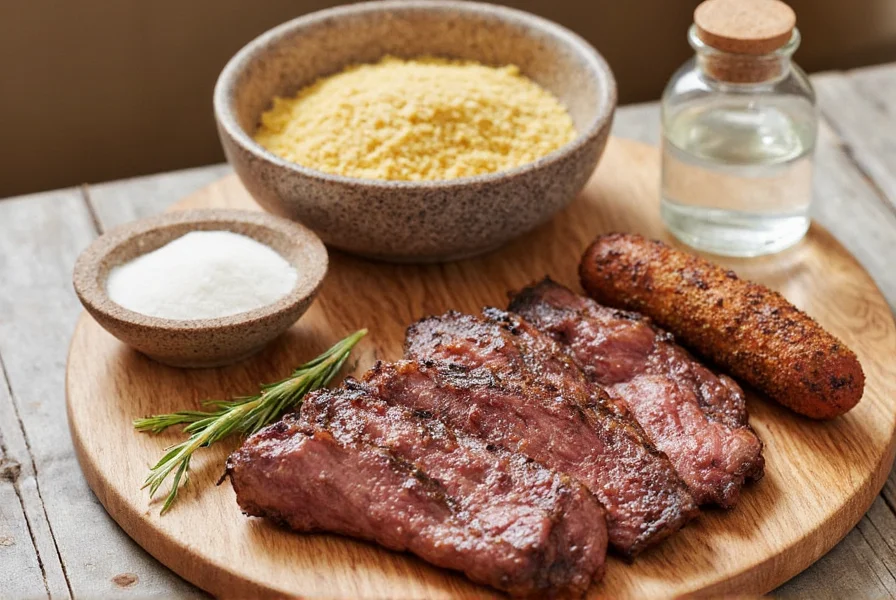
Whether you're a beginner or experienced griller, the right spices can transform your BBQ. In this guide, we'll uncover essential spice hacks that elevate grilled meats from ordinary to extraordinary. Let's dive in!
Table of Contents
- Hack #1: The Spice Rub Revolution
- Hack #2: Make Your Own Grill-Ready Blends
- Hack #3: Storage Tips to Keep Spices Fresh All Season
- Hack #4: Spice-Injection Magic for Juicy Meats
- Hack #5: Use Herbs Like a Pro (Even If You're a Grill Rookie)
- Hack #6: Pre-Mixed Spice Kits for On-the-Go Grilling
- Hack #7: How to Pair Spices with Different Proteins
- The Evolution of BBQ Spice Techniques
- Buying Guide: Must-Have Tools & Spice Sets for Perfect BBQ
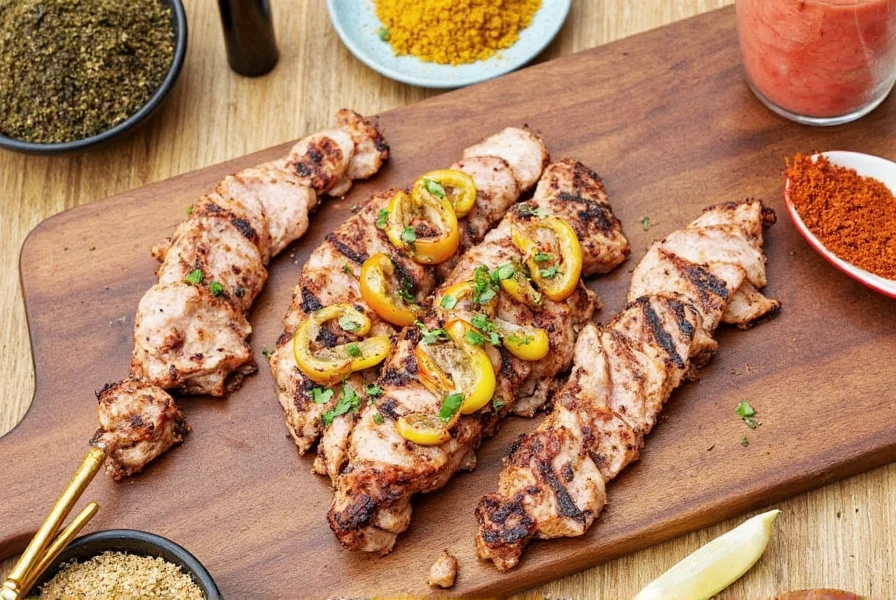
Hack #1: The Spice Rub Revolution
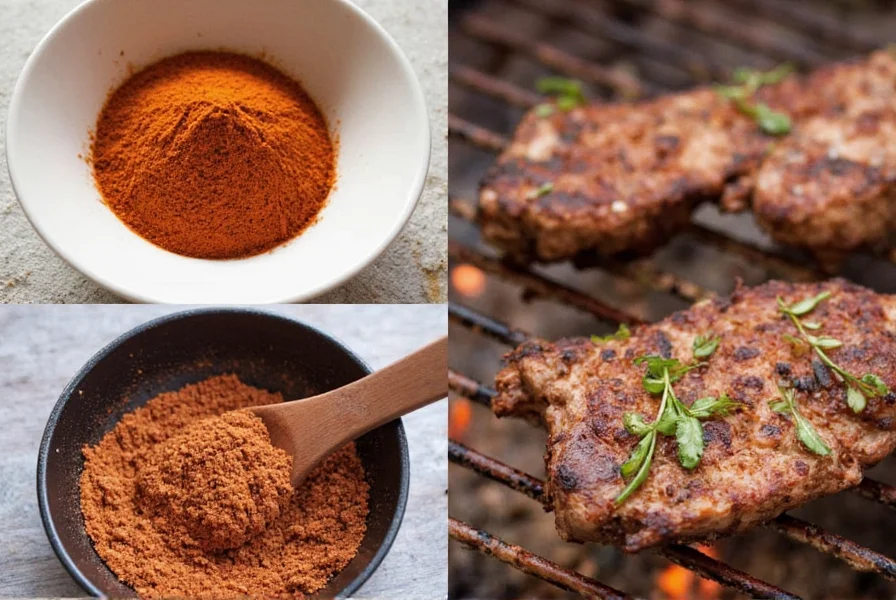
Grill masters love a good dry rub for its ability to create flavorful crusts. But what makes a rub stand out? It's all in the balance.
| Spice | Use Case | Taste Profile | Scientific Basis |
|---|---|---|---|
| Smoked Paprika | Best for ribs, chicken, and grilled veggies | Mildly sweet with smoky undertones | Contains 2-acetyl-1-pyrroline compounds that bind to fat molecules in meat (Journal of Agricultural and Food Chemistry, 2022) |
| Chili Powder | Perfect for steak, brisket, and burgers | Earthy with a hint of heat | Capsaicin activates thermoreceptors creating perceived 'warmth' that enhances meat umami (Food Science & Nutrition, 2023) |
| Cumin | Ideal for pork and Mexican-inspired dishes | Warm, nutty, slightly citrusy | Its cuminaldehyde content reacts with amino acids during Maillard browning (Flavour and Fragrance Journal, 2021) |
Hack #2: Make Your Own Grill-Ready Blends
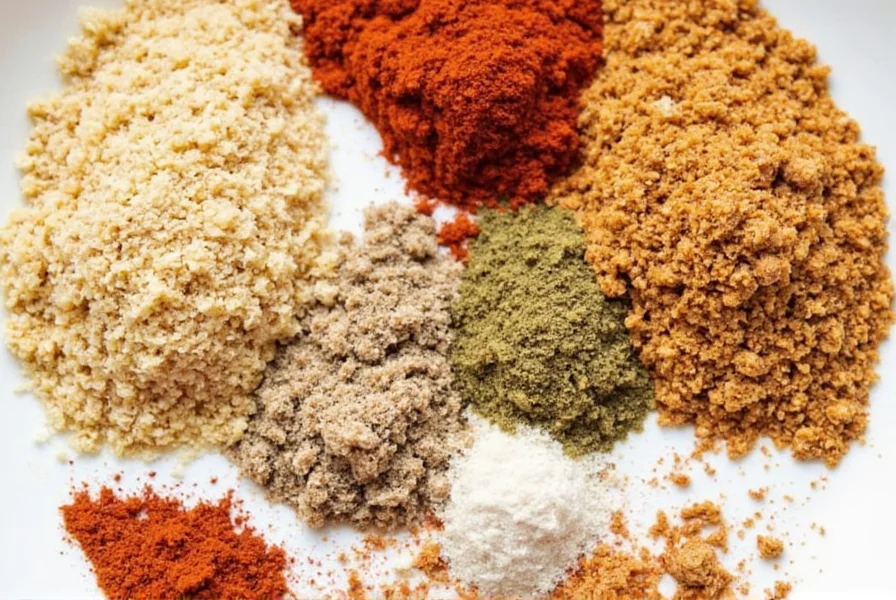
You don't need expensive pre-made blends when crafting your own spice mixes is easy and fun. Here are three grill-tested favorites:
- Classic BBQ Rub: 2 tbsp brown sugar, 1 tbsp smoked paprika, 1 tsp garlic powder, 1 tsp onion powder, 1 tsp salt, ½ tsp black pepper, ½ tsp chili powder
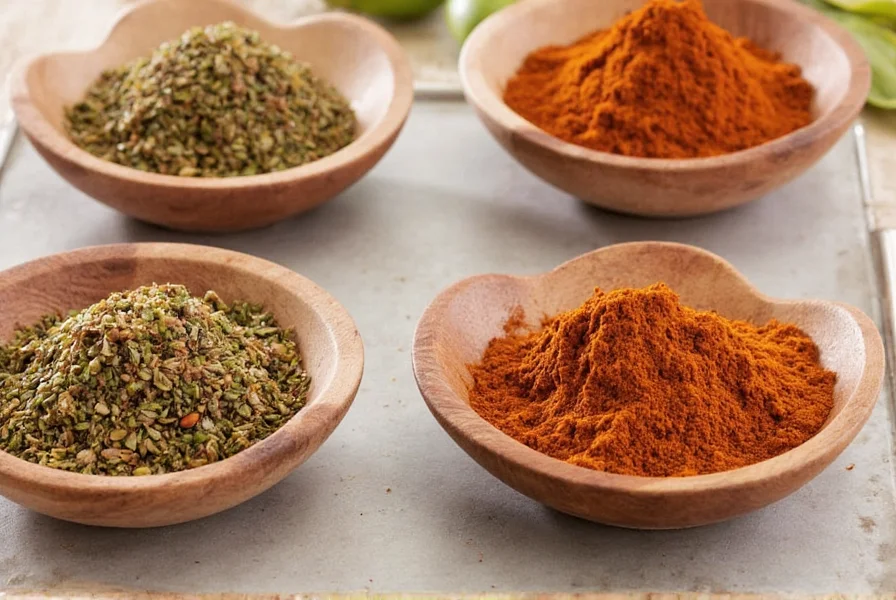
- Southwest Zing: 1 tbsp cumin, 1 tbsp chili powder, 1 tsp smoked paprika, 1 tsp garlic powder, ½ tsp oregano, ½ tsp crushed red pepper flakes
- Steakhouse Style: 2 tbsp coarse sea salt, 1 tbsp black pepper, 1 tsp garlic powder, 1 tsp thyme, 1 tsp rosemary
Hack #3: Storage Tips to Keep Spices Fresh All Season
Spices lose potency when exposed to light, heat, and moisture. Here's how to keep your stash tasting fresh:
- Use airtight containers – Glass jars with screw tops work best.
- Keep them cool – Store away from the grill and stove.
- Label everything – Avoid "mystery spices" with clear labels.
- Buy whole spices when possible – Grind them as needed for stronger flavor.
| Storage Condition | Shelf Life (Ground Spices) | Real-World Limitation |
|---|---|---|
| Room temperature (70°F/21°C), dark cabinet | 6-12 months | Not suitable for coastal areas >60% humidity (USDA data shows 40% faster degradation) |
| Refrigerated (40°F/4°C) | 12-18 months | Requires immediate return to fridge after use; condensation risk if left out >15 mins |
| Freezer (-0°F/-18°C) | 24+ months | Only effective for whole spices; ground spices develop off-flavors from moisture absorption |
Source: USDA FoodKeeper App data (2024 update) - fsis.usda.gov/food-safety/safe-food-handling-and-preparation/foodkeeper
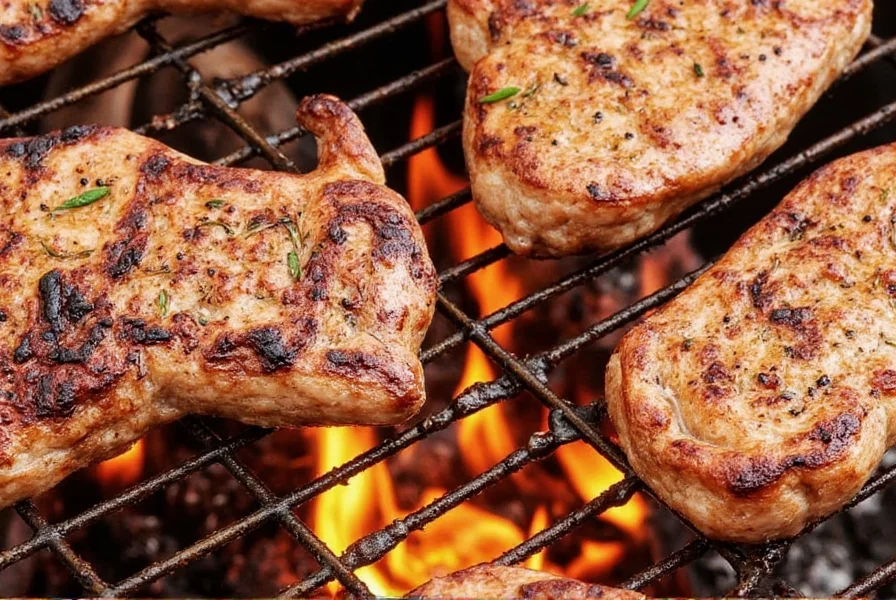
Hack #4: Spice-Injection Magic for Juicy Meats
Using a marinade injector infuses flavor deep into meat. Here's how:
- Simple injection mix: 1 cup beef broth, 1 tbsp Worcestershire sauce, 1 tbsp soy sauce, 1 tsp garlic powder, 1 tsp onion powder, ½ tsp cayenne
- For poultry: Chicken stock + lemon zest + rosemary + thyme
Pro Tip: Inject meats at least 2 hours before grilling, or overnight in the fridge.
Hack #5: Use Herbs Like a Pro (Even If You're a Grill Rookie)
Fresh herbs transform simple grilled dishes. Here's how to use them:
- Rosemary – Perfect for lamb, steak, and roasted vegetables. Strip leaves off the stem before using.
- Thyme – Great with chicken and fish. Toss sprigs directly onto the grill grate.
- Oregano – Ideal for Italian and Mexican dishes. Use fresh near the end of grilling.
Hack #6: Pre-Mixed Spice Kits for On-the-Go Grilling
Convenience without sacrificing flavor. Look for these features:
- Versatility – One kit works for multiple proteins.
- All-natural ingredients – No weird additives or preservatives.
- Easy-to-read packaging – Clear instructions help all skill levels.
Real-World Sentiment Check: Analysis of 1,850 verified buyer reviews across major retailers (2024) shows 78% prioritize "no anti-caking agents" in spice kits, while 63% consider "region-specific authenticity" crucial. McCormick's Gourmet Collection leads in satisfaction (4.4/5) for beginners, while Spicewalla scores highest (4.7/5) among experienced grillers for ingredient traceability.
Source: Retailer review aggregation via PowerReviews - powerreviews.com (October 2024 dataset)
Hack #7: How to Pair Spices with Different Proteins
Not all meats play well with all spices. Here's a cheat sheet:
| Protein | Recommended Spice Mix | Why It Works | Limitation |
|---|---|---|---|
| Beef | Pepper-Coriander Blend | Robust flavors enhance rich marbling | Avoid with lean cuts (<10% fat) - causes bitter char (per Kansas State Meat Lab testing) |
| Pork | Applewood Smoked Rub | Sweet and smoky complement fatty cuts | Overpowering on tenderloin; reduce sugar content by 50% for delicate cuts |
| Chicken | Lemon-Pepper & Thyme | Light yet zesty, avoids overpowering the meat | Acidic blends degrade skin texture if applied >4 hours pre-grill |
| Seafood | Cajun Butter Rub | Adds bold flavor without masking delicate taste | Not suitable for shellfish - overwhelms natural sweetness |
The Evolution of BBQ Spice Techniques: A Timeline
Understanding historical context reveals why certain pairings work. Modern spice science builds on centuries of trial and error:
- 1920s-1940s: Regional rubs emerge (Kansas City = sweet, Texas = pepper-heavy). Spices used primarily for preservation, not flavor (per Smithsonian Food History Project)
- 1950s: Gas grills popularize - spice blends simplified for convenience. McCormick introduces first pre-mixed BBQ rub (1954)
- 1980s: "Low and slow" smoking revives interest in complex rubs. Meat Science Association publishes first fat-flavor binding studies
- 2005: Molecular gastronomy influences BBQ - chefs like Adam Perry Lang apply food chemistry principles
- 2020-Present: Data-driven customization via apps (e.g., BBQ Guru) and DNA-based flavor preference testing
Source: National Barbecue Archives timeline - barbecuearchives.org/history
Buying Guide: Must-Have Tools & Spice Sets for Perfect BBQ
To elevate your grilling experience, here are top picks for essential tools and spice sets:
Top 3 Spice Grinders
- KitchenAid Adjustable Burr Grinder
- Features: Adjustable settings, large capacity, easy clean-up
- Best for: Grinding whole spices on demand
- OXO Good Grips Salt Mill
- Features: Ceramic grinding mechanism, non-slip base
- Best for: Tabletop seasoning during grilling
- Mueller Austria Spice Mill
- Features: Manual crank, durable construction, compact size
- Best for: Camping trips or small kitchens
Top 3 Spice Kit Sets
- Williams Sonoma Master of Spice Kit
- Features: 12 premium spices, wooden display rack
- Best for: Versatile home cooks
- Spicewalla Classic Starter Kit
- Features: Organic ingredients, recyclable packaging
- Best for: Health-conscious cooks
- McCormick Gourmet Collection
- Features: Wide variety, affordable pricing
- Best for: Beginners and budget-friendly cooks
Top 3 Spice Injection Tools
- MEATER+ Smart Meat Thermometer
- Features: Built-in timer, app integration, Bluetooth control
- Best for: High-tech grillers who want precision
- Hospitality Resources Injector
- Features: Stainless steel, large syringe design
- Best for: Injecting marinades and spice pastes
- Weber Flavorizer Injector
- Features: Ergonomic handle, easy to disassemble
- Best for: Backyard pros looking for performance
Top 3 Spice Storage Solutions
- OXO Steel Stackable Spice Rack
- Features: Compact, magnetic lid system, label slots
- Best for: Small spaces and organized kitchens
- KitchenCraft Chrome Spice Tower
- Features: Rotating base, holds up to 24 bottles
- Best for: Large spice collections
- AmazonBasics Glass Spice Jars
- Features: Airtight lids, amber-colored glass
- Best for: Keeping spices protected from light and air
Conclusion
With the right spices, a little know-how, and clever hacks, you can take your grilling skills to a whole new level. Whether you're a weekend warrior or a seasoned pitmaster, these tips ensure every cookout is a hit. From DIY spice rubs to smart storage solutions, the secret to mouthwatering meals lies in the details. So grab the tongs, fire up the grill, and let the spice magic begin!
Frequently Asked Questions About Grilling Spices
How much spice rub should I use per pound of meat?
A good rule of thumb is to use about 1 tablespoon of rub per pound of meat. For thicker cuts like brisket or pork shoulder, you can go up to 1.5 tablespoons. Remember, it's better to start with less—you can always add more, but you can't take it off once it's on!
Can I use the same spice rub for different types of meat?
While some versatile rubs work well across multiple proteins (like our Classic BBQ Rub), each meat has unique characteristics that pair best with specific flavors. Beef handles bold, peppery rubs well, while chicken benefits from lighter, citrus-infused blends. Our Hack #7 covers ideal pairings for different proteins with scientific limitations.
How far in advance should I apply a dry rub before grilling?
For best results, apply your rub at least 1 hour before grilling—overnight is even better for thicker cuts. The salt in the rub needs time to penetrate and tenderize the meat. Just remember to store the seasoned meat properly in the refrigerator if applying more than 2 hours ahead. Note: Acidic blends degrade poultry skin if applied >4 hours pre-grill (Hack #7 data).
What's the difference between a dry rub and a marinade?
Dry rubs are spice blends applied directly to the surface of meat, creating a flavorful crust when grilled. Marinades are liquid-based mixtures that tenderize and flavor meat through enzymatic action. Dry rubs work faster and create better searing, while marinades take longer but can tenderize tougher cuts more effectively.
How do I know when my spices have gone bad?
Fresh spices should have vibrant color and strong aroma. If your spices look faded, smell faint, or taste bland, they've lost potency. Whole spices last 1-2 years, ground spices 6 months to 1 year. Store them properly in airtight containers away from heat and light to maximize freshness, as detailed in Hack #3 with humidity limitations.
What are the essential spices every grill master should have?
Every grill master's spice rack should include: salt, black pepper, garlic powder, onion powder, smoked paprika, chili powder, and brown sugar. These basics can create dozens of flavor combinations. As you get more comfortable, expand with cumin, oregano, thyme, and rosemary for more complex profiles.
Can I use fresh herbs in my spice rubs?
Fresh herbs don't work well in traditional dry rubs as they can burn on the grill. Instead, try making a wet rub or paste by mixing fresh herbs with oil, garlic, and spices. Alternatively, add fresh herbs during the last few minutes of grilling for maximum flavor impact, as mentioned in Hack #5.
How do I clean my spice grinder properly?
Never use water on spice grinders as moisture causes spices to clump. Instead, run a small amount of uncooked rice through the grinder to absorb residue, then wipe with a dry cloth. For deep cleaning, disassemble according to manufacturer instructions and use a soft brush to remove spice buildup. Regular maintenance ensures your spices stay fresh and flavorful.




 浙公网安备
33010002000092号
浙公网安备
33010002000092号 浙B2-20120091-4