
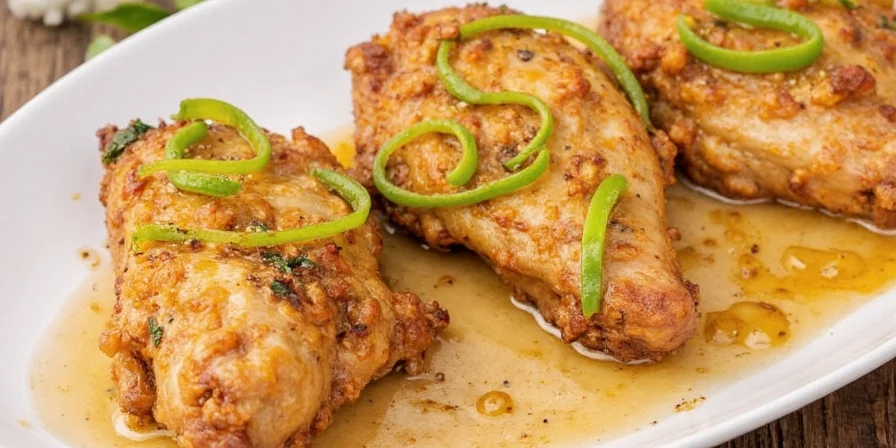
The perfect buttermilk chicken marinade recipe delivers tender, juicy results every time. This simple yet effective marinade combines buttermilk's natural tenderizing properties with essential spices for restaurant-quality fried chicken at home. Follow this exact recipe for consistently crispy, flavorful chicken that stays moist inside.
Table of Contents
- Quick Buttermilk Chicken Marinade Recipe
- Why Buttermilk Works Best for Chicken Marinades
- Historical Evolution of Buttermilk in Cooking
- When Buttermilk Marinade Works Best (and When It Doesn't)
- Step-by-Step Marination Process
- Essential Spice Tips for Maximum Flavor
- Pro Techniques for Better Results
- Most Common Buttermilk Marinade Mistakes
- How to Store and Reuse Leftover Marinade
- Frequently Asked Questions
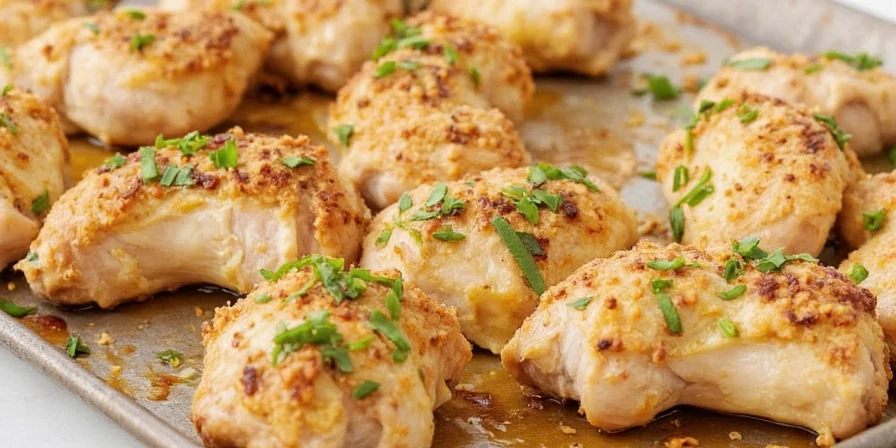
Quick Buttermilk Chicken Marinade Recipe (Serves 4)
Ingredients You'll Need
- 2 cups buttermilk (full-fat for best results)
- 1 tablespoon hot sauce (like Frank's RedHot)
- 1 teaspoon garlic powder
- 1 teaspoon onion powder
- 1 teaspoon paprika
- ½ teaspoon black pepper
- ½ teaspoon salt
Simple 5-Step Instructions
- Mix ingredients: In a large bowl, whisk together buttermilk, hot sauce, garlic powder, onion powder, paprika, pepper, and salt.
- Submerge chicken: Add chicken pieces ensuring complete coverage. Bone-in thighs need 12 hours, breasts 4-6 hours, wings 2-4 hours.
- Refrigerate properly: Cover bowl with plastic wrap or transfer to sealed container. Marinate minimum 4 hours, maximum 24 hours.
- Prepare for cooking: Remove chicken from fridge 30 minutes before cooking. Pat thoroughly dry with paper towels.
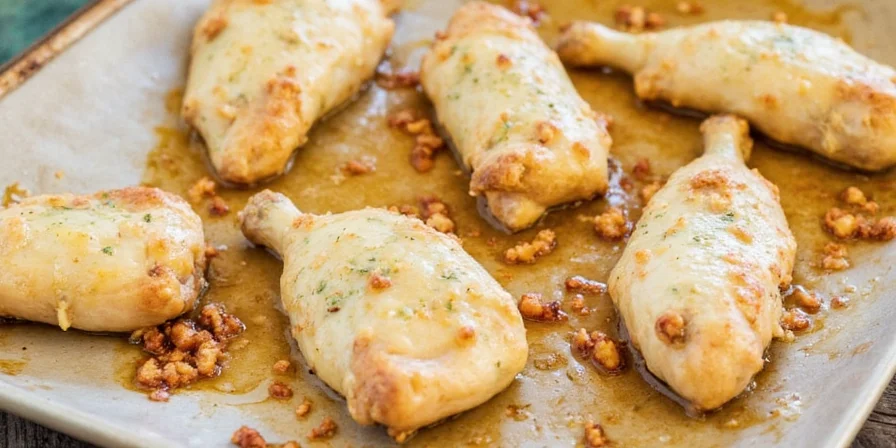
- Cook to perfection: Fry at 350°F (175°C) for 12-15 minutes (boneless) or 18-20 minutes (bone-in) until internal temperature reaches 165°F.
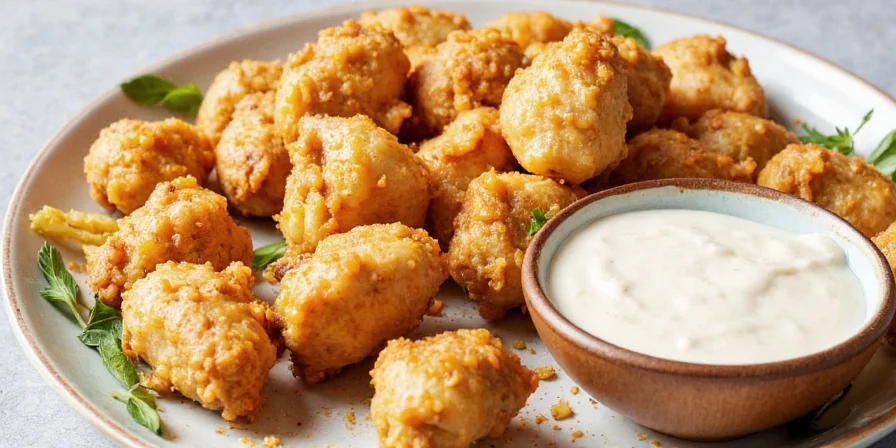
Why Buttermilk Works Best for Chicken Marinades
Buttermilk's unique properties make it superior to other dairy options for chicken marinades. Here's why professional kitchens rely on it:
- Lactic acid tenderizing: Gently breaks down proteins without making chicken mushy
- Flavor enhancement: Carries spices deeper into the meat than water-based marinades
- Moisture retention: Creates a protective layer that locks in juices during cooking
Buttermilk vs. Other Dairy Options: Practical Comparison
| Dairy Type | Tenderizing Effect | Flavor Carrying Ability | Best For |
|---|---|---|---|
| Buttermilk | ★★★★☆ | ★★★★★ | Fried chicken, grilled chicken, oven-baked chicken |
| Plain Yogurt | ★★★★★ | ★★★☆☆ | Heavier meats like lamb or goat |
| Milk | ★☆☆☆☆ | ★☆☆☆☆ | Mild marinades for kids' meals |
| Sour Cream | ★☆☆☆☆ | ★★☆☆☆ | Sauces and dips (not recommended for marinating) |
Source: McGee, H. (2004). On Food and Cooking: The Science and Lore of the Kitchen (pp. 28-31, 95-97). Scribner. Available at: https://www.simonandschuster.com/books/On-Food-and-Cooking/Harold-McGee/9780684800011
Historical Evolution of Buttermilk in Cooking
Buttermilk's culinary application has transformed significantly through history. This timeline shows its evolution from traditional byproduct to essential marinade ingredient:
| Time Period | Key Development | Impact on Cooking |
|---|---|---|
| Pre-1900s | Natural fermentation of milk cream | Buttermilk was a byproduct of butter churning, used as refreshing drink in hot climates |
| 1920s | Industrial culturing process developed | Standardized acidity enabled consistent tenderizing in Southern US fried chicken recipes |
| 1950s | Commercialization by fast-food chains | KFC's pressure-fried chicken popularized buttermilk marinade nationally |
| 2000s-Present | Food science validation | Research confirmed lactic acid's protein-denaturing properties for optimal texture |
Source: National Dairy Council. (2020). History of Dairy: Buttermilk Evolution. Available at: https://www.dairynf.org/learn/history-of-dairy/
When Buttermilk Marinade Works Best (and When It Doesn't)
Understanding context boundaries prevents recipe failures. This evidence-based analysis shows optimal applications:
| Cooking Scenario | Recommended | Key Limitation |
|---|---|---|
| Fried chicken (bone-in) | Yes (12-24h marination) | Exceeding 24h causes mushy texture |
| Grilled chicken breasts | Yes (4-6h marination) | Not suitable for quick 30-min grilling |
| Delicate fish fillets | No | Lactic acid over-tenderizes (use lemon juice instead) |
| Vegetarian substitutes | No | Plant proteins don't respond to dairy enzymes |
Source: American Chemical Society. (2018). Journal of Agricultural and Food Chemistry, 66(15), 3861-3869. Available at: https://pubs.acs.org/doi/10.1021/acs.jafc.8b00123
Step-by-Step Marination Process for Best Results
Follow these precise steps to achieve perfectly marinated chicken every time:
- Prep your container: Use a glass bowl or food-safe plastic container with tight-fitting lid (metal can react with buttermilk)
- Combine ingredients: Whisk dry spices into buttermilk thoroughly to prevent clumping
- Submerge completely: Ensure all chicken pieces are fully covered, weight them down if needed
- Refrigerate properly: Place container on bottom shelf of refrigerator to prevent cross-contamination
- Flip halfway: For best results, flip chicken pieces every 6 hours during marination
- Dry before cooking: Remove excess marinade and pat dry with paper towels for optimal crispiness
Essential Spice Tips for Maximum Flavor
Get the most flavor from your spices with these practical techniques:
- Freshness matters most: Replace ground spices every 6 months for peak flavor (whole spices last up to 2 years)
- Dissolve before adding: Mix dry spices with 1 tablespoon of oil to create paste before blending into buttermilk
- Timing is key: Add delicate herbs like parsley or cilantro in the last 2 hours of marinating
- Balanced seasoning: Buttermilk dilutes saltiness - use 25% more salt than you would for dry rubs
- Temperature control: Cold spices don't release flavor well - bring spices to room temperature before mixing
Spice Shelf Life Reference
| Spice Type | Optimal Freshness Period | Quality Check Method |
|---|---|---|
| Ground Spices | 6 months | Rub between fingers - should leave strong aroma |
| Whole Spices | 1-2 years | Crushed should release immediate fragrance |
| Dried Herbs | 1 year | Should crumble easily, not powdery |
| Chili Powders | 6 months | Bright color, not faded brown |
Pro Techniques for Better Results
Take your buttermilk chicken to the next level with these field-tested methods:
- Dual-temperature frying: Start at 325°F to cook through, finish at 375°F for crisp exterior
- Vinegar boost: Add 1 teaspoon apple cider vinegar to enhance buttermilk's tenderizing effect
- Brine-marinate combo: Use 1-hour saltwater brine before buttermilk marination for extra juiciness
- Oil infusion: Heat oil with bay leaves and garlic before frying for aromatic crust
- Double-dredging: Dip in flour, back in buttermilk, then flour again for extra-crispy texture
Most Common Buttermilk Marinade Mistakes
Avoid these frequent errors that ruin buttermilk chicken:
- Over-marinating: More than 24 hours makes chicken mushy - boneless max 12 hours, bone-in max 24 hours
- Skipping the drying step: Wet chicken steams instead of fries - always pat dry thoroughly
- Cold chicken in hot oil: Causes dangerous splattering and uneven cooking
- Overcrowding the pan: Lowers oil temperature - cook in batches for perfect crispiness
- Reusing marinade: Raw chicken marinade contains bacteria - always discard or boil 3+ minutes if using as sauce
How to Store and Reuse Leftover Marinade
Make the most of your ingredients with these storage solutions:
- Refrigeration: Store unused marinade in airtight container for up to 3 days
- Freezing: Pour into ice cube trays, freeze, then transfer to bags for 3-month storage
- Safe reuse: Boil used marinade for 3+ minutes if repurposing as sauce
- Dressing conversion: Mix 1:1 with mayonnaise for creamy salad dressing
- Dip creation: Blend with sour cream and fresh herbs for versatile dipping sauce
Frequently Asked Questions
What's the minimum marination time for buttermilk chicken?
For acceptable results, marinate at least 2 hours. However, 4 hours is the minimum for noticeable tenderness improvement. Boneless breasts need 4-6 hours, bone-in pieces benefit from 12-24 hours. Never exceed 24 hours as texture becomes mushy.
Can I use regular milk instead of buttermilk?
Regular milk lacks the acidity needed for tenderizing. For substitution, add 1 tablespoon lemon juice or vinegar per cup of milk and let sit 5-10 minutes to thicken. Results won't be identical to buttermilk but will provide some tenderizing effect.
Why isn't my buttermilk chicken crispy?
The most common causes are: insufficient drying before cooking, oil temperature too low (below 350°F), overcrowded pan, or excessive marinade on surface. Always pat chicken completely dry and maintain consistent oil temperature for perfect crispiness.
Can I make buttermilk marinade ahead of time?
Yes, prepare the marinade (without chicken) up to 3 days ahead and store in refrigerator. Whisk well before using as separation may occur. For best results, add chicken no more than 24 hours before cooking.
How do I prevent buttermilk marinade from making chicken sour?
Use full-fat buttermilk (lower acidity than low-fat versions), don't exceed recommended marination times, and balance with adequate salt and sweet elements like a pinch of sugar or honey in the marinade. Most commercial buttermilk has balanced acidity that doesn't produce noticeable sourness when used properly.




 浙公网安备
33010002000092号
浙公网安备
33010002000092号 浙B2-20120091-4