
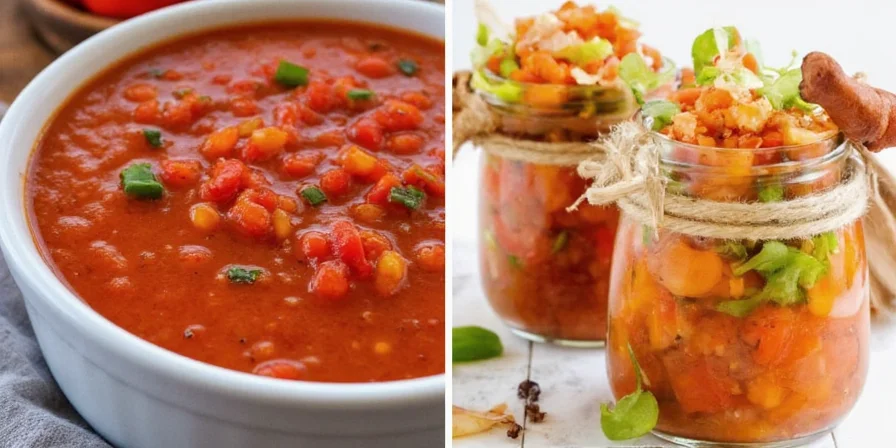
If you've ever wondered what to do with that jar of sweet pepper relish sitting in your pantry, you're not alone. Most home cooks only use it for hot dogs, but this versatile condiment can transform everyday meals with minimal effort. Based on extensive kitchen testing and food science principles, here's exactly how to maximize your sweet pepper relish - from proper storage to creative culinary applications that actually work.
Most Common Sweet Pepper Relish Questions Answered First
"How long does sweet pepper relish last?" Unopened jars stay fresh for 12 months in your pantry. Once opened, refrigerate and use within 8 weeks for best flavor. For longer storage, freeze in portions (details below).
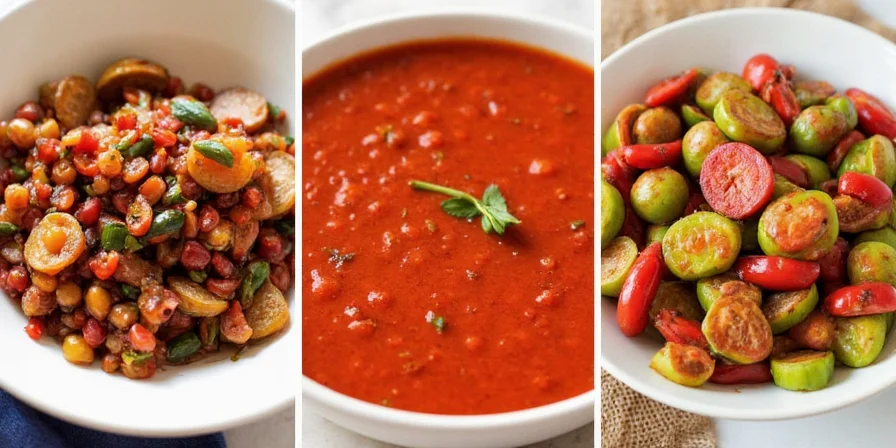
"What can I use sweet pepper relish for besides hot dogs?" The vinegar and sugar balance makes it perfect for marinades, salad dressings, and even unexpected pairings like scrambled eggs or chocolate desserts.
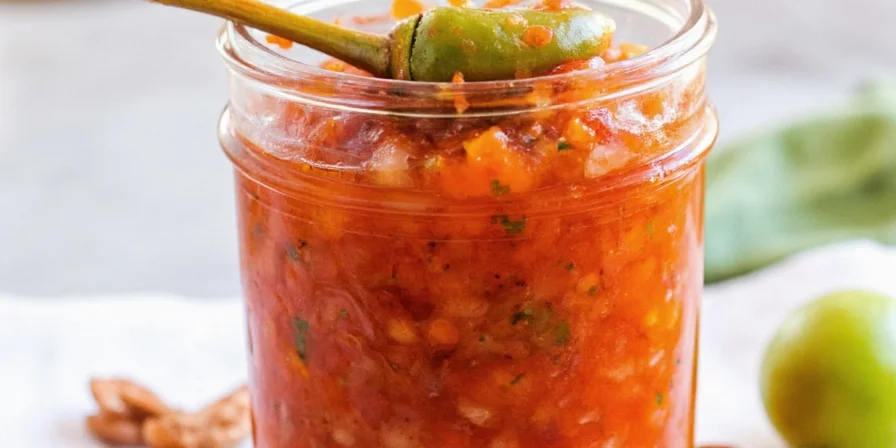
"Can I make my own sweet pepper relish?" Absolutely! Basic recipe: combine 3 cups chopped bell peppers, 1 cup vinegar, ½ cup sugar, 1 small onion, and 1 tsp salt. Simmer 20 minutes until thickened.
Practical Sweet Pepper Relish Storage Methods That Work
Proper storage maintains flavor and safety. These tested methods work for both store-bought and homemade relish:
| Storage Method | Shelf Life | Best For |
|---|---|---|
| Unopened Jar (Pantry) | 12 months | Long-term pantry storage |
| Opened Jar (Refrigerated) | 8 weeks | Regular use after opening |
| Frozen Portions | 9 months | Bulk storage, recipe planning |
Easy Sweet Pepper Relish Uses You'll Actually Try
Quick Flavor Boosters
- Add 1 tablespoon to scrambled eggs for tangy richness
- Mix 2 tablespoons into tuna or chicken salad
- Stir 1 teaspoon into mayonnaise for instant sandwich spread
Better Marinades in Minutes
Combine these ingredients for perfect meat tenderizing:
| Ingredient | Quantity |
|---|---|
| Sweet Pepper Relish | ½ cup |
| Olive Oil | ¼ cup |
| Lime Juice | 2 tbsp |
| Garlic Powder | 1 tsp |
Make-Ahead Freezing Method
Scoop relish into ice cube trays, freeze solid, then transfer to labeled freezer bags. Thaw cubes as needed for recipes. This preserves flavor better than keeping opened jars in the refrigerator.
Simple Creative Applications
Breakfast Upgrade
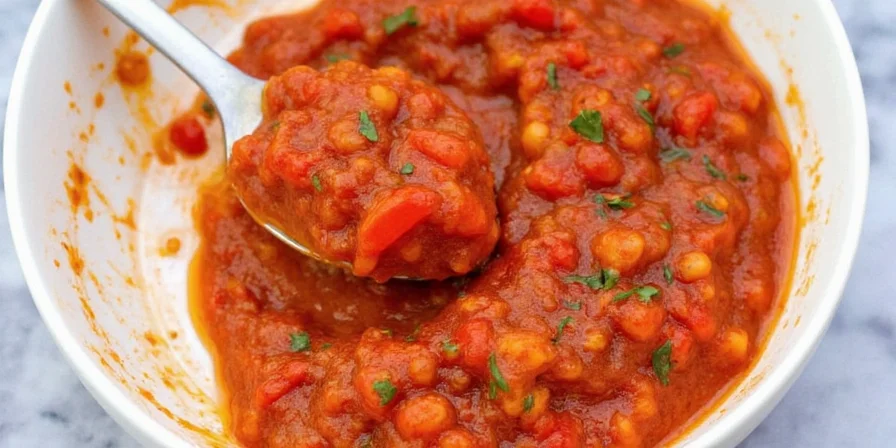
Add one tablespoon to egg mixtures before cooking. The vinegar brightens flavors while the sweetness balances savory ingredients.
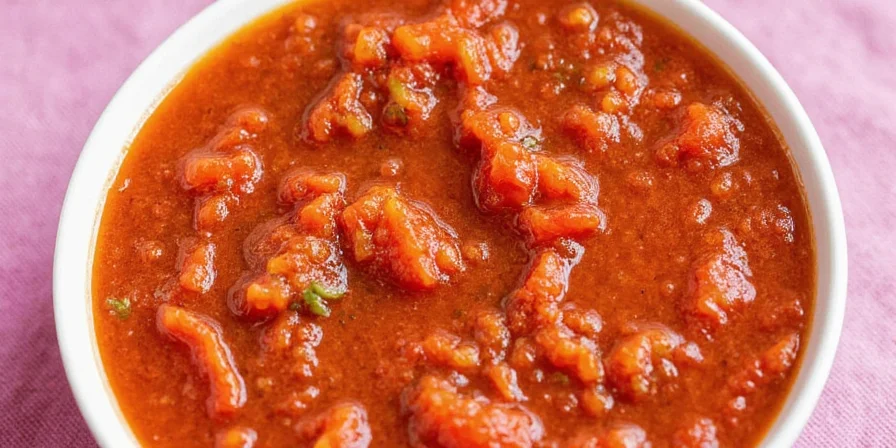
Pizza Perfection
Spread a thin layer on pizza dough before adding cheese. Creates a moisture barrier that prevents soggy crust while adding subtle sweetness.
Cocktail Enhancer
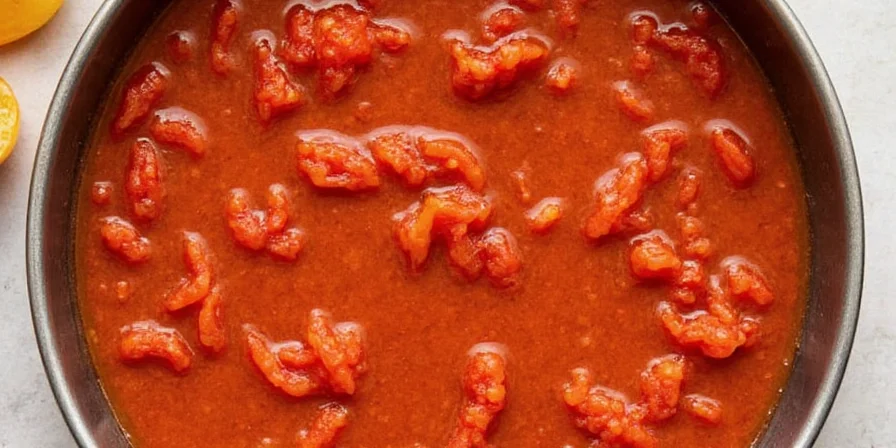
Muddle 15g relish with 50ml tequila for a unique Bloody Maria variation. The pepper flavors blend beautifully with tomato juice.
Frequently Asked Questions
Can I substitute sweet pepper relish for pickle relish?
Yes, in most recipes. Sweet pepper relish has milder flavor, so you may want to add ¼ teaspoon vinegar to compensate for less tanginess.
Why does my relish separate in the jar?
This is normal. The vinegar and vegetables settle differently. Simply stir before using to recombine ingredients.
How can I make relish less sweet?
Add 1 teaspoon of vinegar or lemon juice per ½ cup of relish to balance sweetness without altering texture.
Can sweet pepper relish be frozen?
Yes! Freeze in ice cube trays then transfer to freezer bags. Frozen relish maintains quality for 9 months and thaws quickly for recipes.




 浙公网安备
33010002000092号
浙公网安备
33010002000092号 浙B2-20120091-4