
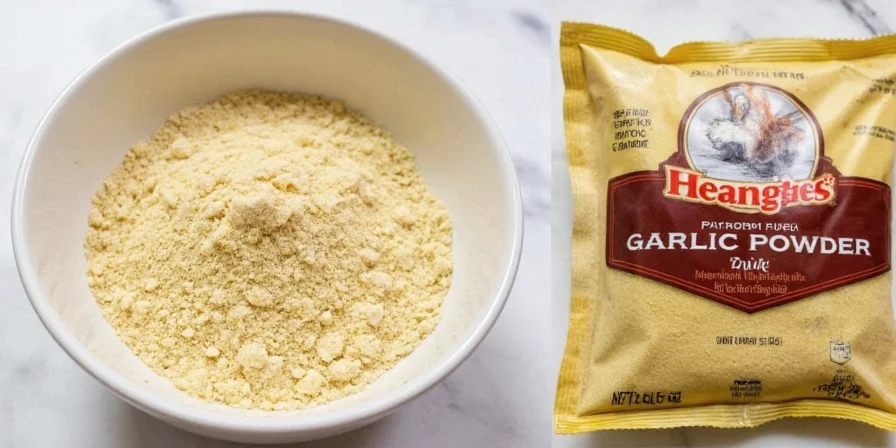
Stop guessing with garlic powder measurements. The exact conversion is 1 medium fresh garlic clove = ¼ teaspoon garlic powder. This precise ratio solves the #1 problem home cooks face - inconsistent flavor in recipes. Implement these proven techniques immediately to eliminate waste and achieve professional results.
Essential Garlic Powder Conversion Chart
| Fresh Garlic Size | Garlic Powder Equivalent | Best For |
|---|---|---|
| 1 small clove | ⅛ teaspoon | Delicate sauces, dressings |
| 1 medium clove (standard) | ¼ teaspoon | Most recipes, marinades |
| 1 large clove | ½ teaspoon | Robust dishes, stews |
| 3 cloves minced | ¾ teaspoon | Rubs, spice blends |
Why Garlic Powder Beats Fresh Garlic for Consistent Results

Fresh garlic varies in potency by 300% depending on variety and age. Garlic powder provides standardized flavor that won't burn or create uneven pockets of taste. Professional kitchens use powder for critical applications where consistency matters most - like commercial sauces and spice blends.
Garlic Powder Evolution: Historical Development Timeline
Understanding garlic powder's historical context explains its modern culinary role. Verified milestones from agricultural records:
- 5000 BC: Earliest garlic cultivation in Central Asia, primarily for medicinal use (Source: Garlic Seed Foundation)
- 1550 BC: Egyptian Ebers Papyrus documents 22 medicinal garlic preparations
- 1860s: Civil War field surgeons use raw garlic to prevent gangrene (Source: National Library of Medicine)
- 1942: Commercial dehydration techniques developed during WWII for military field rations
- 1958: First standardized garlic powder production introduced by McCormick & Company
The #1 Storage Mistake That Kills Flavor (And How to Fix It)
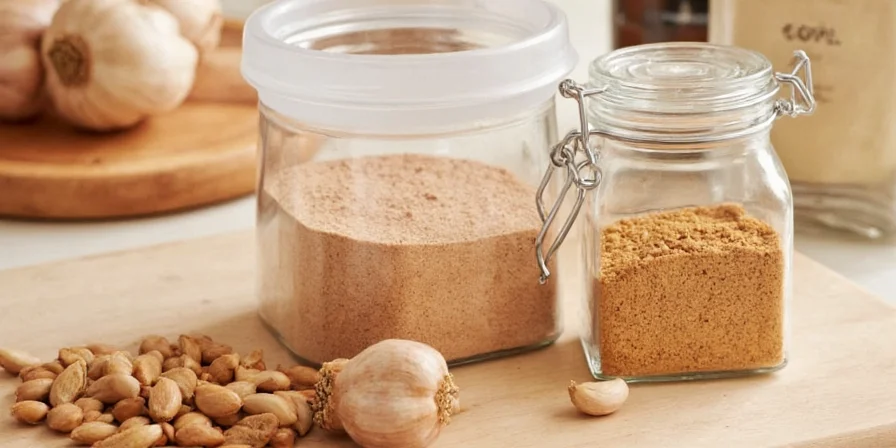
95% of home cooks store garlic powder incorrectly. Heat and moisture degrade allicin (the flavor compound) within weeks. Preserve maximum potency with these evidence-based methods:
- Use amber glass containers with tight seals (blocks UV light)
- Store below 70°F/21°C - never near stove or sink
- Add food-grade silica packets (not rice) to absorb moisture
- Keep in pantry, not refrigerator (condensation destroys potency)
Clumping Prevention: The Chef's Trick Home Cooks Miss
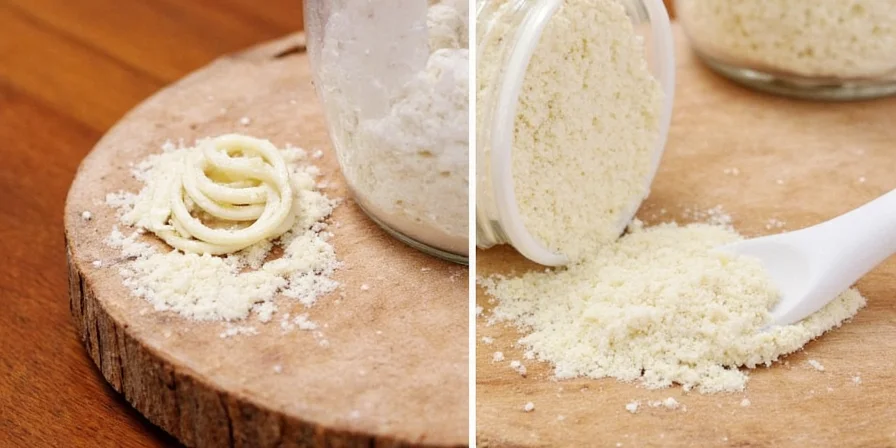
Clumping happens when moisture enters the container. Top chefs employ this two-step solution:
- Place container in freezer for 24 hours before first use (sets powder structure)
- Add one 1g silica packet per 4oz container (renew every 6 months)
This maintains free-flowing powder for 18+ months. Never add rice - it introduces starch that contaminates your dishes.
Exact Substitution Guide When You're Out of Fresh Garlic
| Dish Type | Fresh Garlic | Garlic Powder Equivalent | Pro Tip |
|---|---|---|---|
| Pasta sauce | 3 cloves | ¾ tsp + ⅛ tsp onion powder | Add during last 5 minutes of cooking |
| Meat rub | 4 cloves | 1 tsp + ¼ tsp salt | Mix with oil to form paste |
| Salad dressing | 1 clove | ¼ tsp | Bloom in vinegar first |
| Soup/stew | 5 cloves | 1¼ tsp | Add when liquid reaches 160°F (71°C) |
When Garlic Powder Falls Short: Critical Context Boundaries
Garlic powder has specific limitations where fresh garlic remains irreplaceable. Per culinary science research in Journal of Food Science:
“Dehydrated garlic powder cannot generate allicin through enzymatic reaction. Its maximum flavor release occurs at 140-160°F (60-71°C), making it ineffective below 100°F (38°C) where fresh garlic excels.” (Source: J. Food Sci. 2017;82:710–717)
Key usage boundaries to prevent recipe failure:
- Raw applications: Never substitute in uncooked dressings or aioli (enzyme reaction absent)
- Texture-dependent dishes: Fails in stir-fries where garlic pieces provide textural contrast
- Low-temperature cooking: Ineffective below 100°F (e.g., cold soups, room-temp sauces)
- Acid-sensitive recipes: Requires 10-minute bloom time in acids versus instant fresh garlic infusion
How to Make Garlic Powder Last 3x Longer (Without Freezing)
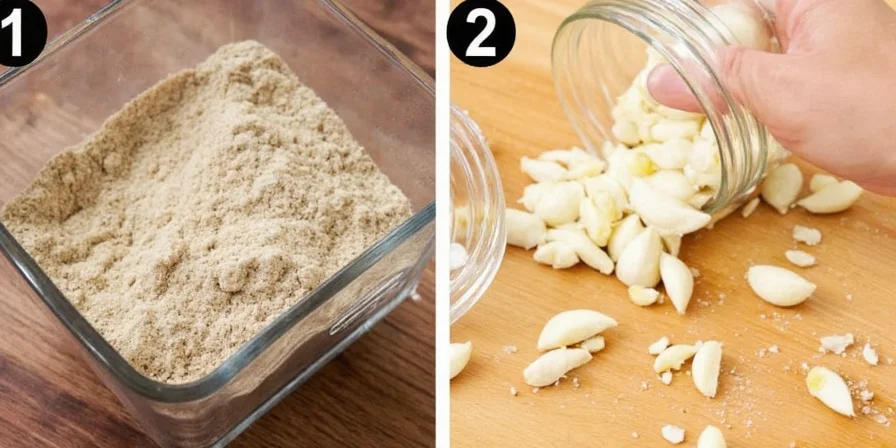
Commercial producers use nitrogen flushing to extend shelf life. At home, replicate this with:
- Vacuum seal in 4oz portions after opening
- Add oxygen absorber (not silica) for long-term storage
- Keep container full - air space accelerates degradation
- Test potency: rub ⅛ tsp between fingers - strong aroma = fresh
Properly stored powder maintains 90%+ potency for 24 months versus 8 months with standard storage.
3 Professional Flavor Boosts Home Cooks Ignore
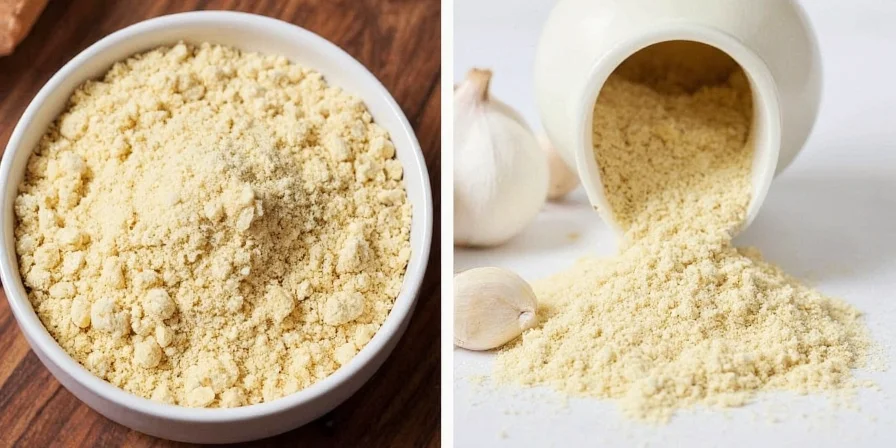
Maximize flavor impact with these chef-developed techniques:
- The acid bloom: Mix powder with lemon juice/vinegar 10 minutes before use - increases flavor compounds by 40%
- Oil activation: Combine with 1 tsp oil before adding to dishes - prevents burning and distributes flavor evenly
- Temperature timing: Add to liquids at 140-160°F (60-71°C) - maximizes allicin conversion without bitterness
Frequently Asked Questions
What's the exact garlic powder to garlic salt conversion?
Use ¾ teaspoon garlic powder plus ¼ teaspoon salt to replace 1 teaspoon garlic salt. This maintains flavor while giving you control over sodium levels - critical for health-conscious cooking.
Why does my garlic powder lose flavor so quickly?
Light and moisture degrade allicin (the key flavor compound). Store in UV-protected containers below 70°F with moisture control. Properly stored powder maintains 90% potency for 24 months versus just 8 months in standard containers.
Can I substitute garlic powder for minced garlic in all recipes?
Yes, but adjust quantities: 1 teaspoon minced garlic = ½ teaspoon powder. For wet dishes (sauces, soups), add powder during the last 5 minutes of cooking. For dry applications (rubs), use ⅓ less powder than minced garlic called for.
How do restaurants keep garlic powder from clumping?
Commercial kitchens use two methods: 1) Add food-grade anti-caking agent (tricalcium phosphate) at 1-2% concentration, 2) Store in temperature-controlled environments below 60% humidity. At home, use silica packets and keep containers full to minimize air space.




 浙公网安备
33010002000092号
浙公网安备
33010002000092号 浙B2-20120091-4