
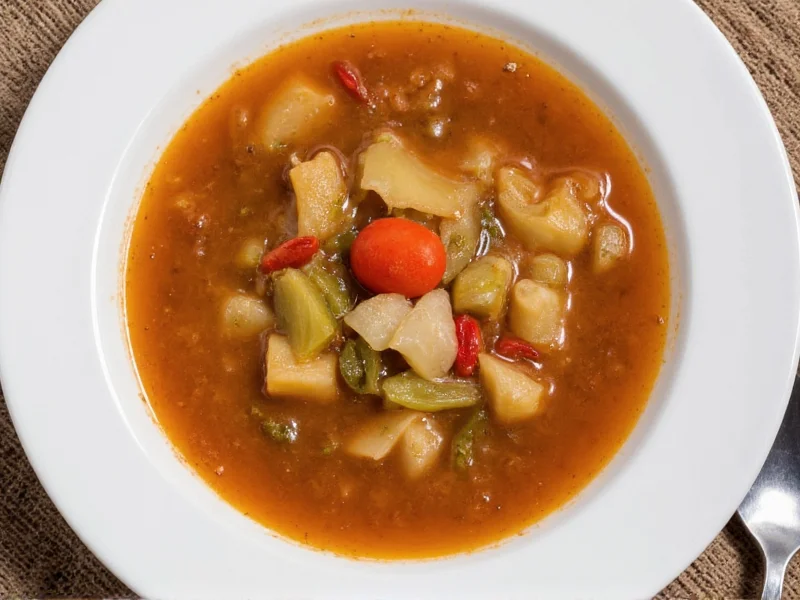
When searching for weight management solutions, many people discover the WW cabbage soup as a popular option within the Weight Watchers framework. This simple yet effective recipe has gained attention for its ability to provide satiety with minimal points value, making it an excellent choice for those following the WW program. Unlike fad cabbage soup diets that promise rapid weight loss through extreme restriction, the authentic WW version focuses on balanced nutrition within the program's points system.
Understanding WW Cabbage Soup in Modern Weight Management
The WW cabbage soup represents a significant evolution from the popular 1980s cabbage soup diet craze. While that version promoted a highly restrictive seven-day plan centered solely on cabbage soup, the contemporary WW approach integrates this recipe as one component of a comprehensive, sustainable weight management strategy. The modern interpretation emphasizes flexibility, nutritional balance, and long-term lifestyle changes rather than quick fixes.
What distinguishes the authentic WW cabbage soup from other versions is its alignment with current nutritional science and the WW points system. Each serving typically ranges from 0-2 points depending on the specific recipe variation and current WW plan version. This points calculation considers not just calories but also protein, sugar, and saturated fat content—factors that influence how satisfying and nutritionally valuable the meal is.
Nutritional Profile and Points Value
The nutritional composition of WW cabbage soup makes it an excellent choice for weight management. A standard serving (approximately 1.5 cups) typically contains:
| Nutrient | Amount per Serving | WW Points (PersonalPoints) |
|---|---|---|
| Calories | 60-80 | |
| Protein | 3-4g | |
| Total Fat | 0-1g | |
| Saturated Fat | 0g | |
| Carbohydrates | 12-15g | |
| Fiber | 3-4g | |
| Sodium | 300-500mg | |
| Vitamin C | 40-50% of DV | |
| Vitamin K | 60-70% of DV |
The points value varies slightly depending on the specific WW plan (Green, Blue, or Purple) and individual factors in the PersonalPoints system. Most standard recipes fall within the 0-2 point range per serving, making it an excellent choice for those managing their daily points budget.
Authentic WW Cabbage Soup Recipe
Creating an authentic WW cabbage soup requires simple ingredients that align with the program's nutritional philosophy. This version yields six 1.5-cup servings with approximately 1 point per serving on most WW plans:
Ingredients
- 1 large head green cabbage, chopped (about 8 cups)
- 1 large onion, diced
- 3 celery stalks, sliced
- 2 medium carrots, sliced
- 2 cloves garlic, minced
- 1 (28-ounce) can diced tomatoes, no salt added
- 6 cups low-sodium vegetable broth
- 1 bell pepper (any color), chopped
- 1 zucchini, diced
- 2 teaspoons dried basil
- 1 teaspoon dried oregano
- 1 bay leaf
- Freshly ground black pepper to taste
- 1 tablespoon apple cider vinegar or lemon juice
Preparation
- In a large pot, combine vegetable broth, garlic, and onions. Bring to a simmer over medium heat.
- Add carrots, celery, and bell pepper. Cook for 10 minutes until vegetables begin to soften.
- Stir in cabbage, tomatoes (with juice), zucchini, herbs, and bay leaf.
- Reduce heat to low, cover, and simmer for 30-40 minutes until cabbage is tender but still retains some texture.
- Remove bay leaf. Stir in apple cider vinegar or lemon juice.
- Season with black pepper to taste. Avoid adding salt to keep sodium content low.
- Serve hot, optionally garnished with fresh parsley.
How WW Cabbage Soup Fits into Sustainable Weight Management
The effectiveness of WW cabbage soup extends beyond its low points value. This recipe exemplifies several principles that support long-term weight management success:
First, the high water and fiber content creates significant volume with minimal calories—a concept known as energy density. This allows you to eat satisfying portions while staying within your points budget. Research shows that meals with lower energy density can help reduce overall calorie intake without increasing hunger.
Second, the variety of vegetables provides a spectrum of vitamins, minerals, and phytonutrients that support overall health during weight loss. Unlike restrictive fad diets, this approach ensures you're nourishing your body while managing your weight.
Third, the soup's preparation method preserves nutrients better than many processed convenience foods. The gentle simmering extracts flavors while maintaining the integrity of heat-sensitive nutrients.
Evidence-Based Benefits and Realistic Expectations
While some online sources make exaggerated claims about cabbage soup's weight loss properties, the reality is more nuanced. Scientific evidence doesn't support the idea that any single food can magically burn fat. However, incorporating nutrient-dense, low-point foods like WW cabbage soup can certainly support weight management efforts.
A 2022 review published in the Journal of Nutrition Education and Behavior found that soup consumption was associated with lower body weight and reduced risk of obesity, likely due to increased satiety from the liquid volume and fiber content. The researchers noted that broth-based vegetable soups, in particular, showed promise as part of comprehensive weight management strategies.
It's important to understand that WW cabbage soup should be viewed as one component of a balanced approach—not a standalone solution. The most successful weight management occurs when such recipes are incorporated into an overall pattern of healthy eating, regular physical activity, and behavior changes.
Customizing Your WW Cabbage Soup
One of the strengths of this recipe is its adaptability to personal preferences and nutritional needs. Consider these healthy modifications:
- Protein boost: Add 1 cup of cooked lentils or 12 ounces of shredded chicken breast (3-4 points additional per serving)
- Spice variations: Try adding cumin and smoked paprika for a southwestern twist, or ginger and turmeric for an anti-inflammatory boost
- Extra vegetables: Incorporate mushrooms, spinach, or kale during the last 10 minutes of cooking
- Flavor enhancement: Add a Parmesan rind while simmering for umami depth (remove before serving; adds minimal points)
- Low-sodium option: Use homemade vegetable broth and increase herbs for flavor without added salt
When customizing your weight watchers cabbage soup recipe, remember to adjust points values accordingly using the WW app or points calculator. Most additions will have minimal impact on the overall points value while significantly enhancing flavor and nutrition.
Common Misconceptions About Cabbage Soup and Weight Loss
Several myths persist about cabbage soup and weight loss that deserve clarification:
Myth: Cabbage soup alone can cause significant fat loss
Reality: Any rapid weight loss on restrictive cabbage soup diets primarily represents water weight and muscle loss, not sustainable fat reduction.
Myth: The cabbage itself has special fat-burning properties
Reality: While cabbage is nutritious, no single food can target fat loss. Weight management results from overall calorie balance and lifestyle factors.
Myth: You must eat only cabbage soup for days to see results
Reality: The authentic WW approach incorporates cabbage soup as one option among many balanced meals, supporting sustainable habits rather than extreme restriction.
Understanding these distinctions helps set realistic expectations for incorporating ww cabbage soup into a healthy lifestyle rather than viewing it as a quick fix.
Making WW Cabbage Soup Part of Your Routine
For those following the Weight Watchers program, incorporating cabbage soup can be both practical and enjoyable. Consider these strategies:
- Prepare a large batch on weekends for easy weekday meals
- Freeze individual portions for quick access during busy weeks
- Pair with a small side salad or whole grain roll for a complete meal
- Use as a satisfying starter before main courses to help control portion sizes
- Experiment with different vegetable combinations based on seasonal availability
Remember that variety remains important for long-term adherence to any eating pattern. While ww cabbage soup makes an excellent option, rotate it with other vegetable-based soups and recipes to ensure a broad spectrum of nutrients and prevent flavor fatigue.
Conclusion: A Sustainable Approach to Weight Management
The authentic WW cabbage soup represents a thoughtful approach to weight management that prioritizes nutrition, satisfaction, and sustainability over quick fixes. When prepared according to Weight Watchers principles, this simple recipe delivers a nutrient-dense, low-point meal that supports overall health while helping manage weight.
Unlike the restrictive cabbage soup diets of the past, the modern WW interpretation recognizes that lasting change comes from balanced eating patterns, not extreme restriction. By incorporating this versatile recipe as part of a comprehensive approach that includes various foods, physical activity, and behavior strategies, you can enjoy the benefits of this classic dish without falling for unrealistic promises.
Frequently Asked Questions
How many points is WW cabbage soup on the current Weight Watchers program?
Most authentic WW cabbage soup recipes range from 0-2 points per serving depending on the specific WW plan (Green, Blue, or Purple) and individual factors in the PersonalPoints system. The exact value depends on ingredients used and portion size, but standard recipes typically fall at 1 point per 1.5-cup serving on most plans.
Can I eat WW cabbage soup every day as part of my weight loss plan?
While WW cabbage soup is a healthy, low-point option, eating only this soup daily would not provide balanced nutrition. The modern WW program encourages variety, so enjoy cabbage soup as one component of your weekly meal plan alongside other protein sources, whole grains, and diverse vegetables for optimal nutrition and sustainable weight management.
How long does homemade WW cabbage soup stay fresh in the refrigerator?
Properly stored in an airtight container, WW cabbage soup will stay fresh in the refrigerator for 4-5 days. The flavors often improve after the first day as the ingredients meld together. For longer storage, freeze individual portions in freezer-safe containers for up to 3 months—thaw overnight in the refrigerator before reheating.
Is the WW cabbage soup recipe different from the old cabbage soup diet?
Yes, there's a significant difference. The old cabbage soup diet was a restrictive 7-day plan where you ate mostly cabbage soup, leading to temporary water weight loss. The authentic WW cabbage soup is a single recipe designed to fit within the balanced WW program, emphasizing variety, nutrition, and sustainable habits rather than extreme restriction.
Can I add meat to my WW cabbage soup without significantly increasing the points value?
Yes, you can add lean proteins with minimal points impact. Consider adding 4 ounces of shredded chicken breast (approximately 1-2 additional points per serving) or 1 cup of cooked lentils (about 2 points total for the entire pot). These additions increase protein content, making the soup more satisfying while keeping it within reasonable points values for a complete meal.




 浙公网安备
33010002000092号
浙公网安备
33010002000092号 浙B2-20120091-4