
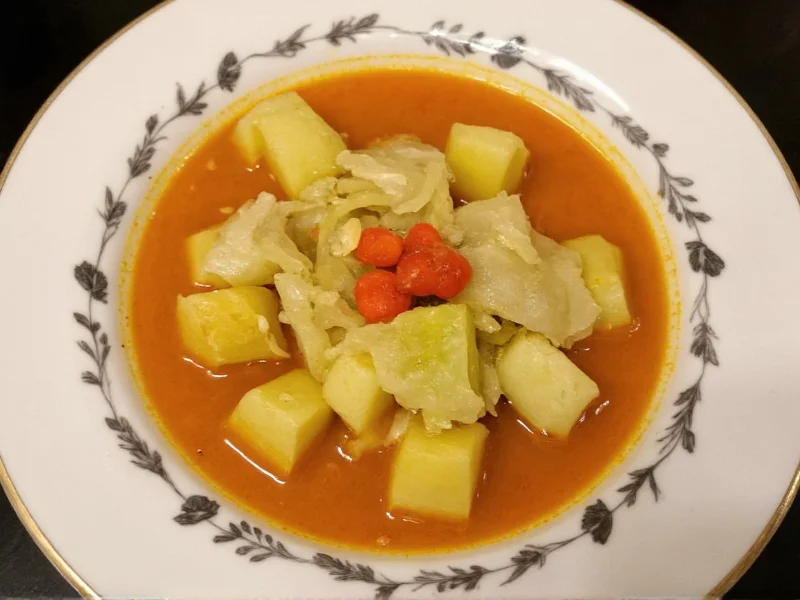
The Complete Guide to Weight Watchers Cabbage Soup
For decades, cabbage soup has been a staple in weight management programs, particularly within the Weight Watchers framework. Unlike fad diets that promise rapid weight loss through extreme restriction, the WW cabbage soup recipe offers a sustainable approach to incorporating nutrient-rich, low-point foods into your regular eating pattern. This isn't a "cabbage soup diet" for quick fixes but rather a wholesome recipe that fits seamlessly into the Weight Watchers lifestyle.
Why Cabbage Soup Works in Weight Management
Cabbage serves as the foundation of this recipe for compelling nutritional reasons. One cup of chopped cabbage contains just 22 calories yet delivers 2 grams of fiber and significant amounts of vitamins C and K. When combined with other low-point vegetables, the resulting soup creates a high-volume meal that promotes satiety without excessive calorie intake. The water-rich vegetables increase the soup's volume while keeping the energy density low—a key principle in sustainable weight management.
Authentic WW Cabbage Soup Recipe
This updated Weight Watchers cabbage soup recipe follows current SmartPoints guidelines while maintaining the traditional flavor profile. Unlike outdated versions that restrict other foods, this recipe is designed to complement a balanced WW meal plan.
Ingredients
- 1 large head green cabbage, chopped (0 SP)
- 2 carrots, sliced (0 SP)
- 2 celery stalks, chopped (0 SP)
- 1 large onion, diced (0 SP)
- 2 cloves garlic, minced (0 SP)
- 1 (28-ounce) can diced tomatoes, no salt added (2 SP)
- 6 cups low-sodium vegetable broth (0 SP)
- 1 teaspoon dried basil
- 1 teaspoon dried oregano
- 1 bay leaf
- Salt and pepper to taste
Preparation Instructions
- In a large pot, combine all vegetables and broth
- Bring to a boil, then reduce heat to low
- Cover and simmer for 30-40 minutes until vegetables are tender
- Remove bay leaf before serving
- Season with herbs, salt, and pepper to taste
Yield and Serving Information
This recipe makes approximately 8 servings (1.5 cups each). Each serving contains:
| Nutrient | Per Serving |
|---|---|
| Calories | 65 |
| Total Fat | 0.3g |
| Carbohydrates | 15g |
| Dietary Fiber | 4g |
| Protein | 3g |
| Vitamin C | 60% DV |
| SmartPoints (Blue Plan) | 0 |
| SmartPoints (Green Plan) | 1 |
Maximizing Your WW Cabbage Soup Experience
While the basic recipe delivers excellent nutritional value, these professional tips enhance both flavor and weight management benefits:
- Add protein for balance: Stir in 3 ounces of shredded chicken breast (2 SmartPoints) per serving to increase satiety
- Boost flavor without points: Add fresh herbs like parsley or dill after cooking for enhanced taste with zero points impact
- Freeze for convenience: Portion cooled soup into freezer-safe containers for quick, healthy meals
- Customize for preferences: Add bell peppers or zucchini for additional vegetable variety within your points budget
- Avoid common mistakes: Don't add high-point ingredients like bacon or excessive oil that transform this healthy recipe into a high-calorie meal
Understanding Cabbage Soup in Modern Weight Watchers
Many people confuse the traditional Weight Watchers cabbage soup recipe with the outdated "cabbage soup diet" that promoted eating only soup for seven days. Current Weight Watchers methodology emphasizes balanced nutrition and sustainable habits rather than extreme restriction. This cabbage soup serves as one component of a varied eating pattern that includes all food groups.
The beauty of this recipe lies in its flexibility across different Weight Watchers plans. On the Blue plan, the base recipe qualifies as a ZeroPoint food, while the Green plan assigns minimal points. This adaptability makes it an excellent choice regardless of which WW plan you follow. When prepared without added fats or high-sodium ingredients, this soup delivers maximum nutritional value with minimal points cost.
Storage and Meal Planning Tips
Proper storage maintains both quality and safety of your homemade cabbage soup:
- Refrigerate in airtight containers for up to 5 days
- Freeze portions for up to 3 months (thaw overnight in refrigerator)
- Reheat gently on stove to preserve texture and nutrients
- Consider making a double batch for convenient meal prep
When incorporating this soup into your weekly meal plan, pair it with appropriate protein sources and additional vegetables to create complete, satisfying meals that align with your weight management goals. The high water content and fiber promote fullness, helping you stay within your daily points target while enjoying flavorful food.
Frequently Asked Questions
How many Weight Watchers points is cabbage soup?
A standard serving (1.5 cups) of basic WW cabbage soup ranges from 0-1 SmartPoints depending on your plan. On the Blue plan, the vegetable-based recipe typically qualifies as a ZeroPoint food, while the Green plan assigns 1 point per serving. The exact value depends on specific ingredients and portion size.
Can I customize the WW cabbage soup recipe without increasing points?
Yes, you can enhance flavor without adding points by incorporating additional non-starchy vegetables like mushrooms, spinach, or green beans. Fresh herbs (parsley, basil, cilantro), vinegar, lemon juice, and spices also add flavor with zero points impact. Avoid adding oils, butter, or high-starch vegetables to maintain the low-point value.
How does cabbage soup support weight loss in the Weight Watchers program?
Cabbage soup supports weight management through high volume and low energy density. The water-rich vegetables create a large portion size with minimal calories, promoting satiety. With approximately 65 calories per serving and 4 grams of fiber, it helps control hunger while providing essential nutrients. When incorporated as part of a balanced eating pattern, it contributes to sustainable calorie reduction without feelings of deprivation.
Is the WW cabbage soup recipe suitable for meal prep?
Absolutely. This cabbage soup recipe freezes exceptionally well, making it ideal for meal preparation. Store portions in airtight containers in the refrigerator for up to 5 days or freeze for up to 3 months. The flavors often improve after sitting as the ingredients meld together. When reheating, add a small amount of broth if needed to restore the desired consistency.
What's the difference between the WW cabbage soup recipe and the old cabbage soup diet?
The authentic Weight Watchers cabbage soup recipe is designed as one component of a balanced eating pattern, while the outdated "cabbage soup diet" promoted eating only soup for seven consecutive days. Modern WW methodology emphasizes variety, balance, and sustainability rather than extreme restriction. The WW version focuses on incorporating nutrient-dense foods within your personalized points budget rather than eliminating entire food groups.




 浙公网安备
33010002000092号
浙公网安备
33010002000092号 浙B2-20120091-4