
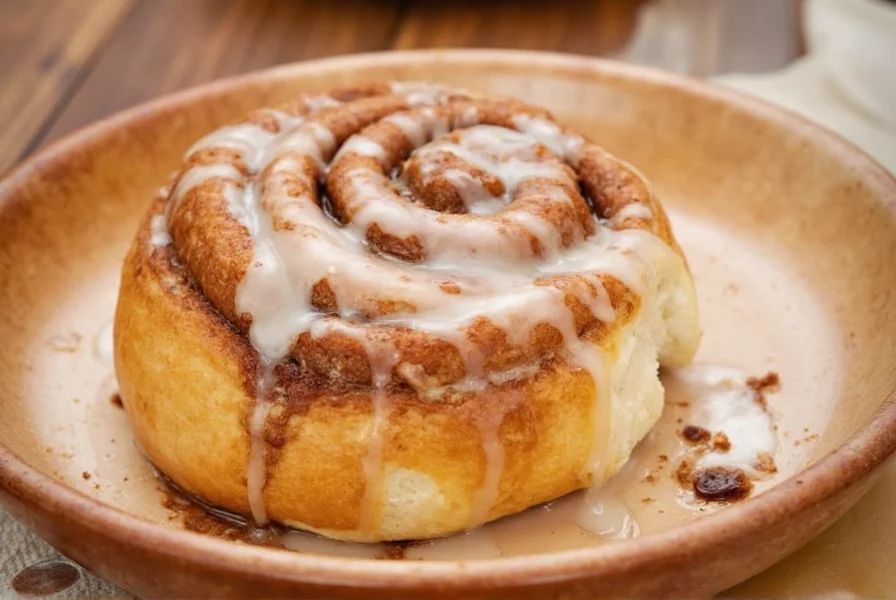
When searching for the world's best cinnamon rolls, it's essential to understand that “best” is inherently subjective. What makes cinnamon rolls exceptional varies based on cultural background, personal taste preferences, and regional baking traditions. Rather than declaring a single winner, we'll explore what characteristics define truly outstanding cinnamon rolls and where you might find them.
What Defines Exceptional Cinnamon Rolls
The quest for the world's best cinnamon rolls begins with understanding the elements that contribute to an exceptional experience. Professional bakers and culinary experts agree on several key components that separate ordinary rolls from extraordinary ones.
Dough Texture and Structure
The foundation of any great cinnamon roll is the dough. The best cinnamon roll recipe for soft texture typically features:
- Proper gluten development for that signature pull-apart quality
- Optimal hydration level (usually 60-65%) for tenderness without being dense
- Appropriate proofing time to develop flavor while maintaining structure
- Use of quality fats like European-style butter for richer flavor
The Perfect Cinnamon-Sugar Filling Ratio
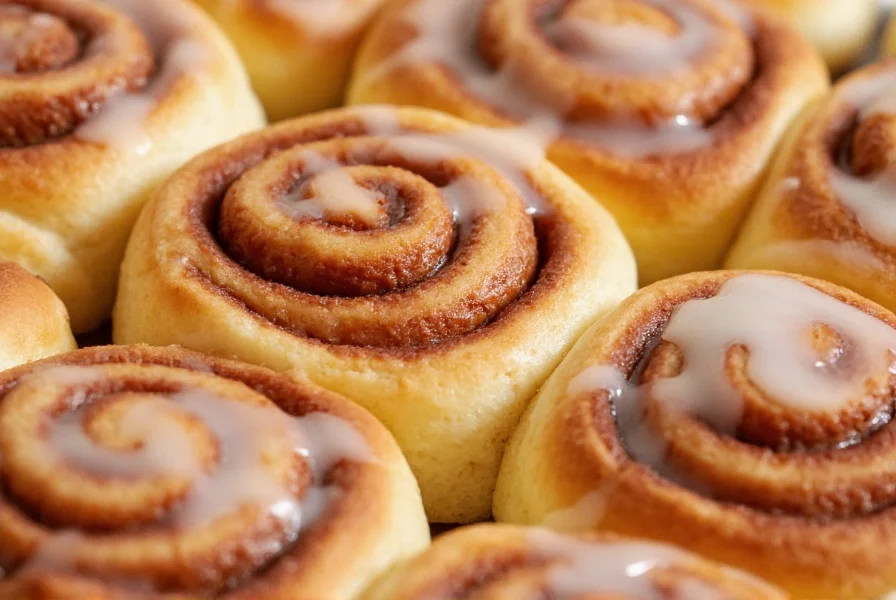
What makes professional cinnamon rolls better often comes down to the filling ratio. The ideal cinnamon roll maintains a 3:1 ratio of dough to filling, ensuring each bite contains just enough spice without overwhelming the delicate bread structure. Top bakers use:
- High-quality Saigon or Ceylon cinnamon for distinct flavor profiles
- Properly balanced sugar mixture (often including brown sugar for moisture)
- Strategic butter application to prevent sogginess while ensuring flavor distribution
Global Cinnamon Roll Traditions
Cinnamon rolls appear in various forms across different cultures, each with unique characteristics that reflect local tastes and ingredients. Understanding these variations helps explain why there's no single “world's best” version.
| Regional Variation | Distinctive Features | Notable Locations |
|---|---|---|
| Scandinavian Kanelbulle | Dryer texture, pearl sugar topping, cardamom in dough | Sweden, Norway, Denmark |
| American Cinnabon-style | Extremely sweet, dense filling, cream cheese icing | United States, global franchises |
| Mexican Conchas | Sweet bread base, decorative sugar topping | Mexico, Southwest US |
| German Zimtschnecke | Denser dough, nut-filled variations, less icing | Germany, Austria |
Famous Bakeries Known for Exceptional Cinnamon Rolls
While declaring an absolute “world's best cinnamon rolls” is impossible, certain establishments have gained international recognition for their exceptional interpretations:
Nordic Excellence
In Sweden, bakeries like Vete-Katten in Stockholm have perfected the traditional kanelbulle, serving rolls that embody Swedish fika culture. These rolls feature a drier texture that holds up well with coffee, with cardamom subtly enhancing the cinnamon flavor.
American Innovations
In the United States, bakeries such as Hot Cakes in Seattle and Levain Bakery in New York have developed cult followings. Their approach to how to make bakery-style cinnamon rolls at home often involves techniques like overnight fermentation and carefully calibrated fillings that prevent common issues like filling leakage during baking.
Professional Techniques for Perfect Cinnamon Rolls
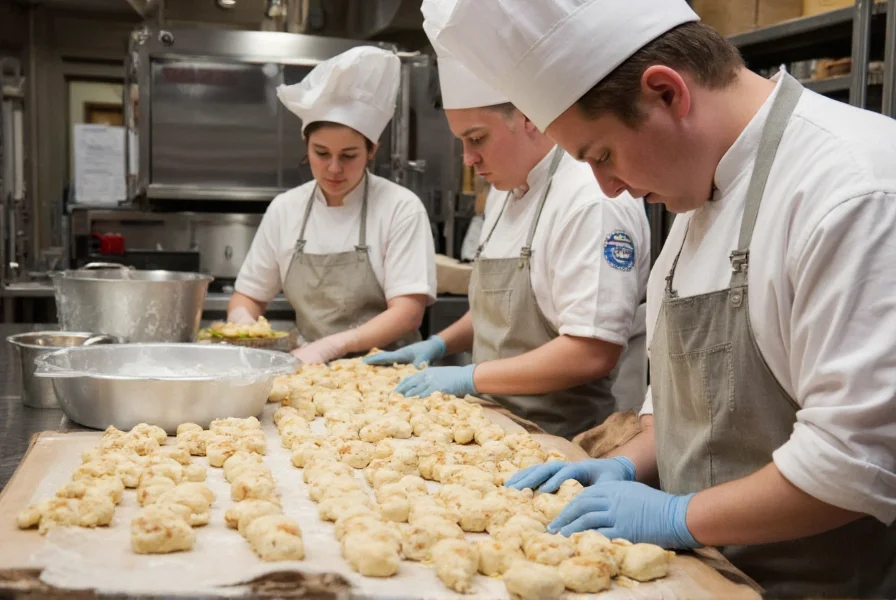
Understanding cinnamon roll icing secrets from professional bakers reveals why homemade versions often fall short of bakery quality. The most successful recipes incorporate these techniques:
Dough Development Secrets
Professional bakers typically use a combination of autolyse (resting flour and water before adding other ingredients) and controlled fermentation to develop flavor without compromising texture. The best cinnamon roll recipe for soft texture often includes tangzhong (a cooked flour-water paste) which dramatically improves moisture retention.
Filling Application Methods
Rather than simply spreading filling across the dough, top bakeries use precise layering techniques. Many apply butter first, then a thin layer of sugar, followed by cinnamon, creating distinct flavor layers rather than a homogeneous mixture that can make the roll soggy.
Icing Formulation Science
Cinnamon roll icing secrets from professional bakers often involve balancing fat content, sugar crystallization, and moisture. The ideal icing maintains its structure without becoming runny, adheres to the roll without sliding off, and complements rather than overwhelms the cinnamon flavor.
How to Evaluate Cinnamon Rolls Like a Professional
When determining what makes professional cinnamon rolls better, consider these objective criteria:
- Texture balance: The roll should pull apart easily but maintain structure
- Flavor distribution: Cinnamon should be present throughout, not just in pockets
- Moisture content: Neither dry nor soggy, with icing that complements rather than saturates
- Aroma: Distinct cinnamon scent that enhances the eating experience
- Temperature: Served at optimal temperature (typically just warm, not hot)
Common Cinnamon Roll Mistakes to Avoid
Even experienced home bakers often make these critical errors when attempting to create the world's best cinnamon rolls:
- Overfilling with cinnamon mixture, causing structural issues during baking
- Using low-quality cinnamon that lacks depth of flavor
- Rolling the dough too tightly, resulting in dense centers
- Applying icing while rolls are too hot, causing it to melt into the dough
- Under-proofing, which prevents proper rise and texture development
Finding Your Personal “Best” Cinnamon Rolls
Rather than searching for a universally agreed-upon “world's best cinnamon rolls,” focus on identifying what characteristics matter most to your personal taste. Do you prefer:
- A drier Scandinavian-style roll or a moist American version?
- Subtle cinnamon notes or an intense spice experience?
- Cream cheese icing or a simpler powdered sugar glaze?
- Traditional recipes or innovative flavor combinations?
Understanding your preferences will lead you to your personal “best,” which is ultimately more valuable than any universal ranking. The most satisfying cinnamon roll experience comes from finding the version that perfectly matches your taste preferences and occasion.




 浙公网安备
33010002000092号
浙公网安备
33010002000092号 浙B2-20120091-4