
For chili enthusiasts and culinary adventurers, the quest for the world's hottest pepper represents both a scientific challenge and a test of endurance. The measurement of pepper heat isn't just about bragging rights—it involves precise scientific methodology and has real implications for food safety and consumption.
Understanding Pepper Heat Measurement
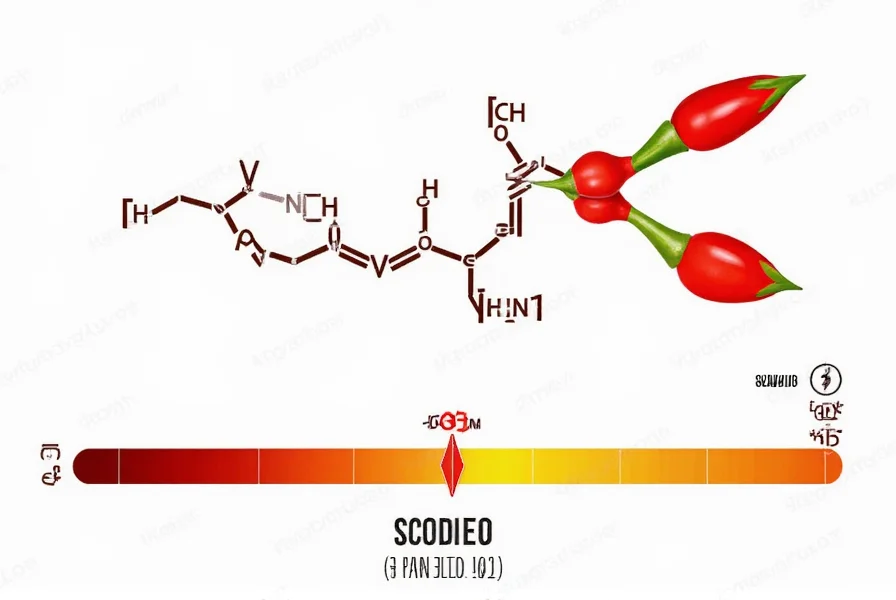
The Scoville scale, developed by pharmacist Wilbur Scoville in 1912, remains the standard for measuring chili pepper heat. Originally relying on human taste testers, modern laboratories now use high-performance liquid chromatography (HPLC) to precisely measure capsaicinoid concentrations—the compounds responsible for heat in peppers.
It's important to note that heat levels can vary significantly based on growing conditions, soil composition, and climate. Even within the same pepper variety, individual specimens can show considerable variation in their Scoville Heat Unit ratings.
Pepper X: The Current Champion
Pepper X dethroned the Carolina Reaper after more than a decade of dominance. Developed over ten years by Ed Currie in South Carolina, this pepper achieved official recognition from Guinness World Records in October 2023. The verified measurement of 2,693,000 SHU represents an average of multiple specimens, with some individual peppers reportedly testing even higher.
Unlike many super-hot peppers that feature distinctive shapes, Pepper X has a relatively unassuming appearance—small, wrinkled, and typically between 1-2 inches in length. Its color matures from green to a deep red, similar to many other chili varieties. This visual modesty contrasts dramatically with its extreme heat profile.
Historical Progression of World's Hottest Peppers
The journey to extreme heat has been steadily progressing over the past two decades. Here's a timeline of verified record holders:
| Pepper Variety | Peak SHU Rating | Year Verified | Developer |
|---|---|---|---|
| Pepper X | 2,693,000 | 2023 | Ed Currie (PuckerButt) |
| Carolina Reaper | 2,200,000 | 2013 | Ed Currie (PuckerButt) |
| Trinidad Moruga Scorpion | 2,009,231 | 2012 | Unknown |
| Naga Viper | 1,382,118 | 2010 | Gerald Fowler |
Source: Official verification methodology and historical data maintained by Guinness World Records (Guinness World Records: Hottest Chili Pepper). All entries require independent laboratory testing via HPLC analysis with results averaged across multiple specimens.
This progression demonstrates how selective breeding has dramatically increased capsaicin concentrations. Each new record holder typically surpasses its predecessor by 20-30%, reflecting increasingly sophisticated cultivation techniques validated through standardized testing protocols.
Physiological Effects of Extreme Heat
Consuming peppers at the extreme end of the Scoville scale triggers significant physiological responses. The body reacts to capsaicin as if it were actual heat or physical damage, activating pain receptors throughout the digestive tract.
Documented effects of consuming Pepper X and similar super-hots include:
- Immediate burning sensation throughout the mouth and throat
- Profuse sweating and facial flushing
- Nasal discharge and watery eyes
- Temporary difficulty breathing
- In extreme cases, temporary loss of consciousness
Medical professionals warn that consuming these peppers without proper preparation can lead to esophageal damage, stomach ulcers, and in rare cases, more serious complications. The world's hottest pepper 2024 continues to push boundaries that challenge human physiology.
Safety Guidelines for Handling Super-Hot Peppers
Working with the highest scoville rating pepper requires serious precautions. Capsaicin oils can cause severe irritation to skin and eyes, and the risk increases dramatically with peppers like Pepper X.
Essential safety measures include:
- Always wear nitrile gloves (latex won't protect against capsaicin)
- Use protective eyewear to prevent accidental contact
- Work in well-ventilated areas to avoid inhaling capsaicin particles
- Never touch your face while handling super-hots
- Have dairy products (milk, yogurt) readily available to neutralize heat
- Store peppers securely away from children and pets
These safety protocols are not merely recommendations but are grounded in occupational health standards. The Centers for Disease Control and Prevention (CDC) classifies capsaicin as a hazardous substance that can cause severe skin and eye irritation, mandating specific protective measures in professional settings (NIOSH Pocket Guide). Additionally, the American College of Gastroenterology cautions that consumption of super-hot peppers may exacerbate conditions such as gastroesophageal reflux disease (GERD) and should be avoided by individuals with sensitive digestive systems (GERD Patient Information).
Many amateur enthusiasts underestimate how pepper x vs carolina reaper heat levels require dramatically different safety protocols. Even minuscule amounts of capsaicin oil can cause significant discomfort.
Common Misconceptions About Super-Hot Peppers
The world of extreme chili peppers is rife with misinformation. Many viral videos claim to feature peppers far hotter than Pepper X, but lack proper verification.
Key facts to understand:
- Guinness World Records requires multiple laboratory tests for verification
- "Dragon's Breath" and similar peppers often cited online lack official verification
- Heat levels claimed in informal settings are typically exaggerated
- Proper Scoville measurement requires professional laboratory equipment
When researching how hot is the world's hottest pepper, always look for documentation from reputable sources rather than anecdotal claims. The scientific measurement process eliminates subjectivity and provides reliable data.
Practical Applications and Contextual Constraints
While super-hot peppers offer unique benefits, their extreme potency requires careful consideration of usage contexts and limitations. Each application has specific constraints that must be respected for safety and effectiveness:
- Culinary use: Requires extreme dilution (1:10,000 ratio) to prevent tissue damage. The FDA Food Code §3-502.15 prohibits direct consumer access to undiluted super-hots in food service settings due to burn risks.
- Pharmaceutical applications: Capsaicin concentrations above 0.1% require medical supervision. The European Medicines Agency restricts topical formulations to ≤8% concentration for pain relief patches (EMA Capsaicin Assessment).
- Agricultural use: Effective as pest deterrents below 5,000 SHU; higher concentrations damage beneficial insects. USDA guidelines limit field application rates to prevent ecosystem disruption (USDA Capsaicin Research).
Chefs and manufacturers must balance potency with safety, often using precision scales to measure ingredients in milligrams rather than standard cooking measurements.




 浙公网安备
33010002000092号
浙公网安备
33010002000092号 浙B2-20120091-4