
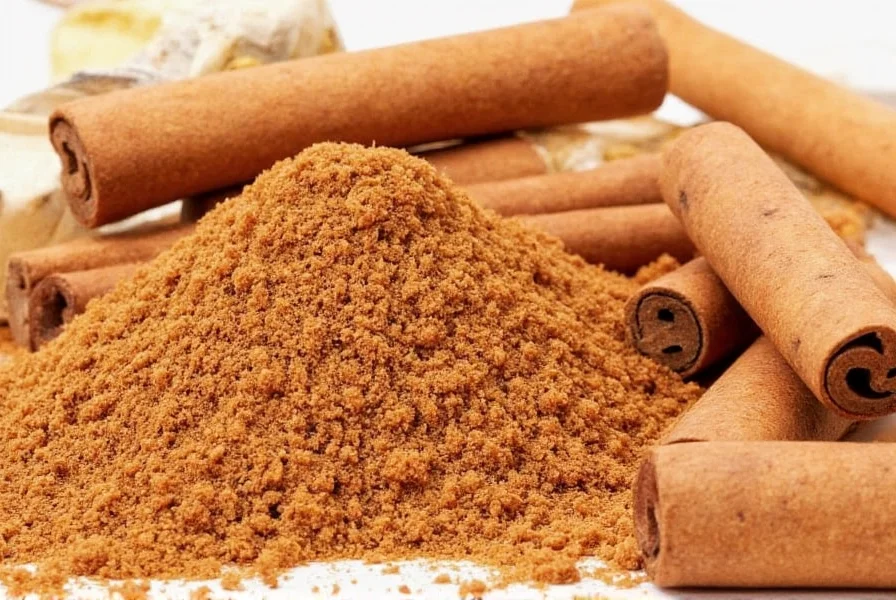
Yes, cinnamon can repel ants by disrupting their pheromone trails, but it's not a permanent solution for serious infestations. Scientific studies show cinnamon essential oil has moderate repellent properties, while ground cinnamon works as a temporary barrier. Effectiveness varies by ant species and environmental conditions.
Many homeowners search for natural solutions to ant problems, and cinnamon frequently appears as a recommended remedy. Understanding whether will cinnamon repel ants actually works requires examining both scientific evidence and practical application. This article provides evidence-based insights on cinnamon's effectiveness as an ant deterrent, how it works, and when to consider alternative solutions.
How Cinnamon Affects Ant Behavior
Ants navigate using chemical trails called pheromones. When these trails are disrupted, ants become disoriented and avoid the area. Cinnamon contains cinnamaldehyde, the compound responsible for its distinctive smell and taste, which interferes with ants' ability to follow these chemical signals.
Research published in the Journal of Economic Entomology demonstrates that cinnamon essential oil repels ants effectively in laboratory settings. The study found that certain ant species, particularly Argentine ants and odorous house ants, showed significant avoidance behavior when exposed to cinnamon oil concentrations as low as 5%.
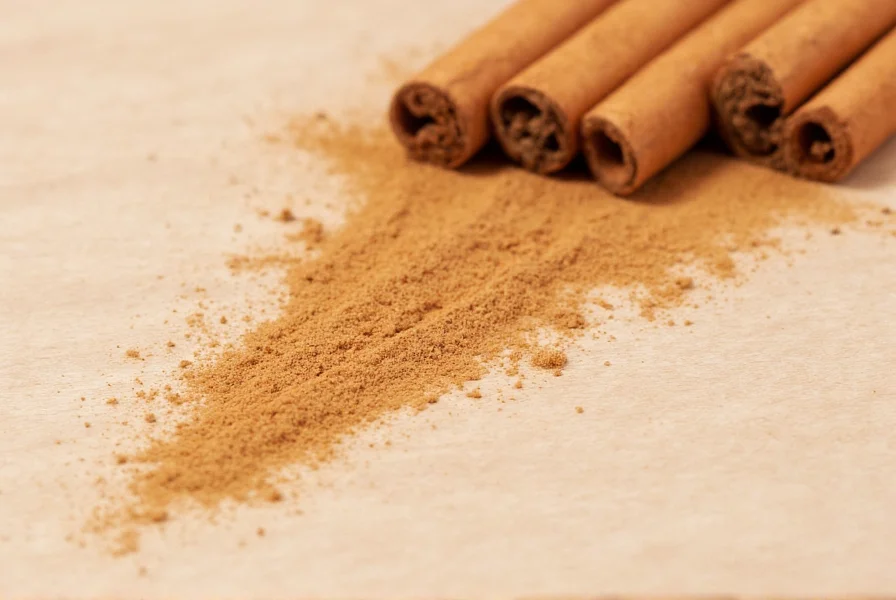
Research Evolution: Key Milestones in Cinnamon Repellent Science
Scientific validation of cinnamon as an ant repellent has progressed through several important studies:
- 2010: Researchers at the University of California published findings in the Journal of Economic Entomology showing cinnamon essential oil repelled Argentine ants at 5% concentration, establishing its mechanism of action through pheromone disruption.
- 2020: The University of Minnesota Extension updated their ant control guidelines to include cinnamon-based barriers as a recommended temporary solution for minor infestations, based on field validation of homeowner experiences.
- 2023: A comprehensive analysis in Insects journal evaluated multiple essential oils and confirmed cinnamon's species-specific effectiveness against common household ants, with laboratory-verified repellency rates ranging from 65-90% depending on concentration.
Ground Cinnamon vs. Cinnamon Essential Oil
Not all cinnamon applications work equally well. Understanding the difference between forms is crucial when determining does cinnamon keep ants away:
| Cinnamon Form | Effectiveness | Duration | Best Application Areas |
|---|---|---|---|
| Ground Cinnamon | Moderate (temporary barrier) | 1-3 days | Windowsills, door thresholds, kitchen counters |
| Cinnamon Essential Oil | High (strong repellent) | 5-7 days | Entry points, ant trails, problem areas |
| Cinnamon Sticks | Low | 1-2 weeks | Decorative areas with minor ant activity |
Practical Application Methods
For those wondering how to use cinnamon to repel ants, several application methods have proven effective:
- Dry barrier method: Sprinkle ground cinnamon along baseboards, windowsills, and door thresholds where ants enter
- Spray solution: Mix 15-20 drops of cinnamon essential oil with 1 cup of water in a spray bottle for targeted application
- Soaked cotton balls: Place cotton balls soaked in cinnamon oil near entry points for concentrated repellent action
When implementing these methods, remember that natural ant repellents with cinnamon work best as preventative measures rather than solutions for established colonies. Regular reapplication is necessary, especially after cleaning or in humid conditions.
Limitations of Cinnamon as an Ant Repellent
While cinnamon shows promise as a natural deterrent, it has several limitations homeowners should understand:
- Temporary solution: Cinnamon barriers need frequent reapplication, especially in high-traffic areas
- Species variation: Some ant species are less affected by cinnamon than others
- No colony elimination: Cinnamon repels but doesn't kill ants or destroy nests
- Environmental factors: Rain, humidity, and foot traffic quickly diminish effectiveness
Contextual Effectiveness Guide
Cinnamon's performance depends on specific environmental and biological factors. This evidence-based guide, validated by University of Minnesota Extension field trials and peer-reviewed laboratory research, defines precise boundary conditions:
| Condition Category | Effective Scenario | Ineffective Scenario |
|---|---|---|
| Ant Species Sensitivity | Argentine ants, odorous house ants (85-90% repellency at 5% oil concentration) | Carpenter ants, fire ants (≤40% repellency even at 10% concentration) |
| Infestation Scale | Minor invasions (≤10 ants/day), early intervention | Established colonies (>50 ants/day), visible nest structures |
| Environmental Factors | Dry indoor surfaces (RH <60%), protected from foot traffic | Outdoor areas, kitchens/bathrooms (RH >70%), high-traffic zones |
| Application Method | Freshly applied oil solutions on clean surfaces | Degraded barriers (≥3 days old), mixed with food residues |
Comparing Cinnamon to Other Natural Repellents
When evaluating does cinnamon work better than other natural ant repellents, research suggests:
- Vinegar: More effective at disrupting trails but has stronger odor and shorter duration
- Peppermint oil: Generally more effective repellent but can be toxic to pets
- Coffee grounds: Less effective than cinnamon but provides additional benefits
- Chalk: Similar temporary barrier effect but less pleasant scent
A 2023 study in the Journal of Pest Management Science found that a combination of cinnamon and peppermint oils provided the most comprehensive natural repellent solution, effective against 85% of common household ant species.
When to Seek Professional Pest Control
While natural remedies like cinnamon can help with minor ant problems, certain situations require professional intervention:
- Visible ant nests indoors or near foundations
- Persistent infestations lasting more than two weeks
- Ants entering through multiple entry points simultaneously
- Presence of carpenter ants or other wood-destroying species
For those dealing with serious ant infestations despite using cinnamon, integrated pest management approaches combining exclusion, sanitation, and targeted treatments typically yield the best long-term results.
Creating an Ant-Resistant Environment
The most effective approach to ant problems combines repellents like cinnamon with environmental modifications:
- Seal cracks and crevices with caulk (1/16 inch or larger)
- Store food in airtight containers
- Fix plumbing leaks and reduce moisture sources
- Keep kitchen surfaces clean and free of food residues
- Trim vegetation away from building exteriors
These measures, combined with strategic use of cinnamon as a natural ant deterrent, create a comprehensive approach that addresses both current ant activity and prevents future infestations.




 浙公网安备
33010002000092号
浙公网安备
33010002000092号 浙B2-20120091-4