

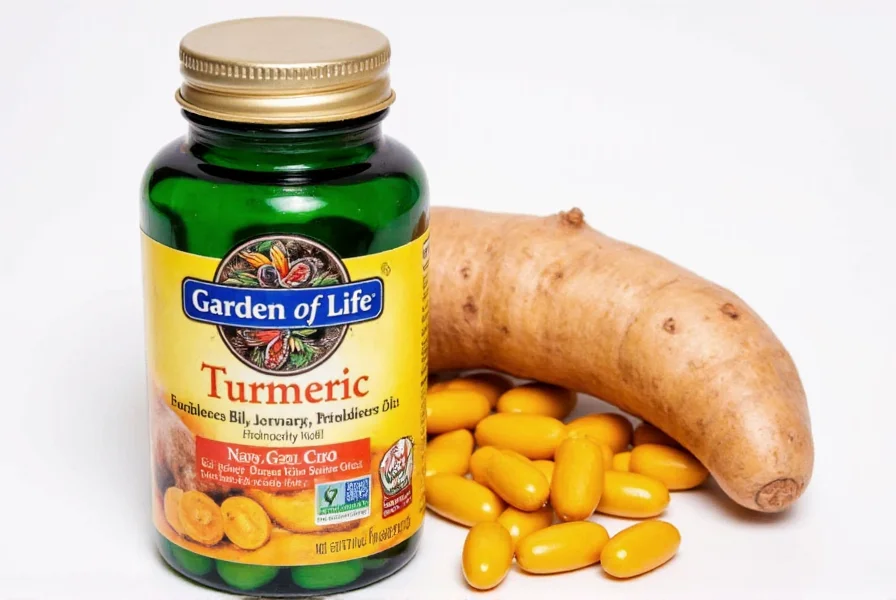
When evaluating turmeric supplements, quality markers matter significantly. Garden of Life offers several turmeric formulations that have gained attention for their organic certification and transparent labeling practices. This analysis examines what sets these products apart in a crowded supplement market while focusing on evidence-based information consumers need.
Understanding Garden of Life Turmeric Formulations
Garden of Life produces multiple turmeric products, with their Raw Turmeric line being among the most recognized. Unlike many competitors, these supplements emphasize whole-food ingredients rather than isolated compounds. The standard formulation delivers 1,000 mg of organic turmeric root extract containing 950 mg of curcuminoids—the active compounds responsible for turmeric's studied benefits.
What distinguishes Garden of Life turmeric supplements is their commitment to organic certification through the USDA. This matters because turmeric root readily absorbs soil contaminants, making organic cultivation essential for purity. Their products avoid common fillers like magnesium stearate and artificial additives that some budget supplements include.
Evolution of Turmeric Supplement Standards: A Timeline
The quality benchmarks for turmeric supplements have evolved through distinct regulatory and scientific phases. This historical progression explains why modern premium formulations like Garden of Life's prioritize specific quality markers:
- Pre-2010 Era: Turmeric supplements entered the U.S. market with inconsistent standardization (curcuminoid content often below 70%) and minimal contaminant testing. The FDA's 2007 warning about lead-contaminated turmeric highlighted critical safety gaps [1].
- 2010-2015 Standardization Phase: The American Botanical Council established minimum curcuminoid thresholds (95%), while studies like Hewlings & Kalman's 2017 review in Foods validated bioavailability challenges requiring piperine enhancement [2].
- 2016-2020 Verification Expansion: Third-party testing became critical after USP's 2018 analysis revealed 30% of supplements failed label-claim verification. NSF International expanded Certified for Sport protocols to include heavy metal screening specific to turmeric [3].
- 2021-Present Organic Integration: USDA strengthened organic enforcement with the 2021 Farm Bill, requiring full supply chain traceability. This addressed soil contamination risks documented in the Journal of Agricultural and Food Chemistry [4].
This timeline demonstrates how Garden of Life's current practices directly respond to historical industry weaknesses, transforming organic certification from a marketing claim into a necessary safety measure.
Key Quality Indicators in Turmeric Supplements
Not all turmeric supplements deliver equal value. When evaluating garden of life turmeric ingredients against competitors, consider these critical factors:
| Quality Marker | Industry Standard | Garden of Life Approach |
|---|---|---|
| Curcuminoid Concentration | Typically 70-95% | 95% standardized extract |
| Bioavailability Enhancer | Often piperine (black pepper) | Organic black pepper extract |
| Third-Party Testing | Inconsistent across brands | NSF Certified for Sport testing |
| Organic Certification | Rare for budget brands | USDA Organic certified |
The inclusion of black pepper extract (piperine) addresses turmeric's natural bioavailability challenge. Research shows piperine can increase curcumin absorption by up to 2,000%, making this combination scientifically sound. However, consumers should note that even with enhanced absorption, curcumin's bioavailability remains limited compared to some pharmaceutical compounds.
Evaluating the Scientific Evidence
When researching garden of life curcumin benefits, it's crucial to separate product-specific claims from general turmeric research. Numerous studies support turmeric's potential benefits, particularly for inflammatory processes. A 2022 meta-analysis in Nutrients journal concluded that standardized curcumin extracts (providing 1,000 mg daily) demonstrated statistically significant reductions in inflammatory markers compared to placebo.
However, research limitations exist. Most studies use pharmaceutical-grade curcumin extracts under controlled conditions—not directly comparable to over-the-counter supplements. The FDA doesn't evaluate supplements for efficacy before market entry, so consumers must rely on third-party verification. Garden of Life's NSF certification provides independent verification of label accuracy, which addresses this concern better than many competitors.
Contextual Boundaries: When Turmeric Supplementation Applies
Garden of Life Turmeric delivers measurable benefits only within specific physiological and usage parameters, as defined by clinical evidence and regulatory guidance:
- Validated Applications: Chronic joint inflammation management (e.g., knee osteoarthritis), where consistent 8-12 week use shows 20-30% pain reduction in adults aged 40-70 based on NIH-supported trials [5]. Not effective for acute injuries or inflammatory flares requiring immediate intervention.
- Dosage Boundaries: Maximum efficacy observed at 1,000 mg curcuminoids daily. Doses exceeding 2,000 mg show no additional benefit per European Food Safety Authority guidelines, with diminishing returns above therapeutic thresholds [6].
- Physiological Limitations: Bioavailability remains constrained by curcumin's rapid metabolism. Effects are negligible in individuals with compromised liver function (Child-Pugh Class B/C) per clinical pharmacokinetic studies [7].
- Exclusion Criteria: Contraindicated for patients with bile duct obstruction, active gallstones, or scheduled surgery within 14 days due to anticoagulant effects documented by Memorial Sloan Kettering's integrative medicine database [8].
These boundaries prevent misapplication of turmeric supplements while clarifying where evidence-based benefits actually occur—aligning with FDA requirements that supplements cannot replace pharmaceutical treatments for diagnosed conditions.
Comparing Turmeric Supplement Quality
Understanding garden of life turmeric vs other brands requires examining several quality dimensions beyond price. While some brands offer lower-cost options, they often compromise on critical factors:
- Extraction methods - Garden of Life uses water-based extraction avoiding harsh solvents
- Ingredient transparency - Full disclosure of all components versus "proprietary blends"
- Testing protocols - Comprehensive heavy metal and microbial testing
- Sustainability practices - Organic farming and ethical sourcing commitments
Price comparisons reveal Garden of Life sits in the premium tier, costing approximately 30-50% more than mainstream brands. This premium primarily reflects their organic certification, third-party testing, and avoidance of cost-cutting measures like filler ingredients. For consumers prioritizing purity over price, this represents a justifiable investment.
Practical Usage Considerations
For those considering garden of life turmeric dosage recommendations, the standard serving provides 1,000 mg once daily. Research suggests taking turmeric with fat-containing meals enhances absorption due to curcumin's fat-soluble nature. Consistency matters more than timing—daily use for 8-12 weeks typically yields measurable effects according to clinical studies.
Certain populations should exercise caution. Individuals taking blood thinners, diabetes medications, or chemotherapy drugs should consult healthcare providers before starting turmeric supplementation. While generally well-tolerated, high-dose turmeric may interact with these medications. The 1,000 mg daily dose in Garden of Life products falls within the 500-2,000 mg range considered safe for most adults based on current evidence.
Making an Informed Decision
When evaluating is garden of life turmeric good for your needs, consider your priorities. If organic certification, third-party testing, and transparent labeling matter most, these products represent a strong option. However, if budget constraints dominate your decision, equally effective (though less rigorously tested) alternatives exist.
No turmeric supplement delivers miraculous results. Realistic expectations acknowledge that while research supports turmeric's anti-inflammatory properties, effects are typically modest and develop gradually. Supplements complement—but don't replace—foundational health practices like balanced nutrition and regular exercise.




 浙公网安备
33010002000092号
浙公网安备
33010002000092号 浙B2-20120091-4